 3 images
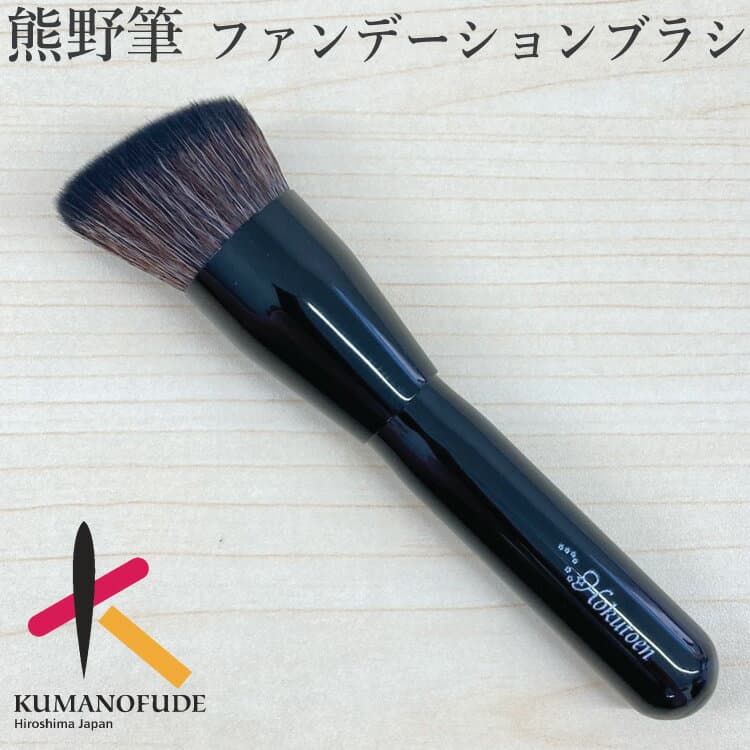
Kumano Fude Angled Flat Foundation Brush
【月間優良ショップ受賞】 名入無料 熊野化粧筆 熊野筆 メイクブラシ ファンデーションブラシ 斜めフラット/h-founda 化粧ブラシ 化粧筆 プレゼント 記念 日本製 就職 退職 内祝 ギフト
angled flatこだわりの筆匠 熊野筆 北斗園
4.7 / 502 reviews
Japanese name熊野筆
In Hiroshima’s Kumano-cho, calligraphy brushes, painting brushes, makeup brushes, and hake are shaped through animal hair, hand selection, bundling, and uncut tips.
Information last updated yesterday
3 images【月間優良ショップ受賞】 名入無料 熊野化粧筆 熊野筆 メイクブラシ ファンデーションブラシ 斜めフラット/h-founda 化粧ブラシ 化粧筆 プレゼント 記念 日本製 就職 退職 内祝 ギフト
angled flatこだわりの筆匠 熊野筆 北斗園
4.7 / 502 reviews
 3 images
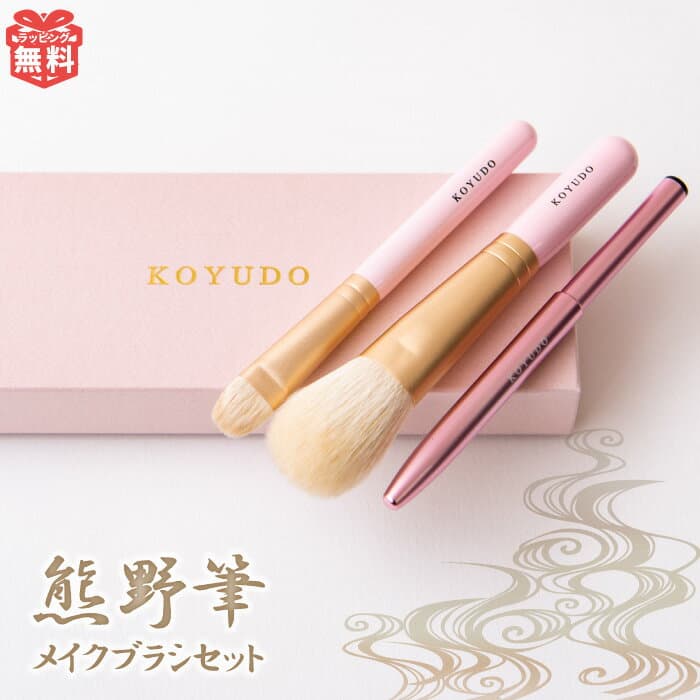
熊野筆 メイクブラシセット ギフト Puritto メイクブラシ セット プリット チークブラシ アイシャドウ リップブラシ コスメ 贈り物 高級 おしゃれ 可愛い おすすめ パウダー 誕生日プレゼント 女友達 化粧筆 熊野化粧筆 お祝い お返し G7
3-piece set with box霊芝・冬虫夏草の店
4.7 / 26 reviews
 3 images
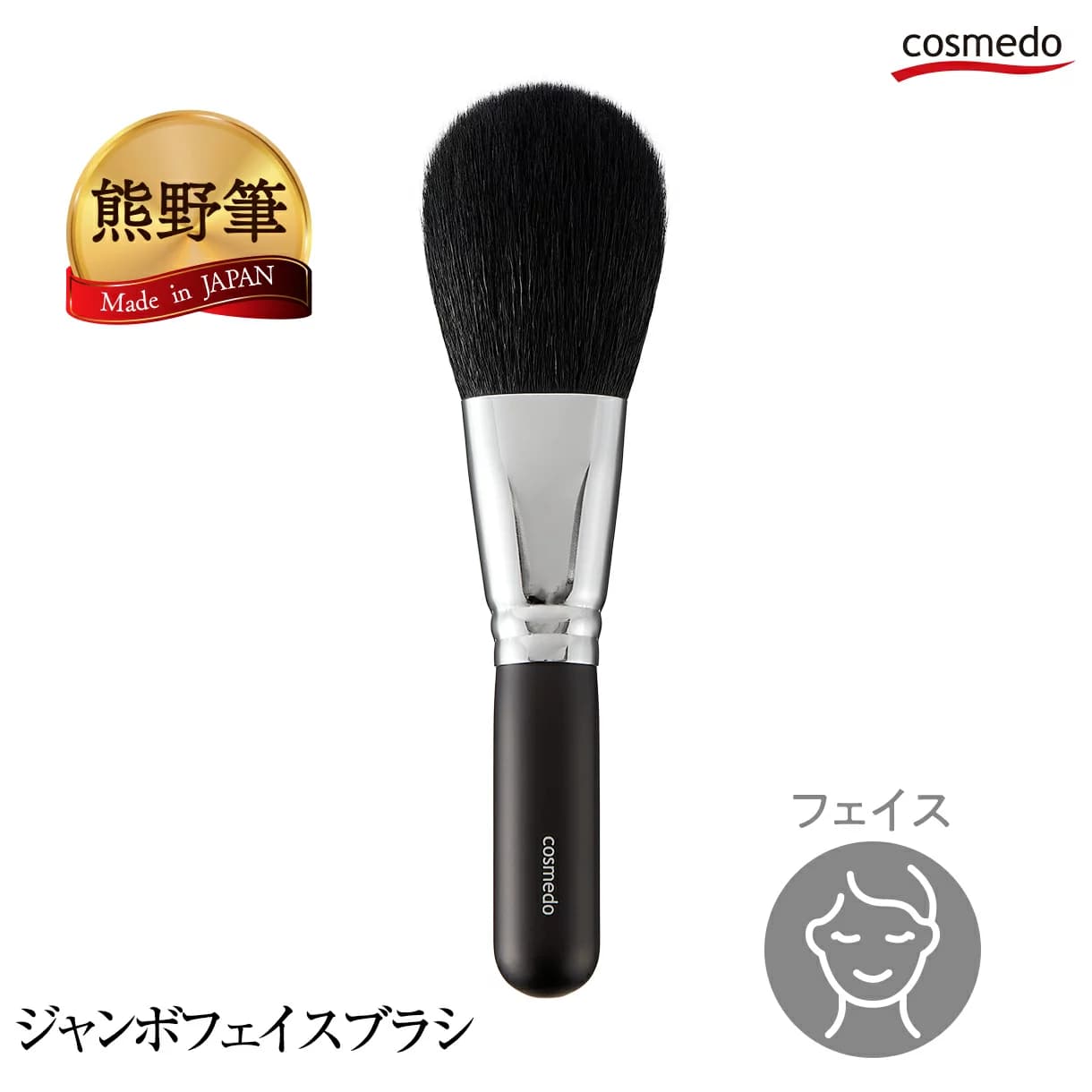
大人気!毛量たっぷり! 熊野筆 ジャンボ フェイスブラシ (パウダーブラシ) 山羊毛100% 日本製【メイクブラシ リンパマッサージ 天然毛 フェイスパウダー パウダーファンデーション 薄付き 熊野化粧筆 誕生日 プレゼント ギフト 大きめ 女性 おすすめ ツヤ肌 化粧ブラシ】
black handle, jumbo熊野筆通販 匠の化粧筆コスメ堂
4.4 / 206 reviews
 3 images
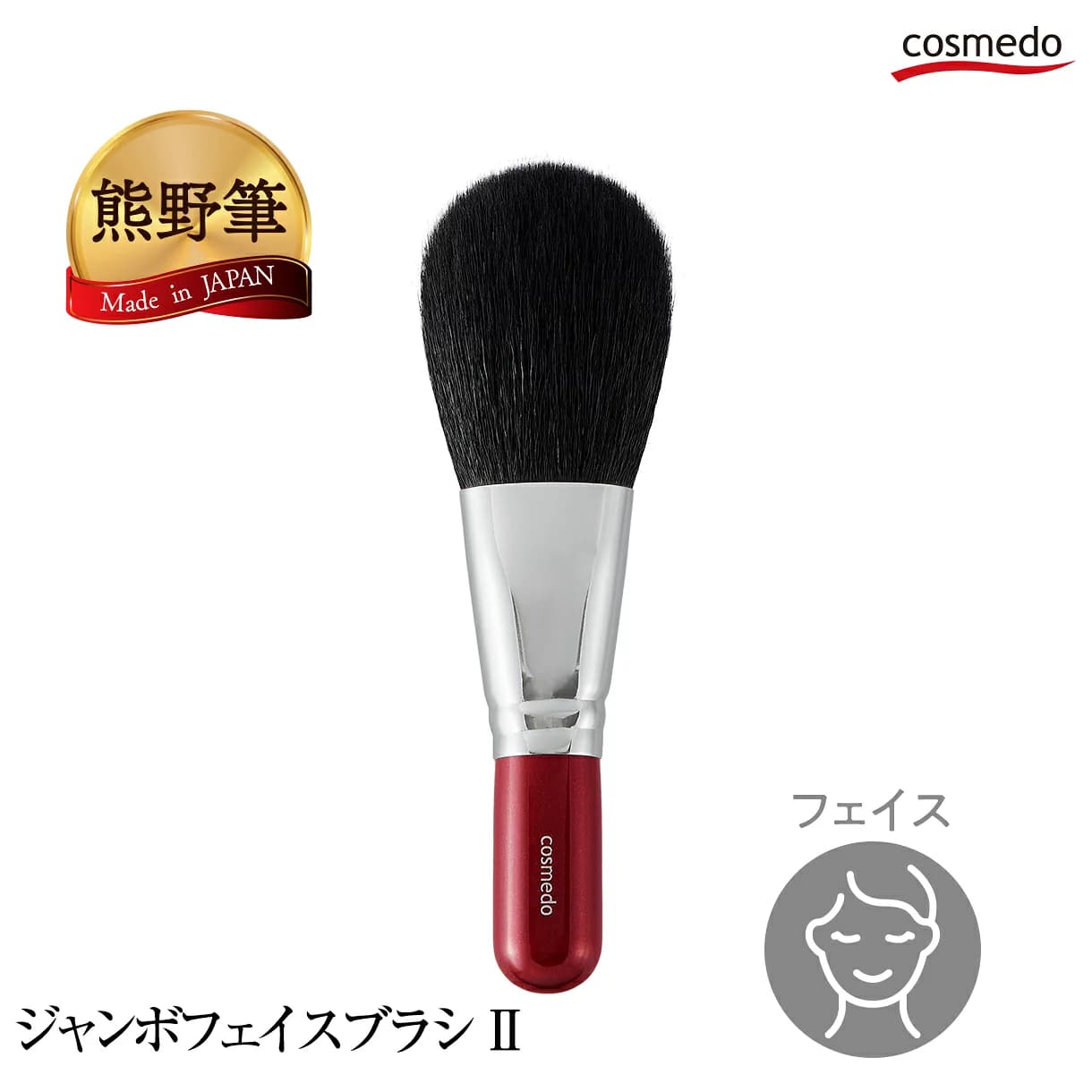
大人気!毛量たっぷり 熊野筆 赤軸 ジャンボ フェイスブラシ 2 (パウダーブラシ)山羊毛100% 日本製【リンパマッサージ リンパ 天然毛 誕生日 プレゼント ギフト 大きめ フェイスパウダー ベースメイク 薄付き おすすめ おしろい 短め パウダーブラシ ギフト 熊野化粧筆】
red handle, No. 2熊野筆通販 匠の化粧筆コスメ堂
4.6 / 184 reviews
 3 images
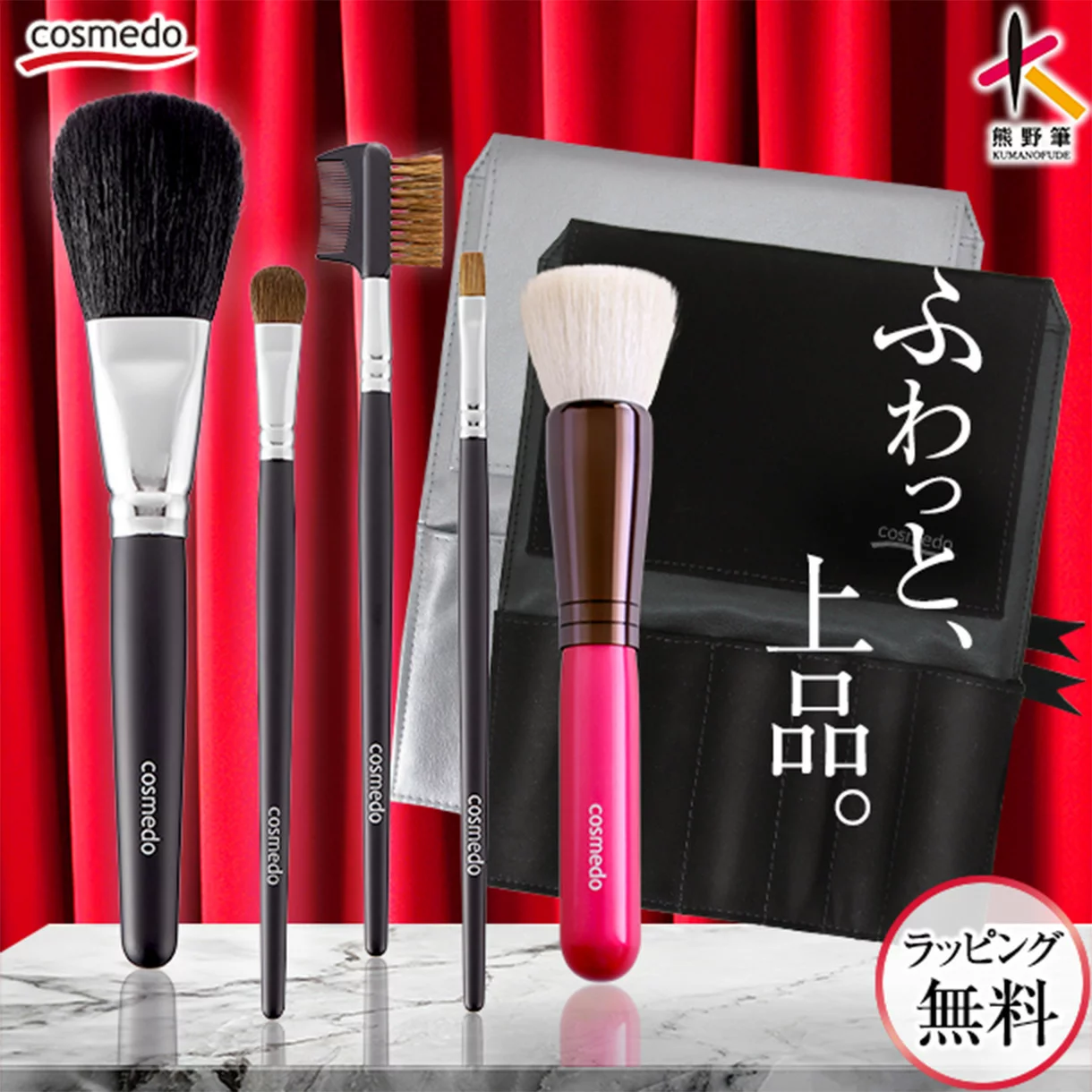
熊野筆 メイクブラシ セット 5本(ケース付き)スターターセットプラス 日本製(天然毛 メイクブラシセット 熊野筆セット フェイスブラシ チークブラシ アイシャドウブラシ メイクブラシケース 収納 誕生日 プレゼント ギフト メンズメイク 女性 携帯 熊野化粧筆)
5 brushes with case熊野筆通販 匠の化粧筆コスメ堂
4.6 / 1246 reviews
 3 images
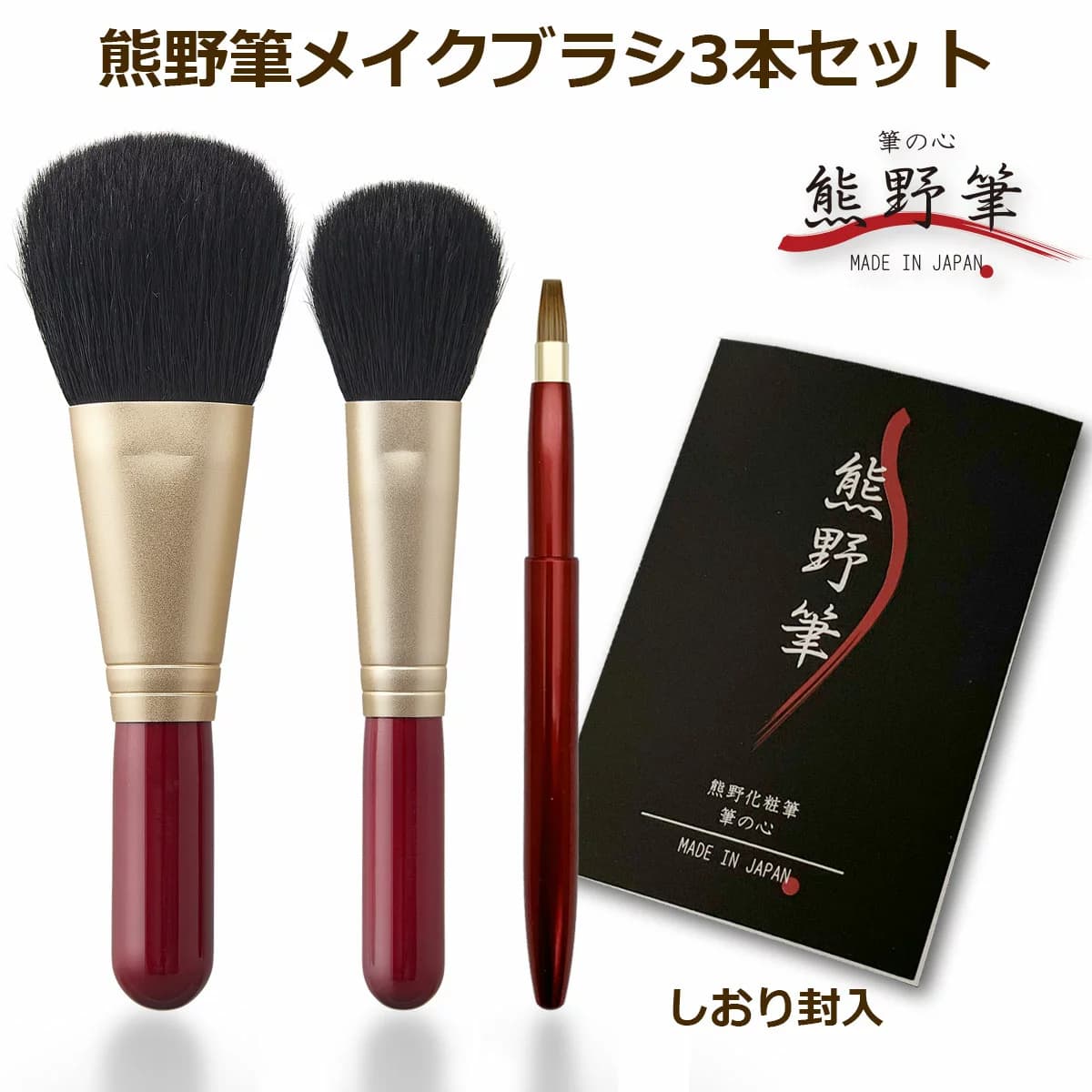
熊野筆 筆の心 メイクブラシ 3本セット フェイスブラシ・チークブラシ・リップブラシ 日本製 (天然毛 メイクブラシセット 人気 おすすめ フェイスパウダーブラシ 紅筆 携帯 かわいい 熊野化粧筆 筆メイク 誕生日 プレゼント 30代 40代 50代 女性 人気 化粧ブラシ )
3-piece set: face, cheek & lip brushes熊野筆通販 匠の化粧筆コスメ堂
4.4 / 36 reviews
 3 images
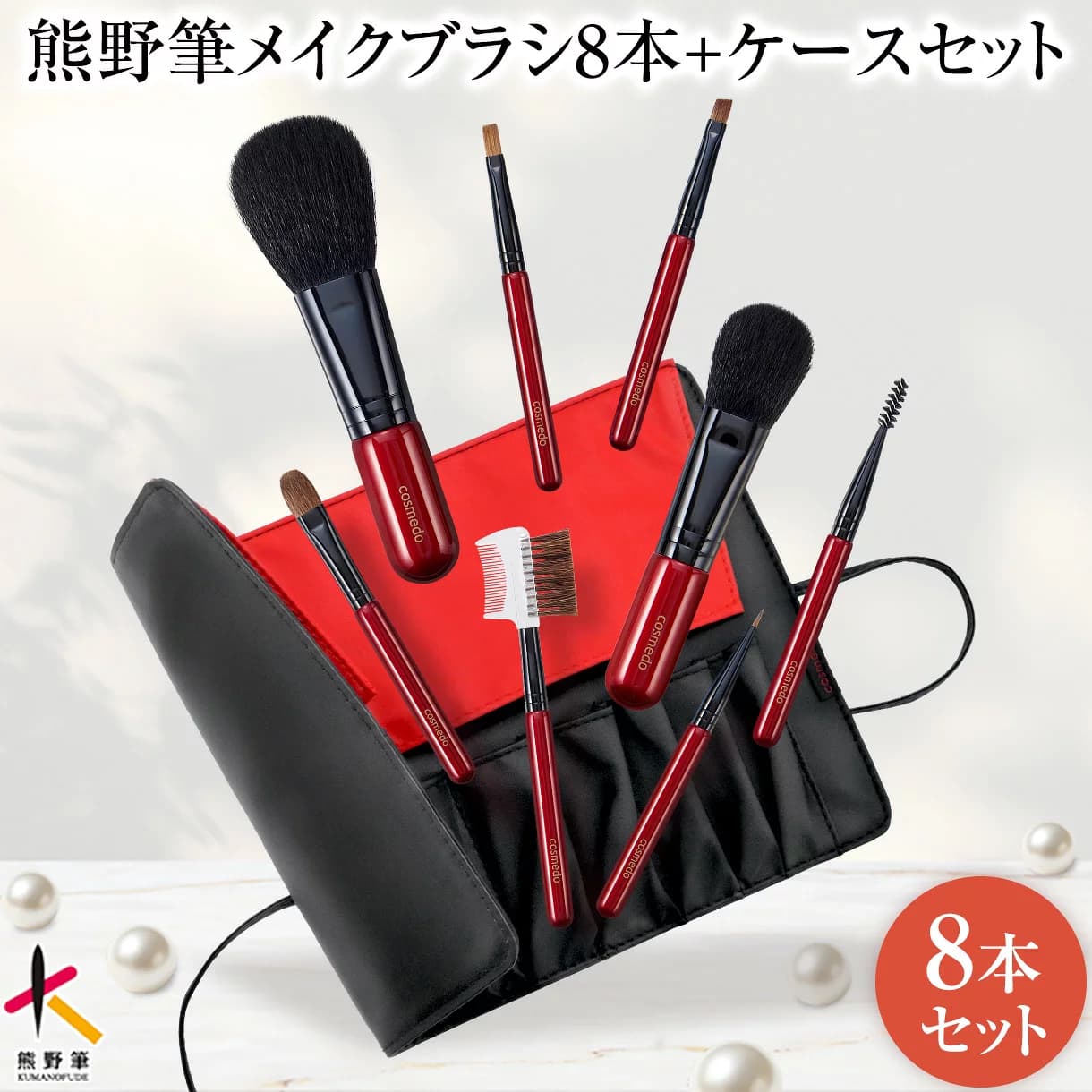
熊野筆メイクブラシセット トゥルーセレクション 8本+ブラシケース付き 日本製(天然毛 メイクブラシ セット フェイスブラシ チークブラシ アイシャドウブラシ アイブロウブラシ 誕生日 プレゼント ギフト 人気 携帯 眉ブラシ 収納 化粧ブラシ 熊野化粧筆)
8 brushes + brush case熊野筆通販 匠の化粧筆コスメ堂
4.6 / 307 reviews
 3 images
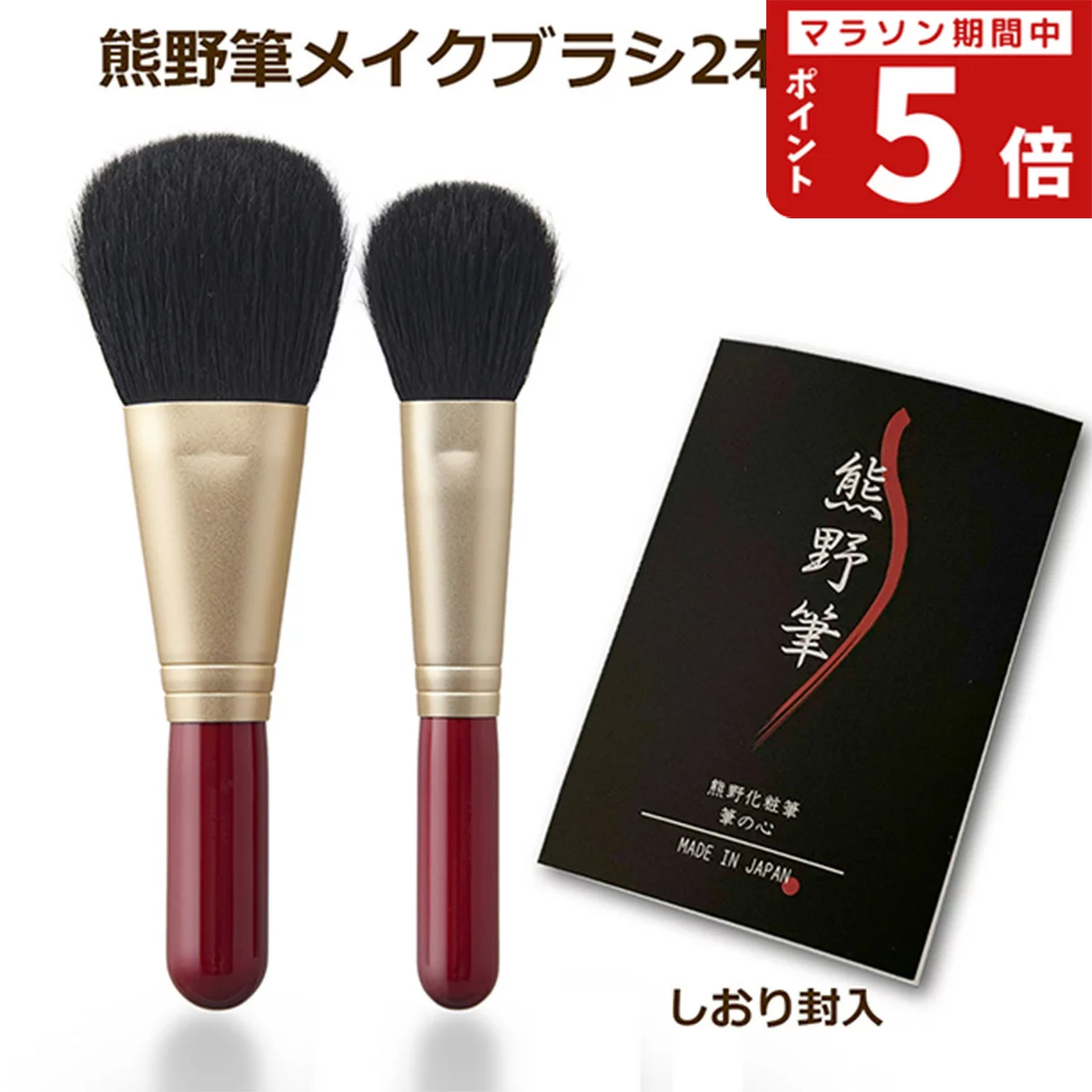
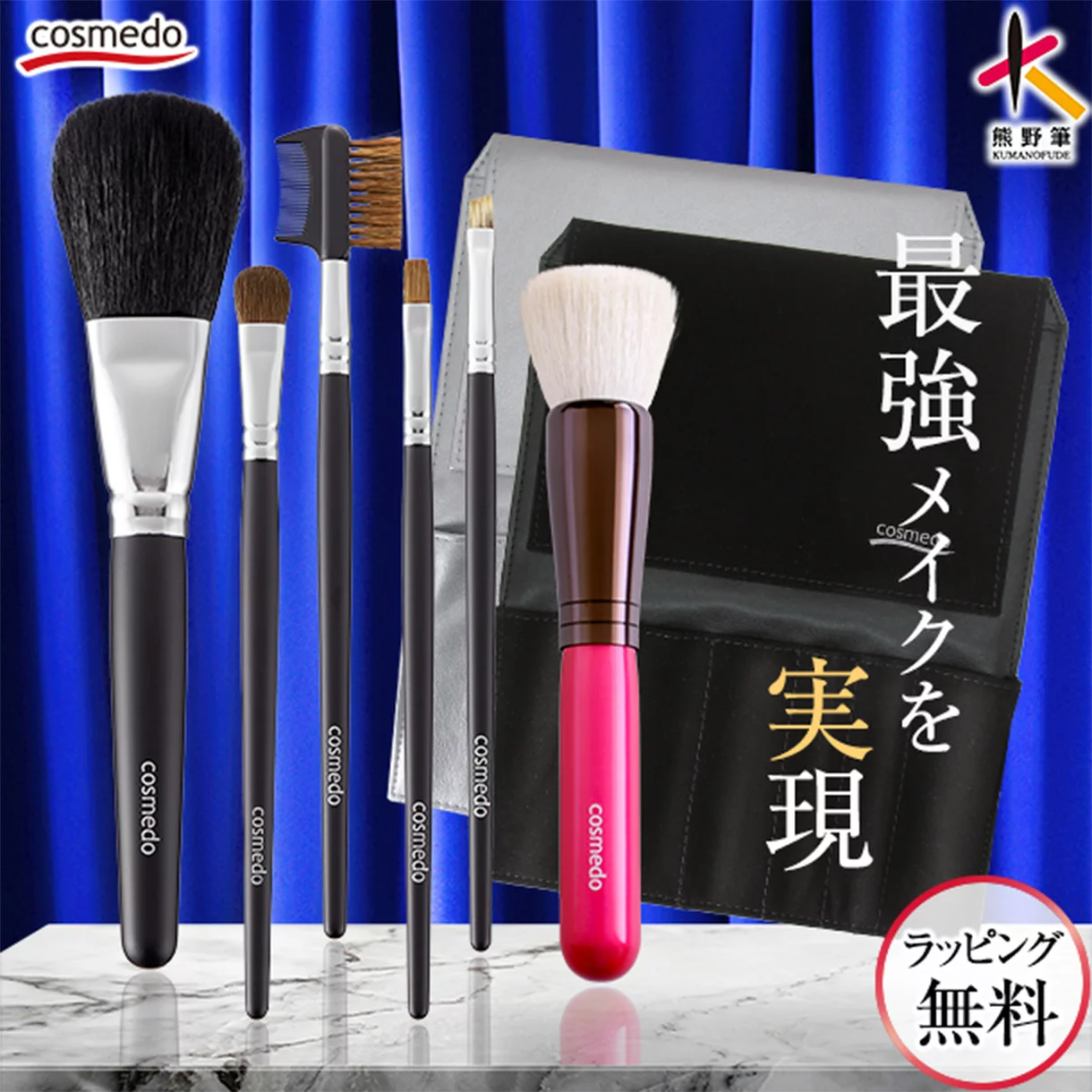
熊野筆メイクブラシセット 筆の心 フェイスブラシ + 丸平 チークブラシ 2本セット(山羊毛) 日本製 【熊野化粧筆 天然毛 化粧ブラシ メイクブラシ パウダーブラシ ファンデーション シェーディング ほお紅 熊野化粧筆 誕生日 プレゼント 女性 かわいい ラッピング無料 】
Face brush + round-flat cheek brush, 2-brush set熊野筆通販 匠の化粧筆コスメ堂
4.5 / 53 reviews
 3 images
46%OFF【熊野筆 メイクブラシ セット 6本+ケース】スターターセットスペシャル 日本製( 天然毛 メイクブラシセット フェイスブラシ チークブラシ アイシャドウブラシ アイブロウブラシ 誕生日 プレゼント ギフト 女性 メンズメイク 男性にも 携帯 収納 熊野化粧筆 国産 )
6 brushes + case熊野筆通販 匠の化粧筆コスメ堂
4.6 / 79 reviews
 3 images
熊野筆 贈り物 熊野筆 名入れ プレゼント 日本ギフト大賞 送料無料 熊野化粧筆 メイクブラシ 5本 セット <ピンクパール> 可愛いピンク 包装 無料・名入れ 可 名入れ プレゼント ギフトセット パウダー チーク シャドウ リップ コーム 熊野筆
Pink Pearl, 5-piece set広島県 癒しの熊野化粧筆 宮尾
4.9 / 34 reviews
 3 images
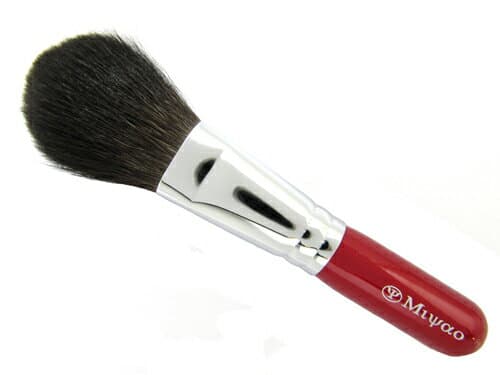
熊野筆 フェイスブラシ 灰リス 100%最高級品 熊野化粧筆 熊野筆 灰リス 包装 可・名入れ 可 フィニッシュブラシとしても最適です敏感肌の方によりお勧めです。ショートタイプ赤軸レッドパール 化粧筆 メイクブラシ 送料無料
red pearl short handle広島県 癒しの熊野化粧筆 宮尾
4.7 / 31 reviews
 3 images
楽天スーパーSALE 熊野筆 フェイスパウダーブラシ 灰リス 100% (最高級品) 熊野化粧筆 熊野筆 灰リス 包装 可・名入れ 可 敏感肌の方にはよりお勧めです。ショートタイプ赤軸レッドパール 熊野筆 化粧筆 メイクブラシ 携帯用 ブランド 名入れ
short red pearl handle広島県 癒しの熊野化粧筆 宮尾
4.7 / 20 reviews
 3 images
熊野筆 送料無料 熊野化粧筆 メイクブラシ 3本セット<レッドパール> 灰リス 100% チークブラシ S 熊野筆 包装 無料・名入れ可 化粧筆 名入れ プレゼント 還暦 チークブラシ 灰リス 100% アイシャドウブラシ 携帯リップブラシ
3-piece set with 100% gray squirrel cheek brush S広島県 癒しの熊野化粧筆 宮尾
4.8 / 4 reviews
 3 images
熊野筆 御祝 贈り物 熊野筆 名入れ送料無料 熊野化粧筆 メイクブラシセット 7本セット& 携帯用ポーチ <レッドパール> パウダーフェイスブラシ 熊野筆 灰リス 100%(最高級 化粧筆) 包装 無料・ 名入れ 可 名入れ 熊野筆メイクブラシ
7 brushes, Red Pearl広島県 癒しの熊野化粧筆 宮尾
5.0 / 8 reviews
First time buying on Rakuten? How residents in Japan order →
All 14 listings of this product on Rakuten, lowest price first.
| Listing | Price | Shop | Reviews | Open listing |
|---|---|---|---|---|
Kumano Fude Angled Flat Foundation Brush angled flatLowest priceGift-ready | ¥1,540 | こだわりの筆匠 熊野筆 北斗園 | 4.7 / 502 reviews | View on Rakuten → |
Kumano Fude E-16 Black-Handle Jumbo Face Powder Brush black handle, jumboGift-ready | ¥4,390 | 熊野筆通販 匠の化粧筆コスメ堂 | 4.4 / 206 reviews | View on Rakuten → |
Kumano Fude Jumbo Face Powder Brush red handle, No. 2Gift-ready | ¥4,390 | 熊野筆通販 匠の化粧筆コスメ堂 | 4.6 / 184 reviews | View on Rakuten → |
Kumano Fude Fude no Kokoro Goat Hair Makeup Brush Set Face brush + round-flat cheek brush, 2-brush setGift-ready | ¥5,980 | 熊野筆通販 匠の化粧筆コスメ堂 | 4.5 / 53 reviews | View on Rakuten → |
Kumano Fude Fude no Kokoro Makeup Brush Set 3-piece set: face, cheek & lip brushesGift-ready | ¥7,200 | 熊野筆通販 匠の化粧筆コスメ堂 | 4.4 / 36 reviews | View on Rakuten → |
Kumano Fude Makeup Brush Starter Set Plus 5 brushes with caseMost reviewedGift-ready | ¥7,800 | 熊野筆通販 匠の化粧筆コスメ堂 | 4.6 / 1246 reviews | View on Rakuten → |
Kumano Fude Puritto Makeup Brush Gift Set 3-piece set with boxGift-ready | ¥8,250 | 霊芝・冬虫夏草の店 | 4.7 / 26 reviews | View on Rakuten → |
Kumano Fude Special Starter Makeup Brush Set 6 brushes + caseGift-ready | ¥8,500 | 熊野筆通販 匠の化粧筆コスメ堂 | 4.6 / 79 reviews | View on Rakuten → |
Kumano Fude 100% Gray Squirrel Face Powder Brush short red pearl handle | ¥11,000 | 広島県 癒しの熊野化粧筆 宮尾 | 4.7 / 20 reviews | View on Rakuten → |
Kumano Fude Red Pearl Makeup Brush Set 3-piece set with 100% gray squirrel cheek brush SGift-ready | ¥11,990 | 広島県 癒しの熊野化粧筆 宮尾 | 4.8 / 4 reviews | View on Rakuten → |
Kumano Fude True Selection Makeup Brush Set 8 brushes + brush caseGift-ready | ¥12,800 | 熊野筆通販 匠の化粧筆コスメ堂 | 4.6 / 307 reviews | View on Rakuten → |
Kumano Fude Makeup Brush Set Pink Pearl, 5-piece setGift-ready | ¥13,310 | 広島県 癒しの熊野化粧筆 宮尾 | 4.9 / 34 reviews | View on Rakuten → |
Kumano Fude MR-2 Premium 100% Gray Squirrel Face Brush red pearl short handle | ¥22,000 | 広島県 癒しの熊野化粧筆 宮尾 | 4.7 / 31 reviews | View on Rakuten → |
Kumano Fude Makeup Brush Set with Portable Pouch 7 brushes, Red PearlGift-ready | ¥28,160 | 広島県 癒しの熊野化粧筆 宮尾 | 5.0 / 8 reviews | View on Rakuten → |
Japanese · new tab
Kumano fude belongs to Kumano-cho in Aki-gun, Hiroshima Prefecture. The name covers calligraphy brushes, painting brushes, makeup brushes, and hake, so the town’s brushmaking reaches writing desks, painted vessels, image-making, and makeup applied to skin. Its roots run through late Edo-period off-season trade: people from a town with little flat farmland carried brushes and ink, then brushmaking methods came home through Hakata, Hiroshima domain brush makers, Arima, and Nara.
In late Edo-period Kumano, limited flat farmland made agriculture an uncertain base for everyday life. During agricultural off-seasons, residents traveled for work around places such as Nara and Kishu, then brought brushes and ink from Nara, Osaka, and Hyogo to sell elsewhere. Brushes first entered Kumano livelihoods as goods carried along road routes; over time, they became objects made inside the town.
Several routes brought brushmaking skill back to Kumano-cho. Some people encountered brush artisans in Chikuzen Hakata; others learned from Hiroshima domain brush makers, or acquired techniques in Arima and Nara. Once those methods returned to the village, Kumano became a place where hair was selected, bundled, and shaped into brush tips.
Kumano fude refers to brushes made in Kumano-cho, Hiroshima, including calligraphy brushes, painting brushes, makeup brushes, and hake. The shared ground is place and handling of hair: the same town name covers tools adjusted for writing, painting, makeup, and brush-applied work.
After the war, Kumano-cho began full-scale production of painting brushes and makeup brushes by applying calligraphy-brush techniques. Selection, bundling, and tip control moved across surfaces: lines on paper, washes and detail in images, and powder or color placed on skin.
Animal hair is the material base of Kumano fude. The work includes selecting hair, removing dirt, and bundling hair into the brush head. Much of this is done by skilled hands, with eyes and fingers reading length, volume, and the condition of the hair ends before the brush is used.
The uncut tip is central to the feel of the brush. Makers preserve the natural fine ends of the hair rather than trimming them even, giving the brush tip delicacy and measured resilience. In calligraphy, that helps the brush respond to water and line movement; in painting, it supports both soft blur and fine detail; in makeup, different hair types change the feel against skin and the way makeup settles.
In calligraphy, Kumano fude is understood through movements such as tome, hane, and harai. Water retention, tip shape, and the fit of the shaft in the hand affect the moment a line stops, flicks, or sweeps away, and each movement depends on a brush head that can answer small shifts of wrist and paper.
As a painting brush, Kumano fude is valued for blur, wash, and detailed expression. Different sizes and levels of elasticity let users adjust marks for ceramic painting, sketching, and fine lines. As a makeup brush, the material difference moves onto the skin: hair type changes touch and affects how base, powder, or color feels as it is applied.
About 90 makers operate in Kumano-cho. At town scale, the work appears in two numbers: about 2,500 brush workers among roughly 24,000 residents, and about 2,000 people in the brush industry in 2022. Read together, the numbers show a town where brushmaking remains a concentrated occupation, tied to hair materials, brush heads, and skilled handwork.
Fude no Sato Kobo makes that work visible to visitors. The Kumano-cho facility hosts brush-related exhibitions, workshops, sutra-copying activities, sketching events, and creative programs. For someone meeting Kumano fude for the first time, the place connects writing, drawing, and hands-on making back to the town where the brushes are made.
Use of the Kumano fude name is bounded by criteria including production area and raw materials; the K mark points to a boundary around Kumano-cho technique and quality. For readers, the important part is tangible: the brush comes from Kumano-cho, the materials and making fit the defined range, and the tip can show hair-end delicacy and spring in writing, painting, or makeup.
That boundary brings the subject back to hair, hands, brush heads, and use. From late Edo-period trade routes to a town where about 90 brush makers still operate, Kumano fude continues through brushes that are held, tested, adjusted, and understood in daily work.
The appeal of Kumano fude sits between a place name in Hiroshima and a bundle of animal hair. Selection, cleaning, bundling, and uncut tips preserve fine ends and spring; calligraphy brushes handle stops, flicks, and sweeps, painting brushes manage blur and detail, and makeup brushes translate hair type into touch on skin. Through Fude no Sato Kobo’s exhibitions and experiences, Kumano-cho remains visible as a town where brushmaking is still part of ordinary work.
Compiled from public records and official sources; see the recognition links below. Details may change over time.
Where this product is officially registered, designated, or recognized in Japan.
Traditional craft
Designated a Traditional Craft (dentō kōgeihin) by Japan's Ministry of Economy, Trade and Industry.
Sources1
It is written as 熊野筆 in Japanese. Search Rakuten and other Japanese sites with that spelling — the English name will not bring up the listings.
Kumano brushes (Kumano fude) are made in Kumano-cho, Aki-gun, Hiroshima, and include calligraphy brushes, painting brushes, makeup brushes, and hake. Their history is tied to late Edo-period off-season trade in brushes and ink, and to techniques brought back through Hakata, Hiroshima domain brush makers, Arima, and Nara. Makers use animal hair, selecting, cleaning, and bundling it, and leave the tips uncut to keep fine ends and resilient spring.
Kumano-cho has about 90 makers and about 2,500 brush workers among roughly 24,000 residents. In 2022, about 2,000 people were involved in Kumano-cho’s brush industry, with 13 traditional craftspersons noted. Use of the Kumano fude name is bounded by criteria including production area and raw materials; the K mark gives quality-boundary context. Fude no Sato Kobo in Kumano-cho hosts brush-related exhibitions, workshops, sutra copying, sketching, and creative events.
Calligraphy use involves water retention, tip shape, hand fit, and movements such as tome, hane, and harai. Painting-brush use includes blur, wash, and detail, including vessel painting; makeup-brush use varies by hair type, skin feel, and application. The family also includes hake, and many types of brushes are made in Kumano-cho for different scenes of daily life.
Keep wood, bamboo, and lacquer out of prolonged soaking, dishwashers, and direct sun — wipe dry after use and let them air out in the shade. For metal and fabric goods, follow the care notes on the listing.
Most options are shelf-stable, boxed, and travel well, so they suit gifting or bringing home. Confirm the final storage and delivery terms on the Rakuten listing.
On Rakuten: the shops listed here right now are こだわりの筆匠 熊野筆 北斗園, 霊芝・冬虫夏草の店, 熊野筆通販 匠の化粧筆コスメ堂, 広島県 癒しの熊野化粧筆 宮尾. We don't sell directly; purchase, payment, stock, and delivery are all handled on the Rakuten product page.