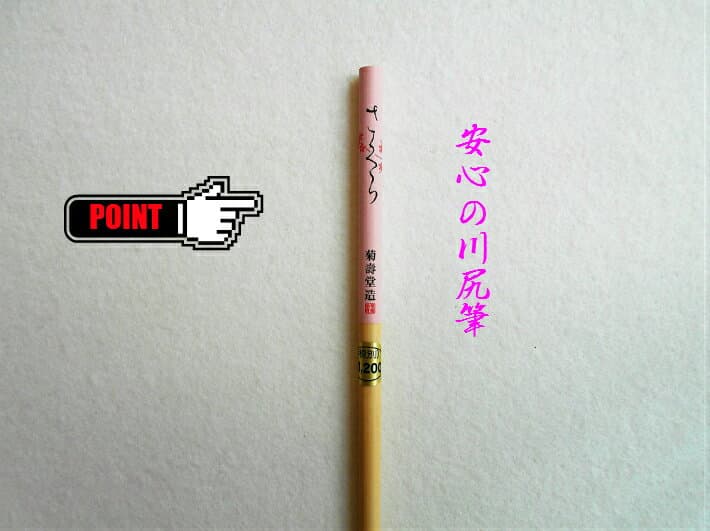
Kawajiri Fude Sakura Weasel Hair Small Calligraphy Brush
書道 筆 送料無料 小筆 さくら 川尻筆 イタチ毛 かな 細字 書道 書道用品 習字 毛筆
tip 0.45 cm x 2.6 cm西文明堂
4.9 / 9 reviews
Japanese name川尻筆
In Kawajiri-cho, Kure, Hiroshima, Kawajiri brushes connect animal-hair tips, nerimaze hair blending, and a start-to-finish craftsperson workflow with calligraphy, kana, and fine Japanese painting lines.
Information last updated 120 days ago
書道 筆 送料無料 小筆 さくら 川尻筆 イタチ毛 かな 細字 書道 書道用品 習字 毛筆
tip 0.45 cm x 2.6 cm西文明堂
4.9 / 9 reviews
 3 images
伝統的工芸品 川尻筆 】 弘梅堂 書道太筆 弘道 3号 坪川毛筆刷毛製作所 【 腰が強く 止め 払いが綺麗 】 習字 大筆 馬毛 初心者 楷書 行書 万能筆 広島県 呉市 日本製
No. 3, approx. 11.0 mm x 50 mm tip書道用品専門店 弘梅堂
First time buying on Rakuten? How residents in Japan order →
The name Kawajiri brush begins with Kawajiri-cho in Kure, Hiroshima Prefecture. The family is chiefly made as calligraphy brushes with animal-hair tips, and its supple point is associated with cursive script, kana, and precise Japanese painting. Placed back in Kawajiri-cho, the brush carries a concrete timeline: Kikuya Sanzo’s 1835 brush trading through terakoya schools, then Ueno Yaekichi’s 1850 decision to hire a craftsperson from Matsue in Izumo and begin local brush making in Kawajiri village.
Kawajiri brushes are tied to a specific production place: Kawajiri-cho in Kure, Hiroshima Prefecture. The main product is the calligraphy brush, and the named material is animal hair. Kure’s Kawajiri Brush-making Museum is also located in Kawajiri-cho Itayasumi, where tools, materials, and the manufacturing process are displayed. The place name therefore gathers the object, the material, the writing use, and a local exhibition space into one district.
In 1835, Kikuya Sanzo traveled to Settsu Arima, purchased brushes from wholesalers, and placed them for sale at terakoya schools and similar settings. That episode belongs to circulation rather than local manufacture. In 1850, Ueno Yaekichi of Kawajiri village hired a craftsperson from the brush-producing area of Matsue in Izumo and began making brushes locally, shifting the center of the account from selling brushes to producing them in Kawajiri.
The key process named for Kawajiri brushes is nerimaze, a method of mixing hair so the bundle can become a responsive brush tip. The local account also says Ueno Yaekichi drew from Izumo’s nerimaze for fine brushes and Aki Kumano’s bonmaze, known for faster mass production traits. Today, the brush is described as being made by one craftsperson from beginning to end, a workflow unsuited to mass production because each stage depends on skilled adjustment of the hair bundle and point.
The quality described for Kawajiri brushes is concrete: a supple point. That point is suited to the turns of cursive script, the slender movement of kana, and the fine lines of Japanese painting. The material and the nerimaze process therefore matter because they end in visible marks: curves, tapering strokes, and small painted details that depend on the tip.
At the Kawajiri Brush-making Museum in Itayasumi, visitors encounter brush-making tools, materials, and process displays together rather than as separate fragments. The museum also shows many works by contemporary calligraphers, placing finished writing near the equipment and materials that shape a brush. The room links the animal-hair bundle, the craftsperson’s tools, and the written line in one local setting.
The modern path of Kawajiri brushes is tied to writing education as well as workshop practice. The local account describes growth from the late Meiji period into the early Showa years, a wartime and postwar downturn, and increased demand after the 1958 curriculum revision positioned writing within the Japanese-language subject. Kawajiri brushes later received national traditional-craft recognition; in reader terms, that recognition points back to Kure’s Kawajiri-cho, the producer community, animal hair, hair mixing, and calligraphy brushes still associated with the place.
Kawajiri brushes can be understood through concrete anchors: Kawajiri-cho, animal hair, nerimaze, a start-to-finish craftsperson workflow, cursive script, kana, fine Japanese painting, and the tools and materials shown in Itayasumi. Their regional character is not an abstract mood; it is found in the way hair is mixed, the way a point is shaped, and the way that point becomes a line on paper.
Compiled from public records and official sources; see the recognition links below. Details may change over time.
Where this product is officially registered, designated, or recognized in Japan.
It is written as 川尻筆 in Japanese. Search Rakuten and other Japanese sites with that spelling — the English name will not bring up the listings.
Kawajiri brushes are calligraphy brushes made in Kawajiri-cho, Kure, Hiroshima Prefecture, using animal hair as the raw material. They are hand-mixed using the nerimaze technique, with one craftsperson completing each brush from start to finish, which limits mass production. The craft traces back to early 19th-century brush trading and a mid-19th-century workshop founded in Kawajiri village.
In 1835, Kikuya Sanzo bought brushes in Settsu Arima and placed them for sale at terakoya schools and similar settings. In 1850, Ueno Yaekichi hired a craftsperson from Matsue in Izumo and began manufacturing brushes in Kawajiri village. The Kawajiri Brush-making Museum, in Kure City's Kawajiri-cho Itayasumi, displays materials, tools, the manufacturing process, and works by contemporary calligraphers. After Japan's 1958 curriculum revision placed writing within the Japanese-language subject, demand for brushes increased.
The supple tip of Kawajiri brushes suits cursive script and kana. It is also suited to fine, precise Japanese painting.
Keep wood, bamboo, and lacquer out of prolonged soaking, dishwashers, and direct sun — wipe dry after use and let them air out in the shade. For metal and fabric goods, follow the care notes on the listing.
Most options are shelf-stable, boxed, and travel well, so they suit gifting or bringing home. Confirm the final storage and delivery terms on the Rakuten listing.
On Rakuten: the shops listed here right now are 西文明堂, 書道用品専門店 弘梅堂. We don't sell directly; purchase, payment, stock, and delivery are all handled on the Rakuten product page.