 3 images
Hiroshima Local Goods Guide
広島県
Hiroshima is indexed here as a practical buying guide for travelers and foreign residents in Japan. Start with packable gifts, then compare table goods, quiet luxuries, and crafted objects when you need a stronger sense of place.
8Local selections
What Hiroshima is known for
The 8 products below are what Hiroshima is known for, ordered by how strongly each is rooted in the prefecture — what it is, and why it comes from here.
Kawajiri brushesHome & living
In Kawajiri-cho, Kure, Hiroshima, Kawajiri brushes connect animal-hair tips, nerimaze hair blending, and a start-to-finish craftsperson workflow with calligraphy, kana, and fine Japanese painting lines.
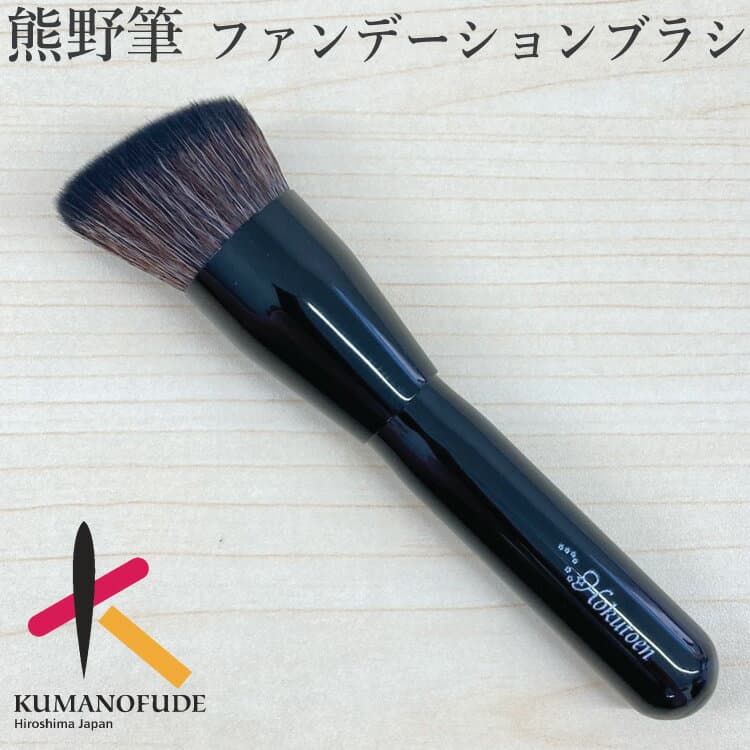
Kumano brushesHome & living
In Hiroshima’s Kumano-cho, calligraphy brushes, painting brushes, makeup brushes, and hake are shaped through animal hair, hand selection, bundling, and uncut tips.
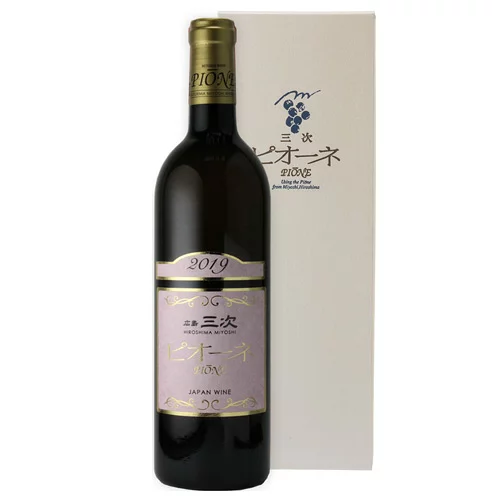
Miyoshi Pione grapesRegional foods
In Hiroshima’s Miyoshi basin, three rivers, hillside vineyards, and hand-thinned clusters shape a dark Pione grape known for large berries, juice, sweetness, and clean acidity.
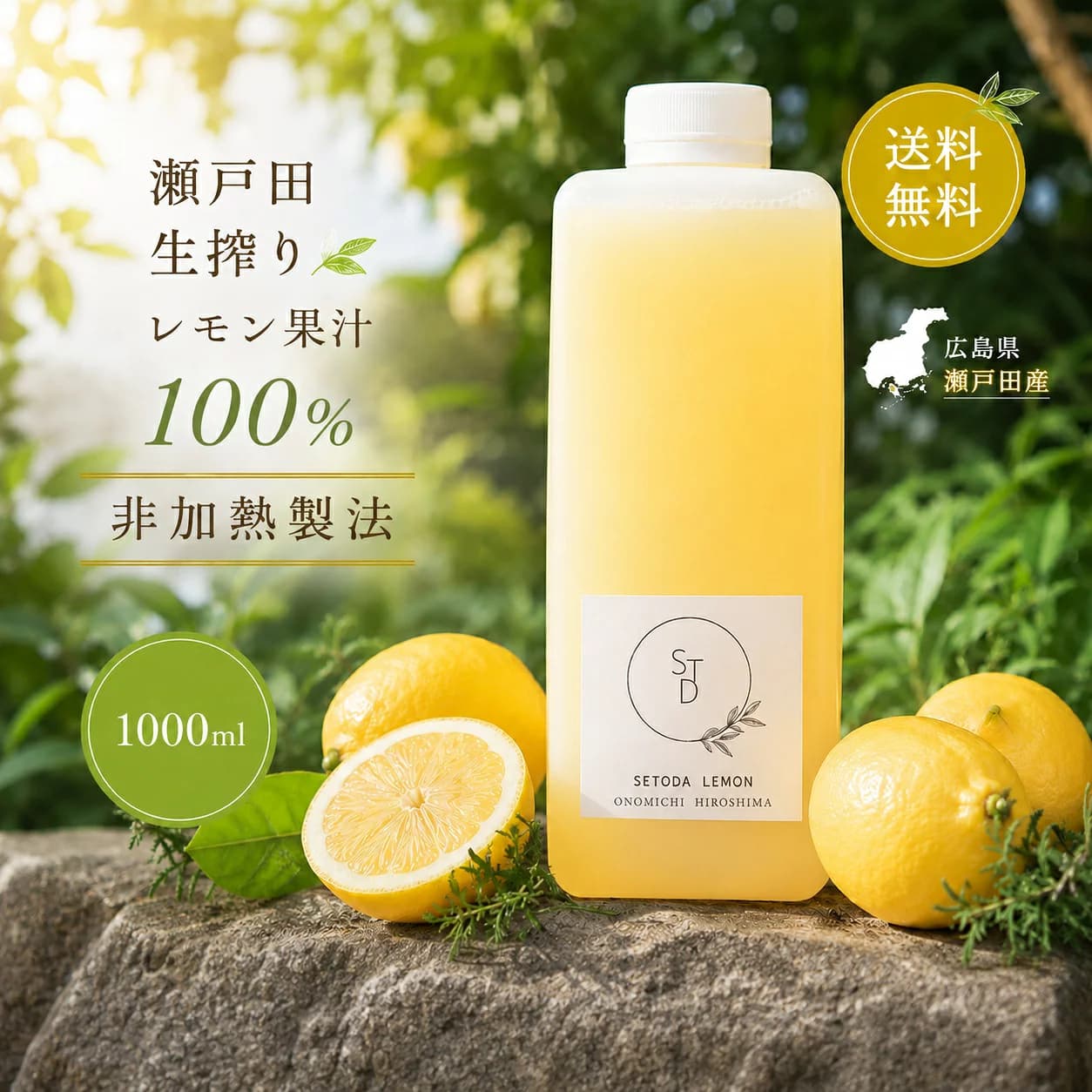
Hiroshima lemonsRegional foods
From three saplings in Ocho to green fruit, yellow fruit, and peel-friendly cooking, Hiroshima Lemon is shaped by Setouchi weather, island production areas, and careful storage work.
Miyajima woodcraftCraft objects
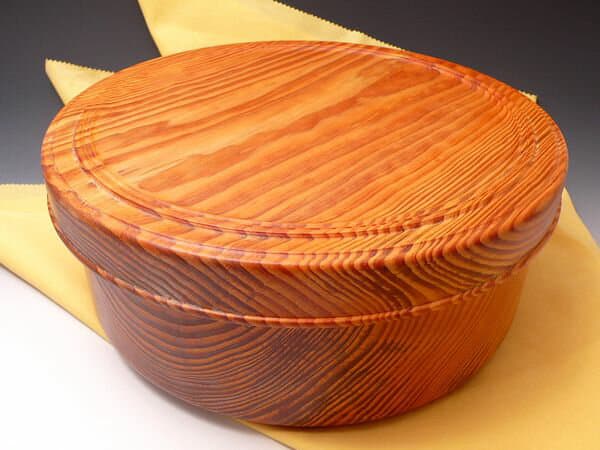
On Miyajima in Hatsukaichi, Hiroshima, Miyajima Zaiku turns woods such as mulberry, zelkova, horse chestnut, and cherry into rice paddles, turned vessels, hollowed forms, and carved surfaces. Its shape comes from island workshops, shrine visitors, and the feel of natural wood.
Fuchu furnitureHome & living
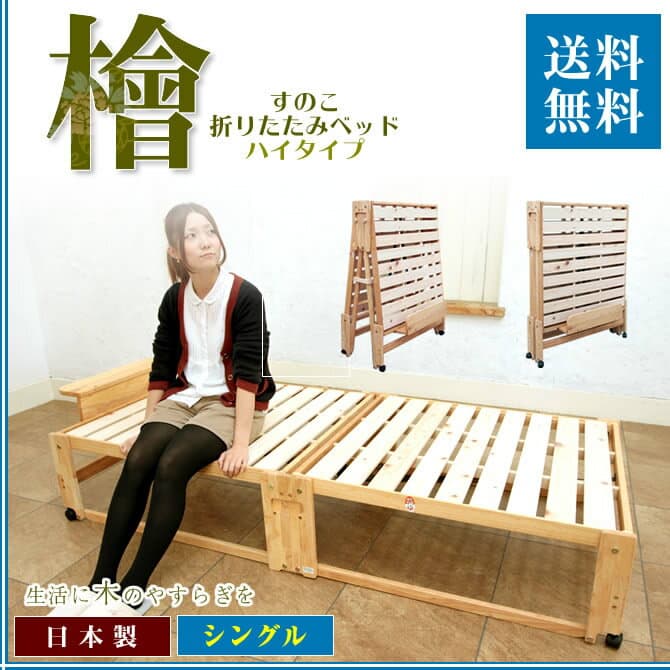
Fuchu furniture grew from a Hiroshima woodworking town shaped by mountain timber, chest making, and wedding furniture, then carried material selection, technique, and finish into interior spaces.
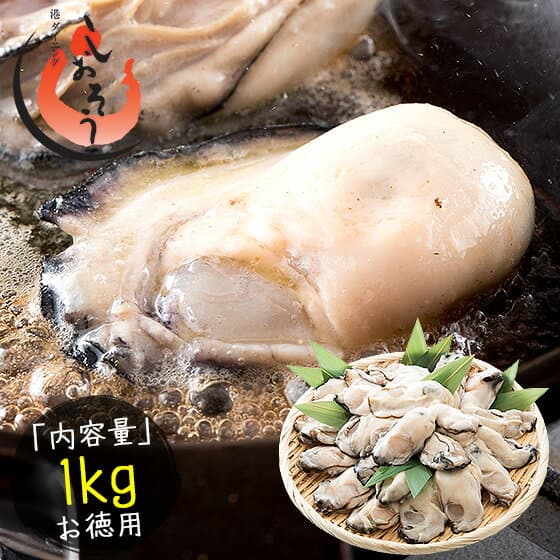
Hiroshima oystersRegional foods
In northern Hiroshima Bay, nutrients from the Ota River feed plankton, oyster rafts line the coastal water, and the shells below them grow into plump, deeply flavored seafood.
Hiroshima sewing needlesHome & living
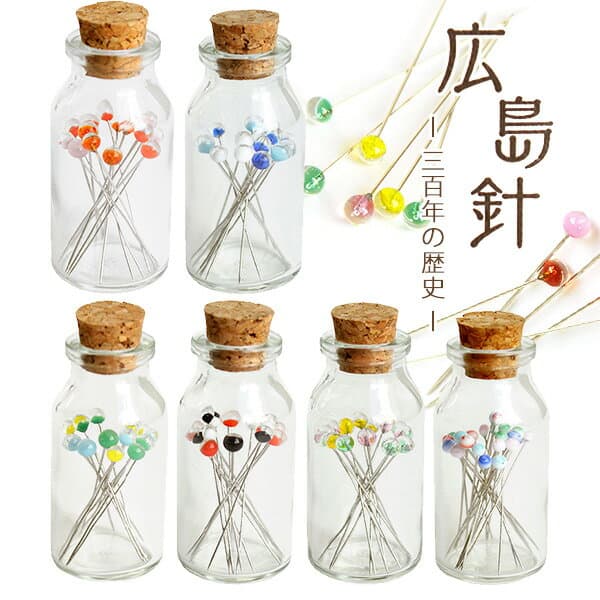
Hiroshima Hari links Kake’s sand iron, river transport, city workshops, heat treatment, grinding, and forming to the feel of a needle passing through cloth.
Regional Gifts
Packable foods and gifts with clear regional character.
Daily Rituals
Home goods and textiles that turn everyday use into a local ritual.

Crafted Forms
Ceramics, lacquer, glass, woodwork, metalwork, folk craft, and their forms.
Hiroshima's specialties by category
How the same thing is made elsewhere, and what differs: the category overviews start here.
Kind before region: fresh fish is about handling, crab and oysters about season, nori and dried goods about processing.
Everyday Japanese tools, each tied to a named craft region and still made for use.
Type before region: knives by shape and bevel, sickles by job, and whether the blade was forged or stamped.
FAQ
What is Hiroshima known for?
Hiroshima (Chugoku) is represented here by specialties such as Kawajiri brushes, Kumano brushes, Miyoshi Pione grapes — each verified against official registries and matched to Rakuten listings.
Are Hiroshima souvenirs good to bring home?
Many Hiroshima picks — Kawajiri brushes, Kumano brushes, Miyoshi Pione grapes among them — are shelf-stable foods and crafts that travel well; for temperature- or fragility-sensitive items, confirm delivery and packaging on the Rakuten listing.
Are these products sold directly by this site?
No. This site curates Rakuten listings and may earn affiliate revenue from links to Rakuten.
How are products selected?
Listings are filtered for local relevance, product images, availability, and review strength.
Related prefecture guides
Tottori
Tottori is a useful regional guide for distinctive local specialties.
Shimane
Shimane is a useful regional guide for distinctive local specialties.
Okayama
Okayama is a useful regional guide for distinctive local specialties.
Yamaguchi
Yamaguchi is a useful regional guide for distinctive local specialties.