 3 images
Yamaguchi Local Goods Guide
山口県
Yamaguchi is indexed here as a practical buying guide for travelers and foreign residents in Japan. Start with packable gifts, then compare table goods, quiet luxuries, and crafted objects when you need a stronger sense of place.
7Local selections
What Yamaguchi is known for
The 7 products below are what Yamaguchi is known for, ordered by how strongly each is rooted in the prefecture — what it is, and why it comes from here.
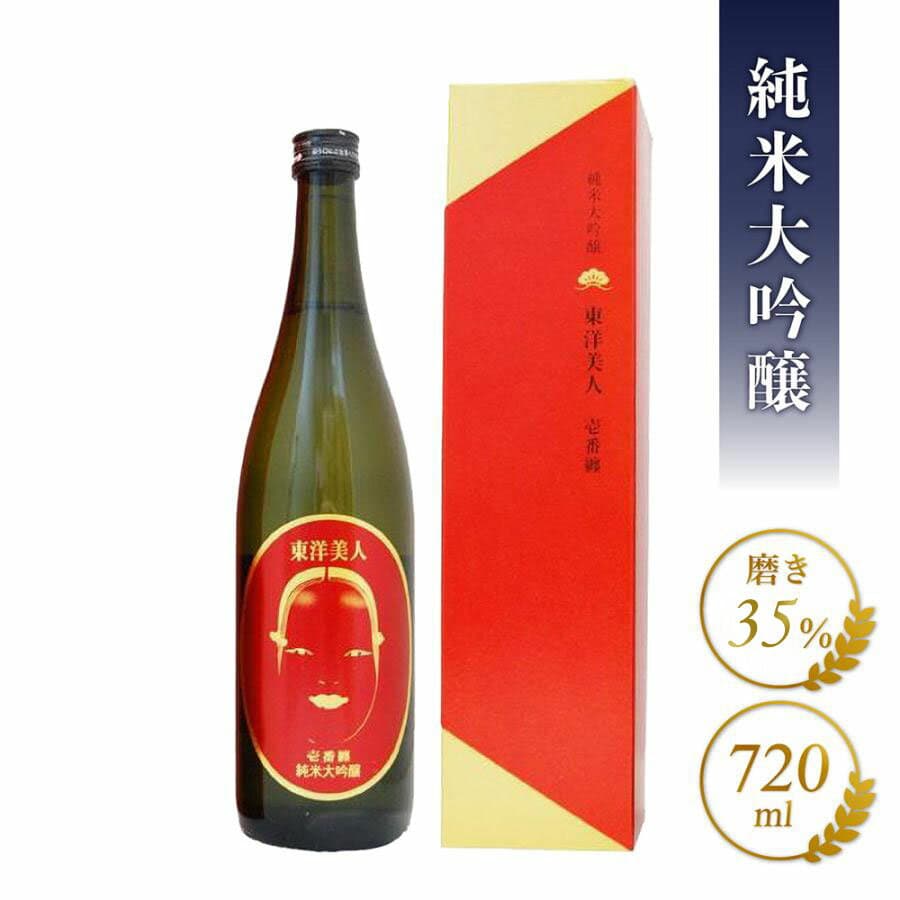
Hagi sakeSake & spirits
Hagi City and Abu Town face the Sea of Japan, where 400-meter mountains, Abu lava plateaus, river-cut rice land, soft water, and local rice shape a bright, clean sake profile.
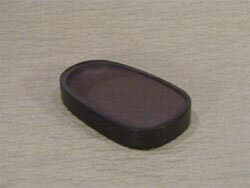
Akama inkstonesHome & living
Akama suzuri takes shape around Ube and Shimonoseki, where dense red shale is quarried, flattened, carved into land and sea, polished, and finished for smooth, well-colored ink.
Ouchi lacquerwareTableware
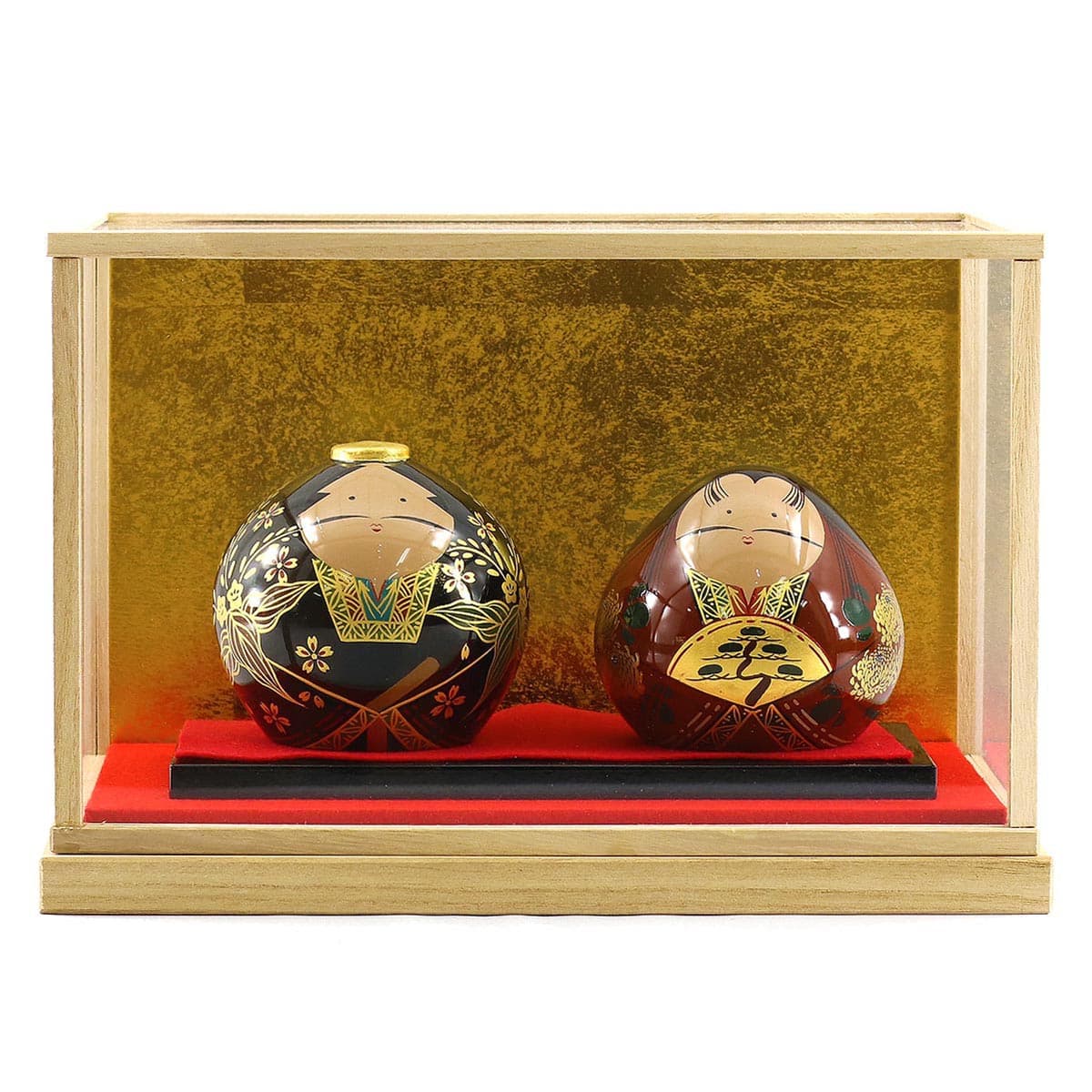
Ouchi-nuri takes shape in bowls, trays, tea saucers, chopstick boxes, and paired lacquer dolls, with deep red ground, gold leaf, diamond motifs, and carefully painted faces linking Yamaguchi City craft to older Ouchi-era lacquerwork.
Hagi wareTableware
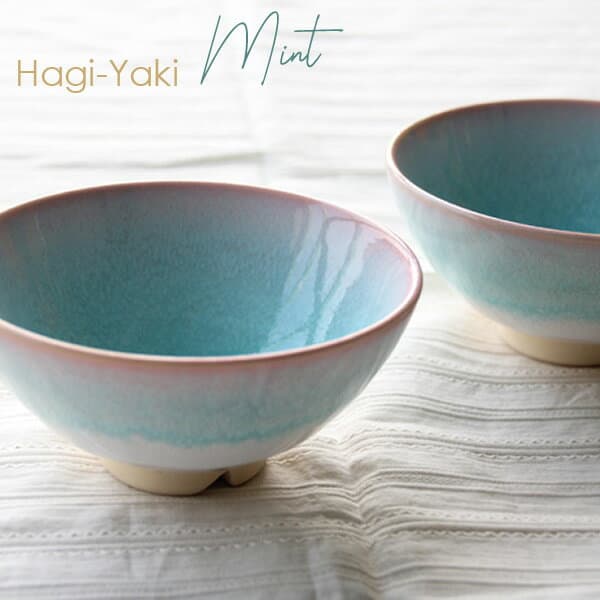
In Hagi City, Yamaguchi, Hagi-yaki joins a 1604 kiln beginning, slow climbing-kiln firing, absorbent clay, and vessels from matcha bowls to yunomi and coffee cups.
Shimonoseki fuguRegional foods
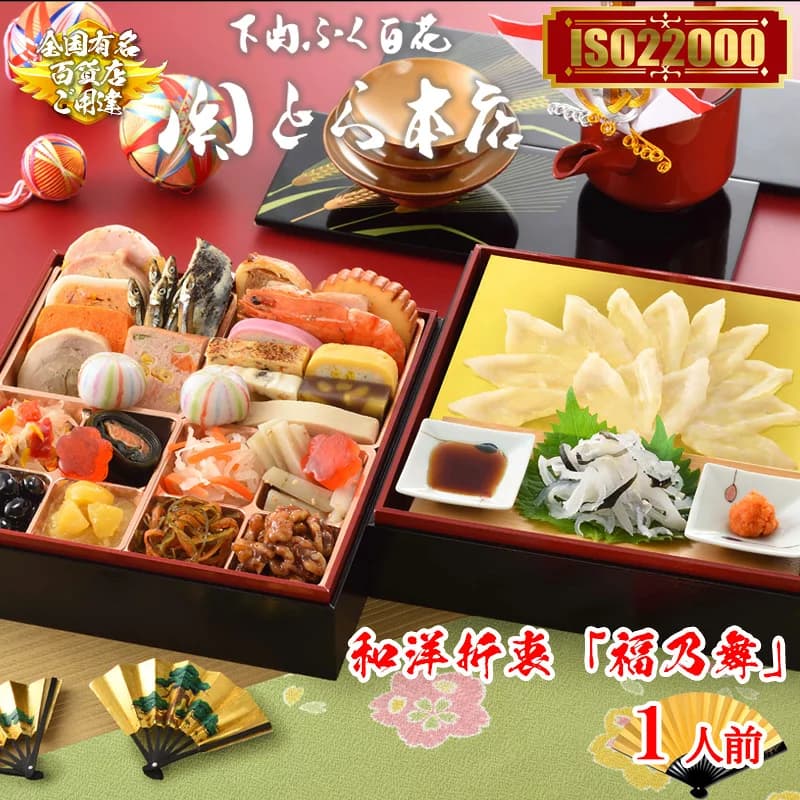
In Shimonoseki, Yamaguchi, fugu is called fuku. The name sits beside the Genkai Sea, the Seto Inland Sea, the Kanmon Strait, Nanpudomari Market, processors, restaurants, and city events that keep the fish close to port work and meals.
Shimonoseki uniRegional foods
Shimonoseki uni connects Yamaguchi waters, a Saikyoji temple anecdote on Mutsurejima, and bottled and tsubu-uni.
Choshu kurokashiwa chickenRegional foods
In Yamaguchi’s Nagato and Mine, Choshu Kurokashiwa takes shape through the Kurokashiwa chicken line, floor rearing, a longer grow-out, local feed ingredients, and clear, lightly sweet fat.
Regional Gifts
Packable foods and gifts with clear regional character.
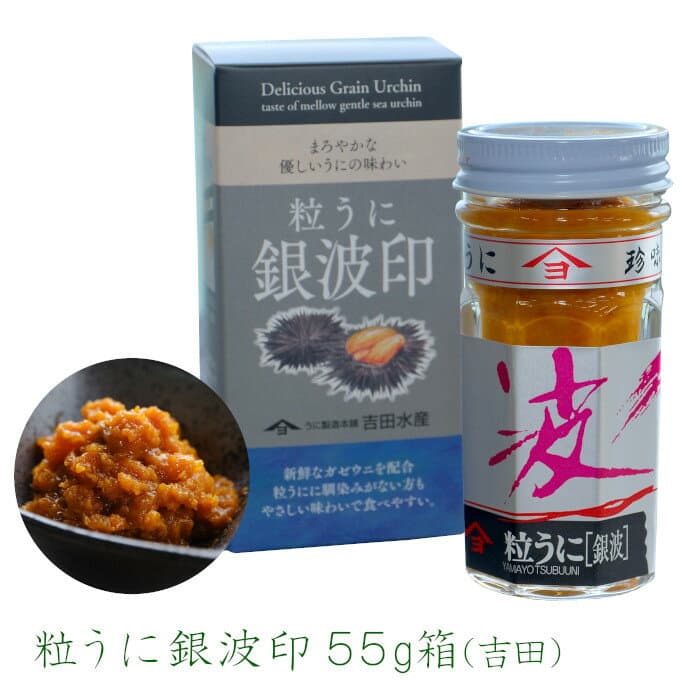

Table & Tea
Tea, drinks, foods, and table pieces shaped by local taste.
Daily Rituals
Home goods and textiles that turn everyday use into a local ritual.
Sake & Spirits
Local sake, shochu, regional wine and craft spirits shaped by each prefecture. For ages 20+.
Yamaguchi's specialties by category
How the same thing is made elsewhere, and what differs: the category overviews start here.
Kind before region: fresh fish is about handling, crab and oysters about season, nori and dried goods about processing.
Earthenware or porcelain first, then the surface: unglazed like Bizen, glazed like Hagi, or painted like Kutani.
Everyday Japanese tools, each tied to a named craft region and still made for use.
FAQ
What is Yamaguchi known for?
Yamaguchi (Chugoku) is represented here by specialties such as Hagi sake, Akama inkstones, Ouchi lacquerware — each verified against official registries and matched to Rakuten listings.
Are Yamaguchi souvenirs good to bring home?
Many Yamaguchi picks — Hagi sake, Akama inkstones, Ouchi lacquerware among them — are shelf-stable foods and crafts that travel well; for temperature- or fragility-sensitive items, confirm delivery and packaging on the Rakuten listing.
Are these products sold directly by this site?
No. This site curates Rakuten listings and may earn affiliate revenue from links to Rakuten.
How are products selected?
Listings are filtered for local relevance, product images, availability, and review strength.
Related prefecture guides
Tottori
Tottori is a useful regional guide for distinctive local specialties.
Shimane
Shimane is a useful regional guide for distinctive local specialties.
Okayama
Okayama is a useful regional guide for distinctive local specialties.
Hiroshima
Hiroshima is a useful regional guide for distinctive local specialties.