Japanese name下関ふく
In Shimonoseki, Yamaguchi, fugu is called fuku. The name sits beside the Genkai Sea, the Seto Inland Sea, the Kanmon Strait, Nanpudomari Market, processors, restaurants, and city events that keep the fish close to port work and meals.
Information updated 79 days ago
In Shimonoseki, the word for fugu often becomes fuku, a sound associated locally with good fortune. The fish has a visible life across the city: manhole covers and monuments, restaurants and market facilities, the auction space at Nanpudomari Market, and the processing work around Hikoshima Nishiyama. Shimonoseki handles the largest volume of fuku in Japan, has a rare wholesale market focused on the fish, and is home to many processors, so the name points to a working port system as much as to a finished dish.
The local habit of saying fuku ties the fish to fuku, good fortune. The name appears in places where residents meet the fish before sitting down to eat: on street features, near monuments, in market language, and in the way processors and restaurants talk about Shimonoseki fuku. A processor-led cooperative working under the Shimonoseki fuku banner dealt with restaurant forms such as torafugu sashimi, hot-pot cuts, karaage cuts, and migaki, showing how the name moves through the city's food work.
Shimonoseki faces the Genkai Sea, the Seto Inland Sea, and the Kanmon Strait, waters named in connection with fuku fishing grounds. That geography gives the product a concrete map: boats and catches on one side, Nanpudomari Market and processors on another, and restaurants serving sashimi, hot pot, and hire-zake to residents and visitors. The name Shimonoseki fuku carries sea lanes, market rooms, and preparation counters before it reaches the plate.
Yamaguchi allowed fuku eating in 1888, and Shimonoseki's restaurant scene changed after that turn. More fuku restaurants appeared, and dishes such as sashimi and hot pot became part of the city's table. The year gives a precise hinge for the modern food scene: a poisonous fish required trained handling, and restaurants gave that handling a public place where people could gather around prepared fuku.
Nanpudomari Market opened in 1974 as a production-area market centered on fuku. Around it, a seafood-processing district concentrated the work of handling and preparing the fish. The Shimonoseki Fuku Federation has its office inside Nanpudomari Market, and its member list includes markets, wholesalers, processors, hotels, and fishery organizations with addresses across Shimonoseki. In this setting, fuku means early market work, removal of unsafe parts, sorting by quality and specification, and shipments matched to different uses through the year.
Fuku requires care because toxic parts must be removed before the fish can be used. Shimonoseki's long habit of eating fuku is linked to accumulated techniques for that removal, and the market-and-processing system later connected those techniques with year-round shipping. The clearest image is practical: fish becomes migaki, sashimi, tataki, hot-pot cuts, or other prepared forms through trained hands before it moves toward restaurants, gatherings, and home tables.
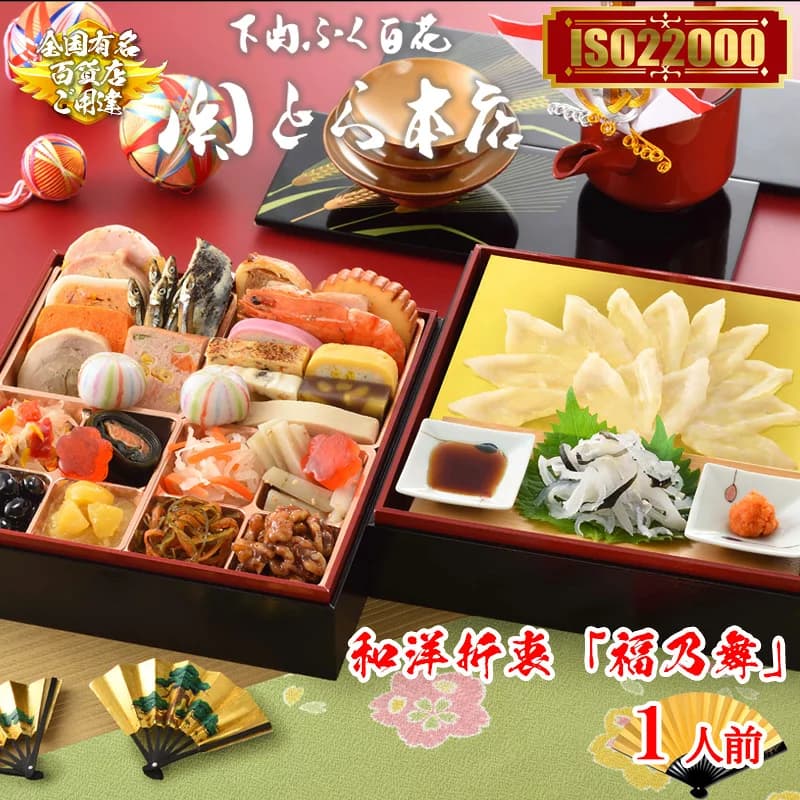
Fuku changes form with the occasion. It may appear as sashimi or tataki for celebrations, as fuku hot pot at winter gatherings, as hire-zake in a cup, or as processed products and restaurant cuts. The city calendar keeps the fish visible by date: the January 4 first auction at Nanpudomari Market, February fuku-day prayers and festival, an April memorial service, a September longline-fishing vessel departure ceremony, and autumn fuku events. Hot-pot servings at the festival, bag-auction activities, manhole covers, and monuments bring the market fish back into public view.
Shimonoseki fuku is best understood through connected places and actions: three nearby waters, a port city, Nanpudomari Market, processors, restaurant kitchens, festival grounds, and home tables. The local name carries the sound of good fortune, but its substance comes from handling a poisonous fish carefully, preparing it in forms such as sashimi, tataki, hot pot, and hire-zake, and meeting it again in auctions, rites, and street markers across Shimonoseki.
Compiled from public records and official sources; see the recognition links below. Details may change over time.
Where this selection is officially registered, designated, or recognized in Japan.
It is written 下関ふく in Japanese. Search Rakuten and other Japanese sites with that spelling — the English name will not return the listings.
Storage varies by product — shelf-stable, refrigerated, or frozen — and is stated on the packaging and the Rakuten listing. Shelf-stable processed foods usually need refrigerating once opened and eating within a few days; chilled and frozen items go straight into storage on arrival. Treat the best-before date on the physical packaging as authoritative.
Shimonoseki fugu is a regional foods from Yamaguchi. We compile its regional connection and characteristics against official registries, local sources, and live Rakuten listings.
Most options are shelf-stable, boxed, and travel well, so they suit gifting or bringing home. Confirm the final storage and delivery terms on the Rakuten listing.
We don't sell directly. This page compiles Rakuten listings and affiliate links; purchase, payment, stock, and delivery all happen on the Rakuten listing.