 3 images
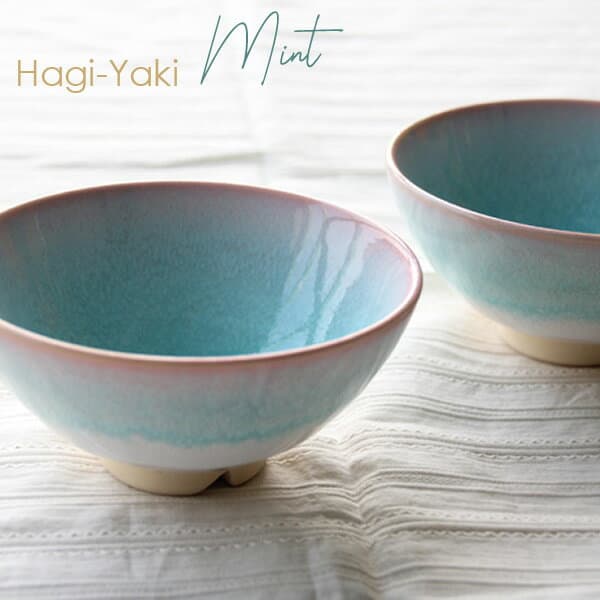
Hagitōen mint Hagi Ware Rice Bowl Pair Set
楽天ランキング受賞! 【当日出荷】 萩陶苑 mint お茶碗 ペア セット 木箱入 萩焼 椿萩窯 青 ギフト プレゼント 結婚祝い 結婚記念日 引越し祝い 初節句 内祝い 新築祝い 誕生日プレゼント 記念品 陶器 父の日 お中元
set of 2, wooden box愛dealギフト-内祝い・引き出物
4.6 / 18 reviews
Japanese name萩焼
In Hagi City, Yamaguchi, Hagi-yaki joins a 1604 kiln beginning, slow climbing-kiln firing, absorbent clay, and vessels from matcha bowls to yunomi and coffee cups.
Information last updated yesterday
3 images楽天ランキング受賞! 【当日出荷】 萩陶苑 mint お茶碗 ペア セット 木箱入 萩焼 椿萩窯 青 ギフト プレゼント 結婚祝い 結婚記念日 引越し祝い 初節句 内祝い 新築祝い 誕生日プレゼント 記念品 陶器 父の日 お中元
set of 2, wooden box愛dealギフト-内祝い・引き出物
4.6 / 18 reviews
 3 images
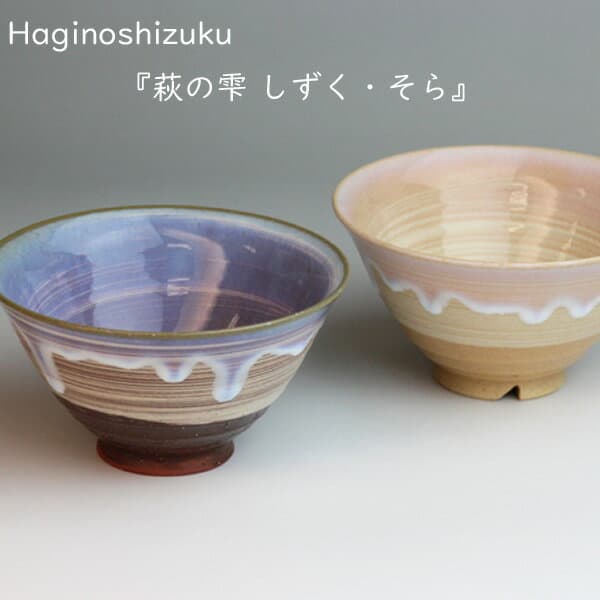
楽天ランキング受賞!【当日出荷】 萩焼 茶碗 萩の雫 しずく そら 飯茶碗 ペア 椿萩窯 青 ピンク ギフト プレゼント
blue and pink pair愛dealギフト-内祝い・引き出物
4.8 / 4 reviews
 3 images
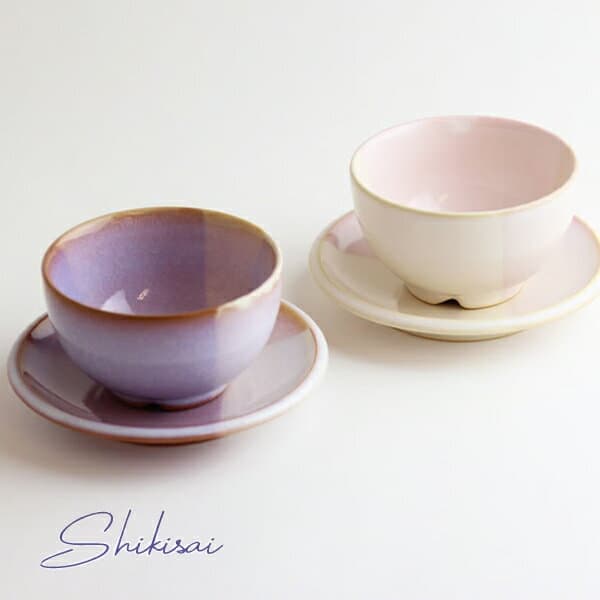
食器 おしゃれ 萩焼 Shikisai まめ碗皿セット (木箱) 和食器 椿萩窯 青 ピンク ギフト プレゼント
wooden box愛dealギフト-内祝い・引き出物
5.0 / 2 reviews
 3 images
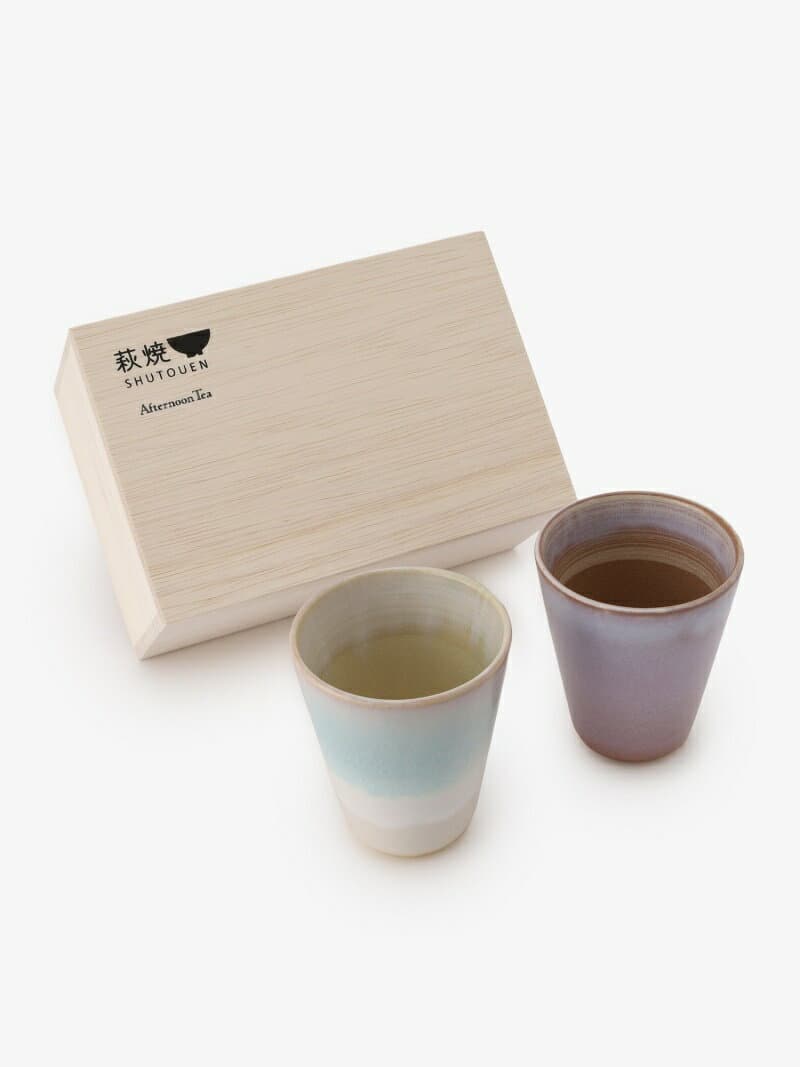
萩焼フリーカップペアセット Afternoon Tea LIVING アフタヌーンティー・リビング 食器・調理器具・キッチン用品 その他の食器・調理器具・キッチン用品 レッド【送料無料】[Rakuten Fashion]
2 cups, redAfternoon Tea LIVING
5.0 / 1 reviews
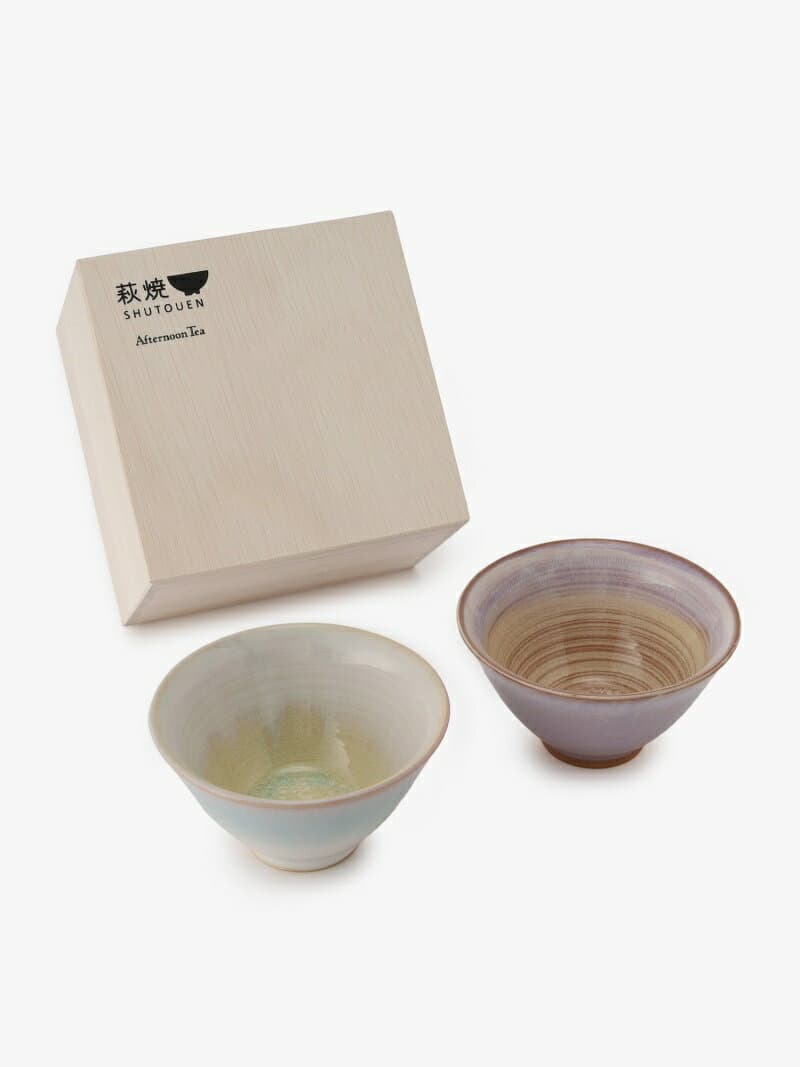 3 images
【SALE/20%OFF】Afternoon Tea LIVING 萩焼飯碗ペアセット アフタヌーンティー・リビング 食器・調理器具・キッチン用品 その他の食器・調理器具・キッチン用品 レッド
red, set of 2Rakuten Fashion
4.8 / 16 reviews
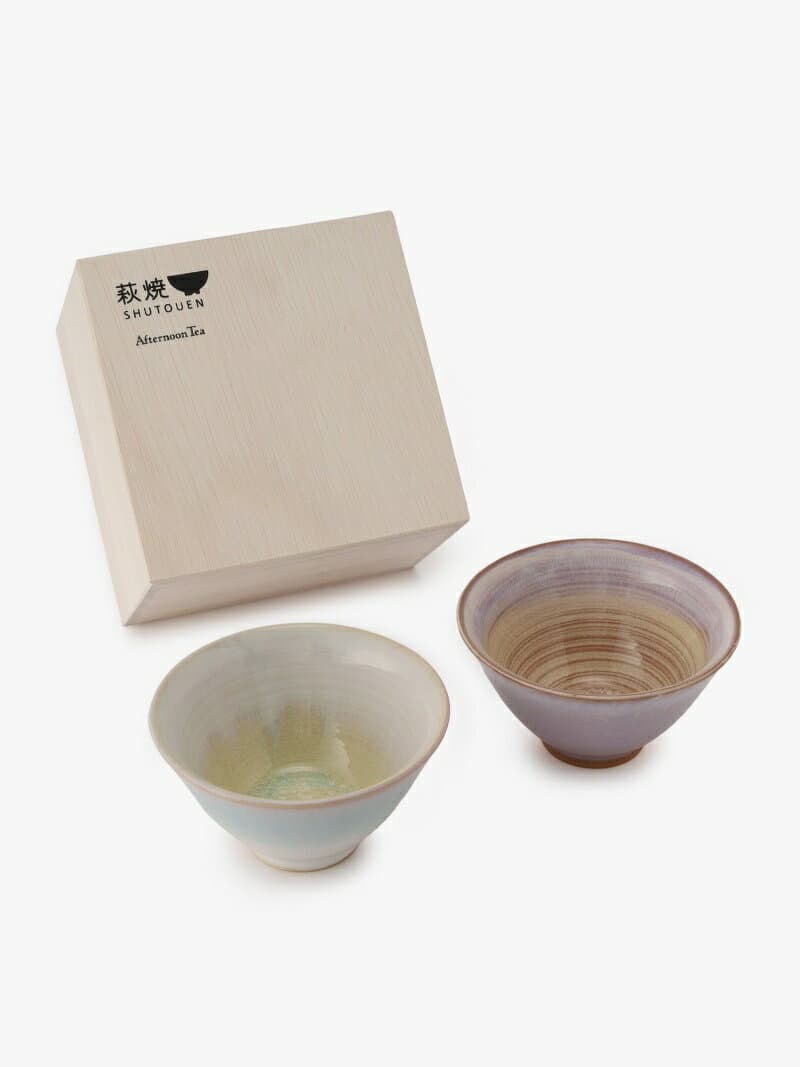 3 images
【SALE/20%OFF】萩焼飯碗ペアセット Afternoon Tea LIVING アフタヌーンティー・リビング 食器・調理器具・キッチン用品 その他の食器・調理器具・キッチン用品 レッド【RBA_E】[Rakuten Fashion]
RedAfternoon Tea LIVING
5.0 / 1 reviews
First time buying on Rakuten? How residents in Japan order →
All 6 listings of this product on Rakuten, lowest price first.
| Listing | Price | Shop | Reviews | Open listing |
|---|---|---|---|---|
Afternoon Tea LIVING Hagi Ware Rice Bowl Pair Set red, set of 2Lowest price | ¥3,599 | Rakuten Fashion | 4.8 / 16 reviews | View on Rakuten → |
Afternoon Tea LIVING Hagi Ware Rice Bowl Pair Set RedLowest price | ¥3,599 | Afternoon Tea LIVING | 5.0 / 1 reviews | View on Rakuten → |
Hagitōen mint Hagi Ware Rice Bowl Pair Set set of 2, wooden boxMost reviewedGift-ready | ¥3,740 | 愛dealギフト-内祝い・引き出物 | 4.6 / 18 reviews | View on Rakuten → |
Hagi Ware Hagino Shizuku Shizuku & Sora Rice Bowl Pair blue and pink pairGift-ready | ¥3,740 | 愛dealギフト-内祝い・引き出物 | 4.8 / 4 reviews | View on Rakuten → |
Hagi Ware Shikisai Mini Bowl and Plate Set wooden boxGift-ready | ¥4,207 | 愛dealギフト-内祝い・引き出物 | 5.0 / 2 reviews | View on Rakuten → |
Afternoon Tea LIVING Hagi Ware Free Cup Pair Set 2 cups, red | ¥4,500 | Afternoon Tea LIVING | 5.0 / 1 reviews | View on Rakuten → |
Japanese · new tab
Hagi-yaki begins with Hagi City in Yamaguchi: kilns across town, a museum near Hagi Castle ruins, and the Yoshika Taibi Memorial Museum in Tsubaki-higashi with old Hagi bowls, kiln shards, and raw clay. The ware’s character can be read in the hand as much as in the eye: soft fired clay, fine surface crazing, and the color and gloss that change after tea has entered the vessel.
In Hagi, the ware sits between castle-town remains, exhibition rooms, and working kilns. The museum near the Hagi Castle ruins entrance displays early works from the Mouri domain kiln period, while the Yoshika Taibi Memorial Museum brings together Yoshika Taibi works, old Hagi bowls, kiln shards, and raw clay. With more than 100 kilns in the city, the place of the ware is visible in clay, old vessels, and present makers.
The beginning is traced to 1604, when Mouri Terumoto entered Hagi and the Korean potter brothers Ri Shakkou and Ri Kei opened kilns. Works from the early Mouri domain kiln period near the castle ruins give that date a physical setting in bowls and vessels tied to a domain kiln.
One practical way to understand Hagi-yaki is through the firing. The clay is fired slowly for a long time at low temperature in climbing kilns, leaving the body less tightly fired, absorbent, and soft in the hand. That moisture-holding quality is why use matters: the vessel remains open enough for tea to enter the fine surface crazing.
Crazing is the small surface crackle through which tea enters a Hagi-yaki vessel. As tea seeps in, the inside and outside gradually change in color and gloss; tea practitioners value this shift as Hagi no nanabake. A carefully used bowl therefore carries a visible trace of repeated tea over time.
The foot ring gives a close way to look at a Hagi-yaki tea bowl. A kodai is the round ring supporting the body and lower curve of the bowl; it may be made as an attached ring or carved from the clay body with a spatula. Hagi-yaki often uses a cut or split foot ring, called kiri-kodai or wari-kodai, so the underside of the bowl becomes part of the form.
Tea bowls shape the image of Hagi-yaki, and the same city also makes daily utensils. Alongside matcha bowls, the named forms include yunomi and coffee cups. The Yoshika Taibi Memorial Museum also shows large vases, water basins, mizusashi, and matcha bowls, so the family is visible through tea practice, flowers, water vessels, and daily drinking.
The present-day maker community is easiest to see in named places and activities. One local cooperative was established in 1998, took its current name in 2012, and had 19 members in April 2025. Its recent activity includes exhibitions, web and social pages, an event at Hagi Meiringakusha, and Hagi-yaki capsule-toy machines placed in the city; these details sit beside the wider picture of more than 100 kilns in Hagi.
Seen this way, Hagi-yaki is a vessel rooted in a specific city, a 1604 kiln beginning, soft clay fired in climbing kilns, and the tea staining called Hagi no nanabake. In a matcha bowl, a yunomi, or a coffee cup, the close details are concrete: absorbent clay, fine crazing, a split foot ring, and a surface that changes as it is used.
Compiled from public records and official sources; see the recognition links below. Details may change over time.
Where this product is officially registered, designated, or recognized in Japan.
Traditional craft
Designated a Traditional Craft (dentō kōgeihin) by Japan's Ministry of Economy, Trade and Industry.
Sources1
It is written as 萩焼 in Japanese. Search Rakuten and other Japanese sites with that spelling — the English name will not bring up the listings.
Hagi ware is ceramic ware centered in Hagi City, Yamaguchi. The beginning of its kilns is traced to 1604, when Mouri Terumoto entered Hagi and Korean potters Ri Shakkou and Ri Kei opened kilns. It is known for matcha bowls and also includes yunomi and coffee cups. Slow low-temperature firing in climbing kilns leaves absorbent clay, so tea enters fine crazing and changes color and gloss in the effect called Hagi no nanabake.
Hagi-yaki tea bowls often use a cut or split foot ring called kiri-kodai or wari-kodai. Low-temperature, long-duration firing in climbing kilns leaves Hagi-yaki clay soft in the hand. The museum near the Hagi Castle ruins entrance displays early works from the Mouri domain kiln period. The Yoshika Taibi Memorial Museum in Tsubaki-higashi, Hagi, presents Yoshika Taibi works, old Hagi bowls, kiln shards, raw clay, and ceramics experiences.
Fine surface crazing can absorb tea during use, gradually changing color and gloss, especially in a carefully used tea bowl. Yunomi and coffee cups are also used as everyday drinkware.
Porous earthenware is usually given a "medome" treatment first — simmer it gently in rice-rinsing water (or water with a little flour), then cool, rinse, and air-dry. This reduces staining and odour absorption. Porcelain normally just needs a wash. Follow the listing where it says otherwise.
Handmade earthenware, pieces with gold or silver overglaze, and lacquerware generally should not go in a dishwasher, microwave, or heated drying cabinet; heat-resistant porcelain usually can. Check the Rakuten listing for the specific piece.
Most options are shelf-stable, boxed, and travel well, so they suit gifting or bringing home. Confirm the final storage and delivery terms on the Rakuten listing.
On Rakuten: the shops listed here right now are 愛dealギフト-内祝い・引き出物, Afternoon Tea LIVING, Rakuten Fashion. We don't sell directly; purchase, payment, stock, and delivery are all handled on the Rakuten product page.