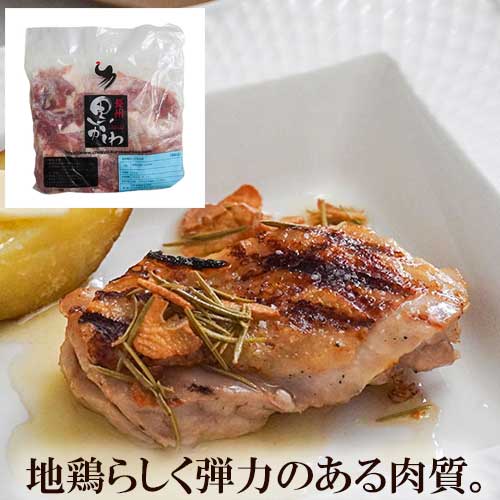
Choshu Kurokashiwa Chicken Set with Nagato Yuzukichi Pepper
【仙崎海産】[長州黒かしわ] 手羽元/むね肉/もも肉 1kg 【長門ゆずきち胡椒付き】 やきとり 山口県 長門市 深川養鶏 オリジナル 地鶏 長州どり 黒柏 黒 かしわ 鶏肉 ステーキ 冷凍 食品 人気 ギフト 手土産 プレゼント 美味しい おすすめ 【公式】
仙崎海産 楽天市場店
5.0 / 1 reviews
Japanese name長州黒かしわ
In Yamaguchi’s Nagato and Mine, Choshu Kurokashiwa takes shape through the Kurokashiwa chicken line, floor rearing, a longer grow-out, local feed ingredients, and clear, lightly sweet fat.
Information last updated 164 days ago
Ordering from abroad works when the recipient has a Japanese address.
1 of the 2 listings below is sold as a gift in the shop's own wording (ギフト, のし対応 …), marked “Gift-ready”.
【仙崎海産】[長州黒かしわ] 手羽元/むね肉/もも肉 1kg 【長門ゆずきち胡椒付き】 やきとり 山口県 長門市 深川養鶏 オリジナル 地鶏 長州どり 黒柏 黒 かしわ 鶏肉 ステーキ 冷凍 食品 人気 ギフト 手土産 プレゼント 美味しい おすすめ 【公式】
仙崎海産 楽天市場店
5.0 / 1 reviews
【地鶏の豊かな噛み応え・ジューシーな肉質】 【冷凍】 長州黒かしわ もも 1kg 山口県産地鶏 | 山口県のブランド鶏 鶏 鶏肉 チキン
タルタルーガ
First time buying on Rakuten? How residents in Japan order →
Choshu Kurokashiwa begins with a precise place: Nagato City and Mine City in Yamaguchi Prefecture, with processing in Higashifukawa, Nagato. The bird’s line runs through the Kurokashiwa chicken, and the chicks used for this jidori come from Yamaguchi Kurodori males crossed with Rhode Island Red females. Its raising conditions are equally concrete: floor rearing, at least 80 days from hatching, and no more than 10 birds per square meter after day 28. On the table, the meat is known for moderate chew, tenderness, clear faintly sweet fat, and deep jidori umami.
The production area for Choshu Kurokashiwa is Nagato City and Mine City in Yamaguchi Prefecture, and processing is placed in Higashifukawa, Nagato. The Nagato area had an older fisheries base, and access to feed materials such as fish meal helped poultry raising take hold there. Chicken became part of home cooking as well as eating out, so the regional food culture around this bird is grounded in fisheries, feed, poultry houses, household kitchens, and restaurant tables around Nagato.
The breeding background starts with the Kurokashiwa chicken, a natural monument. Yamaguchi Prefecture spent 13 years developing Choshu Kurokashiwa, and sales began in the prefecture in 2009. The chicks used for the product come from Yamaguchi Kurodori males crossed with Rhode Island Red females. The wider line also includes named breeds such as Shamo and White Plymouth Rock through the Yamaguchi Kurodori background, giving the meat bird a defined Yamaguchi jidori profile rather than a loose regional label.
The raising conditions give Choshu Kurokashiwa a concrete boundary. The birds are floor-reared throughout the growing period, meaning they can move on the floor or ground surface inside the poultry house. They are raised for at least 80 days from hatching, and after day 28 the density is no more than 10 birds per square meter. The average shipping age is 92.5 days, and the average shipping weight is about 3.10 kilograms.
Feed is part of the flavor profile. Choshu Kurokashiwa uses a self-formulated feed with local feed ingredients making up at least 50 percent of the ration, while the Nagato area’s fish-meal access connects poultry raising to the older fisheries economy. The eating description stays specific: moderate chew with tenderness, clear fat with a faint sweetness, and the rich umami associated with jidori chicken. When the product’s local identity is mentioned, it refers to these concrete links among Nagato feed materials, Yamaguchi husbandry, and the taste of the finished meat.
Choshu Kurokashiwa appears across multiple kitchen formats. The listed forms include eviscerated chicken, boneless meat, liver, gizzard, wing drumettes, wing middles, tenderloin, and carcass. Those parts give cooks different ways to meet the same qualities: carcass and bone-in pieces can carry clear fat into broth, liver and gizzard bring organ texture, and boneless meat and tenderloin show the balance of chew and tenderness directly. The part list supports kitchen range without turning the bird into a recipe claim.
Fukagawa Poultry Agricultural Cooperative stands behind Choshu Kurokashiwa as a named producer organization. In 2010, the Kurokashiwa Jidori Promotion Council was formed by producer groups, the Yamaguchi Poultry Association, and Yamaguchi Prefecture to expand production and demand. Annual shipments began at about 2,000 birds when sales started in 2009 and exceeded 30,000 birds in fiscal 2022. A 2024 Yamaguchi campaign listed 39 handling locations, showing use across local retail, restaurant, lodging, and tourism settings.
Choshu Kurokashiwa is best understood through tangible boundaries: Nagato and Mine as the production area, the Kurokashiwa bloodline, floor rearing, at least 80 days of grow-out, low density after day 28, feed with local ingredients, and clear lightly sweet fat. Its sense of place comes from Nagato’s fisheries and poultry background, Fukagawa Poultry Agricultural Cooperative, the promotion council formed in 2010, household cooking, restaurants, lodging facilities, and a shipment scale that grew from about 2,000 birds in 2009 to more than 30,000 in fiscal 2022.
Compiled from public records and official sources; see the recognition links below. Details may change over time.
Where this product is officially registered, designated, or recognized in Japan.
Regional collective trademark
Registered as a Regional Collective Trademark with the Japan Patent Office.
Sources1
It is written as 長州黒かしわ in Japanese. Search Rakuten and other Japanese sites with that spelling — the English name will not bring up the listings.
Choshu Kurokashiwa chicken is a jidori (regional chicken) raised in Nagato City and Mine City, Yamaguchi Prefecture. Its chicks come from Yamaguchi Kurodori males crossed with Rhode Island Red females, carrying the lineage of the natural monument Kurokashiwa chicken. Birds are floor-reared for at least 80 days, kept at low density after day 28, and shipped at an average age of 92.5 days. The meat is known for moderate chew, tenderness, clear faintly sweet fat, and rich jidori umami.
Processing for Choshu Kurokashiwa is located in Higashifukawa, Nagato City. Choshu Kurokashiwa was developed over 13 years using the Kurokashiwa chicken line, and sales in Yamaguchi Prefecture began in 2009. Choshu Kurokashiwa uses self-formulated feed with at least 50 percent local feed ingredients. The average shipping weight is about 3.10 kilograms.
Around Nagato, chicken raising developed alongside fisheries and access to feed materials such as fish meal, and the chicken became established in home cooking and eating out. It is used as a tourism resource and valued by distributors, restaurants, and lodging facilities for its eating quality. Shipment forms include eviscerated whole chicken, boneless meat, liver, gizzard, wing parts, tenderloin, and bone-in cuts, mainly shipped to Yamaguchi and the Kanto region.
Storage varies by product — shelf-stable, refrigerated, or frozen — and is stated on the packaging and the Rakuten listing. Shelf-stable processed foods usually need refrigerating once opened and eating within a few days; chilled and frozen items go straight into storage on arrival. Treat the best-before date on the physical packaging as authoritative.
Many countries restrict bringing in this kind of food, so check your destination's rules before you pack it, or enjoy it in Japan.
On Rakuten: the shops listed here right now are 仙崎海産 楽天市場店, タルタルーガ. We don't sell directly; purchase, payment, stock, and delivery are all handled on the Rakuten product page.