 2 images
Hiroshima Needle Kagayaki Glass Head Pins
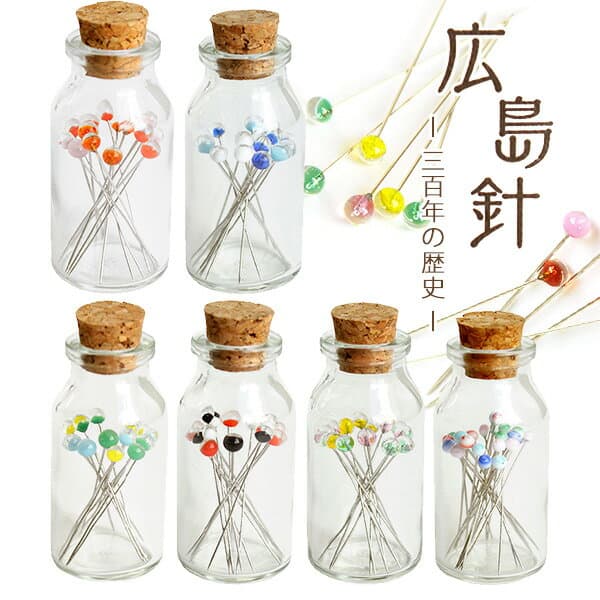
広島針 ガラス待ち針 - 輝 - ガラスビン入り 15本入 MR60-MR65| つくる楽しみ まち針
15 pins in glass bottle手芸材料の専門店 つくる楽しみ
4.8 / 14 reviews
Japanese name広島針
Hiroshima Hari links Kake’s sand iron, river transport, city workshops, heat treatment, grinding, and forming to the feel of a needle passing through cloth.
Information last updated 119 days ago
2 images広島針 ガラス待ち針 - 輝 - ガラスビン入り 15本入 MR60-MR65| つくる楽しみ まち針
15 pins in glass bottle手芸材料の専門店 つくる楽しみ
4.8 / 14 reviews
 2 images
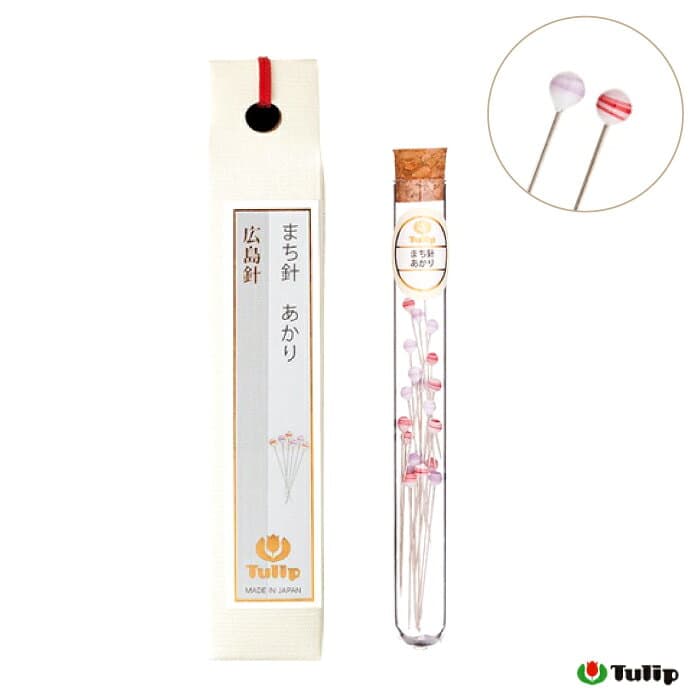
●Tulipチューリップ『まち針(あかり) 』針ものがたり ガラス玉待ち針 待針 広島針 灯り THN-098 (メール便可)
0.50 x 35.0 mm, 20 pins手芸倶楽部
5.0 / 1 reviews
 2 images
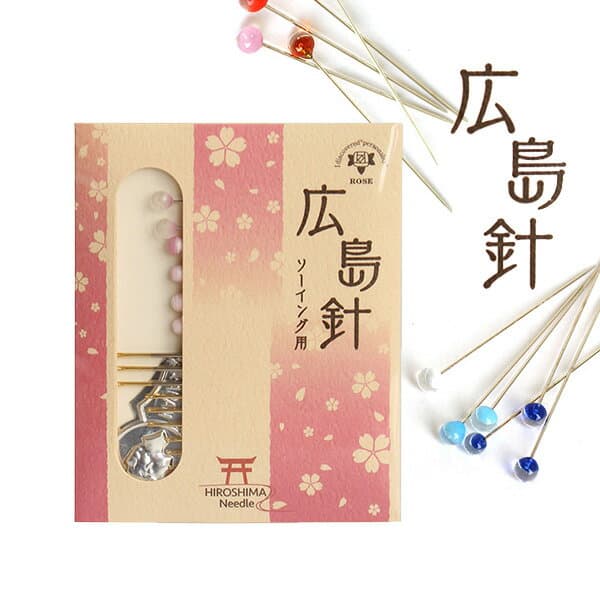
広島針 ニードルセット ソーイング用 縫い針9本、待ち針6本、スレダー(糸通し)1枚入 MR56 まち針 針 広島針 瓶入り針 ニードルセット 針セット クロスステッチ 縫い針 待ち針 スレダー 手縫い針 手縫い
9 needles, 6 pins, 1 threader手芸材料の専門店 つくる楽しみ
5.0 / 2 reviews
First time buying on Rakuten? How residents in Japan order →
Hiroshima needles begin upstream from Hiroshima Bay, around Kake on the Ota River. In the Edo period, Kake was tied to sand iron and tatara ironmaking; iron moved down the river to present-day Hiroshima City, where it was worked into needles. More than 300 years ago, the Asano family spread needle making as handwork for lower-ranking samurai. Later improvements in quality and production efficiency turned hand-sewing needles, pins, and related needle products into a Hiroshima industry that can still be felt in the small movement of cloth and thread.
Compiled from public records and official sources; see the recognition links below. Details may change over time.
Where this product is officially registered, designated, or recognized in Japan.
Regional collective trademark
Registered as a Regional Collective Trademark with the Japan Patent Office.
Sources1
It is written as 広島針 in Japanese. Search Rakuten and other Japanese sites with that spelling — the English name will not bring up the listings.
Hiroshima Hari is a Hiroshima needle product family centered on hand-sewing needles, pins, and related needles, with Hiroshima City as the main production area. Its place history connects Kake, about 50 kilometers upstream on the Ota River, to sand iron, tatara ironmaking, river transport, and needle processing in present-day Hiroshima City. Iron, steel, stainless, and brass wire are heat-treated, ground, and formed to create needles that resist bending and breaking, retain elasticity, and pass smoothly through cloth.
Hiroshima needle making is traced back more than 300 years to the Asano family spreading it as handwork for lower-ranking samurai. Hiroshima accounts for more than 90 percent of Japan's domestic production of hand-sewing needles and pins. Heat treatment gives needles hardness while preserving necessary flexibility, and grinding and forming affect how smoothly thread and cloth move. The Hiroshima Prefecture Needle Industry Cooperative is connected to Hiroshima Hari's history, current position, global context, and future activities.
Hand-sewing needles are used for hand stitching on cloth, where smooth passage through fabric, elasticity, and resistance to bending or breaking support repeated stitching. Pins are used to position and hold fabric in place during sewing preparation. The wider Hiroshima needle industry also produces needles for household sewing machines.
Keep wood, bamboo, and lacquer out of prolonged soaking, dishwashers, and direct sun — wipe dry after use and let them air out in the shade. For metal and fabric goods, follow the care notes on the listing.
Most options are shelf-stable, boxed, and travel well, so they suit gifting or bringing home. Confirm the final storage and delivery terms on the Rakuten listing.
On Rakuten: the shops listed here right now are 手芸材料の専門店 つくる楽しみ, 手芸倶楽部. We don't sell directly; purchase, payment, stock, and delivery are all handled on the Rakuten product page.