 3 images
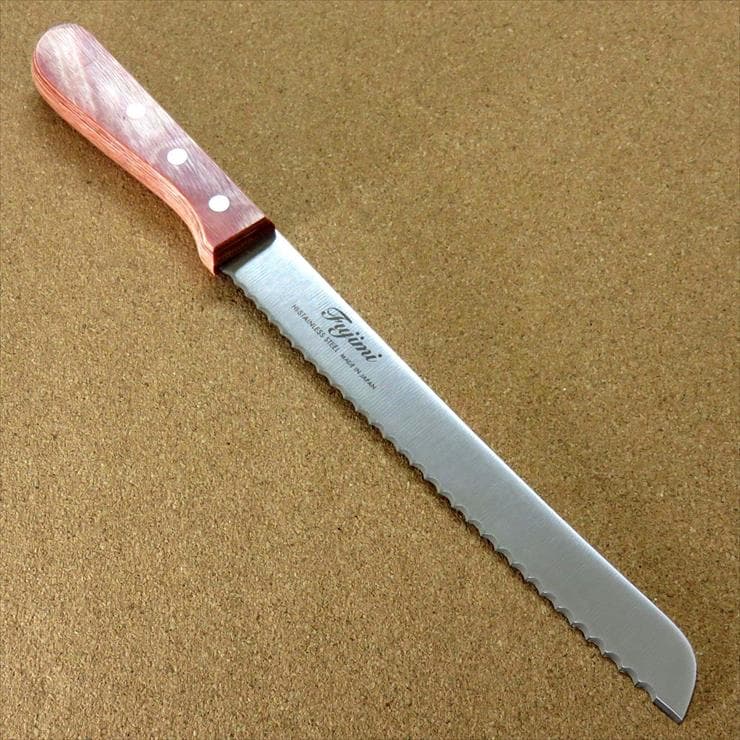
Seki Cutlery Fujimi Bread Knife
関の刃物 パン切り包丁 20.5cm (205mm) Fujimi 420J2 ステンレススチール 赤合板ハンドル 柔らかいパンを切りやすいように波形の刃 切断面近くの組織をつぶさないように刃厚が薄く幅が狭い片刃包丁 食パン フランスパン ケーキなどに最適 右利き用 国産日本製
20.5cm blade, right-handed関の刃物専門店SKKカトラリー
4.8 / 188 reviews
Japanese name関の刃物
In Gifu's Seki City, kitchen knives, scissors, knives and kitchen tools carry a line from Kamakura-period swordsmith Motoshige to sharpening work on Heiwadori.
Information last updated 120 days ago
3 images関の刃物 パン切り包丁 20.5cm (205mm) Fujimi 420J2 ステンレススチール 赤合板ハンドル 柔らかいパンを切りやすいように波形の刃 切断面近くの組織をつぶさないように刃厚が薄く幅が狭い片刃包丁 食パン フランスパン ケーキなどに最適 右利き用 国産日本製
20.5cm blade, right-handed関の刃物専門店SKKカトラリー
4.8 / 188 reviews
 3 images
【ポイント10倍】 関の刃物 包丁セット 日本製 三徳包丁 17cm + ペティナイフ 13cm オールステンレス 軽量 食洗機対応 国産 ギフト
Santoku 17 cm + petty knife 13 cmせきのはもの
4.7 / 219 reviews
 3 images
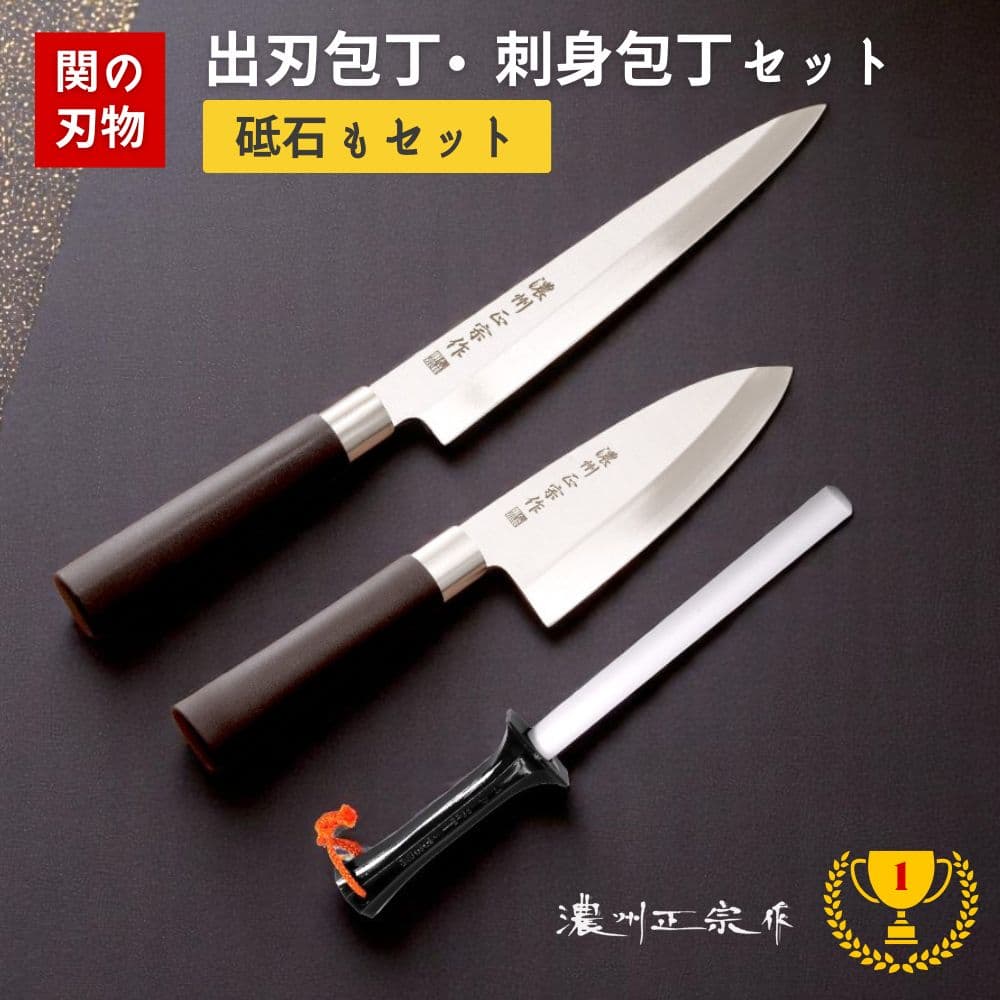
【レビュー記入で骨抜きプレゼント!】出刃包丁 刺身包丁 砥石 セット|濃州正宗作 関の刃物 日本製 和包丁 3点 包丁セット 初心者 ~ プロ対応 魚料理 釣り 刺身 に最適!ギフトにも 魚釣り 魚 さばく 柳刃包丁 ステンレス 砥石 PP柄 母の日 プレゼント
3-piece set with sharpening rodザッカジンCHIRASHIYA.SHOP
4.6 / 350 reviews
First time buying on Rakuten? How residents in Japan order →
Seki City in Gifu sits near the middle reaches of the Nagara River. Blade-making here is traced to Motoshige, a swordsmith who moved to Seki in the Kamakura period, and today's Seki cutlery spans kitchen knives, knives, scissors, kitchen tools and beauty tools. At Gifu Seki Cutlery Hall, 4-12-6 Heiwadori gathers blade products from more than 70 makers, about 2,000 items in one place, with sharpening work close enough for visitors to see and try.
Seki stands in central Japan near the middle Nagara River, a place described through cormorant fishing, clear water and blade production. The Heiwadori address of Gifu Seki Cutlery Hall gives the district a concrete public room: on the same grounds as Seki Terrace, the hall brings kitchen knives, knives and scissors into view within the city that names them.
The local blade line begins with the swordsmith Motoshige moving to Seki in the Kamakura period. Later names such as Magoroku Kanemoto and Izuminokami Kanesada appear in that lineage, and the town is said to have had about 300 swordsmiths at its height; the 800-year span gives modern kitchen knives a place beside the older sword craft.
Seki cutlery now covers a broad family of working edges: kitchen knives for cooking, knives, scissors, kitchen tools, beauty tools and other blade products. The roughly 2,000 items gathered from more than 70 makers at the hall make that breadth visible in one place, from the kitchen counter to cutting tasks and beauty tools.
The hall has a sharpening workshop where kitchen-knife sharpening can be experienced and where craftspeople re-sharpen kitchen knives and other blades. Sharpening keeps the product family tied to use: an everyday knife changes through dulling, handling and re-edging, and the Seki setting lets that maintenance sit beside the finished blades.
Modern Seki blades are described through sword-derived skill joined with precision processing. A related industrial group in Seki has 16 member companies, with work in blade manufacturing, heat treatment, plating, metal products, wood products and plastic molding; the edge on a kitchen knife or scissors sits inside that wider making network.
Seki's blade-product wholesalers also form part of the family. The Seki cutlery cooperative is organized by wholesalers handling blade products, with members at city addresses such as Nishimonzen-cho, Ippongi-cho, Kotobuki-cho and Oze, and its work promotes Seki cutlery through local business activity.
Seen from Seki City, the product family widens from one blade on a counter to the Nagara River setting, Kamakura-period swordsmith names, Heiwadori sharpening, and the 16-company manufacturing cluster. A Seki kitchen knife or pair of scissors carries that local map in a form made for everyday hands.
Compiled from public records and official sources; see the recognition links below. Details may change over time.
Where this product is officially registered, designated, or recognized in Japan.
Regional collective trademark
Registered as a Regional Collective Trademark with the Japan Patent Office.
Sources1
It is written as 関の刃物 in Japanese. Search Rakuten and other Japanese sites with that spelling — the English name will not bring up the listings.
Seki blades are a blade-goods family from Seki City, Gifu, spanning kitchen knives, knives, scissors, kitchen tools and beauty tools. Seki lies near the middle Nagara River, and its blade line is traced to Kamakura-period swordsmith Motoshige. Gifu Seki Cutlery Hall at 4-12-6 Heiwadori gathers products from more than 70 makers, about 2,000 items, and includes a sharpening workshop and hands-on kitchen-knife sharpening.
Seki City is located near the middle reaches of the Nagara River and is described as a blade-producing district. Seki blade-making is traced to the Kamakura-period swordsmith Motoshige moving to Seki. Gifu Seki Cutlery Hall is at 4-12-6 Heiwadori, Seki, and gathers products from more than 70 makers, about 2,000 items. The hall has a sharpening workshop with hands-on kitchen-knife sharpening and craftsperson re-sharpening.
Kitchen knives and kitchen tools are used for daily cooking; blades are chosen by intended use. Gifu Seki Cutlery Hall offers a sharpening workshop, hands-on kitchen-knife sharpening, and paid blade re-sharpening.
Keep wood, bamboo, and lacquer out of prolonged soaking, dishwashers, and direct sun — wipe dry after use and let them air out in the shade. For metal and fabric goods, follow the care notes on the listing.
Most options are shelf-stable, boxed, and travel well, so they suit gifting or bringing home. Confirm the final storage and delivery terms on the Rakuten listing.
On Rakuten: the shops listed here right now are 関の刃物専門店SKKカトラリー, せきのはもの, ザッカジンCHIRASHIYA.SHOP. We don't sell directly; purchase, payment, stock, and delivery are all handled on the Rakuten product page.