 3 images
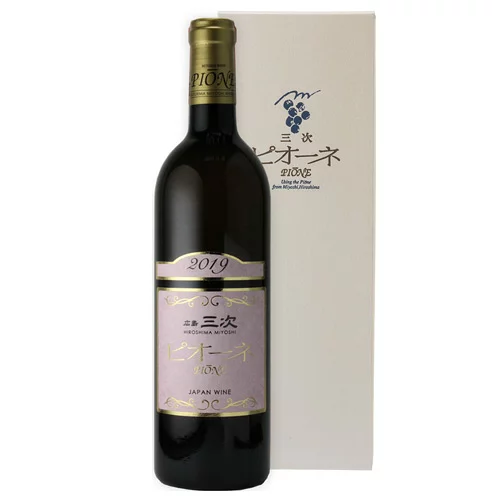
Miyoshi Winery Miyoshi Pione Rosé Wine
三次ピオーネ ロゼワイン 750ml 三次ワイナリー 三次ワイン ワイン 甘口 広島 御祝 御礼 母の日 父の日 御中元 御歳暮 御年賀 内祝 出産内祝 誕生日祝 結婚祝 退職祝 卒業祝 還暦祝 古希祝 傘寿祝 喜寿祝 米寿祝 開店祝 新築祝 快気祝 感謝 贈り物 プレゼント 人気 寿 壽
750ml, sweet広島お酒スタイルplus
5.0 / 1 reviews
Japanese name三次ピオーネ
In Hiroshima’s Miyoshi basin, three rivers, hillside vineyards, and hand-thinned clusters shape a dark Pione grape known for large berries, juice, sweetness, and clean acidity.
Information last updated 7 days ago
3 images三次ピオーネ ロゼワイン 750ml 三次ワイナリー 三次ワイン ワイン 甘口 広島 御祝 御礼 母の日 父の日 御中元 御歳暮 御年賀 内祝 出産内祝 誕生日祝 結婚祝 退職祝 卒業祝 還暦祝 古希祝 傘寿祝 喜寿祝 米寿祝 開店祝 新築祝 快気祝 感謝 贈り物 プレゼント 人気 寿 壽
750ml, sweet広島お酒スタイルplus
5.0 / 1 reviews
First time buying on Rakuten? How residents in Japan order →
Miyoshi Pione belongs to Hiroshima’s inland north, where the Gonokawa, Basen, and Saijo rivers meet inside the Miyoshi basin. Vineyards spread over hills about 320 meters above the basin, and the fog-making swing between day and night temperatures is linked to darker color and higher sweetness during the grape’s coloring stage. The name points to Pione grapes from Miyoshi, while each bunch is shaped through pruning, branch work, cluster trimming, berry thinning, and sorting.
Miyoshi sits in the mid-north of Hiroshima Prefecture, in an inland basin formed around the Gonokawa, Basen, and Saijo rivers. The area is known for fog, and local accounts connect the day-night temperature gap that creates that fog with Pione grapes that color deeply, build sugar, and grow large during the coloring stage. From vineyards about 320 meters above the basin, the landscape becomes part of the fruit’s working conditions: river valley, cool nights, warm days, and darkening skins.
Miyoshi Pione is a Pione grape descended from Cannon Hall Muscat and Kyoho. The deep black berries are called black pearls, and strong clusters are valued for large berries, dense color, weight in the hand, and evenness from berry to berry. The dark appearance comes from more than a name: it gathers the variety’s parentage, Miyoshi’s coloring-stage temperature gap, and the producer’s close attention to the finished cluster.
A single cluster can begin with about 100 berries before growers thin it by hand to around 30. That work sits alongside pruning, branch positioning, and cluster trimming, all of which affect the final shape. Producers look for an even, clean inverted-triangle cluster, then harvested grapes are sorted into four grades by color, size, and shape. The finished bunch carries many small decisions that the eater sees as color, fullness, and balance.
The Miyoshi Pione Production Association began in July 1974 with 24 farm households, with its home in Higashisakeyamachi, Miyoshi. In a later producer exchange, members described the beginning as forest clearing, soil preparation, and the making of fields for Pione. At the time, Pione was still a new grape with low name recognition, so producers introduced it through tasting efforts at department stores. The continuity here is concrete: hillside land opened for vineyards, soil prepared for vines, and producers improving cultivation while building a place for the grape in Hiroshima food life.
Miyoshi Pione is described through large dark berries, abundant juice, refined sweetness, and refreshing acidity. A 2021 university field-exchange project put the grape into sweets development, noting black large berries with sugar around 18 degrees and connecting the fruit to local ingredient education. Fresh, the grape is carried by juice and sweet-acid balance; in sweets, its color, size, and clean sweetness become working material for recipe ideas.
The name Miyoshi Pione is tied to Pione grapes produced in Miyoshi, Hiroshima, and to producers under the Miyoshi Pione Production Association. For readers, that boundary matters because it gathers visible facts into one name: the foggy basin, the Pione variety, hand thinning from many berries to a balanced cluster, and sorting by color, size, and shape. The regional name stays meaningful when place, producer work, and the finished bunch remain connected.
Miyoshi Pione’s dark berries begin with the Miyoshi basin, its three rivers, fog, and hillside vineyards about 320 meters above the valley floor. They are finished through pruning, trimming, hand thinning, and grading, until a cluster of about 30 berries holds the variety’s Muscat and Kyoho background together with the work of producers who have built the fields and the name since 1974.
Compiled from public records and official sources; see the recognition links below. Details may change over time.
Where this product is officially registered, designated, or recognized in Japan.
Regional collective trademark
Registered as a Regional Collective Trademark with the Japan Patent Office.
Sources1
It is written as 三次ピオーネ in Japanese. Search Rakuten and other Japanese sites with that spelling — the English name will not bring up the listings.
Miyoshi Pione grapes are Pione grapes from Miyoshi, Hiroshima, an inland basin where the Gonokawa, Basen, and Saijo rivers meet. Hillside vineyards about 320 meters above the basin, fog, and wide day-night temperature gaps are linked to deep color, high sweetness, and large berries. The Miyoshi Pione Production Association began in July 1974 with 24 farm households.
Pione descends from Cannon Hall Muscat and Kyoho, and Miyoshi Pione is described as large dark berries called black pearls. A Pione cluster can be hand-thinned from about 100 berries to around 30, and harvested grapes are sorted into four grades by color, size, and shape. Miyoshi Pione is described as juicy, refined in sweetness, and refreshing in acidity; a university project noted sugar around 18 degrees and used the grape for sweets development. The name is tied to producers under the Miyoshi Pione Production Association.
It is eaten as fresh fruit, with large dark berries, abundant juice, sweetness, and clean acidity. It is used as Hiroshima gift fruit, with attention to appearance, weight, and berry uniformity. A Fukuyama University life-nutrition project used Miyoshi Pione for sweets recipe development after meeting producers and touring the fields.
Storage varies by product — shelf-stable, refrigerated, or frozen — and is stated on the packaging and the Rakuten listing. Shelf-stable processed foods usually need refrigerating once opened and eating within a few days; chilled and frozen items go straight into storage on arrival. Treat the best-before date on the physical packaging as authoritative.
Most options are shelf-stable, boxed, and travel well, so they suit gifting or bringing home. Confirm the final storage and delivery terms on the Rakuten listing.
On Rakuten: the shops listed here right now are 広島お酒スタイルplus. We don't sell directly; purchase, payment, stock, and delivery are all handled on the Rakuten product page.