 3 images
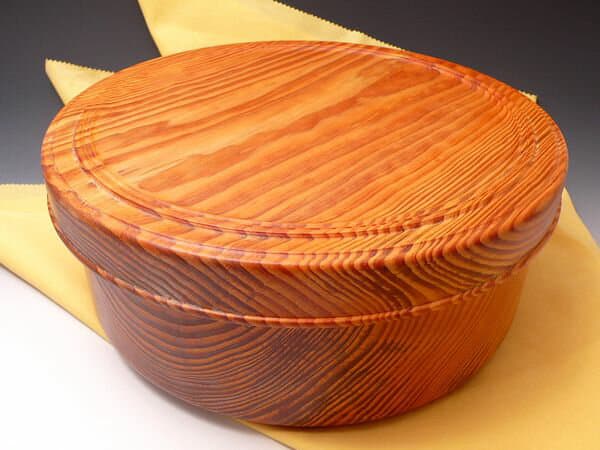
Miyajima Zaiku Himatsu Red Pine Wooden Tea Chest
宮島細工 肥松 木製 茶櫃 尺一 赤松無垢 木地 透ける美の器 一枚板 クリヌキ
uncoated solid wood, 34 cm diameter卯るし庵
Japanese name宮島細工
On Miyajima in Hatsukaichi, Hiroshima, Miyajima Zaiku turns woods such as mulberry, zelkova, horse chestnut, and cherry into rice paddles, turned vessels, hollowed forms, and carved surfaces. Its shape comes from island workshops, shrine visitors, and the feel of natural wood.
Information last updated 120 days ago
3 images宮島細工 肥松 木製 茶櫃 尺一 赤松無垢 木地 透ける美の器 一枚板 クリヌキ
uncoated solid wood, 34 cm diameter卯るし庵
 3 images
寄木細工 木製 鯉のぼり こどもの日 こいのぼり 端午の節句 置物 インテリア 宮島細工 日本製 自然素材 FROM HATSUKAICHI ひのき ハンドメイド フロム廿日市 ギフトボックス Lulumina ルルミイナ 天然木 無垢材
approx. 24 cm, gift boxベビー&雑貨 Lulumina
First time buying on Rakuten? How residents in Japan order →
Miyajima Zaiku is a family of wooden craftwork made on Miyajima in Hatsukaichi, Hiroshima. Its main forms include Miyajima shakushi rice paddles, lathe-turned work, hollowed work, and Miyajima carving. The family is broad, but its outline is concrete: rice paddles, trays, confectionery vessels, bowls, tea-container pieces, and carved objects made from woods whose grain, color, and touch remain visible. Behind those objects are the forests of the Chugoku Mountains, Hatsukaichi’s role as a place where wood gathered, and the movement of visitors around Itsukushima Shrine.
The place matters from the first cut. Miyajima Zaiku belongs to Miyajima in Hatsukaichi, Hiroshima, while the wider material setting reaches into the forest resources of the Chugoku Mountains. Hatsukaichi’s position as a wood-gathering area made materials easier to obtain, giving island makers a practical base for paddles, turned pieces, hollowed forms, and carved work. The craft also carries a woodworking background linked to shrine and temple construction. Carpenters and joiners from places such as Kamakura and Kyoto were invited for religious building work, and later Miyajima woodwork is described as following that line of skill. Here, tradition means a specific chain of timber access, temple and shrine building techniques, and workshop practice on Miyajima rather than a vague claim about the past.
Miyajima Zaiku is best understood as a group of wooden objects. Hiroshima Prefecture lists shakushi rice paddles, lathe work, hollowed work, and carving among its main products. Hatsukaichi City names Miyajima shakushi, rokuro lathe work, and Miyajima carving as representative forms. Each name points to a different way of shaping wood: a paddle for handling rice, a turning lathe for round vessels, hollowing for scooped interiors, and carving for lines, relief, and recessed designs. By the late Edo period, these objects were being made for everyday life. The lathe-work side includes trays, confectionery vessels, confectionery bowls, and tea-container pieces, so the craft’s scale runs from kitchen use to tea and sweets service. Its identity comes from these named forms, not from a single object standing for the whole family.
The woods named for Miyajima Zaiku include mulberry, zelkova, horse chestnut, cherry, and pine. Many pieces are finished in a way that keeps the natural character of the wood visible. In practical terms, the user sees grain and color, feels the texture under the hand, and can read the carved or turned surface as wood rather than as a covered material. That material choice shapes the craft’s visual language. A tray, tea-container piece, or carved paddle does not erase the differences among mulberry, zelkova, horse chestnut, and cherry; the form works with grain, color tone, and touch. When speaking of the craft’s local character, the concrete basis is this combination of Miyajima and Hatsukaichi wood access, named materials, and finishes that leave the wood surface active.
Miyajima’s visitor traffic gave the craft another setting beyond the workshop. Hatsukaichi City connects the rise of Miyajima Zaiku to the late Edo period and describes ties among woodcutters, makers, and people visiting the shrine. Rice paddles and trays could work as daily tools, while also becoming wooden objects that visitors carried away from the island. The Miyajima shakushi line is also linked in local accounts to Seishin around 1800. That detail is best held as part of the regional telling around the paddle; the sturdier object-level point is that rice paddles, trays, and related wooden goods were made repeatedly in the late Edo context of daily use and shrine visitation.
Miyajima carving gives the island a visible surface. Common motifs include scenery of Itsukushima Shrine, deer, birds, and flowers. The carving methods include relief carving, sunken carving, and line carving, so an image can rise from the surface, sink into it, or be held by incised lines. On a tray, confectionery vessel, or paddle, those motifs turn place into a usable wooden surface. The carved shrine scene or deer does not float apart from the material: it sits on woods such as mulberry, zelkova, horse chestnut, and cherry, where grain and carved line are seen together. That is the concrete craft culture of Miyajima carving: island motifs, named woods, and hand-cut surfaces joined in daily objects.
Miyajima Zaiku still has named places where the craft is gathered and taught. The Miyajima Zaiku Cooperative Association is based inside the Miyajima Traditional Industry Hall in Miyajima-cho, Hatsukaichi. The association presents Miyajima carving experiences, shakushi-making experiences, works, and traditional craftspersons, while the city has a successor-training recruitment page connected to Miyajima carving. Those details keep the present tense concrete. Continuity can be seen through the hall address in Miyajima-cho, the cooperative, hands-on carving and paddle-making programs, city training for successors, and currently listed traditional craftspersons. The craft remains a set of objects, skills, and people attached to Miyajima rather than an abstract memory of woodwork.
Miyajima Zaiku is strongest when approached through its objects: a rice paddle, a turned tray, a hollowed vessel, a carved deer or shrine scene, a wood surface left open to grain and touch. Its setting in Miyajima and Hatsukaichi, the timber background of the Chugoku Mountains, late Edo production for daily use and visitors, and today’s cooperative and training programs all give the craft a grounded shape. The result is a regional woodwork family where place, material, hand technique, and use remain visible in the finished object.
Compiled from public records and official sources; see the recognition links below. Details may change over time.
Where this product is officially registered, designated, or recognized in Japan.
Traditional craft
Designated a Traditional Craft (dentō kōgeihin) by Japan's Ministry of Economy, Trade and Industry.
Sources1
It is written as 宮島細工 in Japanese. Search Rakuten and other Japanese sites with that spelling — the English name will not bring up the listings.
Miyajima woodcraft (Miyajima Zaiku) is the collective term for wooden craft made on Miyajima in Hatsukaichi, Hiroshima. Representative forms include Miyajima shakushi rice paddles, lathe-turned work, hollowed work, and Miyajima carving. The craft draws on Chugoku Mountain forest resources, Hatsukaichi's role in gathering wood, and shrine and temple building skills, with everyday wooden goods already made by the late Edo period. Finishes emphasize wood grain, color, and touch, using woods such as mulberry, zelkova, horse chestnut, and cherry.
Miyajima carving motifs include Itsukushima Shrine scenery, deer, birds, and flowers, using relief, sunken, and line carving techniques. The Miyajima Zaiku Cooperative Association is located inside the Miyajima Traditional Industry Hall in Miyajima-cho, Hatsukaichi. Hatsukaichi City has a successor-training recruitment page connected to Miyajima Zaiku and Miyajima carving. Miyajima lathe work is used to make trays, confectionery vessels, confectionery bowls, and tea containers.
Trays, confectionery vessels, confectionery bowls, and tea containers made by Miyajima lathe work are used for everyday wooden goods. Paddles and trays have been sold as souvenirs to shrine visitors, with motifs often reflecting that demand. Visitors can try Miyajima carving and shakushi-making experiences at the Miyajima Traditional Industry Hall.
Keep craft pieces out of direct sunlight, damp, and sharp temperature swings, and store them where they won't knock against anything. Wood, bamboo, lacquer, and paper don't tolerate water — wipe any moisture off immediately. Specific care notes are on the listing.
Most options are shelf-stable, boxed, and travel well, so they suit gifting or bringing home. Confirm the final storage and delivery terms on the Rakuten listing.
On Rakuten: the shops listed here right now are 卯るし庵, ベビー&雑貨 Lulumina. We don't sell directly; purchase, payment, stock, and delivery are all handled on the Rakuten product page.