 3 images
Ibuki Iriko Dried Anchovies from Ibuki Island, Kagawa
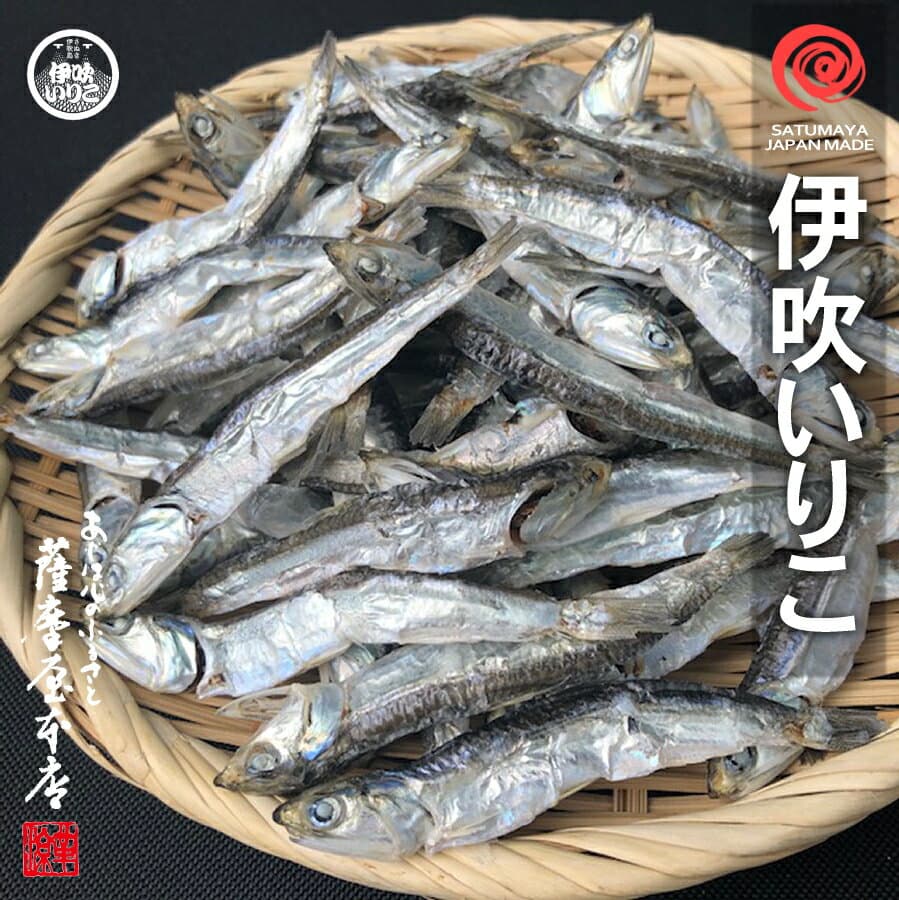
伊吹いりこ 500g 大羽〜中羽 香川県伊吹島産100% 煮干し にぼし 酸化防止剤不使用 無添加 地域団体商標登録 第5441187号 観音寺 銀付
500g, large to medium size国産乾物問屋 「薩摩屋本店」
4.8 / 26 reviews
Japanese name伊吹いりこ
Off Ibuki Island in Kan-onji, katakuchi iwashi move quickly from nearby waters to island processing, becoming the ooba, chuba, koba, and kaeri sizes of Ibuki iriko.
Information last updated 120 days ago
3 images伊吹いりこ 500g 大羽〜中羽 香川県伊吹島産100% 煮干し にぼし 酸化防止剤不使用 無添加 地域団体商標登録 第5441187号 観音寺 銀付
500g, large to medium size国産乾物問屋 「薩摩屋本店」
4.8 / 26 reviews
 2 images
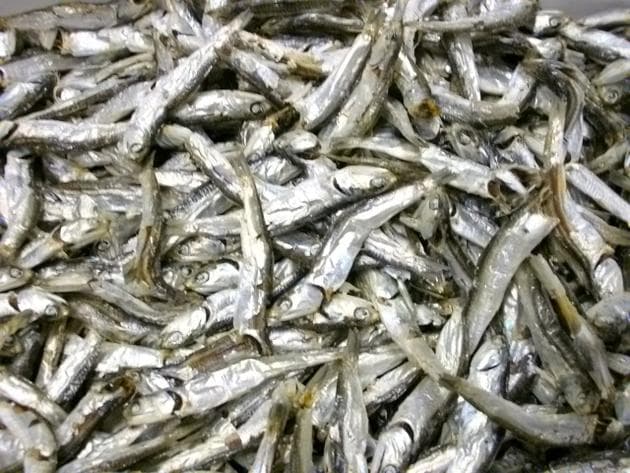
2024年物 香川伊吹いりこ 煮干 大羽いりこ2キロ入り(1kg×2)香川県産お徳用いりこ【送料無料】【smtb-MS】
2 kg (1 kg x 2)ありあけ浪漫工房 うちの海産
4.4 / 38 reviews
3 images伊吹いりこ 1kg 大羽〜中羽 香川県伊吹島産100% 煮干し にぼし 酸化防止剤不使用 無添加 地域団体商標登録 第5441187号 観音寺 銀付
1kg, large to medium国産乾物問屋 「薩摩屋本店」
4.8 / 18 reviews
First time buying on Rakuten? How residents in Japan order →
Ibuki iriko begins with katakuchi iwashi from waters off Ibuki Island in Kan-onji, Kagawa. The fishing grounds sit close to the island processing sites, so the catch moves quickly from boat to salting, boiling, drying, and sorting. The finished anchovies carry size names such as ooba, chuba, koba, and kaeri, and they appear in Sanuki udon broth, iriko rice, tempura, and warmed sake steeped with roasted iriko.
Ibuki iriko is made from katakuchi iwashi caught off Ibuki Island and processed on the island into dried anchovies. The name covers several sizes in one family: ooba, chuba, koba, and kaeri.
The island belongs to Kan-onji in Kagawa Prefecture, and the place matters through a simple physical route. The fishing grounds and processing sites are close together, so landed fish can move quickly from the boat toward island workrooms, giving the product a boundary readers can picture in water, docks, and drying work.
The defining work behind Ibuki iriko is the tight span between fishing and processing. Fishing operators handle the chain from catch through processing, keeping the fish connected to the people and equipment that turn katakuchi iwashi into iriko.
Iriko itself is made by boiling katakuchi iwashi in salt water and drying it. Ibuki iriko is also presented as using no food additives; together with the nearby fishing grounds and island processing, that detail helps set the product apart in practical kitchen terms.
The four size names give cooks a concrete way to understand Ibuki iriko. Ooba, chuba, koba, and kaeri all come from katakuchi iwashi, but the sorted sizes let the finished anchovies be recognized by their bodies as well as by their island name.
That size language matters because Ibuki iriko is a family of processed fish rather than a single shape. Kan-onji’s size context places fish smaller than kaeri near the neighboring name chirimen, showing how the words follow the changing size of the fish.
Iriko production on Ibuki Island reaches back to 1862, when Miyoshi Kihachi began making iriko. By 1887, ten operators had been established, giving the island’s production memory dates, people, and working households rather than a vague claim of age.
Later changes were practical: cooperative sales, drying machines, ice facilities, size sorters, automatic kettles, resource-management activity, and electronic bidding entered the production and sales system. Continuity here lives in boats, kettles, drying equipment, sorting work, and shared handling.
The Ibuki Fisheries Cooperative lists multiple producers and trade names in Ibuki-cho, showing that Ibuki iriko is supported by a community of island operators. The cooperative women’s group also wanted the name “Ibuki iriko” to become better known, and promoted it through interviews, visits, and cooperative activity.
Name protection is easiest to understand through its concrete boundaries: katakuchi iwashi from waters off Ibuki Island, processing on the island, cooperative handling, and the producer community in Ibuki-cho. Those boundaries bring the name back to boats, workrooms, and the people who keep it recognizable.
One of the clearest everyday uses for Ibuki iriko is Sanuki udon broth. Iriko rice gives the anchovies another place at the table: cleaned iriko are cooked with ingredients such as fried tofu and konnyaku, allowing the flavor of the fish to enter the rice directly.
The same dried anchovies can become more immediate dishes. Iriko tempura coats the fish in batter and fries it, with aonori-style preparation adding a sea aroma; roasted iriko can also be placed in a cup before warmed sake is poured over it, carrying roasted fragrance and umami into the drink.
Ibuki iriko is shaped by Ibuki Island’s waters, katakuchi iwashi, island processing, named sizes, and everyday cooking. Since the 1862 production starting point, tools and handling have changed through drying machines, ice facilities, cooperative sales, sorting equipment, and automatic kettles. The core route remains easy to follow: fish from waters off the island, quick processing on the island, and a place in Sanuki udon broth, rice, tempura, and warmed sake.
Compiled from public records and official sources; see the recognition links below. Details may change over time.
Where this product is officially registered, designated, or recognized in Japan.
Regional collective trademark
Registered as a Regional Collective Trademark with the Japan Patent Office.
Sources1
It is written as 伊吹いりこ in Japanese. Search Rakuten and other Japanese sites with that spelling — the English name will not bring up the listings.
Ibuki iriko dried sardines is a family of dried anchovy products from Ibuki Island in Kan-onji, Kagawa. It is made from katakuchi iwashi caught off the island and processed on the island.
Ibuki Island iriko production reaches back to 1862, when Miyoshi Kihachi began making iriko, and ten operators had been established by 1887. Ibuki iriko production is characterized by nearby fishing grounds and processing sites, quick processing, and fishing operators handling work from catch through processing. The named sizes of Ibuki iriko include ooba, chuba, koba, and kaeri. Items smaller than kaeri are generally called chirimen, and size affects naming and use.
Ibuki iriko is used in Sanuki udon broth (dashi). Cleaned iriko is cooked with ingredients such as fried tofu and konnyaku so the dashi flavor is tasted directly, as in iriko rice. Iriko may be coated in batter and fried as tempura, with aonori-style preparation adding sea aroma, or roasted and placed in a cup with warmed sake poured over it so umami and roasted aroma infuse the drink.
Storage varies by product — shelf-stable, refrigerated, or frozen — and is stated on the packaging and the Rakuten listing. Shelf-stable processed foods usually need refrigerating once opened and eating within a few days; chilled and frozen items go straight into storage on arrival. Treat the best-before date on the physical packaging as authoritative.
Most options are shelf-stable, boxed, and travel well, so they suit gifting or bringing home. Confirm the final storage and delivery terms on the Rakuten listing.
On Rakuten: the shops listed here right now are 国産乾物問屋 「薩摩屋本店」, ありあけ浪漫工房 うちの海産. We don't sell directly; purchase, payment, stock, and delivery are all handled on the Rakuten product page.