 3 images
Imperfect Tokushima Sudachi
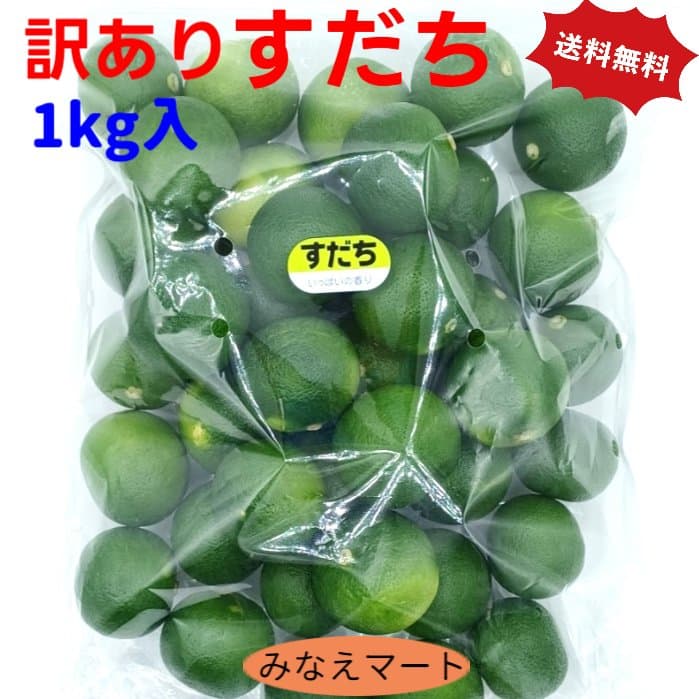
【お買い物マラソン セール中】新物 ハウス すだち 訳あり【 1kg入り 2L~3L混合】送料無料 徳島すだち スダチ すだち果汁 だち酢 すだち皮 スダチチン お刺身 焼き魚 すだちラッシー すだち酒 みなえマート 特選品【北海道,沖縄便は+900円送料】
1kg, mixed 2L-3L sizesみなえマート
4.8 / 140 reviews
Japanese name徳島すだち
In Kamiyama, Sanagochi, Anan, Naruto, and other Tokushima growing areas, this aromatic citrus carries mountain rain, temperature swings, bright acidity, and everyday uses with fish, hot pots, noodles, and drinks.
Information last updated 114 days ago
3 images【お買い物マラソン セール中】新物 ハウス すだち 訳あり【 1kg入り 2L~3L混合】送料無料 徳島すだち スダチ すだち果汁 だち酢 すだち皮 スダチチン お刺身 焼き魚 すだちラッシー すだち酒 みなえマート 特選品【北海道,沖縄便は+900円送料】
1kg, mixed 2L-3L sizesみなえマート
4.8 / 140 reviews
 3 images
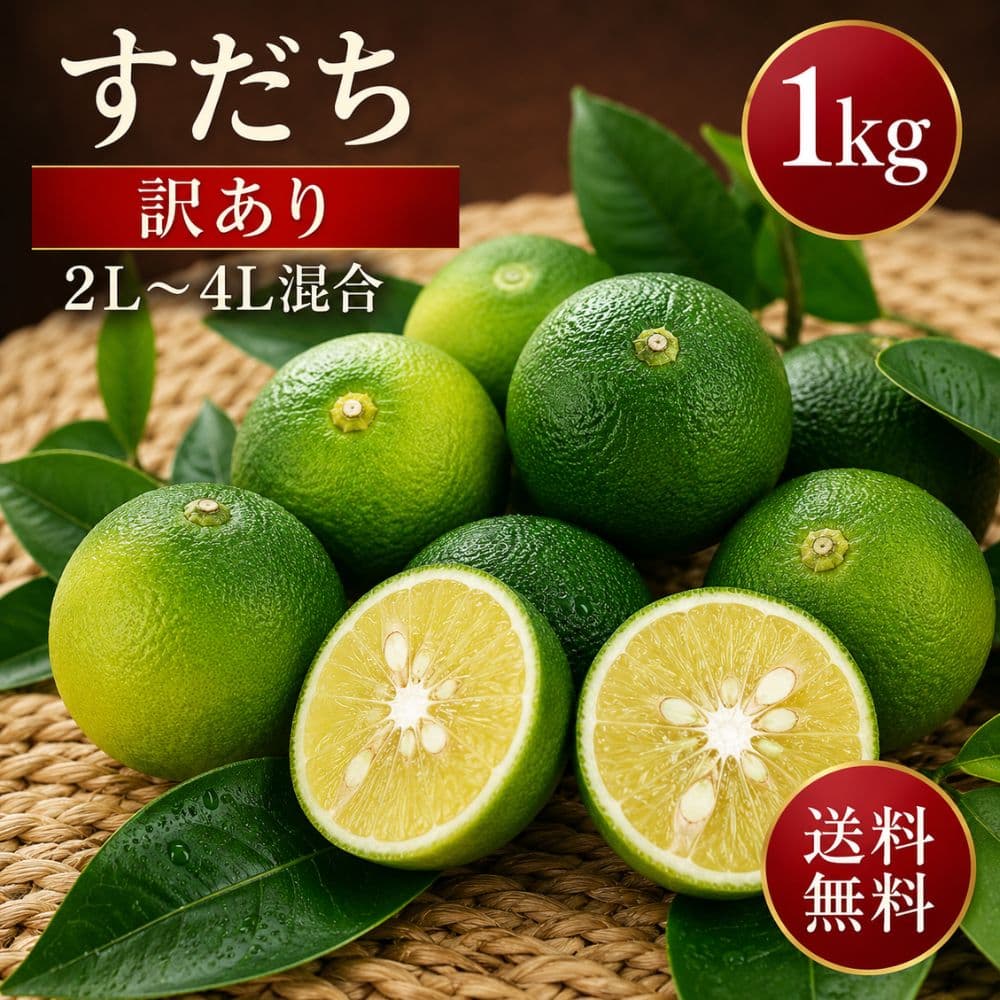
【新物】徳島県産 すだち 訳あり 1kg(2L〜4L混合/ハウス栽培)旬の味覚 徳島すだち スダチ 酢橘 柑橘 国産 ハウスすだち 訳ありすだち 家庭用 自宅用 おうち用 薬味 果汁 焼き魚 唐揚げ うどん 冷奴 送料無料 お取り寄せ グルメ
imperfect, approx. 1kg, mixed 2L-4L, greenhouse-grownmanma fruits-vege
4.8 / 101 reviews
First time buying on Rakuten? How residents in Japan order →
Tokushima Sudachi is an aromatic acid citrus from Tokushima, known for fresh fragrance and clean acidity. Its juice is squeezed over grilled fish, sashimi, pickles, hot-pot ponzu, tempura, udon, somen broth, ohitashi, vinegar dishes, shochu, and chuhai; its peel and slices appear in sugata-zushi, soups, simmered dishes, noodle broths, dipping sauce, and marmalade. More than 90 percent of Japan's sudachi is grown in Tokushima, across areas such as Kamiyama, Sanagochi, Anan, Komatsushima, Naruto, Awa, Tokushima City, Yoshinogawa, and Miyoshi. Many orchards stand in mountain terrain where large day-night temperature differences and abundant rain are linked to highly fragrant fruit.
Sudachi belongs to the group of aromatic acid citrus, where juice acidity and peel fragrance matter in cooking. Tokushima's main growing areas include Kamiyama, Sanagochi, Anan, Komatsushima, Naruto, Awa, Tokushima City, Yoshinogawa, and Miyoshi. Many orchards are in mountain districts with large differences between daytime and nighttime temperatures and plentiful rain, giving the fruit a concrete landscape behind its fragrance.
Tokushima grows more than 90 percent of Japan's sudachi, so the fruit is closely tied to the prefecture's kitchens, juice processing, and shipping network. The name Tokushima Sudachi is protected in Japan's geographical indication system; for readers, the point is a boundary around Tokushima-grown fruit, the producer community, and the name attached to that place.
The continuity of sudachi can be traced through dates, books, and trees. In 1706, Yamato Honzo introduced a fruit called "Riman," and later annotation connected the name to Awa, the area now associated with Tokushima. Kamiyama still has an estimated 200-year-old sudachi tree that bears fruit each year, tying a written name to a living tree in a named town.
Modern cultivation also has firm markers. Cultivation began in 1957, commercial production expanded in the 1960s, and the growing area broadened in the 1980s as sudachi became a conversion crop from mandarin orange. Here, tradition means specific continuity: an early eighteenth-century text, an old fruiting tree in Kamiyama, and postwar changes in orchard planting.
Tokushima Sudachi moves through three shipping periods. Greenhouse sudachi from March to August tends to have thinner peel, more juice, and milder acidity. Open-field sudachi from August to October tends to have thicker peel and stronger aroma. Refrigerated sudachi from October to March is open-field fruit rested through shaded drying called yoso before cold storage, giving it comparatively gentle acidity.
These periods shape more than the calendar. Greenhouse fruit brings juicy sudachi into spring and summer, open-field fruit carries the thicker peel and stronger aroma of the late summer and autumn crop, and refrigerated fruit extends the mountain harvest into winter and early spring through drying and cold storage.
Tokushima's everyday uses for sudachi are precise. Juice is used with grilled fish, sashimi, pickles, hot-pot ponzu, tempura, udon, somen broth, ohitashi, vinegar dishes, shochu, and chuhai. Peel and slices are used in sugata-zushi, soups, simmered dishes, udon, somen broth, tempura dipping sauce, and marmalade.
Each use draws on a different part of the fruit. A squeeze beside grilled fish brings acidity and fragrance to the plate; peel in soup or noodle broth lets heat and dashi carry the aroma. When sudachi is described as part of local food culture, the concrete meaning is this table work: fish, hot pots, noodles, vinegar dishes, and drinks shaped by aromatic citrus.
In Tokushima City JA's processing context, sudachi is pressed into 100 percent juice made from Tokushima-grown fruit, and it also appears in ponzu and drinks. The juice is used in cooking, alcoholic drinks, and other beverages, with grilled fish and hot pots named as fitting uses. Ponzu can combine sudachi juice with yuzu and yukou, keeping the focus on aromatic acid citrus.
This processing thread extends the fresh fruit into kitchen routines. Whether in fresh juice, ponzu, or drinks, the center remains the same: sudachi peel, sudachi juice, refreshing acidity, and a clear aroma that travels from the fruit to cooking and drinks.
Tokushima Sudachi is supported by multiple producing areas and shipping organizations. JA Tokushima Prefecture, JA Tokushima City, and JA Higashi Tokushima are listed in the shipping network, while prefectural, municipal, and council activity promotes the use of aromatic citrus juices such as sudachi, yuzu, and yukou. The producer community becomes visible through place names from Kamiyama to Naruto, JA shipping, and the prefecture's wider use of aromatic citrus.
The fruit's continuity rests on concrete practices: cultivation in mountain orchards, three seasonal handling methods, use beside grilled fish and noodle broth, and processing into juice and ponzu. Tokushima remains present in the fruit through rain, peel, acidity, aroma, and repeated table gestures.
Tokushima Sudachi is built from tangible details: an old fruiting tree in Kamiyama, mountain orchards with wide day-night temperature shifts, greenhouse fruit from March to August, open-field fruit from August to October, refrigerated fruit from October to March after shaded drying, and a squeeze of citrus over fish, sashimi, hot pots, noodles, and drinks. From the 1706 mention of Riman to postwar cultivation growth and today's JA shipping network, this aromatic citrus keeps Tokushima's rain, peel, juice, and table use in the same frame.
Compiled from public records and official sources; see the recognition links below. Details may change over time.
Where this product is officially registered, designated, or recognized in Japan.
Geographical Indication (GI)
Registered under Japan's Geographical Indication Protection System, run by the Ministry of Agriculture, Forestry and Fisheries.
Sources1
It is written as 徳島すだち in Japanese. Search Rakuten and other Japanese sites with that spelling — the English name will not bring up the listings.
Tokushima sudachi is an aromatic acid citrus from Tokushima, which grows more than 90 percent of Japan's sudachi. Major growing areas include Kamiyama, Sanagochi, Anan, Naruto, and other parts of the prefecture, often in rainy mountain terrain with large day-night temperature swings. The fruit is known for fresh fragrance and clean acidity, and it ships through greenhouse, open-field, and refrigerated seasons.
Major growing areas include Kamiyama, Sanagochi, Anan, Komatsushima, Naruto, Awa, Tokushima City, Yoshinogawa, and Miyoshi. Year-round shipping is organized through greenhouse sudachi from March to August, open-field sudachi from August to October, and refrigerated sudachi from October to March. In 1706, Yamato Honzo introduced a fruit called "Riman" connected to sudachi history. Kamiyama has an estimated 200-year-old sudachi tree that still bears fruit every year.
Fresh juice is squeezed over grilled fish, sashimi, hot pots, tempura, noodles, and vinegar dishes, and is also used with shochu and chuhai. Peel and slices are used in sugata-zushi, soups, simmered dishes, noodle broths, tempura dipping sauce, and marmalade. Bottled juice, small-portioned juice, ponzu blended with yuzu and yukou, and sudachi drinks are used in the pantry or in food service.
Storage varies by product — shelf-stable, refrigerated, or frozen — and is stated on the packaging and the Rakuten listing. Shelf-stable processed foods usually need refrigerating once opened and eating within a few days; chilled and frozen items go straight into storage on arrival. Treat the best-before date on the physical packaging as authoritative.
Most options are shelf-stable, boxed, and travel well, so they suit gifting or bringing home. Confirm the final storage and delivery terms on the Rakuten listing.
On Rakuten: the shops listed here right now are みなえマート, manma fruits-vege. We don't sell directly; purchase, payment, stock, and delivery are all handled on the Rakuten product page.