 3 images
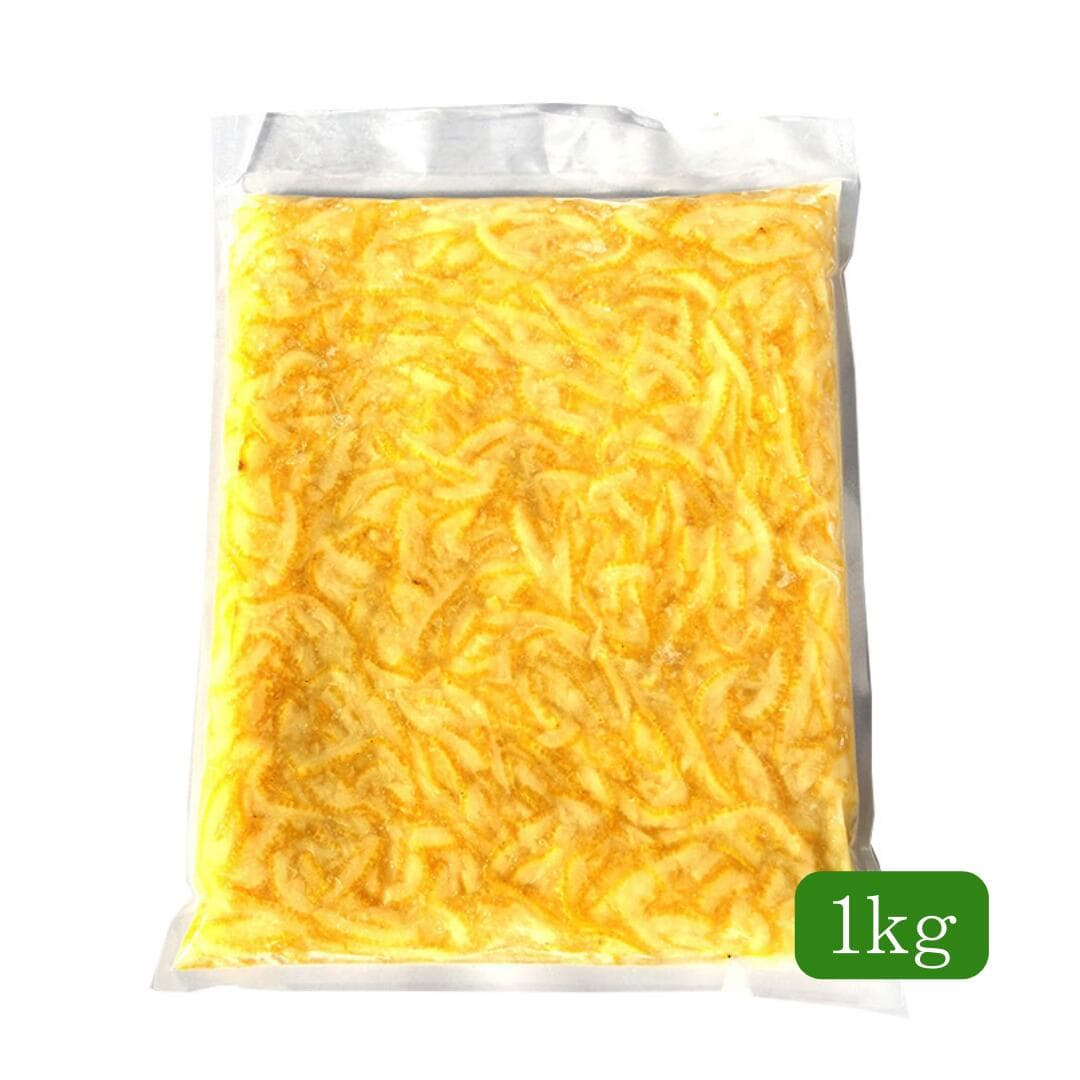
Kito Yuzu Peel Slices
木頭柚子 果皮スライス(2mm)(冷凍) 1kg [要冷凍] 黄金の村 徳島 木頭ゆず ユズ yuzu 柚子皮 きざみ 冷凍商品 特別栽培 農薬化学肥料不使用 マーマレード ジャム ケーキ 佃煮 ゆず茶 ゆず酒 ゆず料理 ゆず風味 きとう 39ショップ
2mm slices, frozen, 1kg木頭ゆず楽天市場店
4.6 / 48 reviews
Japanese name木頭ゆず
In Tokushima’s Naka Town, steep mountains, deep forest, summer rain, and day-night temperature swings shape a yuzu known for vivid color, thick peel, and a place on the kitchen table as juice.
Information last updated 120 days ago
3 images木頭柚子 果皮スライス(2mm)(冷凍) 1kg [要冷凍] 黄金の村 徳島 木頭ゆず ユズ yuzu 柚子皮 きざみ 冷凍商品 特別栽培 農薬化学肥料不使用 マーマレード ジャム ケーキ 佃煮 ゆず茶 ゆず酒 ゆず料理 ゆず風味 きとう 39ショップ
2mm slices, frozen, 1kg木頭ゆず楽天市場店
4.6 / 48 reviews
 3 images
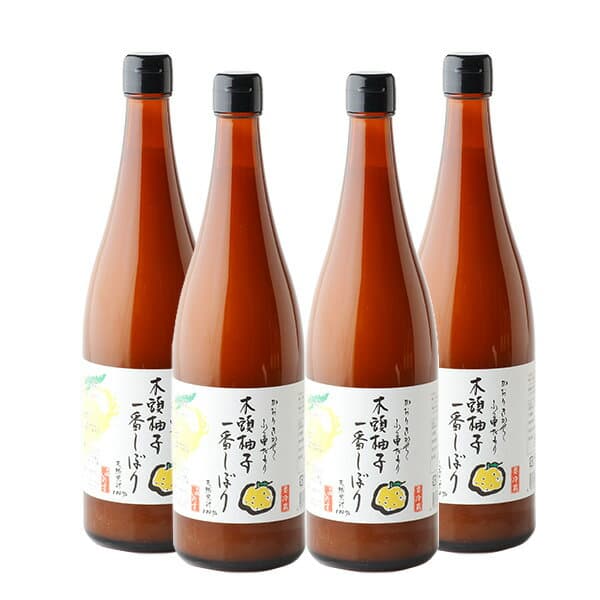
[要冷蔵]木頭ゆず一番しぼり720ml×4本(ゆず果汁)満天青空レストラン テレビ放映 黄金の村 柚子果汁100% 農薬・化学肥料不使用 非加熱 無添加 ゆず酢 ユズ果汁
720ml x 4 bottles木頭ゆず楽天市場店
5.0 / 3 reviews
 3 images
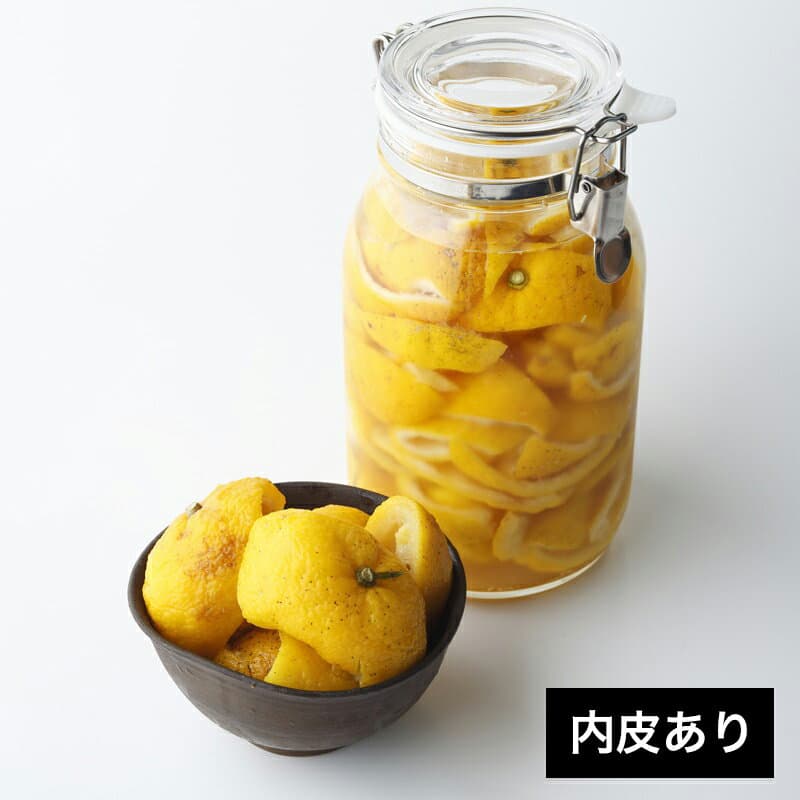
木頭柚子の果皮【内皮あり(ふさ有り)】 (冷凍) 1kg [要冷凍]黄金の村 徳島 木頭ゆず ユズ yuzu peel 柚子皮 冷凍商品 freezed 特別栽培 農薬化学肥料不使用 マーマレード ジャム ケーキ 佃煮 ゆず茶 ゆず酒 ゆず料理 ゆず風味 ゆず湯 ゆず風呂 冬至 きとう 39ショップ
with inner membrane, frozen, 1kg木頭ゆず楽天市場店
4.7 / 32 reviews
First time buying on Rakuten? How residents in Japan order →
Kitou yuzu begins in Naka Town, Tokushima, where mountains above 1,000 meters, forest covering more than ninety percent of the area, cool air, summer rain, and sharp day-night temperature shifts are tied to vivid color and high aroma. Before the name moved through processors and wider food channels, yuzu trees stood by homes and field edges, and unsoured yuzu juice served as the “vinegar” for dressed dishes, fish, and hot pots. A modern turn came in 1960, when six people from former Kito Village sent trial fruit to Osaka Central Market; in 1961, local seedling work for strain selection began. Its shape becomes clear through sorting fresh fruit, squeezing juice, using peel, and shaping condiments from mountain-grown acidity.
Naka Town in Naka District, Tokushima Prefecture, forms the production area for Kitou yuzu. The terrain is enclosed by mountains over 1,000 meters and more than ninety percent forest, with a cool climate, heavy summer rain, and large differences between day and night temperatures. Those conditions are linked with vivid color, strong aroma, and fruit that resists disease. The landscape matters at the level of the peel: the place connection is visible not as scenery alone, but in a citrus fruit sorted for appearance, squeezed for juice, and used for acidity.
Long before recent product development, yuzu trees in this area grew near house fronts and along field ridges. When people spoke of “vinegar,” they often meant yuzu-su: squeezed, unfermented yuzu juice, seasoned with salt and kept for cooking. It went into dressed dishes, fish, and hot-pot meals. In the former Kito area, hand squeezing and wooden presses also belong to the juice-making work, so the sharpness of Kitou yuzu starts in kitchens before it appears in processed juice or peel.
Modern production activity took shape in 1960, when six volunteers from former Kito Village sent trial fruit to Osaka Central Market and the effort became a trigger for full-scale production. In 1961, local seedling work began for strain selection. Production later expanded through the Naka River basin to five towns and villages that are now within Naka Town. The timeline is concrete: six people, one market trial, seedling work the following year, and a river basin that carried the fruit beyond the old village boundary.
Kitou yuzu is described through thick peel, few peel blemishes, clean appearance, vivid color, high aroma, and strong acidity. Its geographical indication gives context to a practical boundary: varieties selected from native Naka Town strains, cultivation standards set by the producer group, and sorting rules for fresh and processing fruit. Fresh fruit for shipping must be at least 4 centimeters in diameter and free from loose wounds or puncture wounds. Fruit outside that fresh standard can still move to processing when it is not badly damaged, harmed by pests, or rotten.
After sorting, Kitou yuzu can travel through juice, peel, and seasoning rather than only through fresh fruit. Regional processing examples include squeezed juice, ponzu, tea, jam, marmalade, powder, frozen juice, frozen peel, cider, and yuzu kosho. Each form holds a different part of the citrus: acidity in juice, fragrance in peel, and a sharp edge in condiments and drinks. The range also keeps the fruit useful when appearance or size sends sound fruit away from the fresh-fruit line.
Recent regional work has joined agricultural cooperatives, local companies, and public bodies around processing, local cooking, food fairs, and chef outreach. Product-development examples include ponzu, canned chuhai, and jelly; export examples include fresh yuzu for French food service and processed forms such as frozen juice and frozen peel reaching Thailand, France, the United States, and other markets through a Naka Town processor. Alongside fruit and juice, the same processor handles items such as cider, yuzu kosho, and fragrance products, showing how aroma, acidity, and peel can move through separate food and craft pathways.
Kitou yuzu holds together a compact chain of place and work: Naka Town’s mountains and rain, trees by homes and field ridges, the 1960 Osaka trial, the 1961 seedling work, and the sorting line that separates fresh fruit from processing fruit. When its thick peel becomes peel products and its acidity becomes juice, ponzu, or yuzu kosho, the citrus keeps the mark of a town where forest, river basin, and kitchen use meet.
Compiled from public records and official sources; see the recognition links below. Details may change over time.
Where this product is officially registered, designated, or recognized in Japan.
Geographical Indication (GI)
Registered under Japan's Geographical Indication Protection System, run by the Ministry of Agriculture, Forestry and Fisheries.
Sources1
It is written as 木頭ゆず in Japanese. Search Rakuten and other Japanese sites with that spelling — the English name will not bring up the listings.
Kitou yuzu is a yuzu fruit family from Naka Town, Tokushima Prefecture. Its place is defined by mountains over 1,000 meters, more than ninety percent forest, a cool climate, summer rain, and large day-night temperature swings tied to vivid color, high aroma, and disease-resistant fruit. Local use began around homes and field ridges, where unfermented yuzu juice became yuzu-su for dressed dishes, fish, and hot pots. Modern production turned on a 1960 trial shipment by six people from former Kito Village and 1961 seedling work, while today’s uses include fresh-fruit sorting, juice, peel, ponzu, frozen products, and overseas kitchens.
Kitou yuzu is a yuzu fruit family from Naka Town in Naka District, Tokushima Prefecture. Naka Town is described as surrounded by mountains over 1,000 meters, with more than ninety percent forest, cool weather, summer rain, and large day-night temperature differences. Those conditions are linked with vivid color, high aroma, and disease-resistant yuzu fruit. In the area, yuzu-su means squeezed, unfermented yuzu juice seasoned and kept for dishes such as dressed vegetables, fish, and hot pots.
Storage varies by product — shelf-stable, refrigerated, or frozen — and is stated on the packaging and the Rakuten listing. Shelf-stable processed foods usually need refrigerating once opened and eating within a few days; chilled and frozen items go straight into storage on arrival. Treat the best-before date on the physical packaging as authoritative.
Most options are shelf-stable, boxed, and travel well, so they suit gifting or bringing home. Confirm the final storage and delivery terms on the Rakuten listing.
On Rakuten: the shops listed here right now are 木頭ゆず楽天市場店. We don't sell directly; purchase, payment, stock, and delivery are all handled on the Rakuten product page.