 3 images
Kamikatsu Awa Bancha Lactic-Fermented Tea
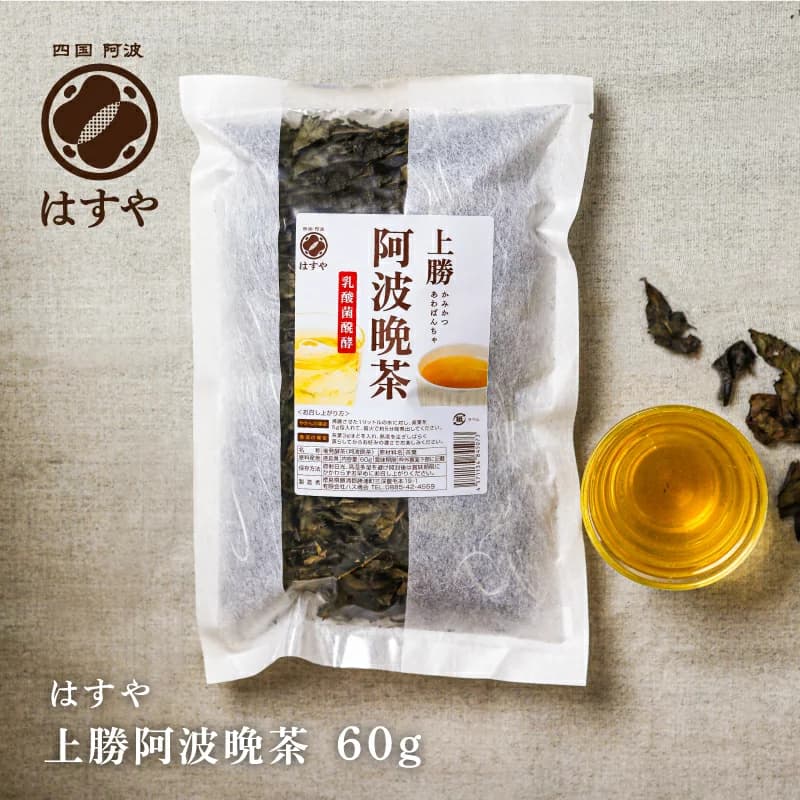
上勝阿波晩茶60g。テレビで紹介されました。おなかにやさしい乳酸菌発酵された珍しい阿波番茶です。徳島県勝浦郡上勝町の阿波晩茶(阿波番茶)を是非お楽しみください#四国阿波はすや 晩茶 番茶
60 g粉なっとう・粉末納豆の「はすや」
4.4 / 14 reviews
Japanese name上勝阿波晩茶
Kamikatsu Awa Bancha starts with leaves grown or gathered in Kamikatsu Town, then moves through boiling, a month-long soak, lactic fermentation, and sun-drying before becoming a golden cup with a refreshing aroma.
Information last updated 28 days ago
3 images上勝阿波晩茶60g。テレビで紹介されました。おなかにやさしい乳酸菌発酵された珍しい阿波番茶です。徳島県勝浦郡上勝町の阿波晩茶(阿波番茶)を是非お楽しみください#四国阿波はすや 晩茶 番茶
60 g粉なっとう・粉末納豆の「はすや」
4.4 / 14 reviews
 2 images
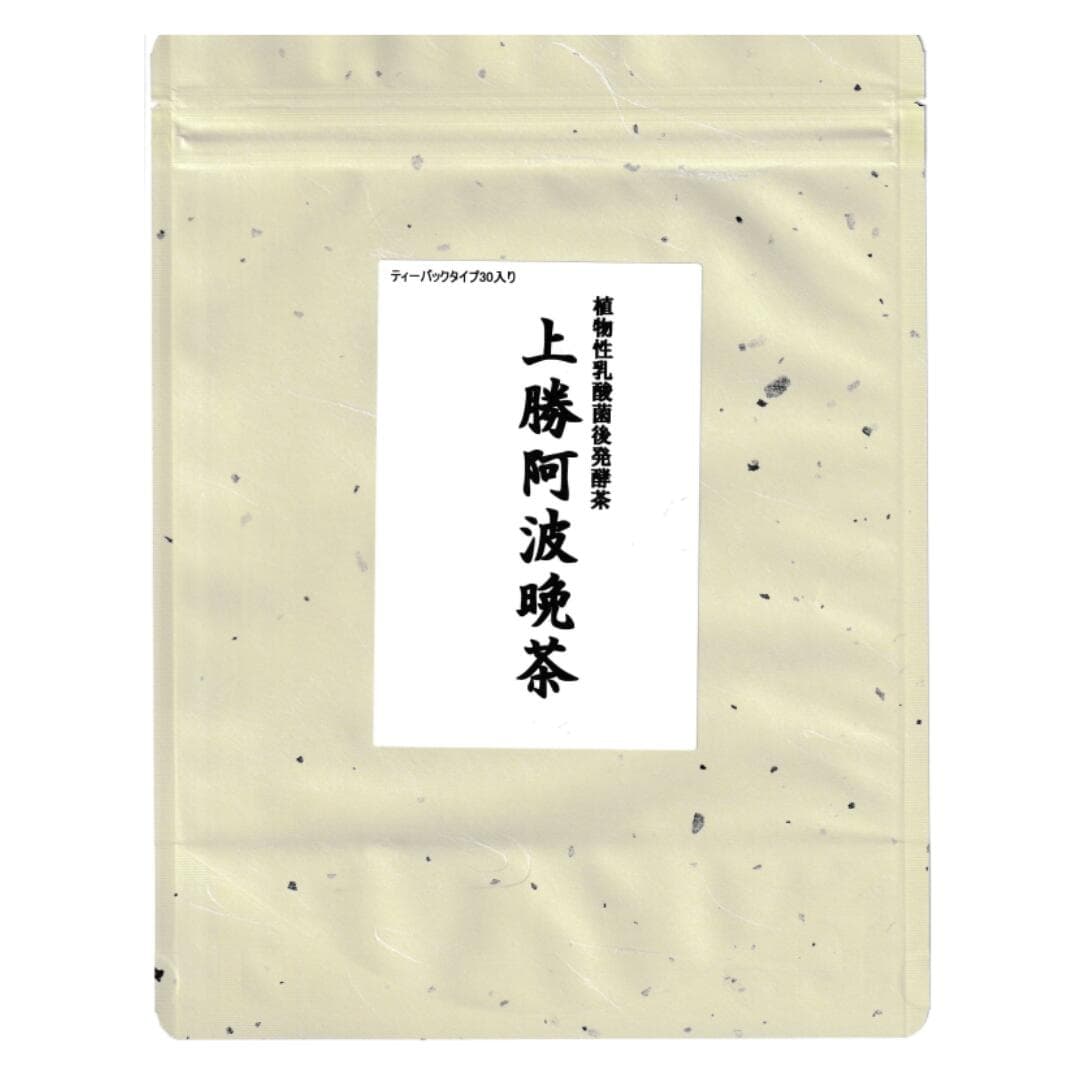
上勝阿波晩茶 3g x 30個 ティーバッグ 株式会社Nab
3g x 30 tea bags美健ストア
3.0 / 1 reviews
First time buying on Rakuten? How residents in Japan order →
Kamikatsu Awa Bancha comes from Kamikatsu, a mountain town in Tokushima Prefecture. It is made from tea leaves grown or gathered in the town and processed there as a post-fermented tea. The leaves are boiled, soaked for about one month, and dried in the sun, giving the tea its golden color, refreshing taste, and lactic-fermented character.
The family boundary is concrete: tea leaves are grown or gathered in Kamikatsu Town and processed inside Kamikatsu as post-fermented tea. The wider method is tied to Kamikatsu, the former Aioi area of Naka Town, and areas centered on Minami Town, but this tea keeps the leaves and processing work anchored in Kamikatsu.
The making sequence begins by boiling the tea leaves, then soaking them for about one month so lactic fermentation can develop, and finally drying them in the sun. Kamikatsu Awa Bancha is also associated with a relatively short boiling time, a detail that sits beside the long soak and sun-drying in shaping its fermented flavor.
In the cup, Kamikatsu Awa Bancha is known for a golden color, refreshing aroma, and refreshing taste. The lactic fermentation gives it a distinctive flavor within Awa bancha, while its low-caffeine character is presented for a broad age range, from small children to older adults.
The tea is also enjoyed through differences among farms, so a cup can point back to individual producers within Kamikatsu rather than one fixed flavor. Seasonal preparation changes the expression: cold brewing, hot-water infusion, and boiling extraction are all named ways to draw out the tea.
Kamikatsu Awa Bancha is held by a local community as well as by a production method. The Kamikatsu Awa Bancha Association and the Kamikatsu Town Chamber of Commerce appear around the name, and the association describes a hands-on owner-system setting in which people harvest in midsummer and make tea by old-style methods in Kamikatsu’s natural surroundings.
Kamikatsu Awa Bancha is clearest when followed from leaf to cup: Kamikatsu-grown or gathered leaves, town processing, boiling, a month-long lactic ferment, sun-drying, and a golden liquor. Farm-by-farm differences and seasonal brewing methods keep the tea close to daily use, while the midsummer harvest and local association keep the work visible behind the refreshing taste.
Compiled from public records and official sources; see the recognition links below. Details may change over time.
Where this product is officially registered, designated, or recognized in Japan.
Regional collective trademark
Registered as a Regional Collective Trademark with the Japan Patent Office.
Sources1
It is written as 上勝阿波晩茶 in Japanese. Search Rakuten and other Japanese sites with that spelling — the English name will not bring up the listings.
Kamikatsu Awa bancha is a lactic-fermented post-fermented tea from Kamikatsu Town in Tokushima Prefecture. It uses leaves grown or gathered in Kamikatsu and processed in the town. The leaves are boiled, soaked for about one month for lactic fermentation, and sun-dried, producing a golden tea with a refreshing aroma and taste.
Kamikatsu Awa bancha is tied to Kamikatsu, a mountain town in Tokushima Prefecture. Kamikatsu Awa bancha is associated with a relatively short boiling time within Awa bancha. Drinkers can compare farm-by-farm taste differences. The Kamikatsu Awa Bancha Association describes midsummer harvesting and old-style tea making experiences in Kamikatsu.
Extraction method can be changed by season, including cold brewing, hot-water infusion, and boiling extraction.
Water temperature varies a lot by type of Japanese tea: roughly 50–60°C for gyokuro, 70–80°C for sencha, and near-boiling 90–100°C for hojicha (including roasted stem tea), bancha, and genmaicha, steeped for about 30 seconds to a minute. A common ratio is about 3g of leaf per 150ml of water. Follow the instructions on the packaging where they differ.
Tea leaves are damaged by light, humidity, and absorbed odours. Once opened, keep them sealed and away from light at room temperature and drink them within a few weeks. If you refrigerate them, let the container return to room temperature before opening so condensation doesn't get in.
Most options are shelf-stable, boxed, and travel well, so they suit gifting or bringing home. Confirm the final storage and delivery terms on the Rakuten listing.
On Rakuten: the shops listed here right now are 粉なっとう・粉末納豆の「はすや」, 美健ストア. We don't sell directly; purchase, payment, stock, and delivery are all handled on the Rakuten product page.