 3 images
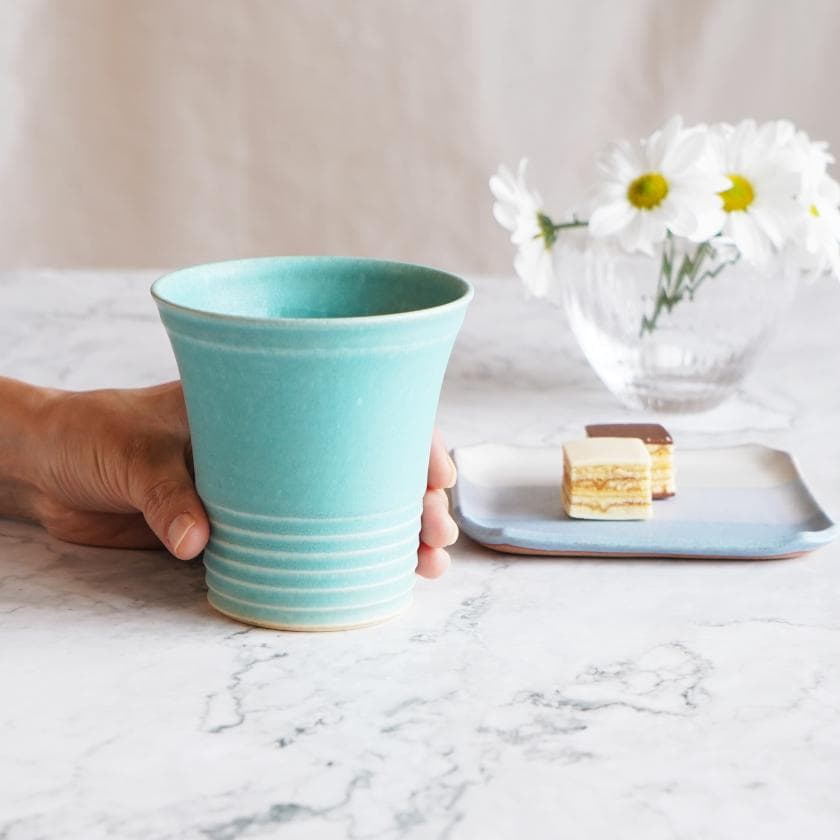
OTANIYAKI tamura 1784 Otani Ware Turquoise Blue Free Cup
【フリーカップ】ターコイズブルー | 大谷焼 | OTANIYAKI tamura 1784
turquoise blueBECOS伝統工芸楽天市場店
Japanese name大谷焼
In Oasa-cho, Naruto City, iron-rich clay and ne-rokuro wheel work shape large jars, indigo vats, lotus bowls, cups, tea bowls, plates, flower vessels, and interior pieces.
Information last updated yesterday
3 images【フリーカップ】ターコイズブルー | 大谷焼 | OTANIYAKI tamura 1784
turquoise blueBECOS伝統工芸楽天市場店
 3 images
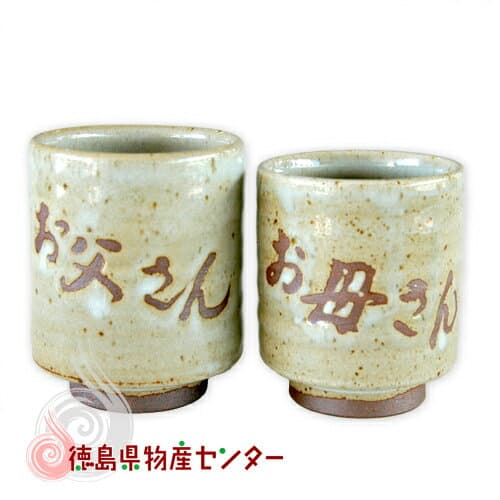
大谷焼(徳島 森陶器) 夫婦湯呑(お父さん&お母さん) 化粧木箱入
Father & Mother, decorative wooden box徳島県物産センター
 3 images
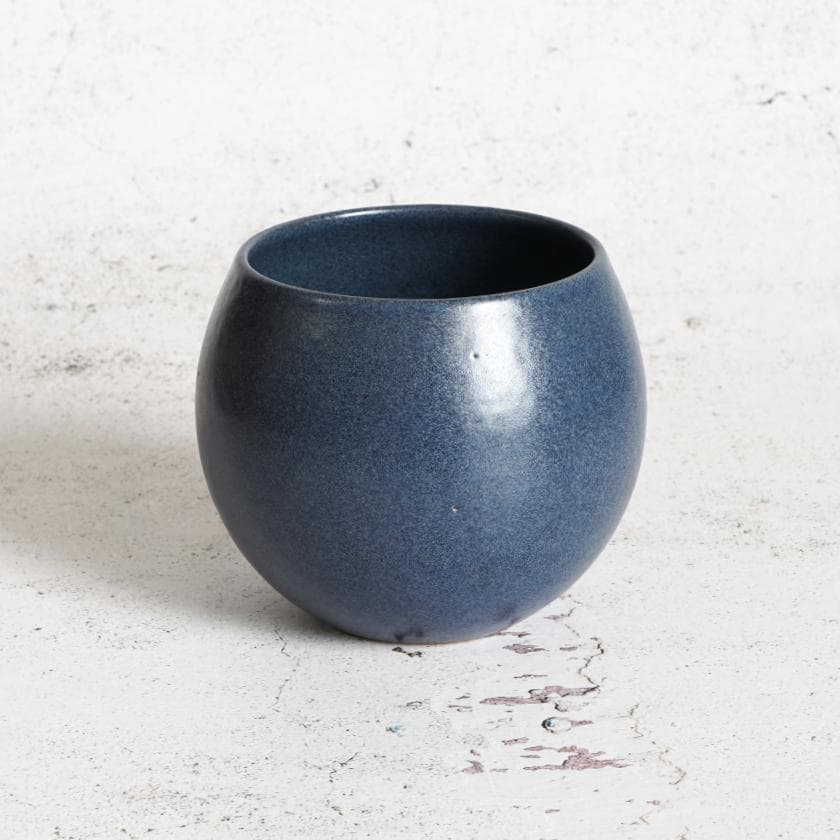
【カップ】藍マット | 大谷焼 | OTANIYAKI tamura 1784
indigo matteBECOS伝統工芸楽天市場店
 3 images
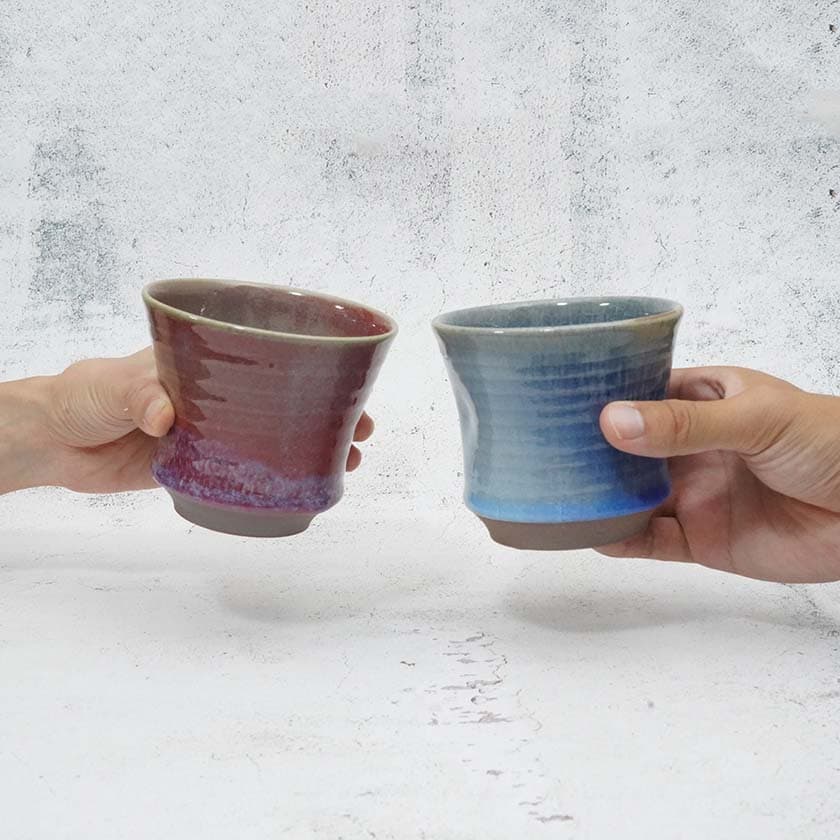
【大谷焼】佳実窯 カップ 2点セット (辰砂, 青釉)
2-piece set (cinnabar, blue glaze)BECOS伝統工芸楽天市場店
 3 images
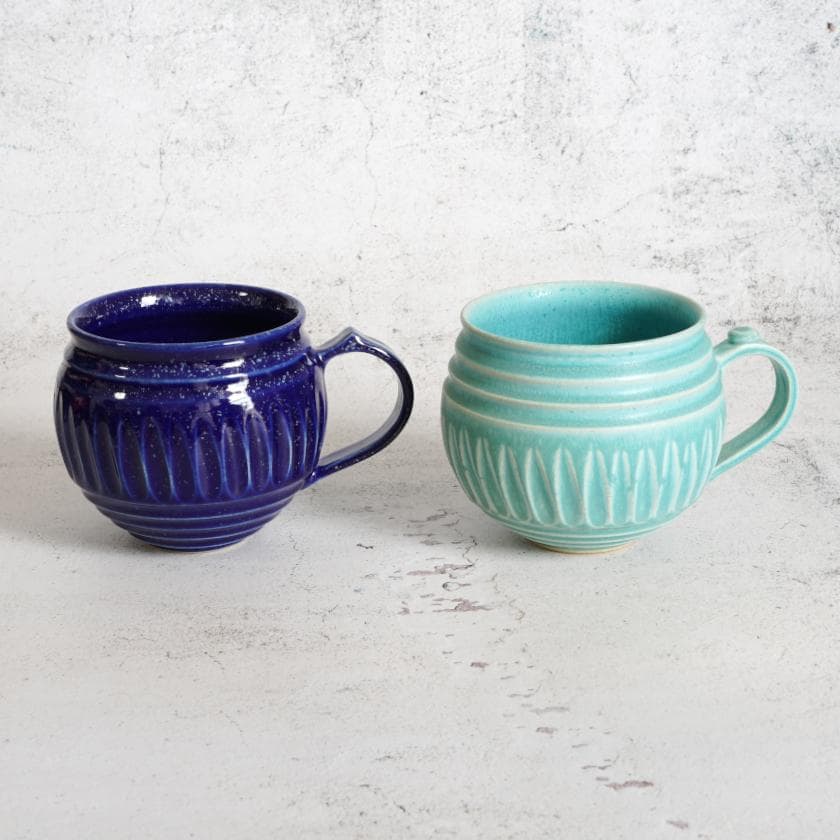
【マグカップ】2点セット (ターコイズブルー、瑠璃釉薬) | 大谷焼 | OTANIYAKI tamura 1784
2-piece set (turquoise blue, lapis glaze)BECOS伝統工芸楽天市場店
First time buying on Rakuten? How residents in Japan order →
All 5 listings of this product on Rakuten, lowest price first.
| Listing | Price | Shop | Reviews | Open listing |
|---|---|---|---|---|
OTANIYAKI tamura 1784 Indigo Matte Otani Ware Cup indigo matteLowest price | ¥4,300 | BECOS伝統工芸楽天市場店 | View on Rakuten → | |
Otani Ware Mori Pottery Couple Yunomi Teacup Set Father & Mother, decorative wooden box | ¥4,950 | 徳島県物産センター | View on Rakuten → | |
OTANIYAKI tamura 1784 Otani Ware Turquoise Blue Free Cup turquoise blue | ¥5,500 | BECOS伝統工芸楽天市場店 | View on Rakuten → | |
Otani Ware Yoshimi Kiln Cups 2-piece set (cinnabar, blue glaze) | ¥7,300 | BECOS伝統工芸楽天市場店 | View on Rakuten → | |
OTANIYAKI tamura 1784 Otani Ware Mug Set 2-piece set (turquoise blue, lapis glaze) | ¥10,300 | BECOS伝統工芸楽天市場店 | View on Rakuten → |
Japanese · new tab
Otani-yaki begins in Oasa-cho, Naruto City, Tokushima Prefecture. Local iron-rich clay often fires into dark brown, deep silver, or gray surfaces with a coarse touch and a faint metallic sheen. Large water jars, indigo dye-liquid vats, and lotus bowls made the pottery widely recognized; cups, tea bowls, plates, tea utensils, flower vessels, and interior pieces carry the same clay into daily rooms and tables.
Otani-yaki is made in Oasa-cho, Naruto City, and its beginnings are tied to the former Otani village. The Otani-yaki Pottery Association is based at Oasa-cho Otani Nishidai 3, with member kilns clustered around the district. The place name points to a working zone of clay, workshops, kilns, and seasonal gatherings.
The line reaches back to the late Edo period. In 1780, Bun'emon, a potter from Bungo Province, visited Otani village and demonstrated wheel work. Later private kiln production drew on clay and glaze materials from local areas such as Hagiwara and Himeta to make water jars, indigo vats, and other large ceramics. More than 230 years of continuity becomes concrete in those places, materials, and vessels.
Many Otani-yaki pieces have a rough touch because the local clay contains a high amount of iron. Dark brown is common, while deep silver and gray pieces also appear; under light, the surface can show a slight metallic sheen. The clay is seen in color and felt through the hand.
That texture links a large jar and a small tea bowl. From a vessel near a person's height to a cup held at the table, the grain, gray-brown tones, and quiet sheen make the material visible before ornament takes over.
Large Otani-yaki vessels are shaped with ne-rokuro. One craftsperson lies beneath the worktable and turns the wheel with the feet while another shapes the clay above. The method depends on steady rotation, matched timing, and control of heavy walls; a jar or lotus bowl of this scale needs all three.
Indigo vats, water jars, and lotus bowls require a forming method that can handle thick clay and tall bodies. Ne-rokuro connects foot power, hand shaping, and the firing capacity of a climbing kiln, so the large vessels can be read through the labor that makes their size possible.
Otani-yaki developed as demand grew for huge ai-game used to hold indigo dye liquid. In Tokushima's indigo work, a vat had to store liquid at large scale, and that need helped mature the pottery's skill with thick, high-capacity forms.
Current Otani-yaki also includes yunomi cups, tea bowls, plates, tea utensils, sake vessels, flower vessels, planters, interior objects, and architectural ceramics. An indigo vat and a table cup serve different rooms, yet both stay close to Oasa-cho clay and the workshop techniques built around it.
The Otani-yaki Pottery Association includes six kilns in Oasa-cho: Onishi Toki, Tamura Shoji, Togyokaikan Umezato-gama, Mori Toki, Yano Toen, and Yoshimi-gama. Together, the names show Otani-yaki as a shared pottery family across several workshops in the same Naruto district.
Each April, the Spring Festa brings kiln displays and local exchange, and each November the Otani-yaki Kiln Festival gathers the member kilns again. The gatherings draw about 20,000 visitors per event. Recent work under the Japan Blue Otani-yaki theme has led each kiln to develop original products connected with Tokushima indigo, linking the old indigo-vat use with present design.
In 2003, Otani-yaki became a national traditional craft, and later protection of the name pointed back to the same ground: Oasa-cho in Naruto City, iron-rich clay, ne-rokuro, large vessels, and the association kilns. The status matters here because it gathers those practical boundaries into one name.
A dark brown cup or jar carries that boundary through material. The surface comes from Oasa-cho clay, the largest forms require two-person wheel work and climbing-kiln firing, and the range from indigo vats to flower vessels keeps the pottery in daily use.
Otani-yaki is clearest when viewed through Naruto's Oasa-cho, its iron-rich clay, and its large vessels. The rough surface and metallic sheen come from local material; ne-rokuro gives shape to jars, indigo vats, and lotus bowls; six member kilns and spring and autumn gatherings keep the work connected to local life. From dye vats to table cups, the pottery holds a readable line of place, process, and use.
Compiled from public records and official sources; see the recognition links below. Details may change over time.
Where this product is officially registered, designated, or recognized in Japan.
It is written as 大谷焼 in Japanese. Search Rakuten and other Japanese sites with that spelling — the English name will not bring up the listings.
Otani ware is pottery from Oasa-cho, Naruto City, Tokushima, with more than 230 years of production tied to a 1780 account of Bun'emon demonstrating wheel work in the former Otani village. It uses iron-rich local clay with a rough touch and a faint metallic sheen. Ne-rokuro traditionally shapes large water jars, indigo vats, and lotus bowls, while today's range also includes cups, tea bowls, plates, tea utensils, flower vessels, and interior pieces, carried on by local kilns.
Otani-yaki became a national traditional craft in 2003, and the name was recognized as a regional collective trademark in 2021. Later private kiln production used clay and glaze materials from areas such as Hagiwara and Himeta to make water jars, indigo vats, and other large ceramics. Ne-rokuro is a two-person method in which one maker turns the wheel with the feet from beneath the worktable while another shapes the clay. Large forms such as water jars, indigo dye-liquid vats, and lotus bowls are connected with climbing-kiln firing.
Water jars are used for storing water, indigo vats hold dye liquid for indigo dyeing, and lotus bowls are used for growing lotus. Cups, tea bowls, plates, and tea utensils are used for daily meals and tea drinking. Flower vessels, planters, interior pieces, garden furniture, and architectural ceramics are used in home and garden settings.
Porous earthenware is usually given a "medome" treatment first — simmer it gently in rice-rinsing water (or water with a little flour), then cool, rinse, and air-dry. This reduces staining and odour absorption. Porcelain normally just needs a wash. Follow the listing where it says otherwise.
Handmade earthenware, pieces with gold or silver overglaze, and lacquerware generally should not go in a dishwasher, microwave, or heated drying cabinet; heat-resistant porcelain usually can. Check the Rakuten listing for the specific piece.
Most options are shelf-stable, boxed, and travel well, so they suit gifting or bringing home. Confirm the final storage and delivery terms on the Rakuten listing.
On Rakuten: the shops listed here right now are BECOS伝統工芸楽天市場店, 徳島県物産センター. We don't sell directly; purchase, payment, stock, and delivery are all handled on the Rakuten product page.