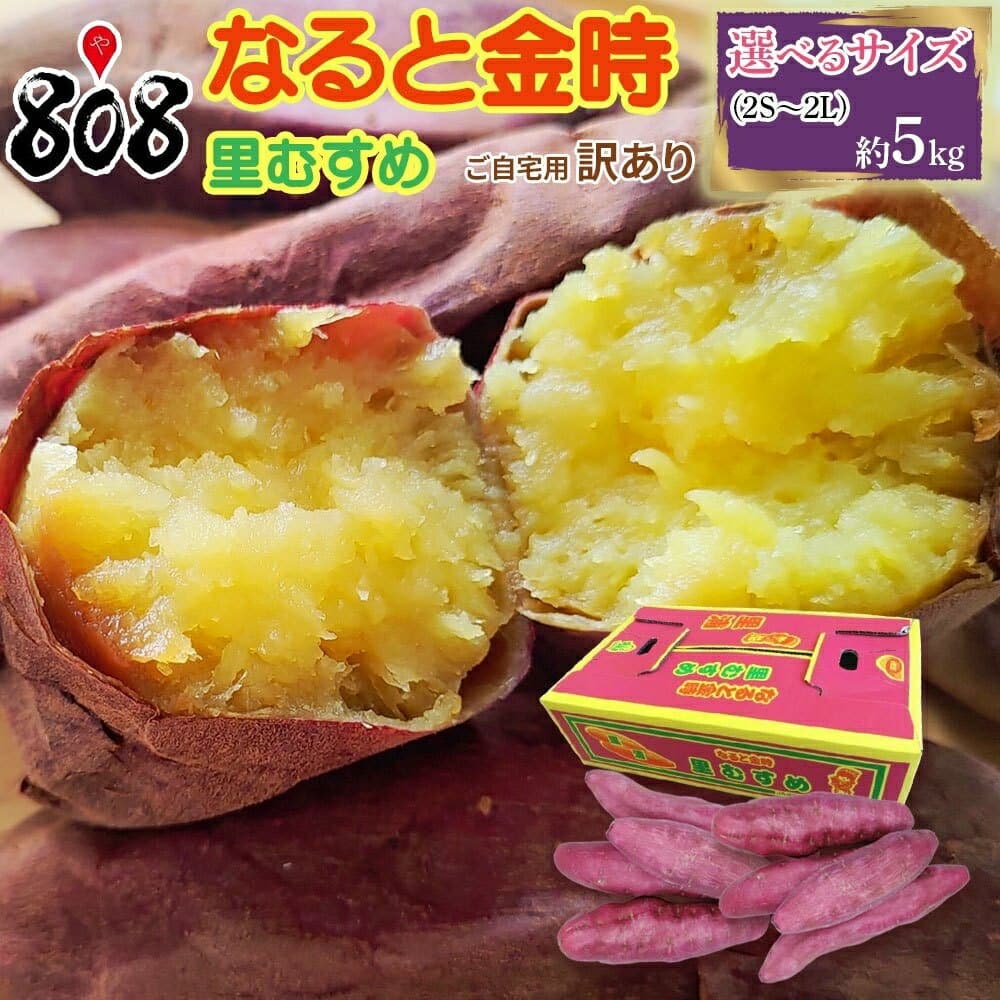
 3 images
Tokushima Narutokintoki Satomusume Sweet Potatoes
【送料無料】【徳島県産】訳あり 新物 なると金時 里むすめ 選べるサイズ 約1kg 約3kg 約5kg(北海道沖縄別途送料加算)
imperfect new harvest, approx. 1kg/3kg/5kg808青果店
4.2 / 673 reviews
Japanese nameなると金時
Naruto Kintoki grows in the sandy fields of Naruto City, Tokushima City, and Itano District, where Setouchi weather, sea-sand soil, harvest timing, and storage shape its golden flesh and clean sweetness.
Information last updated yesterday
3 images【送料無料】【徳島県産】訳あり 新物 なると金時 里むすめ 選べるサイズ 約1kg 約3kg 約5kg(北海道沖縄別途送料加算)
imperfect new harvest, approx. 1kg/3kg/5kg808青果店
4.2 / 673 reviews
 3 images
【送料無料】【徳島県産】訳あり なると金時 里むすめ 2S〜Sサイズ 約10kg(北海道沖縄別途送料加算)
2S-S size, approx. 10 kg808青果店
4.0 / 71 reviews
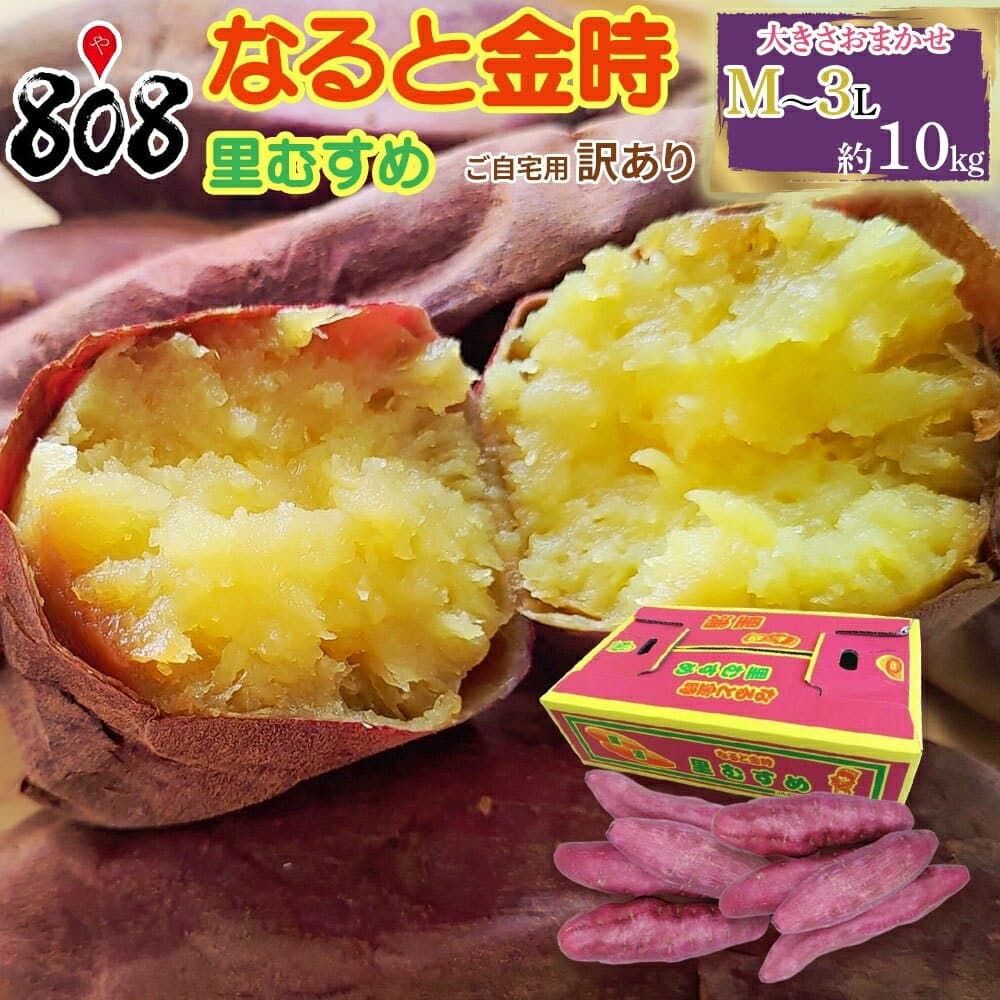 3 images
【送料無料】【徳島県産】訳あり なると金時 里むすめ M〜3Lサイズ 約10kg(北海道沖縄別途送料加算)
imperfect, M-3L size, approx. 10kg808青果店
4.2 / 283 reviews
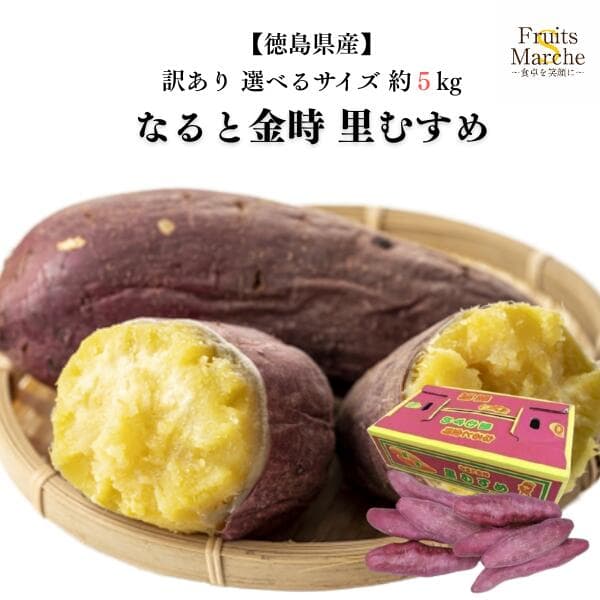 3 images
【送料無料】【徳島県産】訳あり なると金時 里むすめ 選べるサイズ 約5kg(北海道沖縄別途送料加算)
imperfect, approx. 5 kg菜S フルーツマルシェ
4.1 / 30 reviews
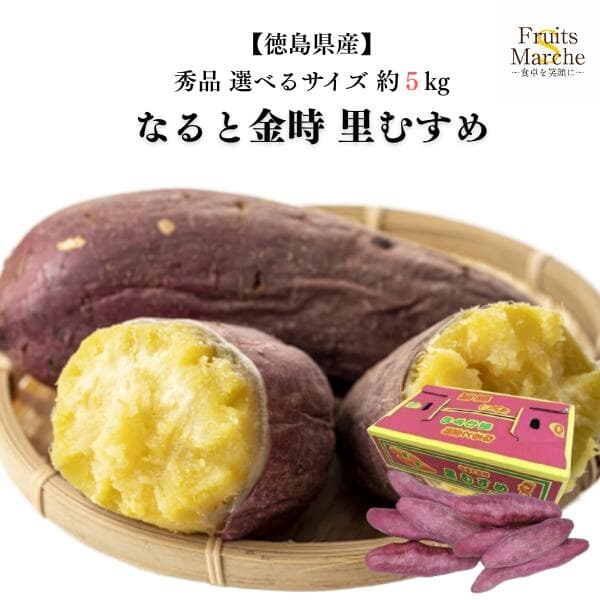 3 images
【送料無料】【徳島県産】秀品 なると金時 里むすめ 選べるサイズ 約5kg(北海道沖縄別途送料加算)
Approx. 5 kg, selectable size菜S フルーツマルシェ
4.2 / 19 reviews
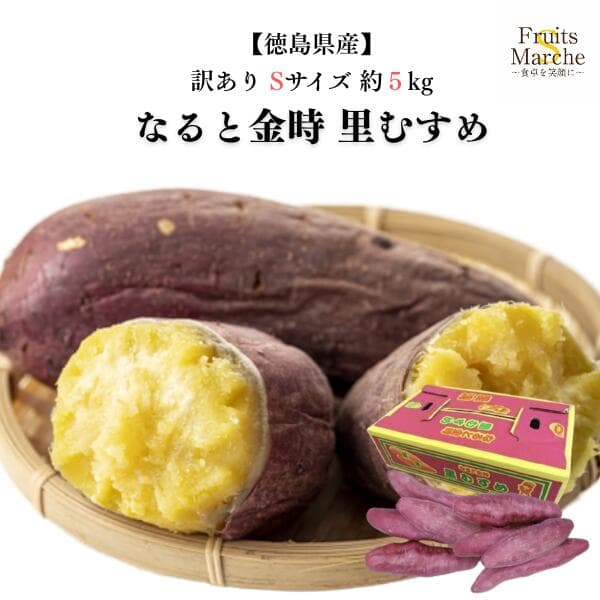 3 images
【送料無料】なると金時 里むすめ さつまいも Sサイズ 約5kg 訳あり 鳴門金時 徳島県産 送料無料(北海道・沖縄県は別途送料加算)
imperfect, S size, approx. 5 kg菜S フルーツマルシェ
3.9 / 34 reviews
First time buying on Rakuten? How residents in Japan order →
All 6 listings of this product on Rakuten, lowest price first.
| Listing | Price | Shop | Reviews | Open listing |
|---|---|---|---|---|
Tokushima Narutokintoki Satomusume Sweet Potatoes imperfect new harvest, approx. 1kg/3kg/5kgLowest priceMost reviewedValue pick | ¥2,500 | 808青果店 | 4.2 / 673 reviews | View on Rakuten → |
Tokushima Naruto Kintoki Satomusume Sweet Potatoes imperfect, S size, approx. 5 kgValue pick | ¥3,680 | 菜S フルーツマルシェ | 3.9 / 34 reviews | View on Rakuten → |
Tokushima Naruto Kintoki Satomusume Sweet Potatoes imperfect, approx. 5 kgValue pick | ¥3,980 | 菜S フルーツマルシェ | 4.1 / 30 reviews | View on Rakuten → |
Tokushima Naruto Kintoki Satomusume Sweet Potatoes imperfect, M-3L size, approx. 10kgValue pick | ¥4,600 | 808青果店 | 4.2 / 283 reviews | View on Rakuten → |
Tokushima Naruto Kintoki Sato Musume Sweet Potatoes Approx. 5 kg, selectable size | ¥4,600 | 菜S フルーツマルシェ | 4.2 / 19 reviews | View on Rakuten → |
Imperfect Tokushima Naruto Kintoki “Sato Musume” Sweet Potatoes 2S-S size, approx. 10 kgValue pick | ¥4,980 | 808青果店 | 4.0 / 71 reviews | View on Rakuten → |
Japanese · new tab
In northeastern Tokushima, Naruto City, Tokushima City, and Itano District give Naruto Kintoki its clearest setting: warm, low-rain Setouchi weather and sandy fields. The sweet potato is tied to Kokei No. 14 and is known for vivid red skin, bright golden flesh, a fluffy chestnut-like texture, and clean sweetness. Harvest centers on late summer through autumn, while storage deepens the sweetness and gives the potato a life beyond the first weeks of the season.
Naruto Kintoki refers to Kintoki sweet potatoes produced in Naruto City, Tokushima City, and Itano District in Tokushima Prefecture. The boundary is practical and visible: sandy fields, a warm climate, and producer communities that include places such as Matsushige, Kita-jima, Sato-ura, and Kawauchi. The name points readers toward a defined growing area rather than a loose regional mood.
The fields are described as sandy sea-soil plots with good drainage and air permeability. Sand is replenished every few years, and minerals associated with seawater are named as part of the growing context. The local character rests in concrete conditions: warm Setouchi weather, limited rainfall, northeastern Tokushima sand, drainage, airflow, and the field work that keeps the soil suited to these sweet potatoes.
Naruto Kintoki is connected with Kokei No. 14, an early-harvest sweet potato cultivar. Around 1980, sweet potatoes grown in the specific Naruto-to-Tokushima area came to be called Naruto Kintoki. Tokushima sweet potato cultivation is also described in late Edo-period context, but the supported modern name rests on Kokei No. 14 and the defined Naruto, Tokushima, and Itano growing area.
The visible signs are direct: vivid red skin and golden flesh. When steamed, roasted, or fried as tempura, Naruto Kintoki is described with a hokuhoku, chestnut-like fluffiness and a sweetness that finishes cleanly. Its table tradition is concrete: a red-skinned sweet potato moving from savory dishes to sweets while keeping its fluffy texture.
The main harvest runs from late summer into autumn. Storage matters because sweetness is described as increasing after the potatoes are kept for a time. At home, handling follows the same concern for texture and moisture: protect the potatoes from drying, keep them in a cool dark place, avoid refrigeration, and wash them only before use.
Naruto Kintoki fits roasted sweet potatoes, tempura, steamed preparations, sweet potato rice, Japanese sweets, and Western-style sweets. Freshly fried tempura shows the fluffy texture and sweetness clearly, while sweet potato rice folds the golden flesh into an everyday bowl. These uses are anchored in texture and color: red skin, golden interior, concentrated sweetness, and a soft, chestnut-like bite.
Several JA names sit inside the broader Naruto Kintoki family. JA Sato-ura uses Sato Musume, JA Otsu Matsushige’s Matsushige branch uses Matsushige Bijin, and JA Tokushima City’s Kawauchi branch uses Amahime. These names give precise local handles for Sato-ura, Matsushige, and Kawauchi, while the available details do not define separate sorting or quality standards among the names.
Naruto Kintoki is easiest to understand through concrete things: sandy fields in northeastern Tokushima, sea-sand soil that drains and breathes, late-summer and autumn harvests, storage that deepens sweetness, and the red skin and golden flesh seen on the plate. In roasted sweet potatoes, tempura, sweet potato rice, and sweets, those field conditions become a fluffy texture and clean, gentle sweetness.
Compiled from public records and official sources; see the recognition links below. Details may change over time.
Where this product is officially registered, designated, or recognized in Japan.
Regional collective trademark
Registered as a Regional Collective Trademark with the Japan Patent Office.
Sources1
It is written as なると金時 in Japanese. Search Rakuten and other Japanese sites with that spelling — the English name will not bring up the listings.
Naruto kintoki sweet potato is a Kintoki sweet potato grown in the sandy fields of Naruto City, Tokushima City, and Itano District in Tokushima Prefecture, and it is tied to Kokei No. 14. Its warm Setouchi climate, sea-sand soil with drainage and air permeability, periodic sand replenishment, and storage after harvest support its red skin, golden flesh, fluffy chestnut-like texture, and clean sweetness. Common uses include roasting, tempura, steaming, sweet potato rice, Japanese sweets, and Western-style sweets.
Naruto Kintoki refers to Kintoki sweet potatoes produced in Naruto City, Tokushima City, and Itano District in Tokushima Prefecture. Naruto Kintoki is connected with the early-harvest cultivar Kokei No. 14, and the name came into use around 1980 in the specific Naruto-to-Tokushima area. The growing context includes sandy sea-soil fields with good drainage and air permeability, plus sand replenishment every few years. The sweet potato is described by red skin, golden flesh, chestnut-like fluffy texture, and clean sweetness.
Simple roasting highlights the mild sweetness, golden flesh, and fluffy texture. Freshly fried tempura shows the sweetness and hokuhoku texture clearly. Tokushima City presents Naruto Kintoki rice as a recommended preparation alongside steaming, roasting, and tempura.
Storage varies by product — shelf-stable, refrigerated, or frozen — and is stated on the packaging and the Rakuten listing. Shelf-stable processed foods usually need refrigerating once opened and eating within a few days; chilled and frozen items go straight into storage on arrival. Treat the best-before date on the physical packaging as authoritative.
Most options are shelf-stable, boxed, and travel well, so they suit gifting or bringing home. Confirm the final storage and delivery terms on the Rakuten listing.
On Rakuten: the shops listed here right now are 808青果店, 菜S フルーツマルシェ. We don't sell directly; purchase, payment, stock, and delivery are all handled on the Rakuten product page.