 3 images
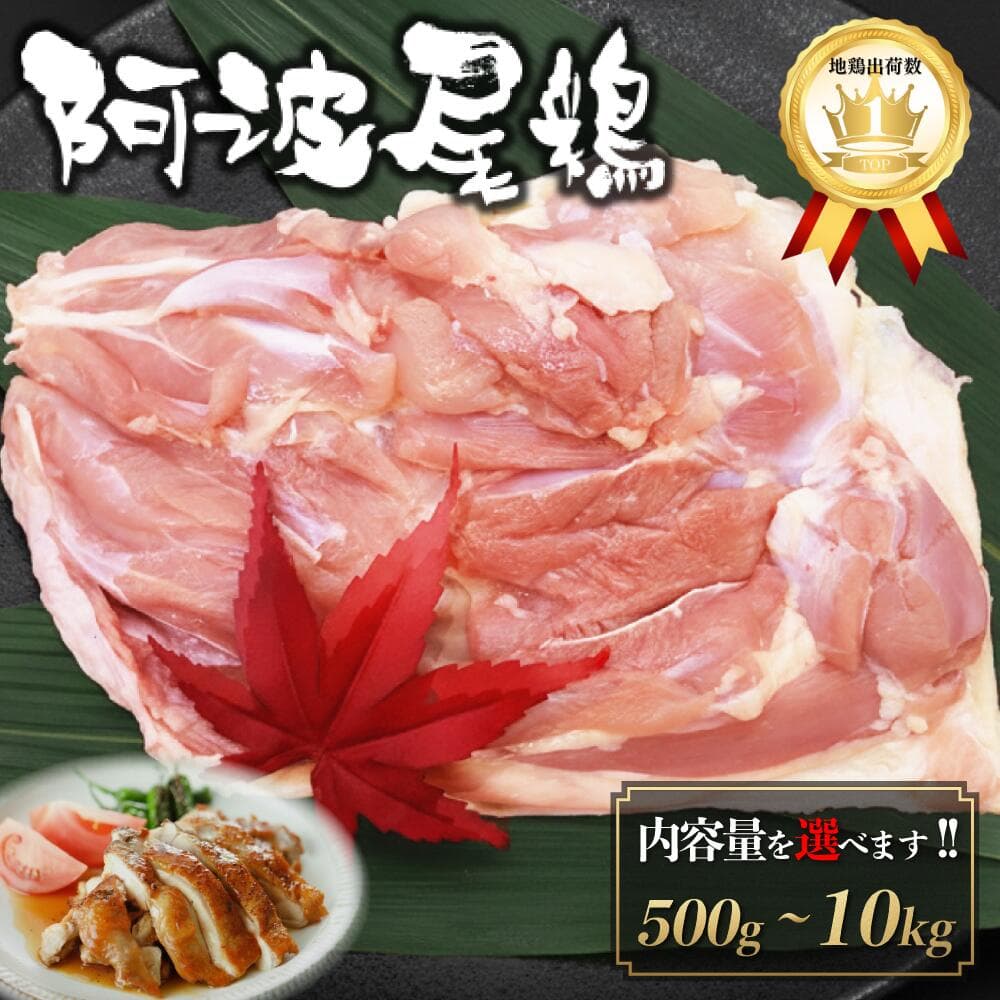
Tokushima Awaodori Chicken Thigh
徳島県産 阿波尾鶏 もも肉 500g-10kg チルド 個包装 竹皮付き 特大 筋取り済み JAS認定 高級 地鶏 国産 冷蔵 鶏肉 真空パック 抗生物質不使用 プレゼント 水炊き お鍋 ギフト 小分け 御祝 内祝
500g-10kg, chilled individual packsとりよし
5.0 / 17 reviews
Japanese name阿波尾鶏
Red-sasa Shamo, White Plymouth Rock, and at least 75 days of rearing shape Awaodori chicken, from reddish low-fat meat and firm bite to Gozen miso soup, oyakodon, hot pot, and karaage.
Information last updated 120 days ago
3 images徳島県産 阿波尾鶏 もも肉 500g-10kg チルド 個包装 竹皮付き 特大 筋取り済み JAS認定 高級 地鶏 国産 冷蔵 鶏肉 真空パック 抗生物質不使用 プレゼント 水炊き お鍋 ギフト 小分け 御祝 内祝
500g-10kg, chilled individual packsとりよし
5.0 / 17 reviews
 3 images
送料無料 阿波尾鶏(あわおどり) 鶏もも肉1kg 徳島の地鶏【冷凍便同梱不可】肉 お中元/お歳暮/父の日/母の日/敬老の日
1 kg徳島県物産センター
4.2 / 23 reviews
 3 images
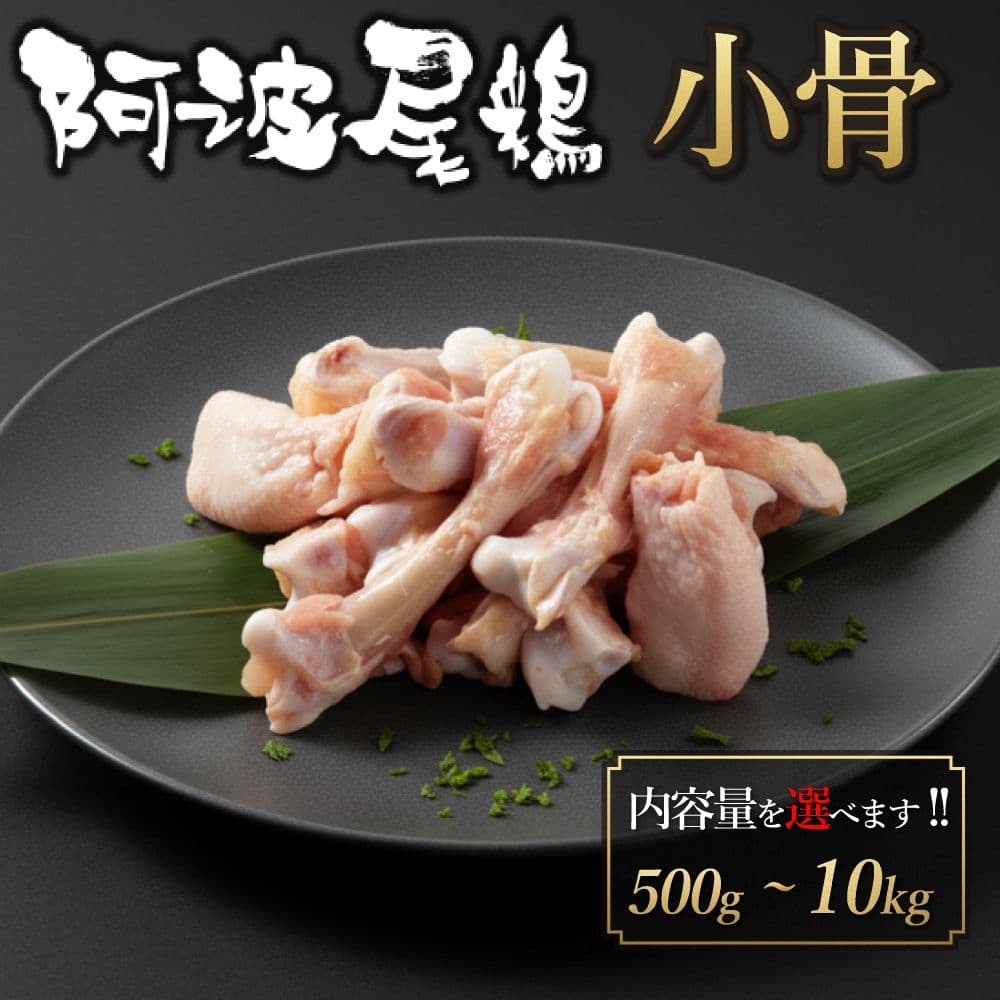
徳島県産 阿波尾鶏 小骨 500g-10kg 鶏肉 鳥肉 白湯 水炊き ちゃんこ鍋 出汁 生肉 ギフト 小分け チルド 冷蔵
500g-10kgとりよし
4.5 / 4 reviews
First time buying on Rakuten? How residents in Japan order →
Awaodori chicken is a meat chicken developed in Tokushima. Its line crosses improved red-sasa Shamo or Awa Jidori males with White Plymouth Rock females, and its name links Awa Odori with the bird's upright tail feathers. The product comes into focus through the poultry work that began in fiscal 1978, the western and southern Tokushima rearing areas, the 75-day minimum, and meat described as reddish, low in fat, rich in umami, and firm when chewed.
In fiscal 1978, Tokushima's livestock testing station began work on a new jidori chicken. Imported broiler meat from countries such as Brazil was pressing local poultry farmers, and the field asked for a tastier chicken; Tokushima also had a background as a supplier of live chickens to Osaka, with many small producers in hilly and mountainous areas. The shift took shape through breeding trials and poultry-house practice. Researchers selected and fixed the red-sasa Shamo line long kept in Tokushima mountain areas, then tested crosses with White Plymouth Rock until a practical meat chicken could reach shipping weight.
Awaodori chicken rests on two breeding roles. The red-sasa Shamo, also described as Awa Jidori, supports Shamo-line flavor and a firm bite; the White Plymouth Rock female line adds growth and egg-laying traits that make chick supply and shipping weight workable. The name is tied to concrete Tokushima images. Awa Odori is the prefecture's summer dance, while the word tail in Awaodori chicken points to the bird's upright tail feathers; dance and stance meet in the same regional name.
Awaodori chicken is raised mainly in western and southern Tokushima in roomier surroundings. The birds are reared for at least 75 days, and after 28 days of age the density is no more than 10 birds per square meter; time and space help separate the meat from shorter, denser broiler production. The JAS and geographical-indication context points back to tangible limits: Tokushima production, breed crossing, rearing days, and house density. On the plate, those limits are felt as meat color, lower fat, and resilient bite.
The meat profile is concrete at the level of a 100-gram portion of breast meat: 23.8 grams of protein and 0.5 grams of fat for Awaodori chicken, against 21.1 grams of protein and 1.5 grams of fat for broiler breast. Inosinate, one umami component, is 0.26 for Awaodori chicken breast and 0.18 for broiler breast. Color and texture have their own markers. The thigh redness value is 10.28, above the broiler value of 9.62, and breast shear force is 9.2 kg/cm2, above 7.1 kg/cm2; in eating terms, that means a slightly redder color, lower fat, sweetness and umami, and a chew that remains present.
The cooking settings are specific. Tokushima-born cooking researcher Chinami Hamauchi created Awa no Kuni miso chicken soup with Awaodori chicken and Gozen miso, putting chicken and Tokushima miso in one bowl. Ponzu oyakodon uses thigh meat, and chicken-meatball chanko hot pot uses minced Awaodori chicken, carrying different parts into rice and shared-pot cooking. At Turn Table, Awaodori chicken appears as karaage at lunch and on grilled meat plates at night; the same meat can move from soup and rice bowl to frying and grilling without losing the cue of firm bite.
The Marumoto, Dandan Farm, and Ondan Agricultural Cooperative case places Awaodori chicken inside a connected setting of raising, processing, and product development. Dandan Farm handles fattening, Ondan Agricultural Cooperative is involved in meat processing, and JA West Japan Kumiai Shiryo appears in feed collaboration. The same producer network extends breast meat into processed foods. Breast meat is skinned, dried, smoked, and shaved, and the case also includes curry, canned foods, and meat miso; this is one network's practice, keeping the detail bounded while showing how breast meat can travel beyond the usual cut-by-cut cooking.
Awaodori chicken becomes clear through Tokushima time and place: breeding work that began in fiscal 1978, the cross of red-sasa Shamo and White Plymouth Rock, at least 75 days in western and southern poultry houses, and a density boundary of no more than 10 birds per square meter after 28 days. In Gozen miso soup, oyakodon, hot pot, or karaage, the taste carries those poultry houses, breed choices, and cooking uses into the same bowl or plate.
Compiled from public records and official sources; see the recognition links below. Details may change over time.
Where this product is officially registered, designated, or recognized in Japan.
Geographical Indication (GI)
Registered under Japan's Geographical Indication Protection System, run by the Ministry of Agriculture, Forestry and Fisheries.
Sources1
It is written as 阿波尾鶏 in Japanese. Search Rakuten and other Japanese sites with that spelling — the English name will not bring up the listings.
Awaodori chicken is a meat chicken developed in Tokushima Prefecture by crossing red-sasa Shamo or Awa Jidori males with White Plymouth Rock females. Development began in fiscal 1978 amid rising imported broiler meat and farmer demand for tastier chicken. It is raised at least 75 days in western and southern Tokushima, kept at no more than 10 birds per square meter after 28 days, and known for reddish color, low fat, and a firm, umami-rich bite.
The name Awaodori chicken links Tokushima's Awa Odori dance with the bird's upright tail feathers. After 28 days of age, the stated rearing density is no more than 10 birds per square meter. Awaodori chicken breast is listed at 23.8 grams protein and 0.5 grams fat per 100 grams, with an inosinate comparison value of 0.26. Thigh meat redness is listed at 10.28, and breast shear force at 9.2 kg per square centimeter.
Awaodori chicken is used in home-style dishes such as Tokushima's Awa no Kuni miso chicken soup, a ponzu oyakodon made with thigh meat, and a microwave chicken-meatball chanko hot pot. At the Tokushima antenna-shop restaurant Turn Table, it is served as karaage at lunch and on grilled meat plates at night. One producer group, including Marumoto, processes breast meat into croquettes, curry, canned products, meat miso, emergency food, and a smoked shaved product, handling thigh and breast meat separately.
Storage varies by product — shelf-stable, refrigerated, or frozen — and is stated on the packaging and the Rakuten listing. Shelf-stable processed foods usually need refrigerating once opened and eating within a few days; chilled and frozen items go straight into storage on arrival. Treat the best-before date on the physical packaging as authoritative.
Most options are shelf-stable, boxed, and travel well, so they suit gifting or bringing home. Confirm the final storage and delivery terms on the Rakuten listing.
On Rakuten: the shops listed here right now are とりよし, 徳島県物産センター. We don't sell directly; purchase, payment, stock, and delivery are all handled on the Rakuten product page.