 3 images
HAZYSTONE Oshima Stone Chips from Ehime
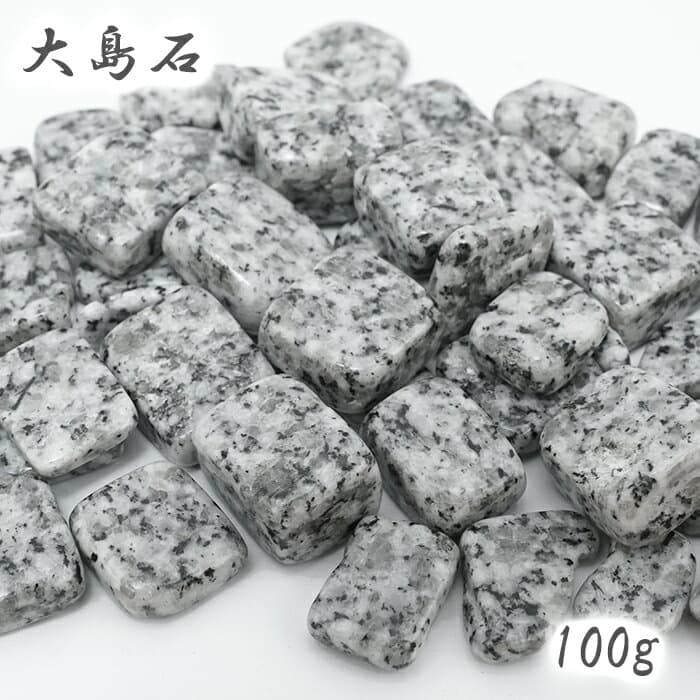
さざれ 100g 大島石 日本銘石 愛媛県産 HAZYSTONE ヘイジーストーン 天然石 パワーストーン カラーストーン
100g天然石工房 翡翠
5.0 / 1 reviews
Japanese name大島石
On northern Oshima in Imabari, Ehime, hard gray-black granodiorite takes on a bluish polish, linking quarries, castle memory, public buildings, gravestones, and hands-on stone learning.
Information last updated 119 days ago
3 imagesさざれ 100g 大島石 日本銘石 愛媛県産 HAZYSTONE ヘイジーストーン 天然石 パワーストーン カラーストーン
100g天然石工房 翡翠
5.0 / 1 reviews
 3 images
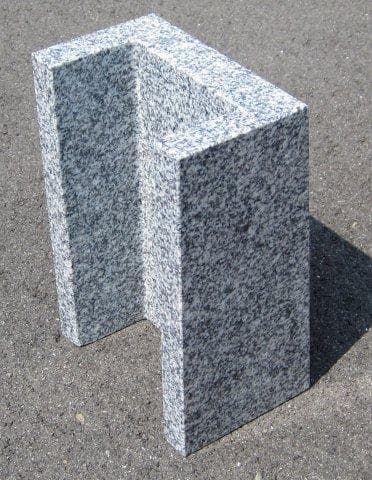
【国産・日本産・愛媛県産】【大島石 : コの字塔婆立】【墓石用品】【墓石小物用品】【簡単設置 : 石材用ボンド付】【簡単設置(下場平切)】
stone adhesive included石の里 SiN
5.0 / 1 reviews
 3 images
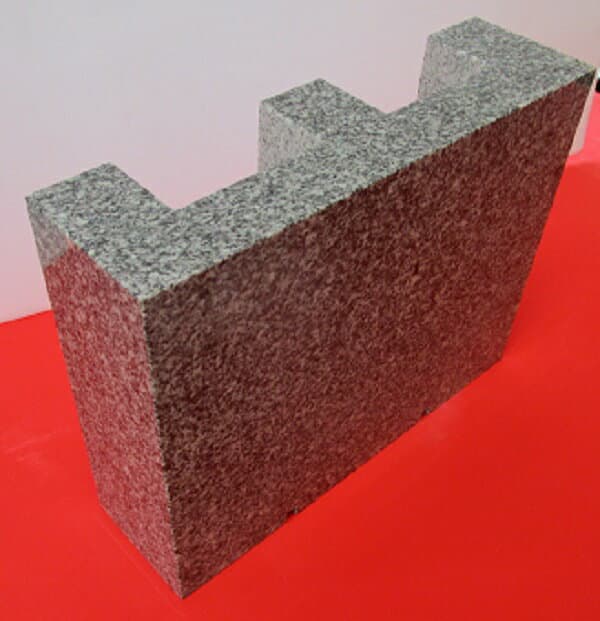
【大島石】【塔婆立:「コの字」石の塔婆立2連】【簡単設置(下場平切)】(石材用ボンド付)
2-slot, stone adhesive included石の里 SiN
4.5 / 2 reviews
First time buying on Rakuten? How residents in Japan order →
In the Ochi Islands of the Seto Inland Sea, northern Oshima is known for a dense gray-black stone called Oshima stone. Miyakubo in Imabari is recognized locally as a stone town, and the Stone Culture Heritage Hall uses stone throughout its building, displays, outdoor sculptures, and monuments so visitors can see and touch the material at close range. Oshima stone is granodiorite: fine to medium grained, hard, resistant to weathering, and bluish on the polished surface because of its plagioclase-rich mineral makeup.
Oshima stone comes from Oshima in Imabari, Ehime, with its main distribution centered on the northern part of the island. Quarry areas are found in Miyakubo and Yoshiumi, with a concentration on the eastern slope of Nenbutsuyama; the Stone Culture Heritage Hall stands at 3546 Miyakubo, Miyakubo-cho, Imabari, giving the stone town a concrete public doorway.
The local identity here is visible in place and work: northern Oshima quarry land, a stone-filled hall in Miyakubo, stone businesses in Yoshiumi, and a stone-processing cooperative in Imabari. Walls, outdoor carvings, and polished surfaces around Miyakubo all point back to the same island rock body and the communities that cut, move, shape, and maintain it.
Oshima stone is more precisely described as granodiorite. Compared with standard granite, it is richer in dark minerals and plagioclase; it is gray-black, fine to medium grained, dense, and hard. When polished, the surface shows a bluish cast linked to plagioclase, a feature behind the older name ao-mikage, or blue granite-like stone.
That color is tied to use as well as appearance. Oshima stone is described as resistant to weathering, able to keep its gloss, and unlikely to discolor; the Stone Culture Heritage Hall also presents it as a stone that gains character with polishing. On a gravestone face, a building edge, or an outdoor monument, the blue tone is the visible result of mineral composition, polishing, and long exposure to the elements.
Local memory connects Oshima stone with the construction of Imabari Castle, placing the stone within Imabari and Oshima's remembered stonework. From the Meiji era onward, transport roads, ports, and wider sales routes helped Oshima stone move into larger works beyond the island.
Named uses show the breadth of that movement. Regional accounts list foundation stones for the Imperial Palace reconstruction, work connected with the Kure naval port, Osaka Shinsaibashi, Dogo Onsen, the first annex of the Ehime Prefectural Government, the prefectural assembly building, and the prefectural culture hall; the Stone Culture Heritage Hall also names the National Diet Building and Osaka Shinsaibashi. Castle memory, harbor works, bridges, and public buildings give Oshima stone a history measured in weight, surface, and place.
Oshima stone was once used broadly for bridges, stone walls, coastal works, and building stone. After the war, as the cement industry grew, its uses narrowed, and production came to center on gravestone material. A 1983 product-weight account says cut stone for cemetery-related goods made up most of the output at about 28,500 tons; a 1981 breakdown also placed fine-grained stone for cemetery-related use in the high-grade category.
The connection with gravestones rests on specific material traits: fine grain, hardness, weathering resistance, gloss retention, and resistance to discoloration. The Imabari-city Stone Processing Cooperative was established in 1979 and lists eight member companies, with work tied to cemetery stone construction, repair, relocation, removal, and related stone processing. Through those workshops and businesses, Oshima stone moves from quarry blocks into shaped stone and long-term care.
Earlier quarry work depended on chisels, hammers, mine carts, horse-drawn transport, and stone boats. In the Showa period, rock drills, jet burners, backhoes, cable cranes, trucks, ferries, and direct transport routes changed how blocks were cut from the rock, moved down from the quarry, and sent out from the island.
Mechanization made the scale of the work easier to grasp. A fresh block had to be split from a rock body with few cracks, moved, cut, processed, and finished as gravestone material, building stone, or sculpture material. In Yoshiumi, Seizan handles Oshima stone from quarrying through processing, sales, and installation, showing how one local stone business can span the mountainside, the workshop, and the final site.
At the Stone Culture Heritage Hall in Miyakubo, Oshima stone appears beside stones from around the world, and outdoor sculptures and simple monuments invite close viewing and touch. The hall also presents stone history and culture; here, culture means the building's stone surfaces, outdoor works, displays, and Miyakubo's quarry memory.
In Yoshiumi, Seizan opens its headquarters as the Ishi Konjaku Gallery, displaying stone objects and ornaments and serving as a social-learning site for local elementary and junior high school students. Stone-splitting and stonework experiences bring Oshima stone back to hands, tools, chips, and surfaces, keeping the work of Miyakubo and Yoshiumi visible beyond finished gravestones and buildings.
Oshima stone is clearest in concrete form: northern Oshima quarry land, Miyakubo's stone hall, Yoshiumi stone businesses, gray-black granodiorite, a bluish polished surface, and the shift from hand tools to cable cranes and heavy equipment. It has moved through castle memory, modern buildings, gravestones, sculpture, exhibitions, and school learning, leaving Imabari's stonework visible in public places and everyday touch.
Compiled from public records and official sources; see the recognition links below. Details may change over time.
Where this product is officially registered, designated, or recognized in Japan.
Regional collective trademark
Registered as a Regional Collective Trademark with the Japan Patent Office.
Sources1
It is written as 大島石 in Japanese. Search Rakuten and other Japanese sites with that spelling — the English name will not bring up the listings.
Oshima granite is a stone material from the northern part of Oshima in Imabari, Ehime. It is described as granodiorite: gray-black, fine to medium grained, dense, hard, bluish when polished because of plagioclase, and resistant to weathering, gloss loss, and discoloration. It was once used for bridges, stone walls, coastal works, and building stone, while postwar production centered on gravestones. Miyakubo's Stone Culture Heritage Hall and Yoshiumi's Ishi Konjaku Gallery keep the stone visible through displays, sculptures, and hands-on learning.
Oshima stone comes from Oshima in Imabari, Ehime, with its main distribution centered on the northern part of the island and quarry areas in Miyakubo and Yoshiumi. Oshima stone is described as granodiorite with gray-black color, fine to medium grain, dense texture, and hardness. The polished surface of Oshima stone has a bluish cast linked to plagioclase, and the stone is described as resistant to weathering, gloss loss, and discoloration. Oshima stone was once used for bridges, stone walls, coastal works, and building stone; after the war, production came to center on gravestone material.
Oshima stone production today centers on gravestone material, mainly as cut stone, with fine-grained stone regarded as a premium grade for gravestone use. It was once used as a high-grade building material, including in the Osaka Shinsaibashi bridge, the Nara Imperial Museum, Dogo Onsen, the Ehime prefectural office annex, the prefectural assembly hall, and the prefectural citizens' culture hall. The Stone Culture Heritage Hall offers a stone-splitting experience, and Yoshiumi's Ishi Konjaku Gallery serves as a site for local elementary and junior high social studies as well as stone-crafting experiences.
Keep craft pieces out of direct sunlight, damp, and sharp temperature swings, and store them where they won't knock against anything. Wood, bamboo, lacquer, and paper don't tolerate water — wipe any moisture off immediately. Specific care notes are on the listing.
Most options are shelf-stable, boxed, and travel well, so they suit gifting or bringing home. Confirm the final storage and delivery terms on the Rakuten listing.
On Rakuten: the shops listed here right now are 天然石工房 翡翠, 石の里 SiN. We don't sell directly; purchase, payment, stock, and delivery are all handled on the Rakuten product page.