 3 images
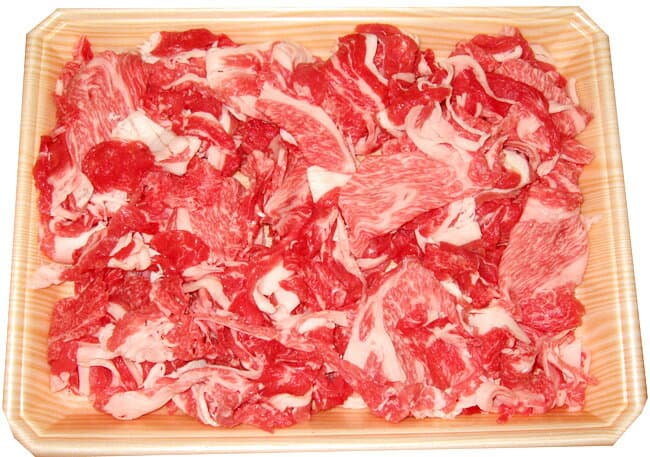
Tosa Akaushi Wagyu Beef Offcuts
土佐あかうし 土佐和牛 切り落とし(こまぎれ)500g wagyu 土佐赤牛 和牛 牛肉 焼肉 ステーキ しゃぶしゃぶ 高級 ギフト プレゼント お取り寄せ 産地直送 お中元 お祝い(MM-100015)【Cool delivery】
500gアグリファーム高知
4.8 / 6 reviews
Japanese name土佐あかうし
This Kochi-line Japanese Brown wagyu is recognized by its brown coat and black markings. Its path runs from rice-field work cattle to lean beef, with taste shaped by fattening, aging, red-meat evaluation, and producer towns across Kochi.
Information last updated 119 days ago
3 images土佐あかうし 土佐和牛 切り落とし(こまぎれ)500g wagyu 土佐赤牛 和牛 牛肉 焼肉 ステーキ しゃぶしゃぶ 高級 ギフト プレゼント お取り寄せ 産地直送 お中元 お祝い(MM-100015)【Cool delivery】
500gアグリファーム高知
4.8 / 6 reviews
 3 images
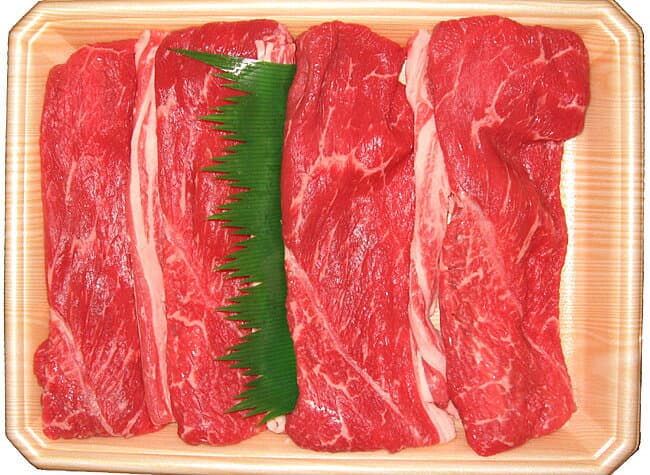
土佐あかうし 土佐和牛 すき焼用スライス(モモ・肩・バラ) 500g wagyu 土佐赤牛 和牛 牛肉 焼肉 ステーキ しゃぶしゃぶ 高級 ギフト プレゼント お取り寄せ 産地直送 お中元 お祝い(MM-100010)【Cool delivery】
500g, round/shoulder/bellyアグリファーム高知
4.3 / 4 reviews
 3 images
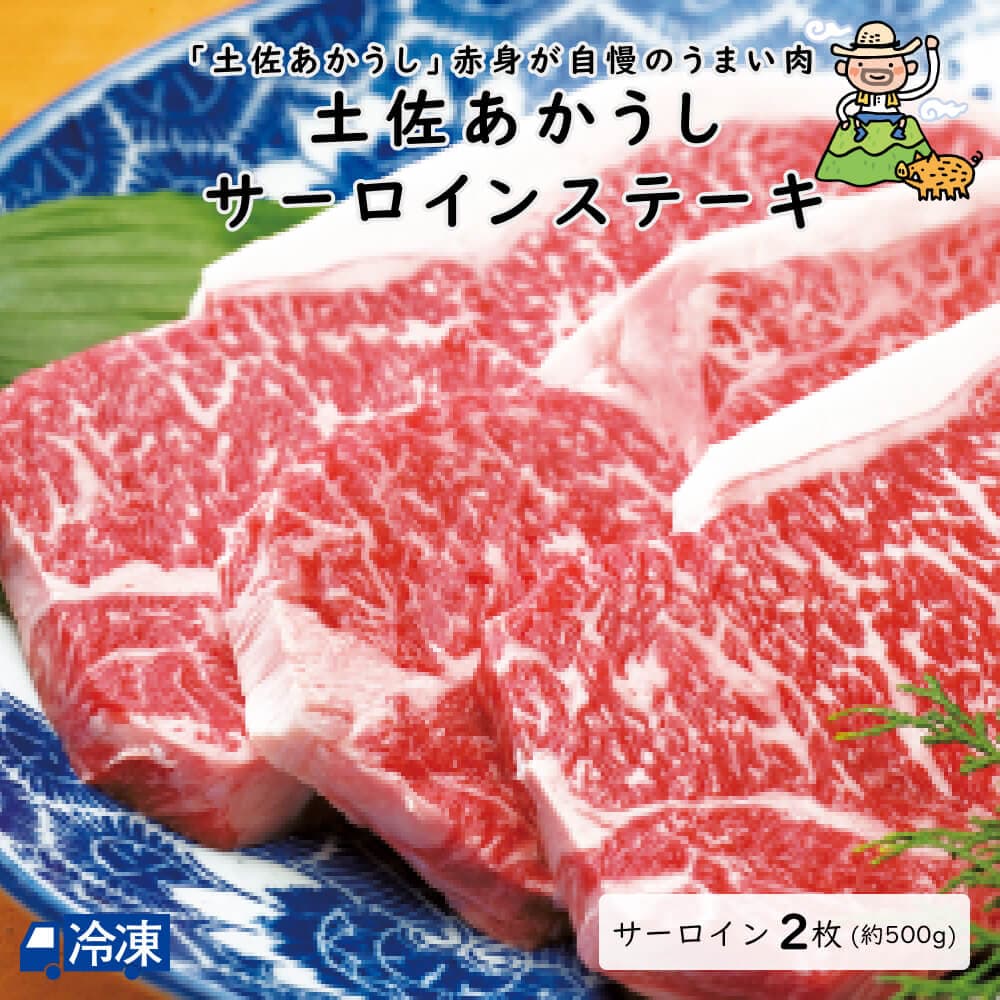
土佐あかうしサーロインステーキ【約250g×2枚】 土佐あかうし 和牛 牛肉 土佐 あかうし 赤牛 【冷凍発送】
approx. 250g x 2 steaks土佐のグルメ すえひろ屋
First time buying on Rakuten? How residents in Japan order →
In Kochi Prefecture, Tosa Akaushi refers to the Kochi line of Japanese Brown wagyu. The cattle have brown coats with black around the eyes, nose, hooves, horn tips, and tail, a visual difference from the Kumamoto line. Brown cattle first came from Kyushu in the mid-Meiji era and worked in rice-growing households; today the beef is known for lean-meat umami with moderate marbling. Fattening to around 28 months, amino acids tied to umami and sweetness, aging, and the TRB red-meat standard all help explain why this family is discussed through red meat rather than heavy fat.
The first clue is visual. Japanese Brown cattle include Kochi and Kumamoto lines, and the Kochi line carries black markings around the eyelids, eyelashes, nose, hooves, horn tips, tongue, tail switch, and other points. Against the brown coat, those markings form the kewake pattern that separates Tosa Akaushi from the Kumamoto line. Within Kochi, the cattle are also called Tosa Brown, and individual pedigree management supports continued improvement inside the prefecture. On shiba-grass pasture, the brown body and dark eye line stand out in scenes of mother cows and calves. The breed line’s place image is concrete: shiba grass, black markings, mother cows, and calves.
Brown cattle arrived in Kochi from Kyushu in the middle of the Meiji era. Farmers in double-crop rice areas kept them as work cattle because they were calm, agile, tolerant of heat, and able to handle rough feed. In that setting, useful traits meant daily farm labor: steady temperament, quick movement, summer resilience, and feed that matched rural conditions. Kewake cattle were especially favored because they combined the visible black-marked look with strong work ability and good meat quality, forming the base for later breed development.
The 1918 thirty-year cattle-improvement plan shaped the next phase. Kochi selected strong animals from within prefectural herds and used closed breeding; in 1944 the line was recognized as Japanese Brown. After the late 1950s, the value of wagyu shifted from draft work toward beef, and improvement increasingly focused on meat-producing ability. The population later became small enough to require sustained local work. More than 30,000 were kept in the Showa 30s, but the number fell to 1,595 by 2014; by February 1, 2024, it had risen to 2,445 through efforts by Kochi Prefecture, agricultural cooperatives, and producers. The numbers make continuity concrete: a Kochi herd line survived by being managed as a small, named cattle community.
The modern taste centers on lean meat with moderate marbling. Cattle are fattened to around 28 months, and the lean portion contains amino acids associated with umami and sweetness; aging can increase umami and concentrate aroma. That profile explains the cooking contexts around the beef. Salt-grilled steak and yakiniku show the red meat directly, lean thigh can become roast beef, and the clean feel of the fat after cooling makes the meat usable in Japanese cooking as well as French and Italian dishes. Tosa Jukusei Akaushi presents one aged style, with deeper umami, sweetness, and aroma after long aging.
Kochi’s TRB standard gives red meat a detailed vocabulary. It looks at ribeye area, thin subcutaneous fat, ribeye shape, intermuscular fat, fine marbling, shipment age, yield standard, and rib thickness. Those points keep the discussion grounded in carcass details. The size of the cut surface, the thickness of fat, the fineness of marbling, and the shipment age all become part of the way Tosa Akaushi is judged as lean-meat wagyu.
Today, Tosa Akaushi producers are tied to Motoyama, Shimanto Town, Tosa Town, Nankoku, and Shimanto City. The names turn the beef back toward the Kochi map, from mountain and rural areas to towns where cattle work continues. On the table, the same family appears through salt grilling, yakiniku, roast beef, aged meat, and local events. In wider Kochi food travel, it is described through rich red-meat umami, gentle fat sweetness, and tender texture, alongside other regional food experiences. The place names and the taste notes point to the same center: a Kochi-bred Japanese Brown line built around red meat.
Tosa Akaushi is easiest to understand through concrete details: brown cattle brought from Kyushu, black kewake markings, the 1918 closed-breeding plan, the post-1950s move toward beef, fattening to around 28 months, TRB red-meat evaluation, and producer towns such as Motoyama and Shimanto. The beef’s identity remains tied to Kochi because its visible traits, bloodline management, lean-meat flavor, and producer geography all lead back to the prefecture.
Compiled from public records and official sources; see the recognition links below. Details may change over time.
Where this product is officially registered, designated, or recognized in Japan.
Regional collective trademark
Registered as a Regional Collective Trademark with the Japan Patent Office.
Sources1
It is written as 土佐あかうし in Japanese. Search Rakuten and other Japanese sites with that spelling — the English name will not bring up the listings.
Tosa akaushi beef is Kochi-line Japanese Brown wagyu improved within Kochi Prefecture and recognized by a brown coat with black kewake markings. Brown cattle came from Kyushu in the mid-Meiji era and worked in double-crop rice areas; from 1918, closed breeding inside Kochi herds shaped the line. Today the taste profile centers on lean umami and moderate marbling, with cattle fattened to around 28 months.
Tosa akaushi numbers moved from more than 30,000 in the Showa 30s to 1,595 in 2014 and 2,445 by February 1, 2024. The 1918 thirty-year improvement plan used closed breeding within Kochi herds; in 1944 the line was recognized as Japanese Brown, and after the late 1950s improvement turned toward beef traits. The TRB system evaluates red-meat traits such as ribeye area, thin subcutaneous fat, ribeye shape, intermuscular fat, fine marbling, and shipment age. The Kochi line is identified by a brown coat with black markings around the eyes, nose, hooves, horn tips, tail switch, and related points.
Kochi Prefecture recommends simple preparations such as salt-grilled steak or yakiniku because they show the balance of umami-rich lean meat and moderate marbling. Roast beef made with thigh lean meat is a suitable use, and the meat is used in French, Italian, and Japanese cooking, with fat that remains clean when cooled. Long-aged Tosa akaushi (土佐熟成あかうし) is served by recognized handling shops, with stronger umami, sweetness, and aroma after aging.
Storage varies by product — shelf-stable, refrigerated, or frozen — and is stated on the packaging and the Rakuten listing. Shelf-stable processed foods usually need refrigerating once opened and eating within a few days; chilled and frozen items go straight into storage on arrival. Treat the best-before date on the physical packaging as authoritative.
Most options are shelf-stable, boxed, and travel well, so they suit gifting or bringing home. Confirm the final storage and delivery terms on the Rakuten listing.
On Rakuten: the shops listed here right now are アグリファーム高知, 土佐のグルメ すえひろ屋. We don't sell directly; purchase, payment, stock, and delivery are all handled on the Rakuten product page.