 3 images
Tosa Forged Outdoor Knife
土佐打刃物 キャンプ アウトドア BBQ 鍛造アウトドアナイフ 渓流釣り 防災用 日本製 オリジナル
表札 お庭の達人きむさんの工房
4.9 / 10 reviews
Japanese name土佐打刃物
In Kochi, iron, carbon steel, wood handles, and free forging shape sickles, nata, axes, saws, hoes, and kitchen knives for the old Tosa region.
Information last updated 120 days ago
3 images土佐打刃物 キャンプ アウトドア BBQ 鍛造アウトドアナイフ 渓流釣り 防災用 日本製 オリジナル
表札 お庭の達人きむさんの工房
4.9 / 10 reviews
 3 images
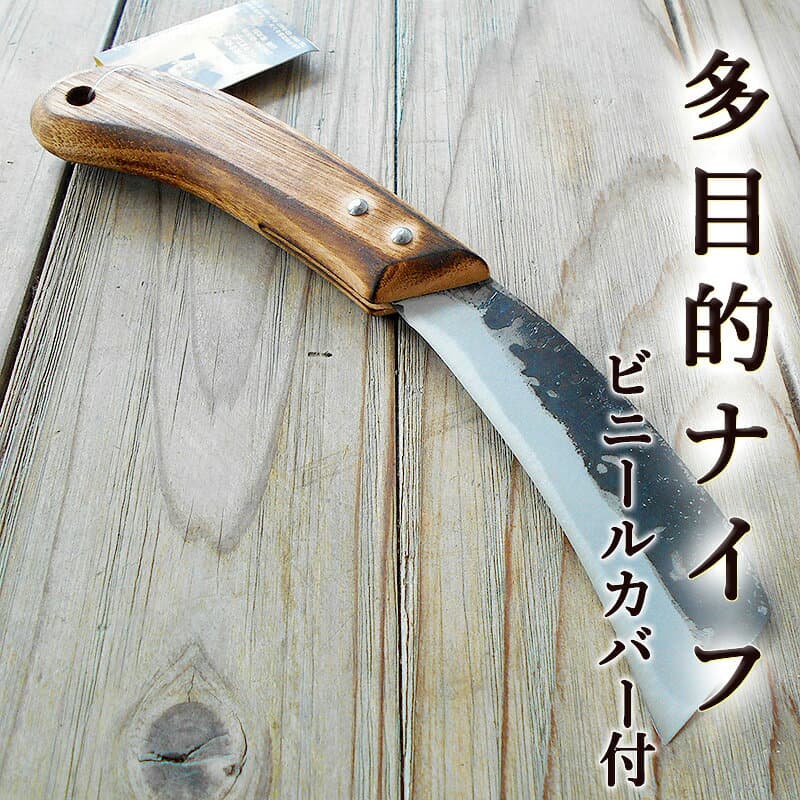
多目的ナイフ 万能ナイフ ビニールカバー付き 送料無料 黒打 100mm 白紙2号 両刃 ZAKURI 土佐打刃物 アウトドア キャンプ 山菜採り 竹細工 凧製作 竹とんぼ 竹ひご切り出し 木材加工 自由鍛造 japanese knife
100mm blade, vinyl coverアグリファーム高知
5.0 / 2 reviews
First time buying on Rakuten? How residents in Japan order →
Tosa uchihamono begins with work. In Kochi, the former Tosa province, sickles may change length and handle angle between plains and mountain areas, while nata, axes, saws, hoes, and kitchen knives answer different motions of cutting, clearing, digging, and cooking. Around places such as Kami, Nankoku, Tosa, Ino, Susaki, Kochi, Aki, and Tosashimizu, smiths heat iron and carbon steel, hammer the metal longer and wider, and shape a blade around use, soil, body height, and balance in the hand.
Tosa uchihamono is a Kochi metalwork blade family rooted in the old Tosa region. Production is described across eastern and central Kochi, including Kami, Nankoku, Tosa, Ino, and Susaki, with wider manufacturing areas also named in Kochi City, Aki, Tosashimizu, and nearby places. The geography matters because the blades developed as working objects across multiple blacksmithing communities.
The forest and farm landscape gives the blades their concrete range. Sickles, nata, axes, saws, and hoes belong to agricultural and forestry work; kitchen knives belong to cooking work. Each form carries a task: clearing grass, cutting branches, shaping wood, turning soil, or preparing food. When people call this a local tradition, the word points to those named tools, those landscapes, and the hands that use them.
The central method is jiyu tanzo, or free forging. Smiths heat iron, carbon steel, or both, then hammer the metal longer and wider without relying on a fixed die. Dimensions and handle angles can be adjusted for use, place, soil, and body height. A hoe can take a San'in-style or Tosa-style form; a sickle can change between a shorter plains version and a mountain version with a longer handle and stronger angle.
This method makes design a matter of the body. The back and waist of a blade can be left thicker while the edge is made thin, changing how the tool feels during long work. The practical boundary of quality is visible in the blade back, edge, handle angle, and weight balance, where a tool meets a field, a tree, or a hand.
The material boundary is direct: the blade body uses iron, carbon steel, or a combination of the two, while handles are made of wood. In one core step, the smith prepares the steel for the cutting edge, opens a split in the iron, inserts the steel, taps it in, and heats the piece for forge welding so iron and steel become one body.
Different tools then receive different treatments. Sickles, kitchen knives, nata, and handled sickles are coated with mud before quenching and rapid cooling. Axes and tobi require their own socket work, and saws are shaped from one piece for the body, neck, and tang. These tool names mark differences in material handling, joints, edge lines, and use.
The process starts before the metal enters the fire. Charcoal is cut to a suitable size so the bellows can help control the heat. From there, the work moves through steel and iron preparation, splitting, forge welding, forging, shaping, and rough grinding. Belt hammers may assist in shaping, while hand hammering remains part of the adjustment.
Before quenching, mud is applied to certain blades. The metal is heated to about 770-800°C and then rapidly cooled; tempering follows at about 170°C so the edge can hold hardness while withstanding use. Straightening, edge setting, sharpening, and finishing are completed by hand, which means the final line and edge angle are still settled through the smith’s touch.
A 1590 land survey of Tosa lists 399 blacksmith households, giving the old blacksmithing community a tangible scale. In 1621, the Tosa domain’s Genna reforms promoted forest-resource management and new-field development, increasing demand for agricultural and forestry blades. The growth of Tosa uchihamono is tied to those working needs.
The history is easier to see as a route of labor: forests required cutting and branch work, fields required clearing and digging, and blacksmiths turned fire, iron, and steel into sickles, nata, axes, saws, and hoes. Continuity here means repeated work around tools, land, and trained hands.
The present chapter includes an aging workforce and a shortage of successors. Kajiya Soseijuku opened in Kami in 2019 with three first trainees, and active smiths teach classes in forging, materials, and business.
The school places continuity inside daily training. New smiths learn charcoal fire, steel, hammering, edge setting, tool use, and workshop operation. Because cooks, forestry workers, and farmers use kitchen knives, nata, handled sickles, axes, tobi, hoes, sickles, and saws, the next generation must understand who holds each blade and what work waits for it.
The strength of Tosa uchihamono lies in the way Kochi’s forests, fields, and kitchens are worked into blade form. Iron and carbon steel pass through charcoal fire, forge welding, mud coating, quenching, tempering, and hand finishing, becoming sickles, nata, axes, saws, hoes, and kitchen knives. From the 399 blacksmith households named in 1590 to the training rooms in Kami, the family keeps its shape through use, hand balance, and local working conditions.
Compiled from public records and official sources; see the recognition links below. Details may change over time.
Where this product is officially registered, designated, or recognized in Japan.
It is written as 土佐打刃物 in Japanese. Search Rakuten and other Japanese sites with that spelling — the English name will not bring up the listings.
Tosa forged blades (Tosa uchihamono) are a Kochi metalwork blade family from the old Tosa region, made around Kami, Nankoku, Tosa, Ino, Susaki, Kochi, Aki, and Tosashimizu. Smiths heat iron and carbon steel, hammer the metal longer and wider, and adjust sickles, nata, axes, saws, hoes, tobi, handled sickles, and kitchen knives for use, soil, place, body height, and balance.
A 1590 Chosokabe land survey lists 399 blacksmith households in Tosa. The 1621 Genna reforms promoted forest-resource management and new-field development, increasing agricultural and forestry blade demand. Blade bodies use iron, carbon steel, or both; handles are made of wood. The process includes charcoal sizing, steel and iron preparation, forge welding, shaping, mud coating, quenching, tempering, straightening, edge setting, sharpening, and finishing.
Nata, axes, and saws are used in forestry for cutting, clearing, and wood-related work. Sickles, hoes, and handled sickles are used in farm work and are adjusted for plains, mountain areas, soil conditions, and handle angle. Kitchen knives are used for cooking, and edges are set, sharpened, and finished by hand for sharpening, repair, and long use.
Keep wood, bamboo, and lacquer out of prolonged soaking, dishwashers, and direct sun — wipe dry after use and let them air out in the shade. For metal and fabric goods, follow the care notes on the listing.
Most options are shelf-stable, boxed, and travel well, so they suit gifting or bringing home. Confirm the final storage and delivery terms on the Rakuten listing.
On Rakuten: the shops listed here right now are 表札 お庭の達人きむさんの工房, アグリファーム高知. We don't sell directly; purchase, payment, stock, and delivery are all handled on the Rakuten product page.