 3 images
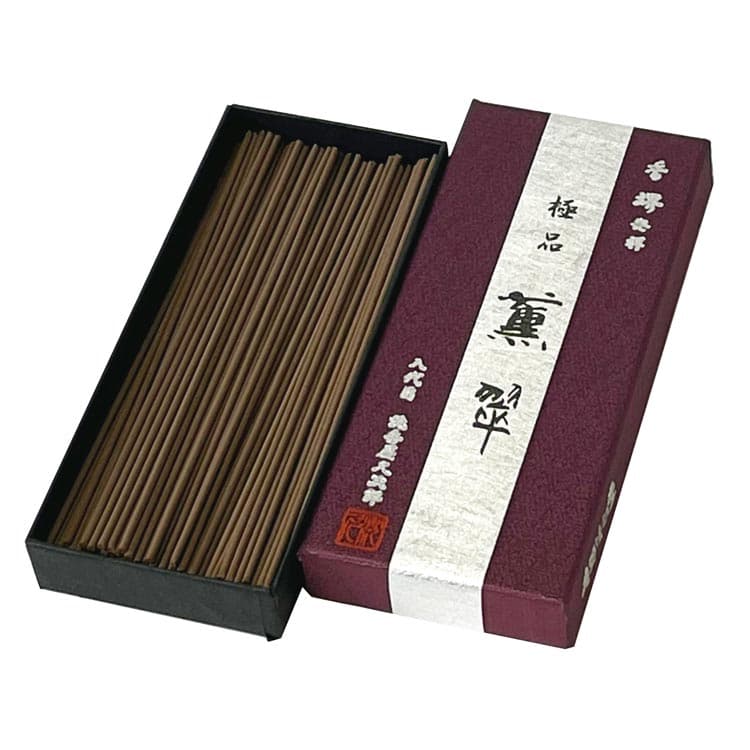
Okuno Seimeido Sakai Incense Hachidaime Yakujirō Gokuhin Kunsui Agarwood Incense
線香 沈香 八代目屋久次郎 極品薫翠 小バラ 奥野晴明堂 堺線香 日本製 約25分 60本入 13.8cm お香 高級 お供え 仏壇用 お盆 お彼岸 月命日 法要 送料無料 0101a068a
small loose pack, 60 sticks大黒屋仏壇店
5.0 / 11 reviews
Japanese name堺線香
In Osaka's Sakai City, incense grew from trade-port conditions, many temples, and bench work: tabu powder, natural aromatics, hot-water kneading, extrusion, cutting, straightening, and seasonal drying for Buddhist rites and tea rooms.
Information last updated 119 days ago
3 images線香 沈香 八代目屋久次郎 極品薫翠 小バラ 奥野晴明堂 堺線香 日本製 約25分 60本入 13.8cm お香 高級 お供え 仏壇用 お盆 お彼岸 月命日 法要 送料無料 0101a068a
small loose pack, 60 sticks大黒屋仏壇店
5.0 / 11 reviews
 3 images
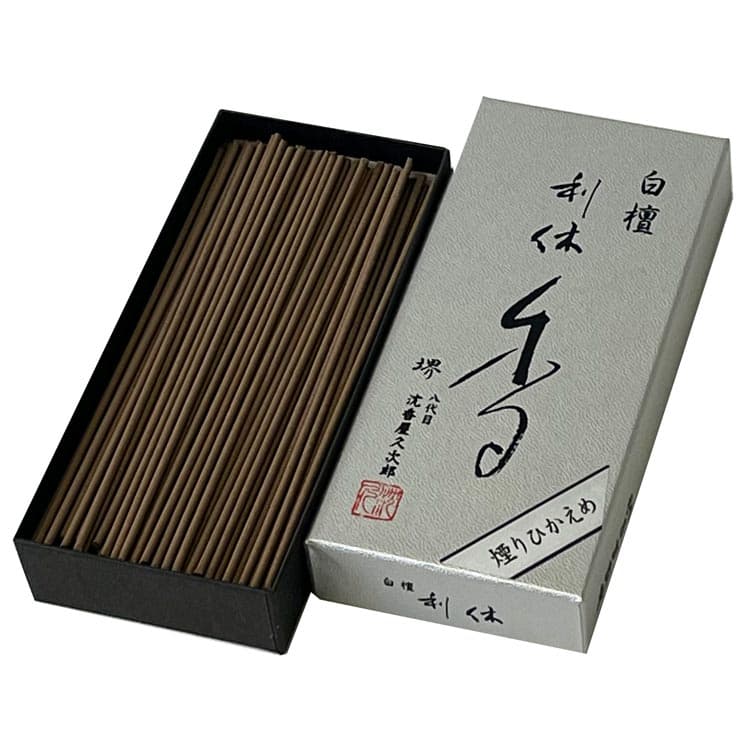
線香 白檀 奥野晴明堂 八代目沈香屋久次郎 白檀利休 日本製 煙少なめ 約25分 約55g 約13.5cm お香 仏壇用 お供え 法要 お盆 お彼岸 月命日 高級 堺線香 送料無料 0101a046a
approx. 55g大黒屋仏壇店
4.7 / 10 reviews
 3 images
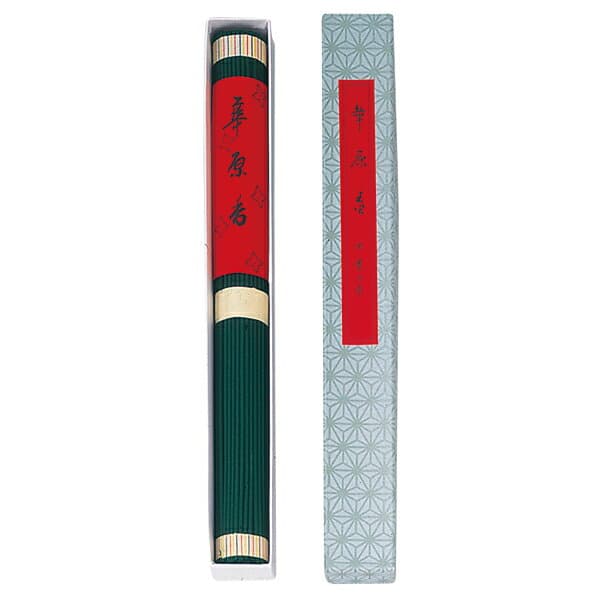
薫明堂 #9 日常用長寸線香 華原香 25cm 紙箱大束1把入 JAN:4573353383220 お線香 御線香 堺 線香 日常 使いやすい お盆
25cm paper box, 1 large bundle堺の刃物屋さん こかじ
First time buying on Rakuten? How residents in Japan order →
Sakai incense begins with a city name. Around the end of the 16th century, incense-making methods reached Sakai from China, and Japan's first incense sticks are said to have been made there. Sakai was a major trading port where fragrant woods could gather, and the city had many temples; those conditions gave incense making a practical place to grow. By the Edo period, Sakai was already known as an incense production area. The craft is easiest to understand through materials and work: powdered tabu-tree bark, natural aromatics such as agarwood, hot-water kneading, extrusion, cutting, straightening, and natural drying that takes several days in summer and often more than ten in winter.
The place behind Sakai incense is Osaka's Sakai City. In the late 16th century, incense-making methods came from China, and incense sticks are said to have first been made in Japan at Sakai. The city then had the conditions for the work to settle: it was one of Japan's major trading ports, fragrant woods could gather there, and many temples stood in the city. By the Edo period, Sakai had become known as an incense production area.
The local name holds a maker community. Sakai City is the main production area, and the family includes incense for Buddhist services and tea rooms. Its defining feature is the blending of carefully selected natural aromatics. Each manufacturer keeps its own ratios and adjusts them over time, so Sakai incense carries multiple maker formulas under one local name. The Sakai Incense Industrial Cooperative brings together companies in Sakai that manufacture and sell Sakai incense, giving today's makers a shared local organization.
Scent work in Sakai grew around selection and blending. Incense ceremony and tea ceremony practices influenced the development of perfume blending, and people versed in incense and tea passed blending methods to Sakai merchants, helping many scents become products. That development is concrete at the bench: agarwood and other natural ingredients, ratios held by individual manufacturers, formulas inherited and revised, and finished sticks made for Buddhist settings and tea rooms.
The base begins with tabu-tree bark that has been dried and ground into powder. Makers blend that powder with natural ingredients such as agarwood and other fragrances; the production context also includes Japanese and Chinese medicinal materials, dyes, and fragrance materials. The mixture is kneaded with hot water, shaped by hand into pillow-like balls of about 10 kilograms, cooled, and left overnight. At this stage, scent has weight, warmth, and a workable form before it becomes a slender stick.
After resting overnight, the material is extruded into long strands and cut on trays. Workers move and adjust the strands with bamboo spatulas, cut them to lengths suited to use, and then dry them naturally. The drying time changes with the season: several days in summer, often more than ten days in winter. After drying, the sticks are straightened, inspected, bundled, and wrapped. The visible sequence turns a blended paste of tabu powder and aromatics into incense for Buddhist services and tea rooms.
The main use settings for Sakai incense are Buddhist services and tea rooms. Those places give the sticks a clear role outside the workshop: they are objects to be lit in ritual, memorial, and tea-room spaces. Current public encounters also happen through local craft events and learning projects. The Sakai Incense Industrial Cooperative participates in events and announces incense-making experiences. Okuno Seimeido provides a named-maker example through school, university, and community projects where students handle steps such as blending, kneading, and extrusion under maker guidance. The example stays at that scale: one maker opening parts of the process to students and local projects.
Sakai incense is a slender object with a dense city background. The port brought fragrant woods into Sakai; temples and tea rooms gave incense practical settings; makers turn tabu powder, natural aromatics, hot water, extrusion, cutting, and slow drying into sticks for use. The seasonal wait remains part of the material: several days in summer, often more than ten in winter. After that wait, the stick carries the conditions of Sakai City and the repeated work of its maker community.
Compiled from public records and official sources; see the recognition links below. Details may change over time.
Where this product is officially registered, designated, or recognized in Japan.
Regional collective trademark
Registered as a Regional Collective Trademark with the Japan Patent Office.
Sources1
It is written as 堺線香 in Japanese. Search Rakuten and other Japanese sites with that spelling — the English name will not bring up the listings.
Sakai incense is an incense craft centered on Sakai City, Osaka. Incense-making methods reached Sakai from China around the end of the 16th century, and Japan's first incense sticks are said to have been made there, in a port city where fragrant woods gathered and many temples stood. Makers blend tabu-tree bark powder with aromatics such as agarwood, knead, extrude, cut, dry naturally, and bundle sticks for Buddhist services and tea rooms.
Sakai incense is characterized by blends of selected natural aromatics, with each manufacturer preserving and adjusting its own ratios. The production sequence includes hot-water kneading, about 10-kilogram pillow-shaped balls, overnight resting, extrusion, tray cutting, length cutting by use, natural drying, straightening, inspection, bundling, and wrapping. Natural drying takes several days in summer and often more than ten days in winter. The Sakai Incense Industrial Cooperative consists of Sakai companies that manufacture and sell Sakai incense and participates in events and incense-making experiences.
Sakai incense is used for Buddhist services and in tea rooms. Some manufacturers offer incense-making experiences at events, giving the public a way to try the craft firsthand.
Keep wood, bamboo, and lacquer out of prolonged soaking, dishwashers, and direct sun — wipe dry after use and let them air out in the shade. For metal and fabric goods, follow the care notes on the listing.
Most options are shelf-stable, boxed, and travel well, so they suit gifting or bringing home. Confirm the final storage and delivery terms on the Rakuten listing.
On Rakuten: the shops listed here right now are 大黒屋仏壇店, 堺の刃物屋さん こかじ. We don't sell directly; purchase, payment, stock, and delivery are all handled on the Rakuten product page.