 3 images
Kishu Binchotan Charcoal
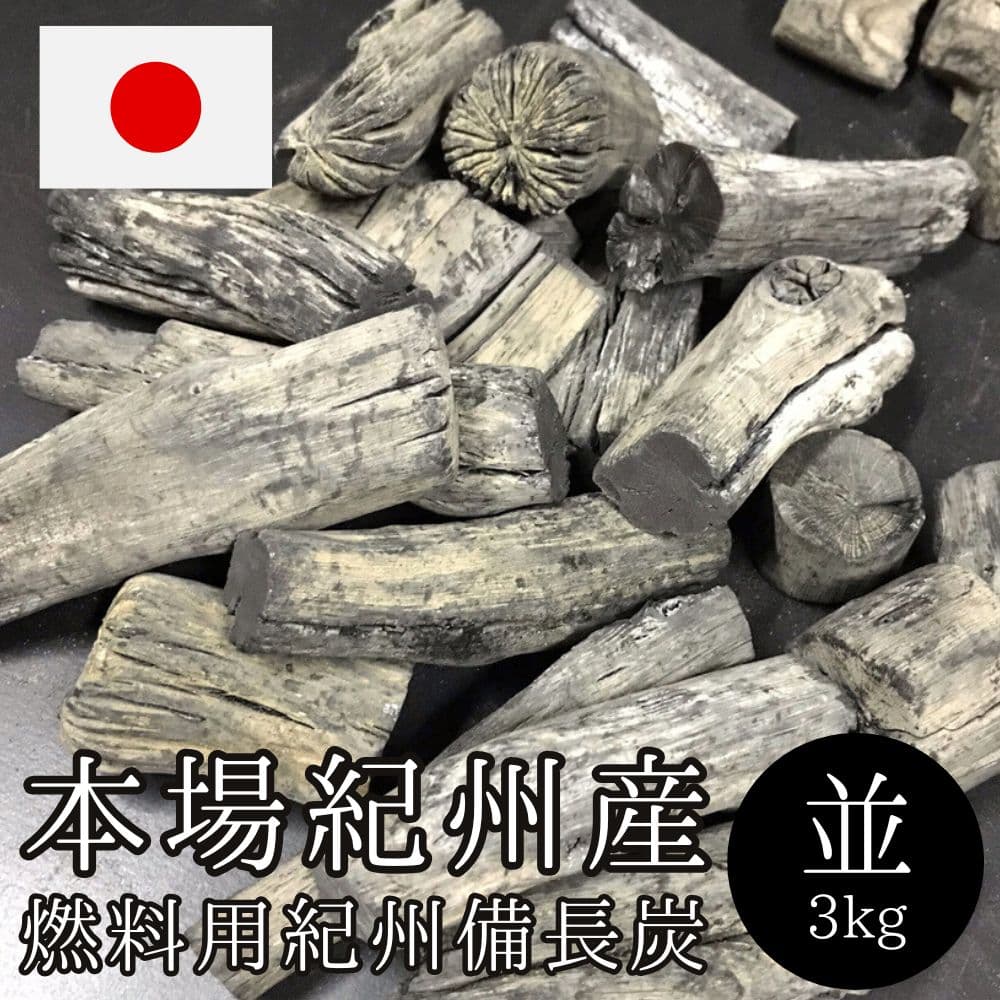
【本場】紀州備長炭3kg(並・中サイズ)国産 紀州産 和歌山県産 姥目樫 燃料炭 白炭 七輪 火鉢 BBQ 焼き鳥 焼肉 ソロキャンプ アウトドア 炭 木炭 燃料用
3kg, regular medium size本場の木酢液-洗顔石鹸 nanacoco
4.0 / 4 reviews
Japanese name紀州備長炭
Kishu Binchotan begins with ubamegashi and oak in Wakayama’s mountain forests, then passes through selective cutting, kiln carbonization, refining above 1000°C, and ash-soil extinguishing to become hard white charcoal with slow ignition and steady heat.
Information last updated 9 hours ago
3 images【本場】紀州備長炭3kg(並・中サイズ)国産 紀州産 和歌山県産 姥目樫 燃料炭 白炭 七輪 火鉢 BBQ 焼き鳥 焼肉 ソロキャンプ アウトドア 炭 木炭 燃料用
3kg, regular medium size本場の木酢液-洗顔石鹸 nanacoco
4.0 / 4 reviews
 3 images
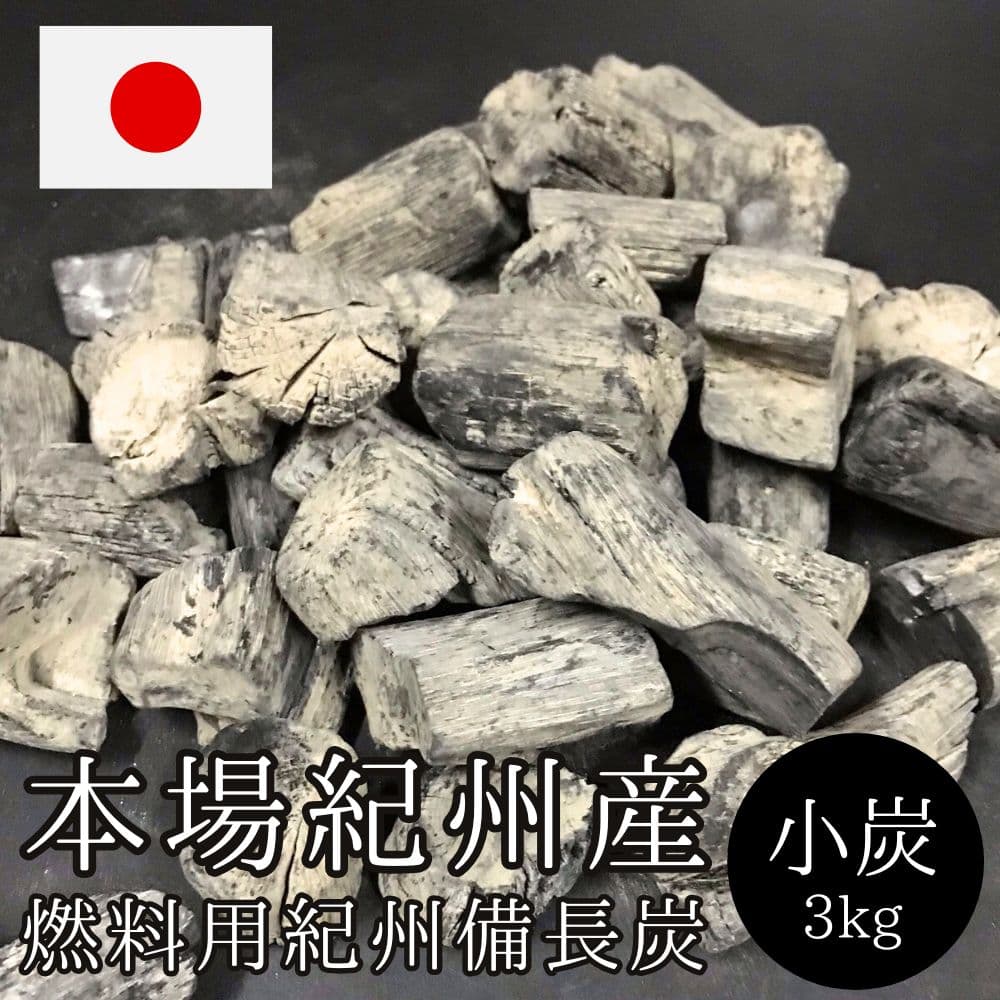
本場 紀州備長炭3kg(小炭・小サイズ)国産 紀州産 和歌山県産 燃料炭 姥目樫 白炭 七輪 火鉢 ソロキャンプ BBQ 焼き鳥 焼肉 アウトドア 炭 木炭 燃料用
Small size, 3 kg本場の木酢液-洗顔石鹸 nanacoco
4.7 / 3 reviews
 3 images
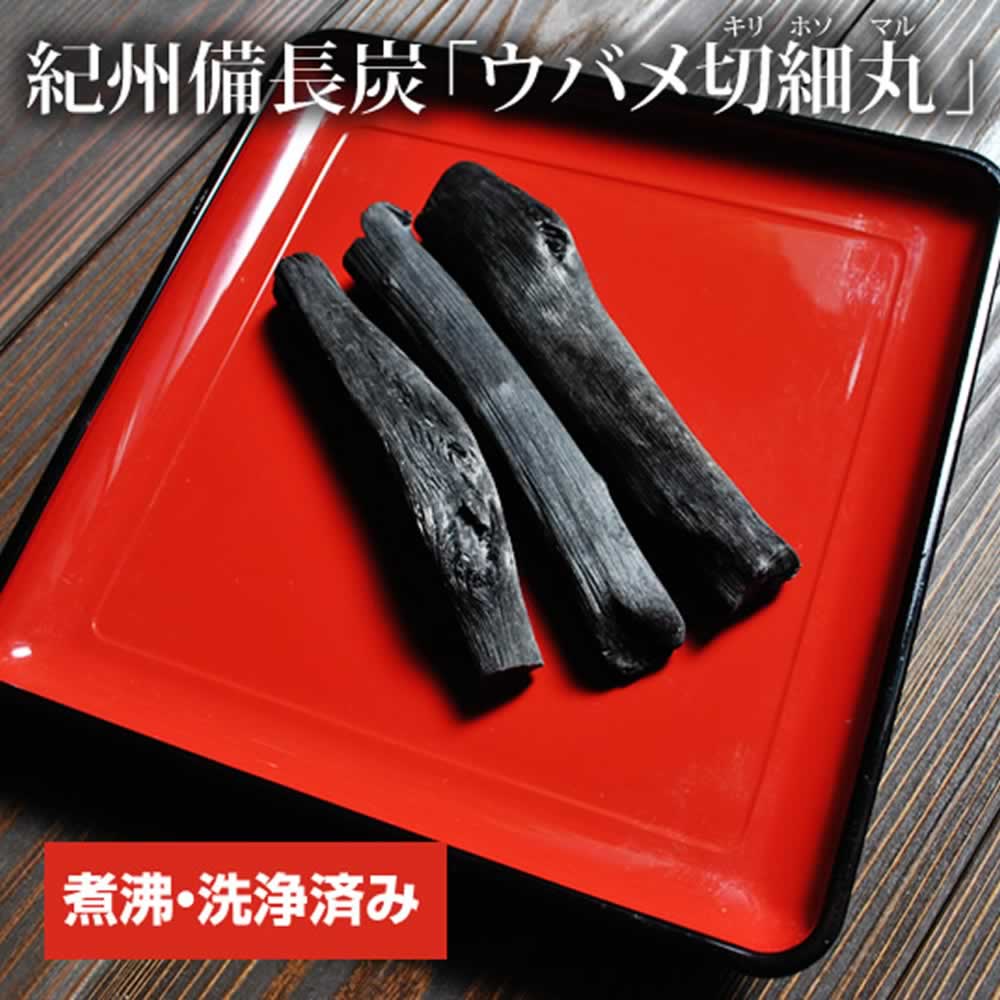
『紀州備長炭「切細丸」』備長炭 浄水 消臭 備長炭の中でも細身の備長炭を使いやすい長さにきってあり、炊飯や水の浄水に使用できます。燃料としては使用できません。
100g自然の食材と発酵で健幸に 樽の味
4.6 / 270 reviews
 3 images
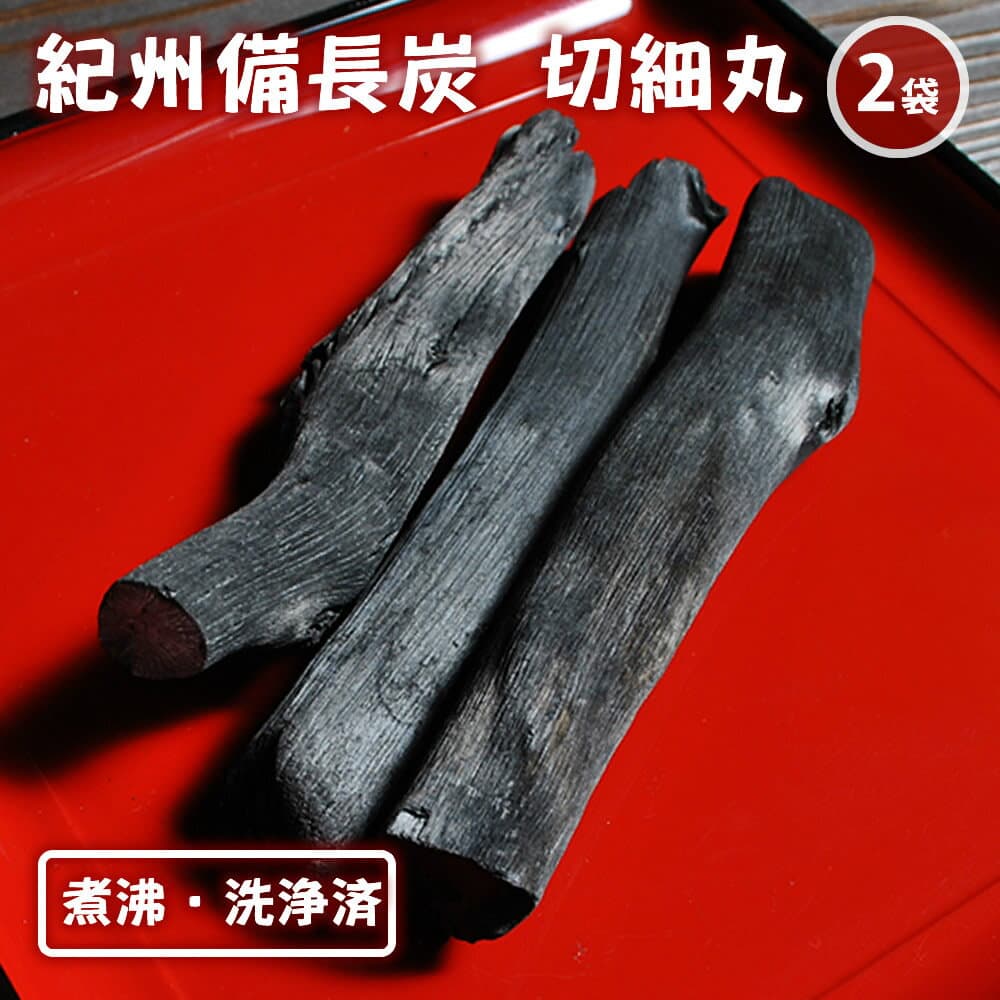
『紀州備長炭「切細丸」二袋セット★★』送料無料 樽の味 備長炭 紀州備長炭 白炭 浄水 洗浄済み 煮沸済み 紀州 和歌山 おくりもの 樽の味
100g x 2 bags自然の食材と発酵で健幸に 樽の味
4.6 / 126 reviews
 3 images
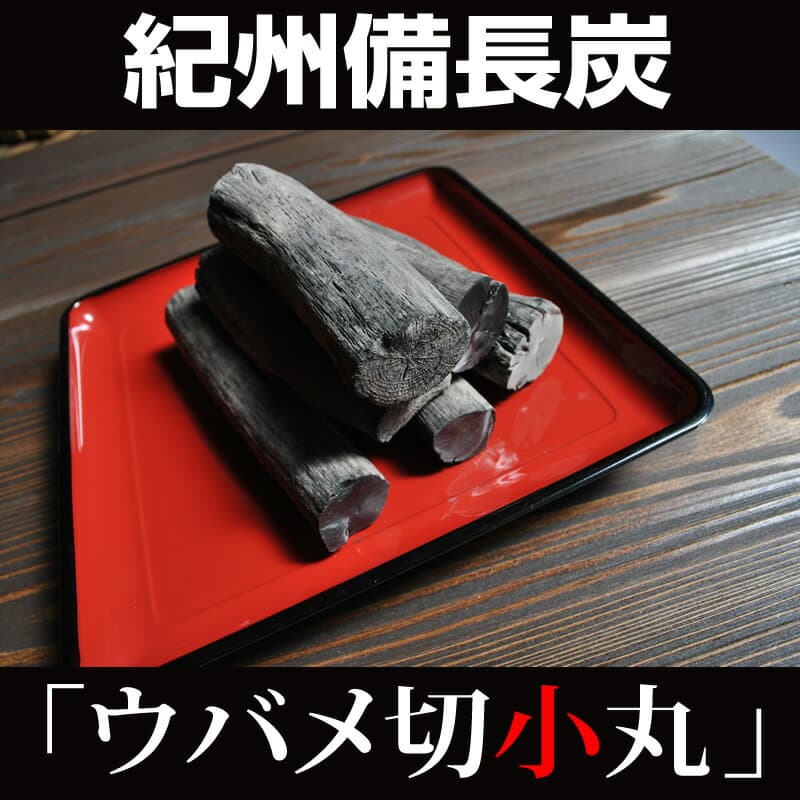
『紀州備長炭「切小丸」』樽の味 備長炭 紀州備長炭 白炭 浄水 バーベキュー 燃焼 燃料用 紀州 和歌山 贈り物 食べ物 ギフト お取り寄せ 詰め合わせ 食品 グルメ おくりもの 樽の味 お取り寄せグルメ お礼 お返し お祝い お歳暮 お歳暮ギフト 御歳暮 歳暮 お年賀 年賀
500g自然の食材と発酵で健幸に 樽の味
4.6 / 8 reviews
3 images『紀州備長炭「切小丸」』備長炭の本場、紀州和歌山で丹精につくられた白炭(シロズミ)の備長炭。もちろんこの備長炭はよく耳にする飲料水の浄水や、備長炭を入れての炊飯、消臭材や入浴材としても使える備長炭です。 お歳暮 お歳暮ギフト 御歳暮 歳暮 お年賀 年賀
Cut Komaru, 500g自然の食材と発酵で健幸に 樽の味
4.6 / 15 reviews
 3 images
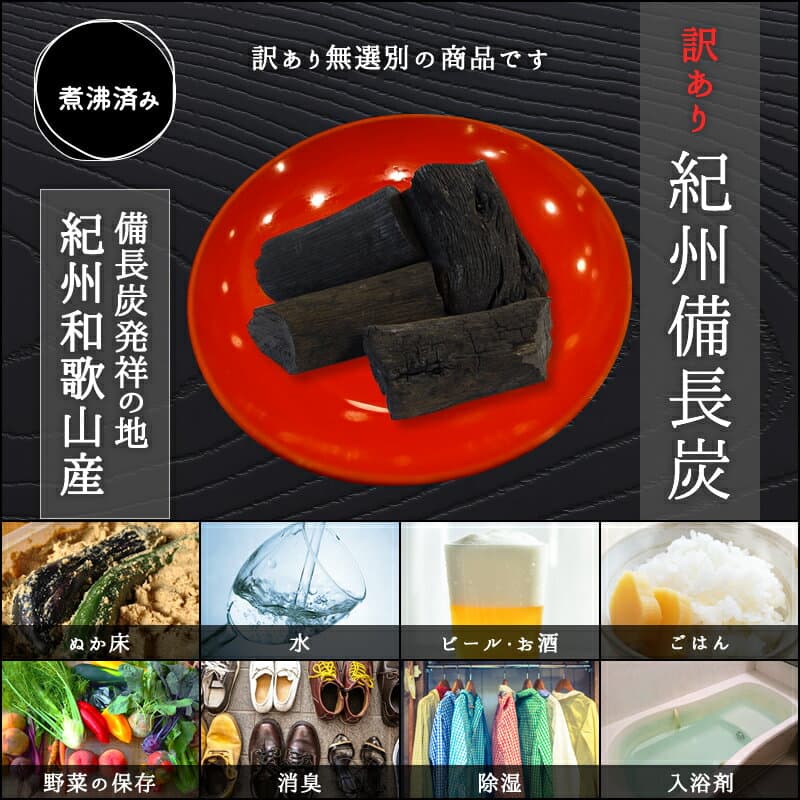
『ワケあり紀州備長炭』備長炭 備長炭 浄水 備長炭 消臭 贈り物 食べ物 ギフト お取り寄せ 詰め合わせ 食品 グルメ おくりもの 樽の味 人気 おすすめ 詰め合わせ
100g, unsorted imperfect pieces自然の食材と発酵で健幸に 樽の味
4.7 / 118 reviews
First time buying on Rakuten? How residents in Japan order →
All 7 listings of this product on Rakuten, lowest price first.
| Listing | Price | Shop | Reviews | Open listing |
|---|---|---|---|---|
Kishu Binchotan Charcoal, Imperfect Pieces 100g, unsorted imperfect piecesLowest priceGift-readyValue pick | ¥1,588 | 自然の食材と発酵で健幸に 樽の味 | 4.7 / 118 reviews | View on Rakuten → |
Kishu Binchotan “Kirihosomaru” Charcoal for Water Purification and Deodorizing 100gMost reviewed | ¥2,080 | 自然の食材と発酵で健幸に 樽の味 | 4.6 / 270 reviews | View on Rakuten → |
Kishu Binchotan “Kiri-Hosomaru” White Charcoal 100g x 2 bags | ¥3,980 | 自然の食材と発酵で健幸に 樽の味 | 4.6 / 126 reviews | View on Rakuten → |
Kishu Binchotan Ubame Oak White Charcoal Small size, 3 kg | ¥4,000 | 本場の木酢液-洗顔石鹸 nanacoco | 4.7 / 3 reviews | View on Rakuten → |
Kishu Binchotan Charcoal “Kiri Komaru” 500gGift-ready | ¥4,280 | 自然の食材と発酵で健幸に 樽の味 | 4.6 / 8 reviews | View on Rakuten → |
Kishu Binchotan White Charcoal Cut Komaru, 500gGift-ready | ¥4,280 | 自然の食材と発酵で健幸に 樽の味 | 4.6 / 15 reviews | View on Rakuten → |
Kishu Binchotan Charcoal 3kg, regular medium size | ¥4,400 | 本場の木酢液-洗顔石鹸 nanacoco | 4.0 / 4 reviews | View on Rakuten → |
Japanese · new tab
Kishu Binchotan starts in Wakayama’s mountains before it ever reaches a grill. Ubamegashi and other oaks grow on lean coastal soils, steep rocky slopes, and dry ridge areas around charcoal-making communities such as Minabe. After firing, the charcoal is hard white charcoal: slow to light, steady once burning, and responsive enough for cooks to adjust the fire with a fan.
Kishu Binchotan is made from ubamegashi and other oak species and is tied to Wakayama’s white-charcoal production. In and around Minabe, the raw wood grows where forest work is demanding: steep rocky ground, water-poor mountaintops, and places where many other plants struggle. Before a maker loads a kiln, the material already carries the conditions of those Wakayama hillsides.
The woodland cycle depends on selective cutting. Makers harvest thicker stems while leaving thinner ones in place, so the stool remains alive and can keep renewing. The practice links a kiln’s need for usable wood with the next round of growth in the same mountain area, rather than treating the forest as a one-time supply of fuel.
Wood brought down from the mountain is not automatically ready for the kiln. Curved pieces are straightened and shaped with saws, hatchets, and wooden wedges, then bundled and stood upright inside the kiln. The work turns irregular oak into a tight kiln load that can dry, carbonize, and shrink in a controlled arrangement.
During carbonization, makers judge the state of the kiln by the color and smell of the smoke, adjusting heat as the wood changes. In the later refining step known as nerashi, air is introduced and the kiln rises above 1000°C, burning off remaining volatile matter and impurities. The still-hot charcoal is gradually drawn out and covered with subai, a mixture of ash and soil, which extinguishes it and leaves the pale surface associated with white charcoal.
Finished Kishu Binchotan is hard enough to give a clear metallic sound when struck, and it tends to hold its form while burning. It takes time to ignite, yet once lit it gives strong heat, lasts a long time, and does not go out easily. Those traits explain its use for grilled cooking and its place in eel restaurants that need stable charcoal heat.
Minabe is a major production area for Kishu Binchotan, and the Kishu Binchotan Promotion Hall in Kiyokawa presents the charcoal’s history, making technique, and local setting. Wakayama also supports the handover of skill through a preservation society and the annual Yamazukuri-juku program, where participants learn selective cutting, traditional charcoal making, grading, and sorting. In 1974, the charcoal-making technique was named an intangible folk cultural property of Wakayama; in practical terms, that points to a chain of mountain selection, kiln refining, and final grading carried by people who keep working the material.
Kishu Binchotan is white charcoal shaped by more than furnace heat. It begins with ubamegashi in Wakayama’s difficult mountain terrain, moves through selective cutting, tool work, upright kiln loading, smoke reading, high-temperature refining, subai extinguishing, and final sorting. The finished charcoal holds that whole sequence in a hard stick of fuel built for controlled, lasting heat.
Compiled from public records and official sources; see the recognition links below. Details may change over time.
Where this product is officially registered, designated, or recognized in Japan.
Regional collective trademark
Registered as a Regional Collective Trademark with the Japan Patent Office.
Sources1
It is written as 紀州備長炭 in Japanese. Search Rakuten and other Japanese sites with that spelling — the English name will not bring up the listings.
Kishu Binchotan is hard white charcoal from Wakayama, made from ubamegashi and other oaks. Makers harvest thicker stems while leaving thinner ones to renew the woodland, prepare and load the wood upright in kilns, judge carbonization by smoke color and smell, refine the charcoal above 1000°C, and extinguish it with subai. The result lights slowly but burns with strong, stable, lasting heat.
Minabe is a major Kishu Binchotan production area, and the Kishu Binchotan Promotion Hall in Kiyokawa introduces its history and making technique. Ubamegashi used for the charcoal grows on steep rocky ground and water-poor mountaintop areas, making mountain work central to production. The nerashi refining step raises the kiln above 1000°C, and the resulting charcoal is extinguished with subai, a mixture of ash and soil. Kishu Binchotan is difficult to ignite, but once lit it keeps its shape well and gives strong, long-lasting heat.
Kishu Binchotan is suited to cooking heat and grilled dishes, and once lit it burns for a long time with heat that cooks can adjust with a fan. Many eel restaurants use Kishu Binchotan because it is hard, keeps its shape, gives strong heat, and does not go out easily once lit.
Keep wood, bamboo, and lacquer out of prolonged soaking, dishwashers, and direct sun — wipe dry after use and let them air out in the shade. For metal and fabric goods, follow the care notes on the listing.
Most options are shelf-stable, boxed, and travel well, so they suit gifting or bringing home. Confirm the final storage and delivery terms on the Rakuten listing.
On Rakuten: the shops listed here right now are 本場の木酢液-洗顔石鹸 nanacoco, 自然の食材と発酵で健幸に 樽の味. We don't sell directly; purchase, payment, stock, and delivery are all handled on the Rakuten product page.