 3 images
Wakayama Local Goods Guide
和歌山県
Wakayama is indexed here as a practical buying guide for travelers and foreign residents in Japan. Start with packable gifts, then compare table goods, quiet luxuries, and crafted objects when you need a stronger sense of place.
8Local selections
What Wakayama is known for
The 8 products below are what Wakayama is known for, ordered by how strongly each is rooted in the prefecture — what it is, and why it comes from here.
Kishu kinzanji misoRegional foods
Rice, barley, soybeans, white gourd, eggplant, ginger, and shiso meet in a months-long maturation that makes Kishu Kinzanji Miso a chunky table food from Wakayama.
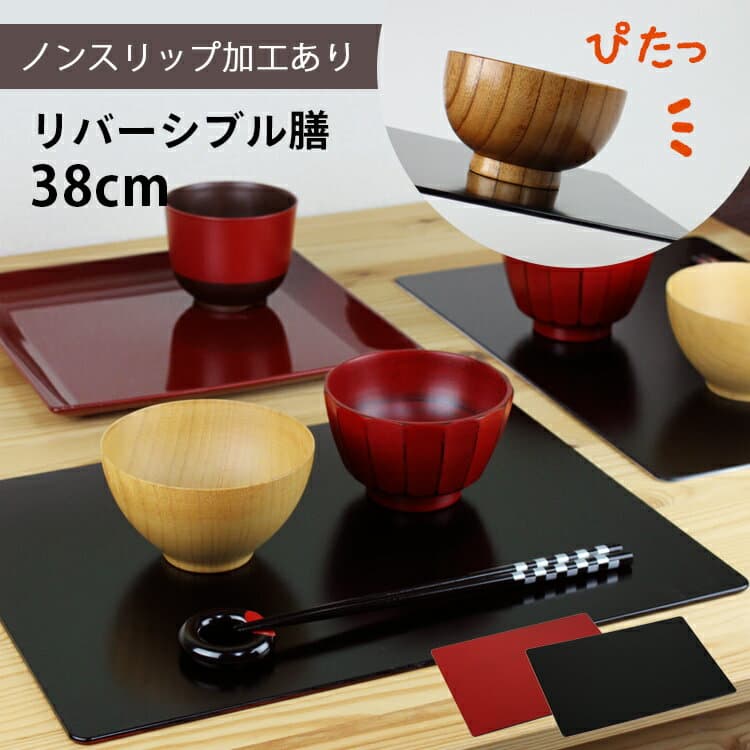
Kishu lacquerwareTableware
In Wakayama’s Kainan City, Kishu lacquerware comes into focus through plain wood bowls, Negoro-nuri, Funoo 222, Uruwashi-kan, and a production network of wood bases, coating, decoration, and molding.
Wakayama ramenRegional foods
From street stalls near Takamatsu to richer Ide-style bowls, Wakayama ramen gathers soy sauce, pork bone, kamaboko, hayazushi, and boiled eggs around one local table.
Shimotsu mikanRegional foods
In Shimotsu-cho, Kainan City, mandarins grow on coastal slopes facing the Kii Channel, while kuradashi fruit spends winter in wooden, earthen-walled storehouses.
Koyaguchi pile fabricTextiles
In northern Wakayama, pile yarn is worked into woven or knitted grounds to make a soft raised surface, linking Koyaguchi's saiori lineage with modern fabrics for clothing, interiors, vehicles, and industrial uses.
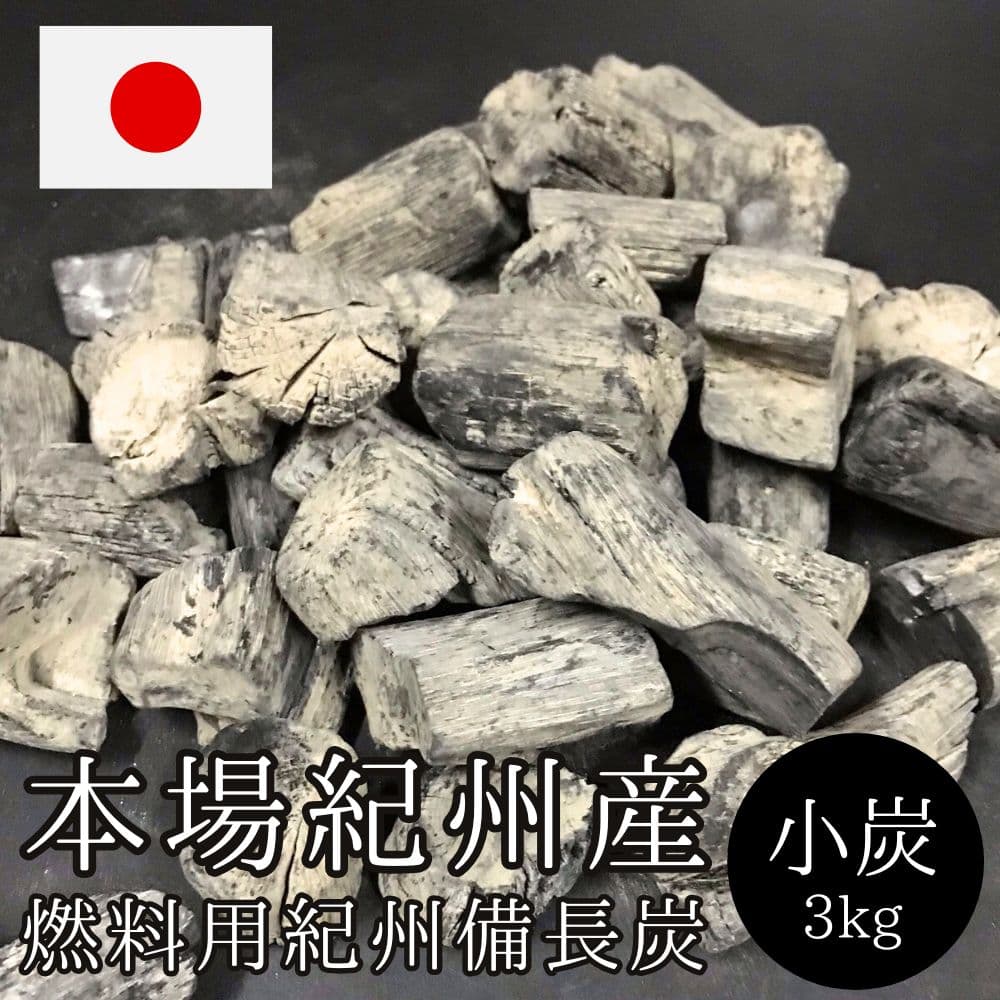
Kishu binchotan charcoalHome & living
Kishu Binchotan begins with ubamegashi and oak in Wakayama’s mountain forests, then passes through selective cutting, kiln carbonization, refining above 1000°C, and ash-soil extinguishing to become hard white charcoal with slow ignition and steady heat.
Kishu umeboshiRegional foods
In Minabe and Tanabe, ume groves climb warm slopes beside fuelwood and charcoal forests; Nanko Ume’s thick flesh and thin skin carry into white-salted ume, seasoned umeboshi, paste, syrup, and everyday meals.
Kishu Minabe Nanko plumRegional foods
In Minabe, Wakayama, Nanko plums move from February white blossoms and June fruit into umeboshi, juice, umeshu, and the hillside work of orchards, fuelwood forests, and bees.
Regional Gifts
Packable foods and gifts with clear regional character.
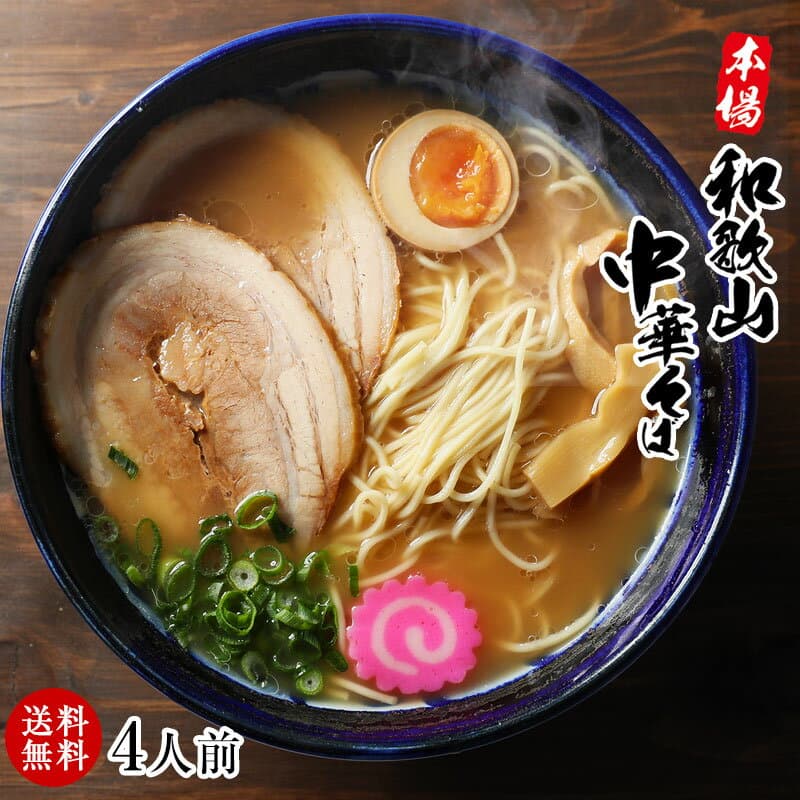
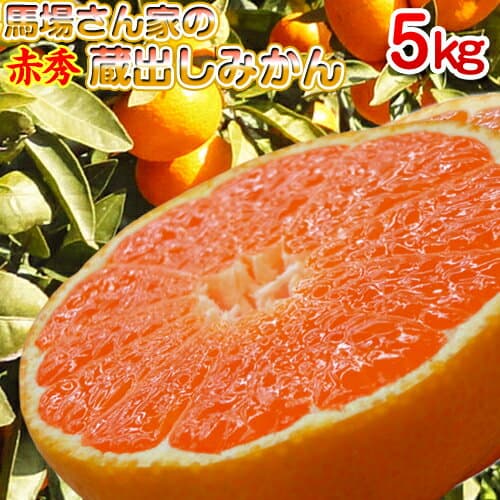
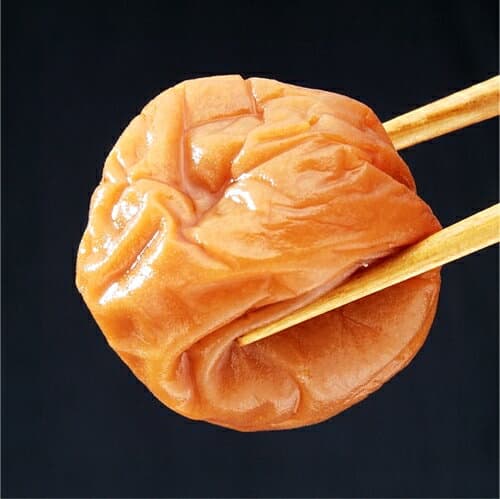
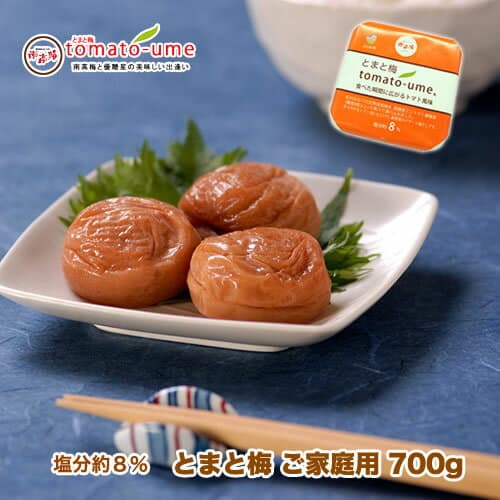
Table & Tea
Tea, drinks, foods, and table pieces shaped by local taste.
Daily Rituals
Home goods and textiles that turn everyday use into a local ritual.

Wakayama's specialties by category
How the same thing is made elsewhere, and what differs: the category overviews start here.
Start with type, not region: white miso is sweet and short-aged, red miso is salty and long-aged, bean miso is soybeans and salt only.
Type first: somen and hand-stretched udon are pulled, soba is about the flour, ramen and Okinawa soba use kansui.
Woven or dyed first: tsumugi, kasuri and chijimi weave dyed yarn; yuzen, komon and bingata dye white cloth.
Everyday Japanese tools, each tied to a named craft region and still made for use.
FAQ
What is Wakayama known for?
Wakayama (Kansai) is represented here by specialties such as Kishu kinzanji miso, Kishu lacquerware, Wakayama ramen — each verified against official registries and matched to Rakuten listings.
Are Wakayama souvenirs good to bring home?
Many Wakayama picks — Kishu kinzanji miso, Kishu lacquerware, Wakayama ramen among them — are shelf-stable foods and crafts that travel well; for temperature- or fragility-sensitive items, confirm delivery and packaging on the Rakuten listing.
Are these products sold directly by this site?
No. This site curates Rakuten listings and may earn affiliate revenue from links to Rakuten.
How are products selected?
Listings are filtered for local relevance, product images, availability, and review strength.