 3 images
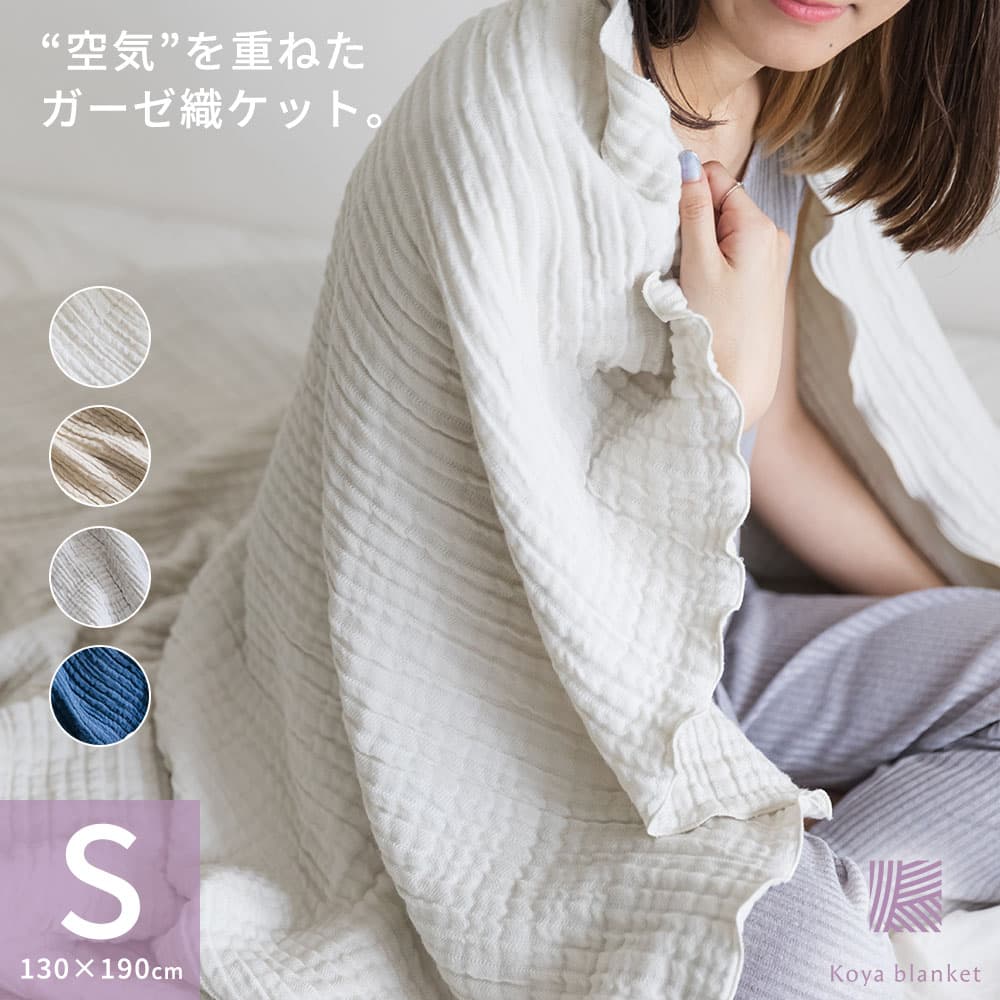
Koyaguchi Pile fuwa-ket Gauze Blanket
ガーゼケット 日本製 シングル 130cm×190cm フワケット fuwa-ket 綿100% ガーゼ シール織 コットンケット 洗える 軽量 吸湿 通気性 快適 ふんわり くしゅくしゅ 凹凸 軽い 肌に優しい 春夏 寝具 高野口パイル織物 送料無料
Single 130 x 190 cmこうやブランケット
5.0 / 17 reviews
Japanese name高野口パイル
In northern Wakayama, pile yarn is worked into woven or knitted grounds to make a soft raised surface, linking Koyaguchi's saiori lineage with modern fabrics for clothing, interiors, vehicles, and industrial uses.
Information last updated 120 days ago
3 imagesガーゼケット 日本製 シングル 130cm×190cm フワケット fuwa-ket 綿100% ガーゼ シール織 コットンケット 洗える 軽量 吸湿 通気性 快適 ふんわり くしゅくしゅ 凹凸 軽い 肌に優しい 春夏 寝具 高野口パイル織物 送料無料
Single 130 x 190 cmこうやブランケット
5.0 / 17 reviews
 3 images
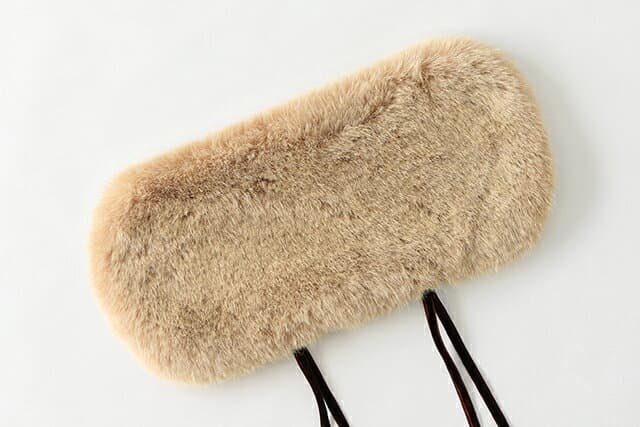
ファーのふた(クリームベージュ/ベルベットリボン)まんまるやさしい籠などに合います。(約)長さ36×幅17cm (約)紐長さ27cm※かごバッグは付きません。メール便対応2枚まで[バッグカバー/高野口パイル織物]
cream beige with velvet ribbon, approx. 36 x 17 cmかごや
4.3 / 7 reviews
 3 images
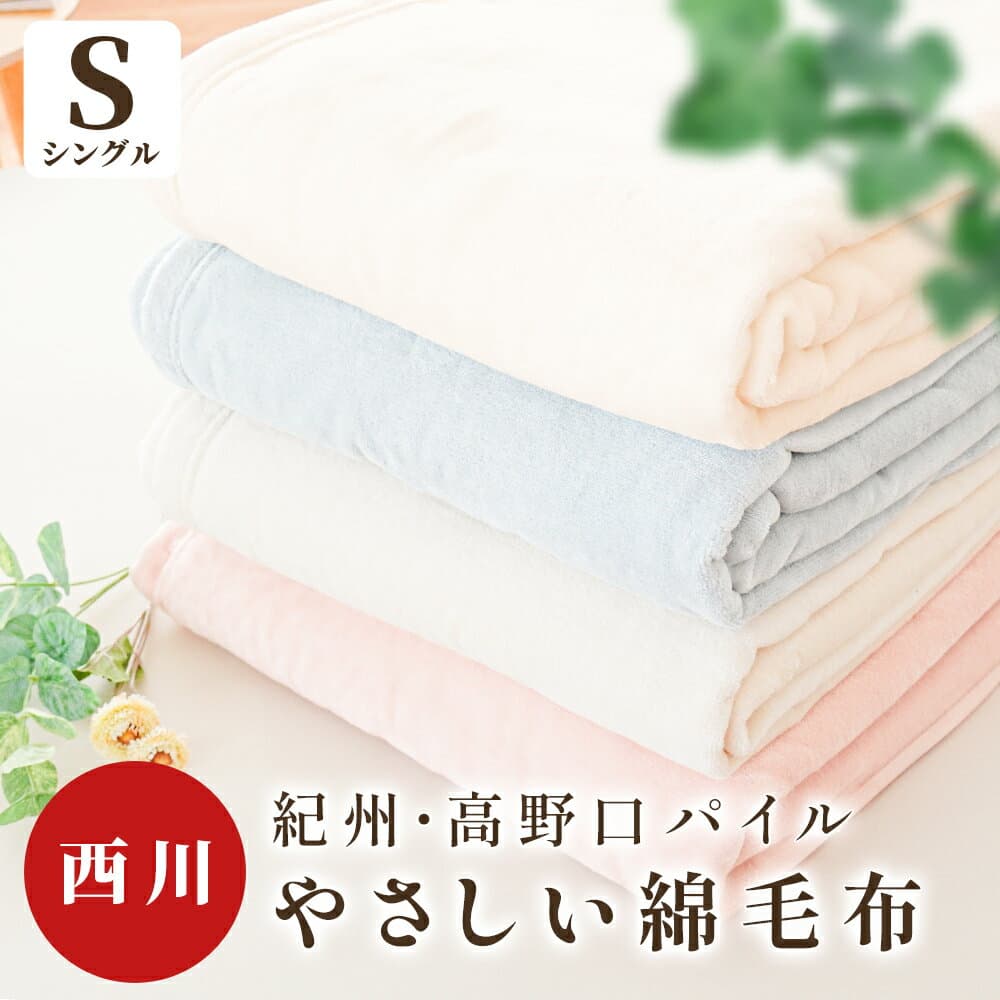
西川 日本製 綿100% 毛布 やさしい 綿毛布 シングル シール織り 140×200cm 掛け毛布 ブランケット 秋 冬 国産 紀州高野口パイル 高野口産 シール織 コットンケット 節電
Single, 140 x 200 cm西川など寝具専門店こだわり安眠館
4.6 / 12 reviews
First time buying on Rakuten? How residents in Japan order →
Koyaguchi Pile belongs to the textile area around Koyaguchi-cho in Hashimoto City, with production also tied to Hashimoto, Kudoyama, and Katsuragi. Its surface begins with pile yarn set into a woven base or knitted ground, creating a three-dimensional cloth that feels soft while standing up to abrasion. The same raised structure appears in blankets, sofa covers, train seats, bags, filters, and other objects where touch, surface, and durability matter.
The name Koyaguchi Pile points first to place: former Koyaguchi-cho, now Koyaguchi-cho in Hashimoto City, and the surrounding production area of Hashimoto, Kudoyama, and Katsuragi. Wakayama's account also places the textile district around former Koyaguchi and Katsuragi, an area once busy with people traveling to Mount Koya.
The work is shared among local specialists. Weaving, knitting, fabric dyeing, yarn dyeing, printing, and cutting sit within the same regional textile network, so a fabric can move through several hands before it becomes a finished surface. The name has regional collective trademark status, but the useful meaning for readers is concrete: it marks a local group of technicians, machines, and finishing steps around Koyaguchi.
A pile fabric is made by putting pile yarn into a woven base or knitted ground, so the surface rises instead of lying flat. Koyaguchi Pile is described through that raised structure, along with softness, stretch, abrasion resistance, and durability. Those qualities are felt most clearly where cloth meets the body or a room: bedding, clothing, bags, curtains, cushions, and seat covers.
Hashimoto City also emphasizes that the fibers shed little, and that the fabric is sturdy and long-lasting. That claim becomes visible in everyday objects listed for the material: blankets, sheets, kotatsu bedding, sofa covers, tablecloths, slippers, cosmetic puffs, stuffed toys, vehicle seats, and industrial goods such as filters and paint rollers.
The local textile line begins with Kawakami cotton in the Edo period. In the Meiji period, the area developed Kawakami flannel, a raised cloth valued for warmth and a pleasant touch against the skin. In 1877, Maeda Yasuke devised saiori, a method in which plain woven cloth is cut, turned into chenille-like strips, and woven again; this became one of the prototypes for Koyaguchi Pile.
Calling this tradition meaningful only works when the material changes are named. Cotton cloth became raised flannel; woven cloth became narrow strips; those strips returned to the loom as weft. Later changes included seal weaving associated with Nishiyama Sadakichi in the Taisho period, German double-pile looms in the early Showa period, synthetic fibers, and new knitting methods.
Saiori explains the word reweaving in a tactile way. A cloth is woven first, then cut into narrow strips that resemble chenille yarn. Those strips are used as weft and woven again, so the finished textile carries the result of two weaving stages rather than a single flat pass.
The process gives color, pattern, and raised texture a place inside the fabric structure. At the pile-weaving museum in Hashimoto's Koyaguchi-cho, visitors can see work-process displays and saiori pieces, and a reservation-based reweaving experience takes about two hours. Handling the strips makes the Koyaguchi surface easier to understand than any abstract description of texture.
Modern Koyaguchi Pile is not made by one machine alone. Double-pile looms weave upper and lower grounds at the same time, then cut the pile yarn between them to create raised surfaces. Pile meriyasu knits pile yarn into knitted fabric; Raschel, sinker pile, and sliver knit methods create other widths, loops, and long-pile effects.
After the cloth is made, the district's fabric dyeing, yarn dyeing, printing, and cutting add color, pattern, and finish. This is how one pile structure can become a short, dense surface for a seat, a soft face for bedding, a longer texture for eco-fur, or a functional material for filters and other industrial uses.
The range of Koyaguchi Pile is easiest to grasp through objects. Apparel uses include men's, women's, and children's clothing, along with hats and bags. Bedding includes blankets, sheets, kotatsu futons, futons, and lap blankets. Interior uses include chair upholstery, sofa covers, tablecloths, curtains, slippers, mats, and cushions.
The same raised cloth also appears in vehicle seats and mats for Shinkansen trains, local trains, buses, and cars. Hashimoto City and the regional association list household goods, toys, care goods, paint rollers, filters, sports-related materials, artificial turf, and LCD television-related materials. The fabric family's identity therefore sits in repeated touch: worn, sat on, laid over, brushed against, and built into tools.
Hashimoto City's pile-weaving museum opened to mark the 110th anniversary of pile weaving. Its displays show pile fabric, saiori work processes, and reweaving pieces, giving visitors a concrete view of how strips, yarn, machines, and finished cloth relate to one another.
The reweaving experience takes about two hours by reservation. In that setting, Koyaguchi Pile is not only a name on a textile label; it is a sequence of local actions in Koyaguchi-cho, where cloth is cut, guided back through a loom, and returned as a raised fabric with body and touch.
Koyaguchi Pile is best understood through the movement from place to surface. Around Koyaguchi-cho, Hashimoto, Kudoyama, and Katsuragi, local specialists work with pile yarn, woven grounds, knitted grounds, dyeing, printing, and cutting. From Kawakami cotton and Kawakami flannel to saiori, double-pile looms, vehicle seats, blankets, and filters, the district has kept returning to one practical question: how to make a raised cloth that can be touched, used, and trusted in daily life.
Compiled from public records and official sources; see the recognition links below. Details may change over time.
Where this product is officially registered, designated, or recognized in Japan.
Regional collective trademark
Registered as a Regional Collective Trademark with the Japan Patent Office.
Sources1
It is written as 高野口パイル in Japanese. Search Rakuten and other Japanese sites with that spelling — the English name will not bring up the listings.
Koyaguchi Pile is a family of pile woven and knitted textiles from northern Wakayama, centered on Koyaguchi-cho in Hashimoto City and connected to Hashimoto, Kudoyama, and Katsuragi. Pile yarn is worked into a woven base or knitted ground to make a soft, raised, abrasion-resistant surface. Its local lineage runs from Edo-period Kawakami cotton through Meiji-period Kawakami flannel to Maeda Yasuke's 1877 saiori reweaving method, and its uses include apparel, bedding, interiors, vehicle seats, toys, care goods, filters, and industrial materials.
Koyaguchi Pile is associated with softness, stretch, abrasion resistance, low shedding, and durability. Saiori cuts woven cloth into narrow strips and uses them as weft in another weaving stage. Modern production methods include double-pile looms, pile meriyasu, Raschel pile, sinker pile, and sliver knit. The district also includes fabric dyeing, yarn dyeing, printing, and cutting processes.
The pile-weaving museum in Hashimoto's Koyaguchi-cho displays work processes and saiori, and visitors can book a reweaving experience of about two hours.
Naturally dyed textiles shed some colour on first wash. Hand-wash separately with a neutral detergent, avoid long soaking and bleach, and dry in the shade to prevent fading. Silk, ramie, and traditionally dyed pieces often need professional cleaning — the care label on the listing takes precedence.
Most options are shelf-stable, boxed, and travel well, so they suit gifting or bringing home. Confirm the final storage and delivery terms on the Rakuten listing.
On Rakuten: the shops listed here right now are こうやブランケット, かごや, 西川など寝具専門店こだわり安眠館. We don't sell directly; purchase, payment, stock, and delivery are all handled on the Rakuten product page.