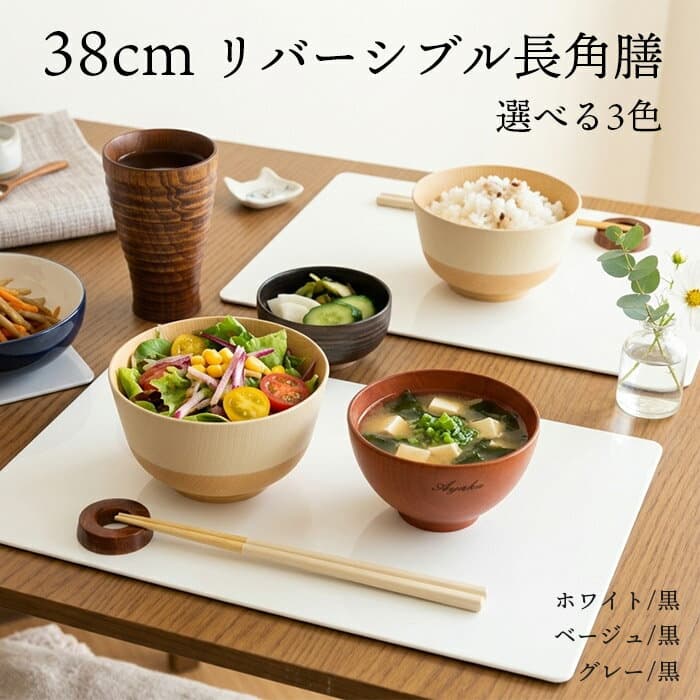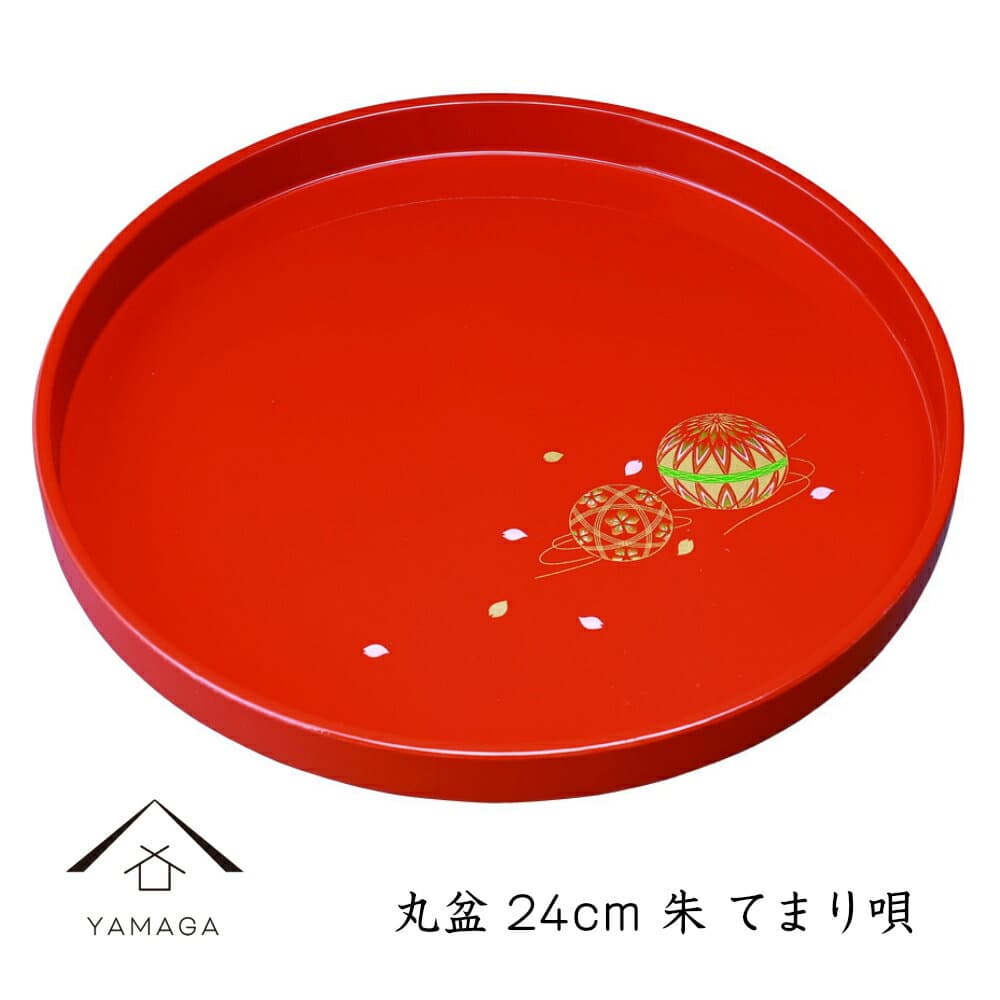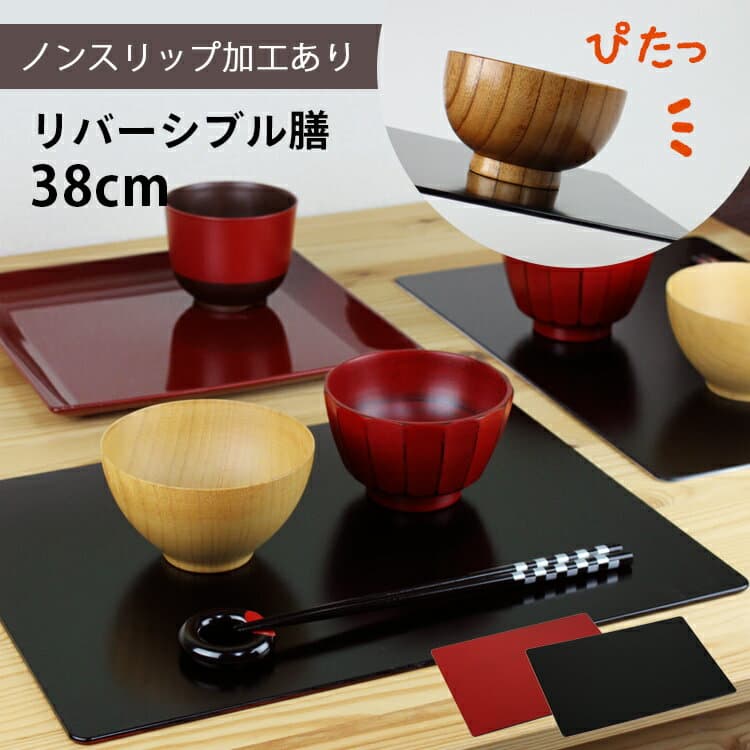
お盆 トレー 長角膳【38cm】リバーシブル ランチョンマット 黒塗 裏朱塗 トレイ 両面 長角膳 おしゃれ お正月 紀州漆器 日本製 国産 会席膳 和風 洋風 お正月 おせち お膳 皿 食器 膳 盆 キッチントレー 旅館 ホテル 会席 漆器 カフェ 業務用 上品 pnt
漆器とキッチン 祭りのええもん
4.3 / 125 reviews
¥1,692
View on Rakuten →Japanese · new tab
Japanese name紀州漆器
In Wakayama’s Kainan City, Kishu lacquerware comes into focus through plain wood bowls, Negoro-nuri, Funoo 222, Uruwashi-kan, and a production network of wood bases, coating, decoration, and molding.
Information updated 63 days ago
漆器とキッチン 祭りのええもん
4.3 / 125 reviews
¥1,692
View on Rakuten →Japanese · new tab
漆器とキッチン 祭りのええもん
4.9 / 17 reviews
¥4,500
View on Rakuten →Japanese · new tab
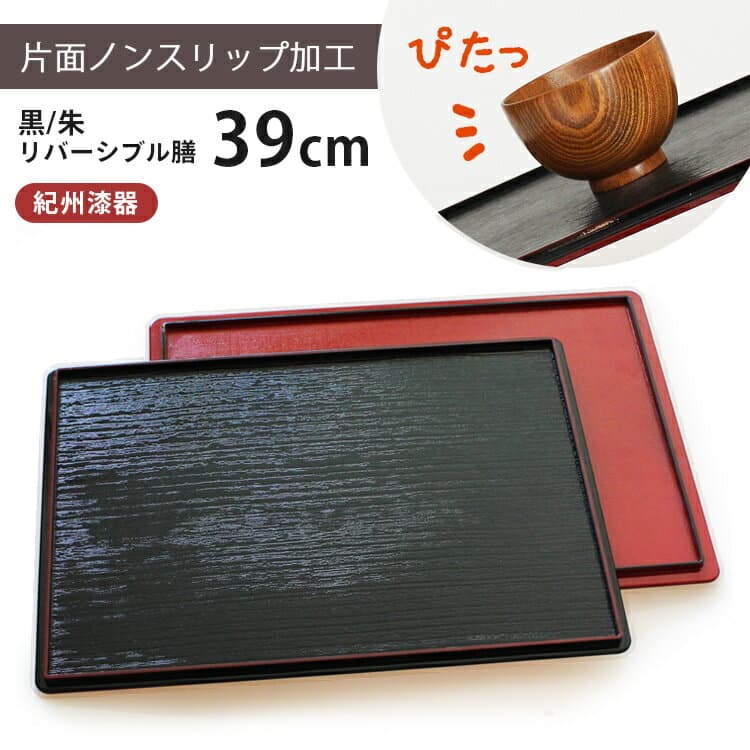
お盆 トレー 両面長角膳 【39cm】 黒塗り 朱塗り ランチョンマット 長角膳 すべらない お盆 トレー おしゃれ お正月 ノンスリップ おぼん 日本製 リバーシブル 紀州漆器 日本製 すべり止め トレイ シンプル 高級感 新生活 ギフト プレゼント 半月膳 半月盆 pnt 家庭用
39 cm, black/vermilion漆器とキッチン 祭りのええもん
4.6 / 188 reviews
Japanese · new tab
漆器とキッチン 祭りのええもん
4.6 / 18 reviews
¥1,692
View on Rakuten →Japanese · new tab
曲げわっぱと漆器 みよし漆器本舗
4.9 / 28 reviews
Japanese · new tab
漆器の産地職人のお店 紀州ヤマガ
5.0 / 1 reviews
¥2,420
View on Rakuten →Japanese · new tab
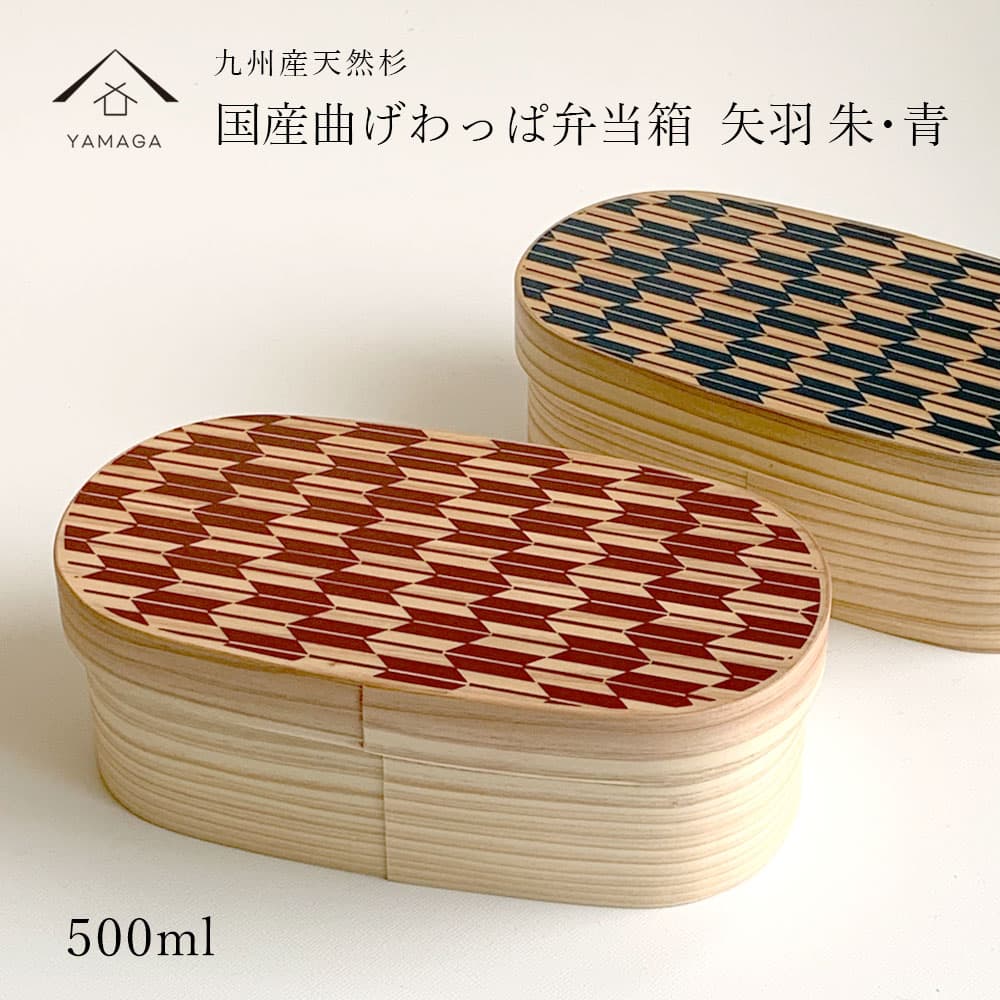
【今なら最大2000円OFF】 【選べる2色】九州杉使用国産 曲げわっぱ 弁当箱 矢羽 朱 藍 赤 青 【紀州漆器職人が仕上げました】 まげわっぱ 天然木 日本製 天然杉 木製 杉 スギ 大人 女子 1段 おしゃれ 母の日 父の日 敬老の日
500ml, red or blue漆器の産地職人のお店 紀州ヤマガ
4.8 / 10 reviews
¥9,900
View on Rakuten →Japanese · new tab
Kishu lacquerware begins with two tangible clues: plain bowls made by Kishu woodworkers and the technique of Negoro-nuri. In Kainan City, Funoo 222 gives the craft a visible address, because both the Kishu Lacquerware Cooperative and Uruwashi-kan are located there. The hall presents the history of Kishu lacquerware, shows lacquer art made with varied techniques, and offers reservation-based Maki-e experiences.
The origin of Kishu lacquerware is framed through objects and practice: plain bowls by Kishu woodworkers came together with the advanced technique of Negoro-nuri. The bowl brings the craft close to the table, while lacquer and finishing technique give the surface its place in the family’s identity. Any cultural reading here needs those concrete anchors: a shaped wooden bowl, a lacquered surface, and a named method of painting and finish.
Funoo 222 in Kainan City works as a practical address for understanding Kishu lacquerware. The cooperative is located there, and Uruwashi-kan is located there as well. The address is best read as a place where organization, displays, and hands-on Maki-e experience meet; it should not be stretched into a complete production boundary for every piece of Kishu lacquerware.
The cooperative groups member businesses into divisions such as manufacturing, commerce, wood-base work, decoration, paint and paper, and molding. Kainan addresses including Funoo, Kuroe, and Okada appear in that network, along with entries outside Kainan. A finished lacquerware piece can therefore be understood as the result of several linked jobs: shaping the base, preparing the surface, adding decoration, supplying materials, and bringing the object into usable form.
The cooperative states that products pass through several manufacturing steps before reaching users. For Kishu lacquerware, that statement becomes concrete beside the named divisions: wood-base makers, decorators, paint and paper suppliers, molding businesses, and manufacturers. A bowl or vessel is not only a finished outline; it is built through ordered work that gives it form, coating, detail, and usability.
Maki-e appears in Kishu lacquerware as a practiced technique in public activity. The cooperative holds lacquerware Maki-e experience classes and makes Maki-e panels for public facilities, while Uruwashi-kan offers a Maki-e experience by reservation. Surface decoration therefore appears on a classroom table, on panels for shared facilities, and in a hall where visitors can see lacquer art made with varied techniques.
Uruwashi-kan is located at Funoo 222 and presents the history of Kishu lacquerware together with lacquer art made through varied techniques. For readers following the craft from object to place, the hall gathers several anchors in one setting: Kainan, lacquerware history, technique displays, and reservation-based Maki-e experience. The word heritage has meaning here only when tied to those visible objects, processes, and public learning settings.
The Kishu Lacquerware Cooperative was established on May 19, 1947. The date sits most naturally beside the activities the organization names: the Kishu Lacquerware Festival, participation in national lacquerware exhibitions, Maki-e experience classes, and production of Maki-e panels for public facilities. Continuity here means scheduled events, exhibitions, hands-on sessions, and commissioned panels connected to the same craft community.
Kishu lacquerware is clearest when followed through tangible anchors: the plain wooden bowl, Negoro-nuri, Kainan’s Funoo 222, Uruwashi-kan, Maki-e activities, and the production divisions around Funoo, Kuroe, and Okada. Wood bases bring the craft close to the table, lacquer and decoration shape the surface, and the cooperative’s festivals, exhibitions, classes, and public panels keep the work visible in local settings.
Compiled from public records and official sources; see the recognition links below. Details may change over time.
Where this selection is officially registered, designated, or recognized in Japan.
Traditional craft
Designated a Traditional Craft (dentō kōgeihin) by Japan's Ministry of Economy, Trade and Industry.
Sources1
It is written 紀州漆器 in Japanese. Search Rakuten and other Japanese sites with that spelling — the English name will not return the listings.
Porous earthenware is usually given a "medome" treatment first — simmer it gently in rice-rinsing water (or water with a little flour), then cool, rinse, and air-dry. This reduces staining and absorbed smells. Porcelain normally just needs a wash. Follow the listing where it says otherwise.
Handmade earthenware, pieces with gold or silver overglaze, and lacquerware generally should not go in a dishwasher, microwave, or heated drying cabinet; heat-resistant porcelain usually can. Check the Rakuten listing for the specific piece.
Kishu lacquerware is a tableware from Wakayama. We compile its regional connection and characteristics against official registries, local sources, and live Rakuten listings.
Most options are shelf-stable, boxed, and travel well, so they suit gifting or bringing home. Confirm the final storage and delivery terms on the Rakuten listing.
We don't sell directly. This page compiles Rakuten listings and affiliate links; purchase, payment, stock, and delivery all happen on the Rakuten listing.