 3 images
Authentic Wakayama Ramen with Rich Tonkotsu Soy Sauce Soup
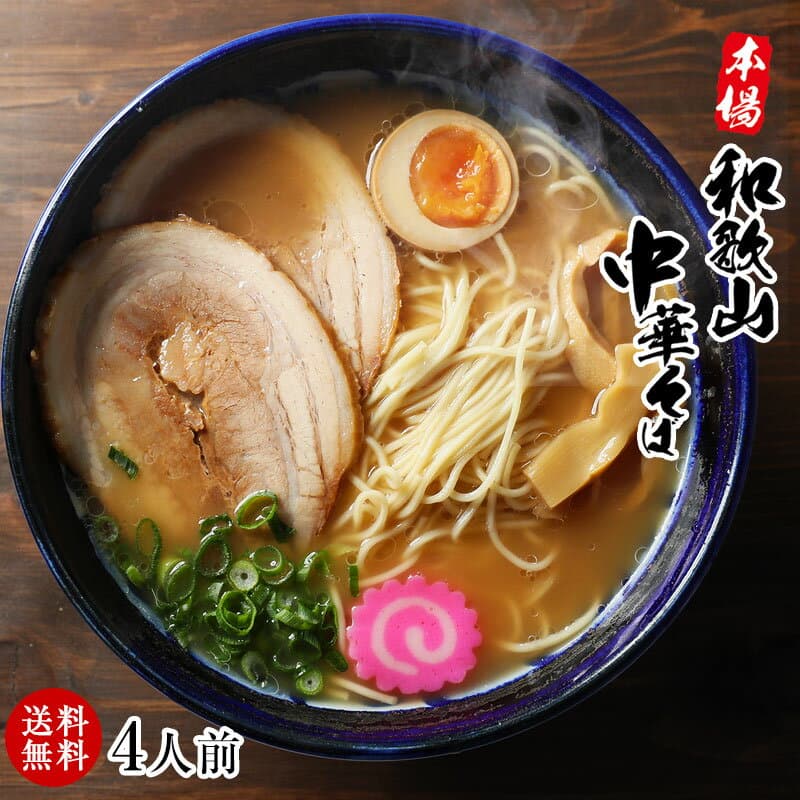
本場!和歌山ラーメン4食スープ付 濃厚豚骨醤油スープとこだわりの半生製法のストレート細打ち麺が絶妙! ※ネコポス便配送 プラス188円で「味付メンマ」付 ポイント消化 お試し ギフト グルメ 送料無料
4 servings with soup packetsふみこ農園グルメとスイーツギフト
4.4 / 754 reviews
Japanese name和歌山ラーメン
From street stalls near Takamatsu to richer Ide-style bowls, Wakayama ramen gathers soy sauce, pork bone, kamaboko, hayazushi, and boiled eggs around one local table.
Information last updated 119 days ago
3 images本場!和歌山ラーメン4食スープ付 濃厚豚骨醤油スープとこだわりの半生製法のストレート細打ち麺が絶妙! ※ネコポス便配送 プラス188円で「味付メンマ」付 ポイント消化 お試し ギフト グルメ 送料無料
4 servings with soup packetsふみこ農園グルメとスイーツギフト
4.4 / 754 reviews
 3 images
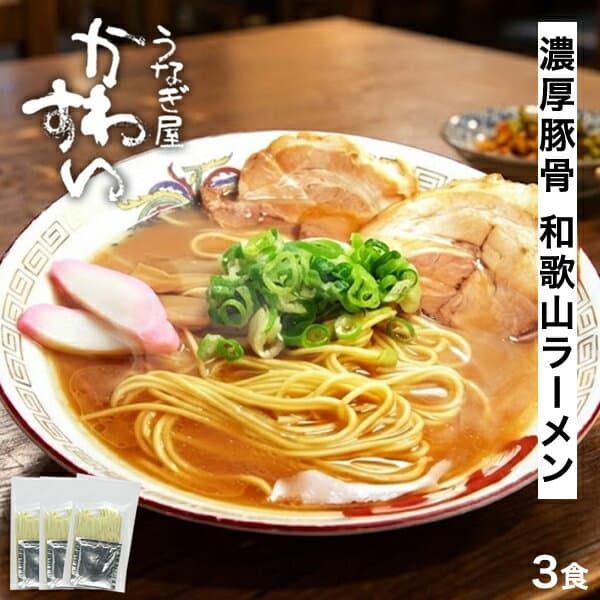
和歌山ラーメン 豚骨醤油 ラーメン 3人前 うなぎ屋かわすい 拉麺 中華そば ご当地 お取り寄せ グルメ 人気店 セット 和歌山 らーめん インスタント ポイント消化 メール便 送料無料 1000円ポッキリ 1000ポキ 1000円 買い回り
3 servingsうなぎ屋かわすい
4.5 / 55 reviews
 3 images
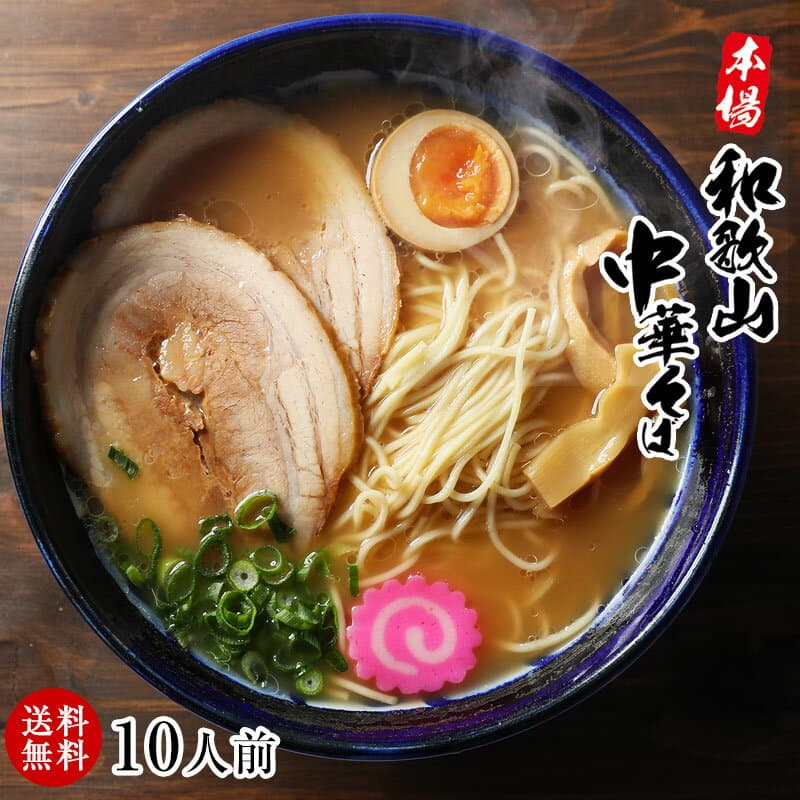
送料無料 お持たせ 手土産 贈り物 内祝 濃厚和歌山ラーメン たっぷり10食スープ付きお取り寄せ! 【送料無料(一部地域除く)】 半生製法にこだわったストレート細麺とコクのある豚骨醤油スープ!
10 servings with soupふみこ農園グルメとスイーツギフト
4.7 / 10 reviews
First time buying on Rakuten? How residents in Japan order →
In Wakayama City, the bowl now known outside the area as Wakayama ramen was long called chuka soba or simply chuka. Its shape comes from early Showa-era street stalls, postwar pork-bone soup, and table habits that place hayazushi and boiled eggs beside the bowl. It is not fixed by one recipe: soy sauce, pork bone, a 100-120 g noodle portion, generous soup, and shop-by-shop differences all define the family.
The name Wakayama ramen was not common until the late 1990s. In Wakayama City, people had long called the bowl chuka soba or chuka, tying it first to local shops and everyday meals before the newer regional name traveled more widely.
Starting with Wakayama City also keeps the food from becoming a rigid formula. The strongest roots sit in the city, while the wider eating map also reaches Iwade, Shirahama, Kainan, and Shingu; within the same family name, soup richness, noodles, and side dishes vary by shop.
The early thread often returns to street stalls in the early Showa period. In 1940, Marutaka began pulling a stall near Takamatsu in Wakayama City, first building soup from katsuobushi and small dried fish cooked with soy sauce, then adding pork bone after the war.
The phrase shako-mae style points to the area around the former streetcar depot stop. People connected to Marutaka’s taste opened more stalls near those tram stops, and the clearer, soy-forward soup became one of the ways diners describe Wakayama chuka soba.
Another line is tied to Ide Shoten. Tsuyako Ide began a street stall in 1953 and later used strong simmering over high heat to make a richer pork-bone soy soup. That method gave the broth a heavier pork-bone presence, setting it apart from the clearer shako-mae tendency.
The Ide line did not remain with one shop alone. People who worked at Ide Shoten, and others who aimed for that flavor, later opened shops around Wakayama, making rich pork-bone soy a central taste in the way Wakayama ramen is discussed.
Shako-mae style is often described through a clearer soy-sauce profile, while Ide style is described through a richer pork-bone soy profile. The distinction helps a diner imagine the bowl before tasting it: one side leans toward soy sauce and a lighter look; the other leans toward body and depth from pork bone.
The line stays soft. Both tendencies use soy sauce and pork bone, and each shop adjusts heat, bones, seasoning, and balance in its own way. The two names work best as coordinates for aroma and richness, not as rules that make every bowl identical.
A common Wakayama chuka soba serving uses about 100-120 g of noodles, smaller than many ramen portions, with a relatively generous amount of soup. That balance is linked to the bowl’s role as a night-time finish after drinking, and it leaves room for hayazushi and boiled eggs at the same meal.
Many shops place hayazushi and boiled eggs on the table so diners can take them when they like; some shops also serve oden. The bowl often has kamaboko where naruto might appear elsewhere, joining chashu, noodles, and pork-bone soy soup in a table setting that feels distinctly Wakayama.
In January 1998, Ide Shoten drew attention on a television program, and Wakayama chuka soba began to be discussed more widely under the name Wakayama ramen. In October of the same year, the Shin-Yokohama Ramen Museum held a related special exhibition, and Ide Shoten appeared there as a limited-period shop, drawing long lines in the Kanto area.
That 1998 moment moved a name once used mainly around Wakayama City into the vocabulary of regional ramen across Japan. The center of the bowl remained concrete: soy sauce and pork bone, shop-specific simmering, a smaller noodle portion, and hayazushi and eggs within reach at the table.
Wakayama ramen stays memorable through details on the Wakayama City table: street stalls near Takamatsu, the former depot-stop area, richer Ide-style soup, a 100-120 g noodle portion, hayazushi, boiled eggs, and kamaboko. Shako-mae and Ide style give useful names to two soup directions, but the bowl is held together by soy sauce, pork bone, generous soup, and the small choices each shop makes.
Compiled from public records and official sources; see the recognition links below. Details may change over time.
Where this product is officially registered, designated, or recognized in Japan.
Regional collective trademark
Registered as a Regional Collective Trademark with the Japan Patent Office.
Sources1
It is written as 和歌山ラーメン in Japanese. Search Rakuten and other Japanese sites with that spelling — the English name will not bring up the listings.
Wakayama ramen grew from the chuka soba or chuka long eaten in Wakayama City. Its soups are usually understood through two soft tendencies: soy-forward shako-mae style and richer Ide-style pork-bone soy, both using soy sauce and pork bone. Common table details include a 100-120 g noodle portion, generous soup, hayazushi, boiled eggs, some shops’ oden, and kamaboko in the bowl.
Wakayama ramen was long known locally in Wakayama City as chuka soba or chuka before the Wakayama ramen name spread widely in the late 1990s. The early history includes Showa-era street stalls and Marutaka beginning a stall near Takamatsu in Wakayama City in 1940. Marutaka’s early soup used katsuobushi, small dried fish, and soy sauce before pork bone was added after the war. Tsuyako Ide began a stall in 1953 and later made richer pork-bone soy soup by strongly simmering pork bones over high heat.
A common Wakayama chuka soba serving uses about 100-120 g of noodles with relatively generous soup, linked to the bowl’s role after drinking at night. Many shops place hayazushi and boiled eggs on the table, some also serve oden, and kamaboko often appears in the bowl instead of naruto.
Storage varies by product — shelf-stable, refrigerated, or frozen — and is stated on the packaging and the Rakuten listing. Shelf-stable processed foods usually need refrigerating once opened and eating within a few days; chilled and frozen items go straight into storage on arrival. Treat the best-before date on the physical packaging as authoritative.
Most options are shelf-stable, boxed, and travel well, so they suit gifting or bringing home. Confirm the final storage and delivery terms on the Rakuten listing.
On Rakuten: the shops listed here right now are ふみこ農園グルメとスイーツギフト, うなぎ屋かわすい. We don't sell directly; purchase, payment, stock, and delivery are all handled on the Rakuten product page.