 3 images
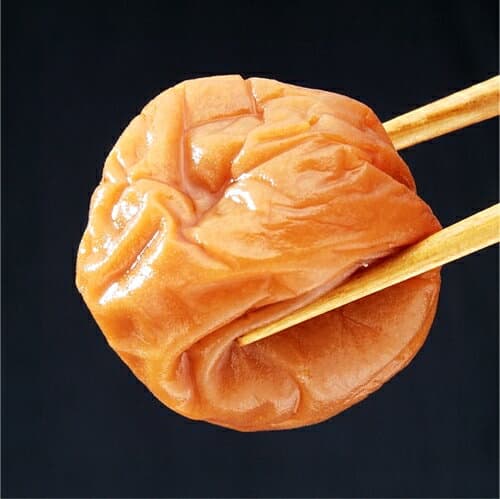
Kishu Nanko Umeboshi with Honey and Kelp
【送料無料】紀州梅干し1.3kg ちょっとキズあり はちみつ・昆布エキス入 紀州産南高梅100%使用/和歌山県産/梅干/紀州南高梅/訳あり
1.3 kg, slightly blemished紀州の梅干農家 筋本農園
4.8 / 500 reviews
Japanese name紀州梅干
In Minabe and Tanabe, ume groves climb warm slopes beside fuelwood and charcoal forests; Nanko Ume’s thick flesh and thin skin carry into white-salted ume, seasoned umeboshi, paste, syrup, and everyday meals.
Information last updated 113 days ago
3 images【送料無料】紀州梅干し1.3kg ちょっとキズあり はちみつ・昆布エキス入 紀州産南高梅100%使用/和歌山県産/梅干/紀州南高梅/訳あり
1.3 kg, slightly blemished紀州の梅干農家 筋本農園
4.8 / 500 reviews
 3 images
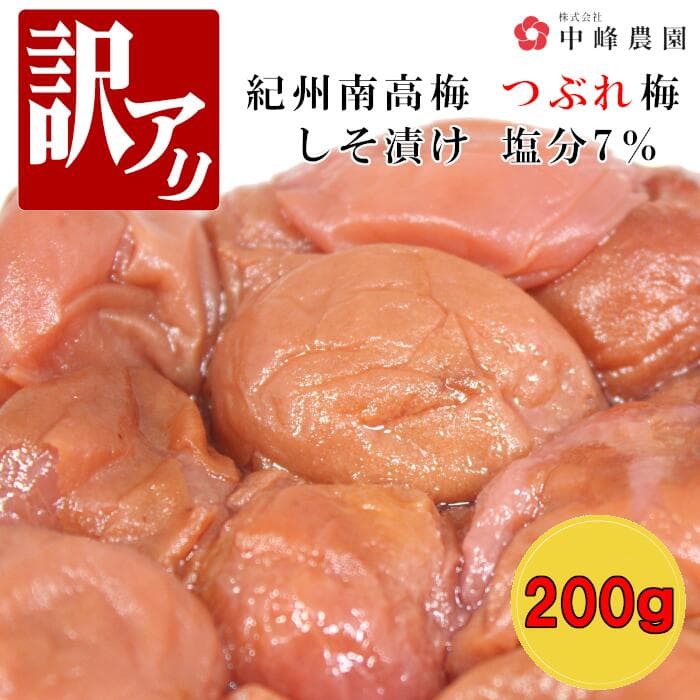
つぶれ梅 紀州南高梅 塩分7% しそ漬 200g ゆうパケット発送 超簡易梱包 塩分補給 夏バテ対策 熱中症 対策 しそ しそ梅 しそ梅干し 梅干し うめぼし 紀州梅 紀州梅干し 南高梅 酸っぱい 和歌山 ご飯のお供 高級 美味しい ご飯のお供 お取り寄せ 送料無料
crushed, 7% salt, 200g中峰農園
4.2 / 42 reviews
 3 images
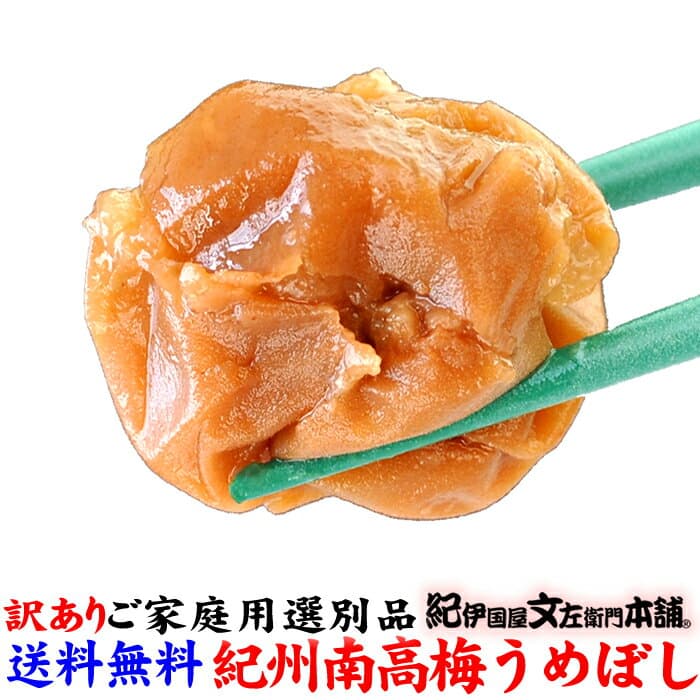
訳あり・紀州うめぼし1.6キロ(800g×2) お買得 よりどり【800g×2パックセット】紀州梅干し[南高梅] 訳あり(つぶれ梅・皮切れ・傷あり・斑点・色むら・不揃い)和歌山県産【送料無料】梅干
800g x 2 packsみかん梅干し紀伊国屋文左衛門本舗
4.7 / 511 reviews
First time buying on Rakuten? How residents in Japan order →
In southern Wakayama, Kishu Umeboshi begins with a landscape: Minabe and Tanabe face the Pacific, and ume groves climb satoyama slopes beside fuelwood and charcoal forests. Those woods help hold soil and water, while early blossoms give honeybees a role before the June fruit comes in. In 2015, the Minabe-Tanabe Ume System received Globally Important Agricultural Heritage recognition; on the table, the same system becomes a small ume that sharpens rice, fried foods, tempura, and seasoning with sourness and umami.
Compiled from public records and official sources; see the recognition links below. Details may change over time.
Where this product is officially registered, designated, or recognized in Japan.
Regional collective trademark
Registered as a Regional Collective Trademark with the Japan Patent Office.
Sources1
It is written as 紀州梅干 in Japanese. Search Rakuten and other Japanese sites with that spelling — the English name will not bring up the listings.
Kishu umeboshi is a Wakayama ume-preserved food family, with this article focused on the Minabe, Tanabe, and Tanabe City-Nishimuro District processing community. Local ume groves sit on Pacific-facing satoyama slopes beside fuelwood and charcoal forests that help hold soil and water and support honeybee activity. Nanko ume contributes thick flesh, thin skin, acidity, and richness, and local processors make white-salted ume, seasoned umeboshi, paste, syrup, and wine, used in rice balls, fried foods, tempura, and seasoning.
Kishu umeboshi is tied to Wakayama food names and is listed among Wakayama agricultural and food regional collective trademarks. The Minabe-Tanabe ume system has continued for more than 400 years and received Globally Important Agricultural Heritage recognition in 2015. Local fuelwood and charcoal forests help reduce slope collapse, retain water, support honeybee activity, and maintain surrounding ecosystems. Nanko ume traces to Kishu Takada Kajuen, one tree selected among 60 seedlings through a seven-year process, noted for thick flesh, thin skin, acidity, and richness.
Kishu umeboshi is eaten in rice balls and everyday meals, where its sourness and umami tighten the dish and leave a lighter finish. It is also served alongside karaage and tempura, showing a use beyond rice fillings. It functions as a seasoning component, with its acidity and umami shaping the overall taste of a dish.
Storage varies by product — shelf-stable, refrigerated, or frozen — and is stated on the packaging and the Rakuten listing. Shelf-stable processed foods usually need refrigerating once opened and eating within a few days; chilled and frozen items go straight into storage on arrival. Treat the best-before date on the physical packaging as authoritative.
Most options are shelf-stable, boxed, and travel well, so they suit gifting or bringing home. Confirm the final storage and delivery terms on the Rakuten listing.
On Rakuten: the shops listed here right now are 紀州の梅干農家 筋本農園, 中峰農園, みかん梅干し紀伊国屋文左衛門本舗. We don't sell directly; purchase, payment, stock, and delivery are all handled on the Rakuten product page.