 3 images
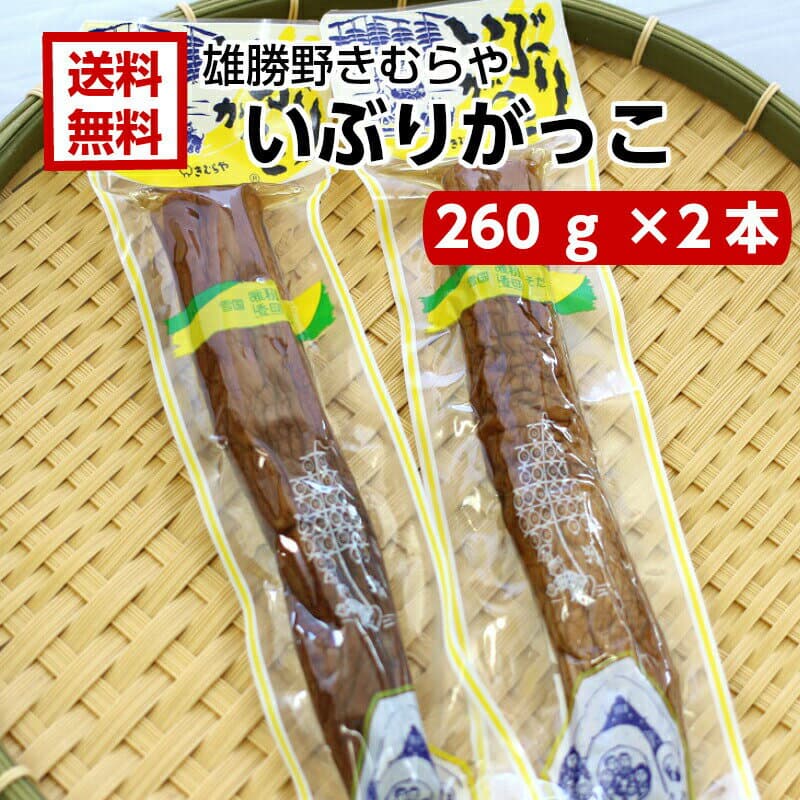
Ogachino Kimuraya Iburigakko Smoked Pickled Daikon
雄勝野 きむらや いぶりがっこ 一本(260g) 2袋セット おかちのきむらや いぶり沢庵 タルタル おにぎり 昼食 遠足 クリームチーズ 無添加で安心 おかちの いぶり たくわん お土産 郡山銘販 まざっせこらっせ
260g x 2 packsまざっせこらっせ 楽天市場店
4.7 / 175 reviews
Japanese nameいぶりがっこ
Iburigakko grew from winter life in inland southern Akita, where daikon was dried over hearth smoke before slow pickling in rice bran, salt, and sugar.
Information last updated 120 days ago
3 images雄勝野 きむらや いぶりがっこ 一本(260g) 2袋セット おかちのきむらや いぶり沢庵 タルタル おにぎり 昼食 遠足 クリームチーズ 無添加で安心 おかちの いぶり たくわん お土産 郡山銘販 まざっせこらっせ
260g x 2 packsまざっせこらっせ 楽天市場店
4.7 / 175 reviews
 2 images
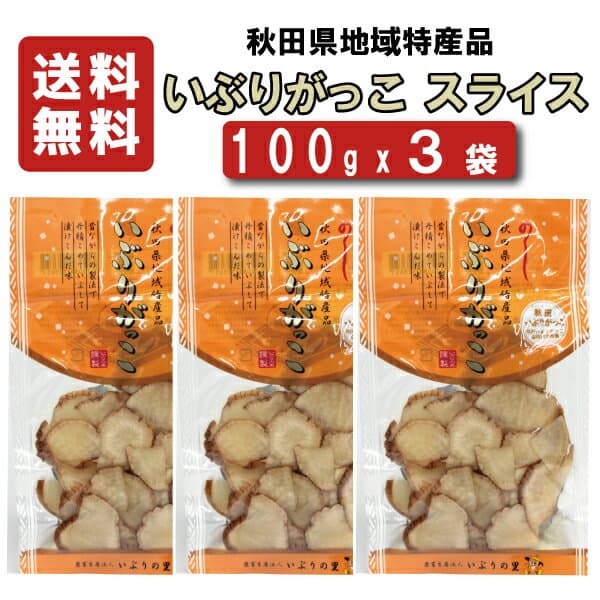
【送料無料】 いぶりの里 いぶりがっこ スライス 100gx3袋 【送料無料】【沢庵】【たくあん】【同梱不可】【いぶりがっこ】
100g x 3 bagsおつけもの 千住金久
4.4 / 240 reviews
 3 images
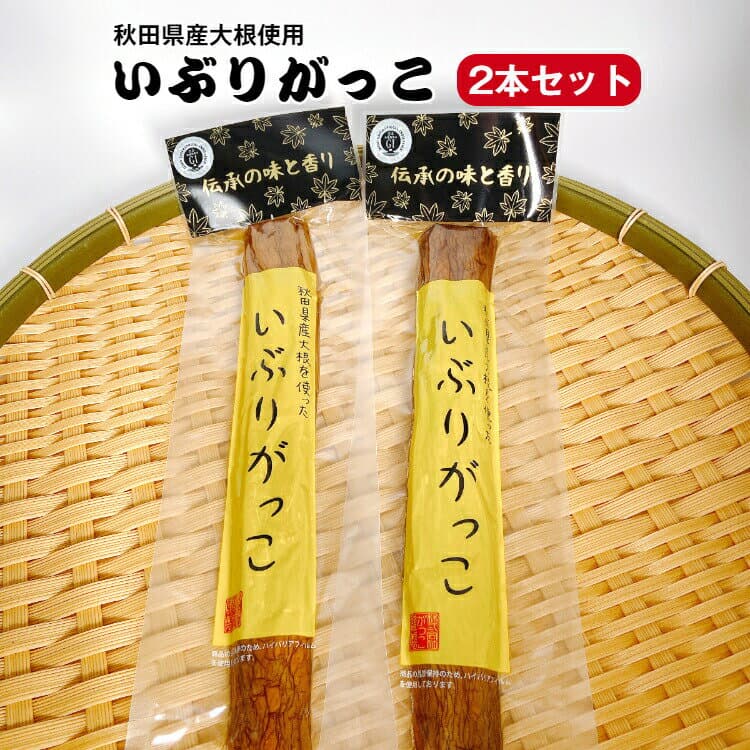
秋田県産大根使用 いぶりがっこ (Mサイズ) 一本 2袋セット いぶり沢庵 いぶり大根 おにぎり 昼食 遠足 クリームチーズ ホームパーティー 無添加で安心 郡山銘販 まざっせこらっせ マザッセコラッセ がっこ おためし
M size, 2 bagsまざっせこらっせ 楽天市場店
4.6 / 230 reviews
First time buying on Rakuten? How residents in Japan order →
Iburigakko is Akita’s smoked-dried takuan-style daikon pickle. Its name joins iburi, meaning smoked, with gakko, an Akita dialect word for pickles. The method belongs especially to inland southern Akita, where early snow, short winter sunlight, and freezing temperatures made outdoor drying difficult. Instead of relying on sun-drying, households hung daikon above the irori hearth, letting heat and smoke reduce moisture before the roots were pickled with rice bran, salt, and sugar or zarame. The finished slices are crisp, smoky, and mellow, served with rice, tea, or alcohol, and also paired today with cream cheese or chopped into tartar sauce and pasta.
The strongest place connection for iburigakko is inland southern Akita. In that mountain-influenced part of the prefecture, snow arrives early, winter daylight is short, and temperatures can drop below freezing. Ordinary takuan making depends on drying daikon outdoors first, but those winter conditions made steady sun-drying difficult. The hearth inside the house became part of food preservation: daikon could hang above the irori, where heat and smoke dried the roots before pickling. Here, local food culture means a concrete winter practice: keeping daikon edible through cold months by drying it indoors and finishing it in a rice-bran bed.
The process begins with daikon. Akita producer organizations describe domestic white-neck daikon as a common standard, with harvested roots washed clean and trimmed before smoking. The roots are braided by hand into hanging bundles, often about eight to ten daikon at a time, arranged from thicker to thinner pieces so smoke can reach them more evenly. Once carried into a smoking hut or hung above the hearth space, the bundles become both raw ingredient and working structure: their weight, spacing, and exposure to smoke shape the drying that follows.
The smoke step is practical as well as aromatic. Broadleaf woods such as nara oak and sakura are burned so their smoke surrounds the hanging daikon while heat drives off moisture. Described durations vary by organization: at least two days, three to four days, four to five days, or two to five days. The shared point is continuous smoking across several days and nights. Producers manage the fire position, strength, and smoke flow because uneven drying would affect the roots before they enter the rice-bran pickle bed.
After smoking, the daikon is packed into a bed made mainly with rice bran, salt, and sugar or zarame. The food’s character comes from this pairing of smoke-drying and pickling: smoke leaves aroma and lowers moisture, while the rice-bran bed adds salt, gentle sweetness, and a rounded fermented flavor. Aging standards differ across descriptions, from at least forty days to at least two months, but all point to slow, low-temperature maturation. The method gives the pickle its firm bite, amber tone, smoke aroma, and mellow finish.
Iburigakko is commonly sliced thin and served in small dishes with rice; it also appears as a tea snack or a companion for alcohol. The crisp texture comes from daikon that has been dried and pickled, while the aroma comes from hardwood smoke. Akita pickling groups also describe newer pairings: a slice topped with cream cheese, a plate set beside wine or beer, or chopped iburigakko folded into tartar sauce and pasta. These uses keep the same concrete center, a smoked daikon pickle, while changing the table around it.
Older household production was tied to winter storage. Japan’s local-cuisine material on Akita says iburigakko was once made by many households in the transmission area, with each home’s flavor noticed and praised by neighbors. As home winter storage declined, dedicated producers and Akita-based organizations carried more of the work. A cooperative was formed in 2014, and a prefectural promotion council followed in January 2017; through training, process checks, quality improvement, and promotion, these groups help keep the sequence of washing, braiding, smoking, and rice-bran aging in active use.
A slice of iburigakko carries a sequence shaped by inland Akita winters: early snow, short sunlight, cold air, the irori hearth, nara and sakura smoke, and rice-bran aging at low temperature. Its heritage is concrete rather than vague: a daikon preservation method made from place, weather, wood, bran, salt, sugar, and patient work. Today, Akita producers and organizations continue that method while the pickle moves between rice bowls, tea, alcohol, cream cheese, sauces, and pasta.
Compiled from public records and official sources; see the recognition links below. Details may change over time.
Where this product is officially registered, designated, or recognized in Japan.
Geographical Indication (GI)
Registered under Japan's Geographical Indication Protection System, run by the Ministry of Agriculture, Forestry and Fisheries.
Sources1
It is written as いぶりがっこ in Japanese. Search Rakuten and other Japanese sites with that spelling — the English name will not bring up the listings.
Iburigakko smoked pickled radish is Akita's smoked-dried takuan-style daikon pickle, especially tied to snowy inland southern Akita. Early snowfall, short winter daylight, and freezing temperatures made outdoor daikon drying difficult, so households dried daikon above the irori hearth with heat and smoke before pickling it in rice bran, salt, and sugar or zarame at low temperature. It is crisp, smoky, and mellow.
The name Iburigakko combines iburi, meaning smoked, and gakko, an Akita dialect word for pickles. Core materials include daikon, rice bran, salt, and sugar or zarame, with smoke commonly produced from broadleaf woods such as nara oak and sakura. Common process steps include washing daikon, braiding about eight to ten roots by hand, hanging them, smoking them for several days, and aging them at low temperature in a rice-bran bed. Smoking and aging durations vary by organization, including at least two days to two-to-five days of smoking, and at least forty days to at least two months of aging.
The rice bran is washed off, then it is sliced thinly, placed in a dish, and eaten with rice as a daily accompaniment. It is also eaten as a tea snack or sake accompaniment, and sliced pieces may be topped with cream cheese or paired with wine or beer. Chopped iburigakko can be mixed into tartar sauce or pasta.
Storage varies by product — shelf-stable, refrigerated, or frozen — and is stated on the packaging and the Rakuten listing. Shelf-stable processed foods usually need refrigerating once opened and eating within a few days; chilled and frozen items go straight into storage on arrival. Treat the best-before date on the physical packaging as authoritative.
Most options are shelf-stable, boxed, and travel well, so they suit gifting or bringing home. Confirm the final storage and delivery terms on the Rakuten listing.
On Rakuten: the shops listed here right now are まざっせこらっせ 楽天市場店, おつけもの 千住金久. We don't sell directly; purchase, payment, stock, and delivery are all handled on the Rakuten product page.