 3 images
Wakayama Shimotsu Kuradashi Mikan Mandarin Oranges
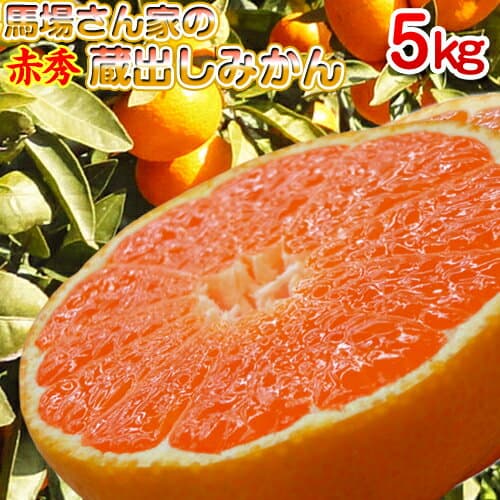
温州みかん 高級ブランド 蔵出しみかん【赤秀】5kg【国産 和歌山 みかん 送料無料】 馬場さん家の蔵出しみかん 5kg和歌山県産 下津みかん しもつみかん 箱売り 2箱以上購入で送料無料熟成 蜜柑 ミカン 石積み階段園みかんシステム 石垣積み 世界農業遺産
Aka-shu grade, 5 kg美味シティ
3.8 / 39 reviews
Japanese nameしもつみかん
In Shimotsu-cho, Kainan City, mandarins grow on coastal slopes facing the Kii Channel, while kuradashi fruit spends winter in wooden, earthen-walled storehouses.
Information last updated 119 days ago
3 images温州みかん 高級ブランド 蔵出しみかん【赤秀】5kg【国産 和歌山 みかん 送料無料】 馬場さん家の蔵出しみかん 5kg和歌山県産 下津みかん しもつみかん 箱売り 2箱以上購入で送料無料熟成 蜜柑 ミカン 石積み階段園みかんシステム 石垣積み 世界農業遺産
Aka-shu grade, 5 kg美味シティ
3.8 / 39 reviews
 3 images
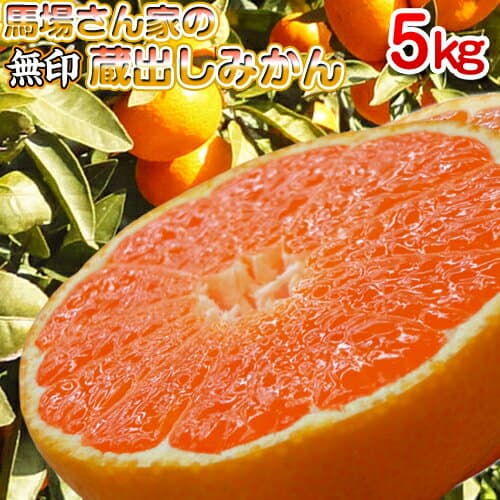
温州みかん 高級ブランド 蔵出しみかん【無印】5kg【和歌山 みかん 送料無料】馬場さん家のわけあり蔵出しみかん 5kg和歌山県産 下津みかん しもつみかん 2箱以上購入で送料無料 [国産/熟成/ミカン/蜜柑/箱売り] 石積み階段園みかんシステム 石垣積み
Imperfect, 5kg美味シティ
3.8 / 22 reviews
 3 images
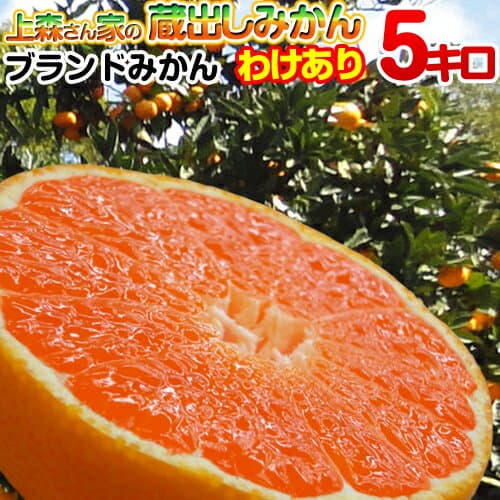
【わけありご家庭用】上森さん家の蔵出しみかん 5kg 温州みかん 高級ブランド 蔵出しみかん みかん 送料無料 和歌山県産 下津みかん 有田みかんとは一味違う しもつみかん 絶品みかんが2箱以上購入で送料無料 蜜柑 甘い 石積み階段園みかんシステム
home-use, mixed sizes, 5kg美味シティ
4.0 / 14 reviews
First time buying on Rakuten? How residents in Japan order →
Shimotsu mikan begins with a precise place: Shimotsu-cho in Kainan City, Wakayama Prefecture. Citrus fields extend from the coast facing the Kii Channel toward hill country, and stone-walled terraces carry mandarin trees on sunlit slopes. For kuradashi Shimotsu mikan, harvest around December is followed by winter storage in wooden, earthen-walled storehouses, where growers manage boxes and air before shipping around March. The family is best read through the town name, the terraced coast, and the winter work inside the storehouse.
Shimotsu mikan refers to mandarins produced in Shimotsu-cho, Kainan City, Wakayama Prefecture. The Wakayama Prefecture Agricultural Cooperative Shimotsu Citrus Section is located in Kainan City, and its listed Unshu mikan names include kuradashi Shimotsu mikan, Hikaeorou, and Hina mikan. The names mark separate boundaries: Shimotsu mikan is tied to place, kuradashi Shimotsu mikan to winter storage, and Hikaeorou Kishu Shimotsu mikan to darker color and a sugar-content condition.
The growing landscape is a coastal and upland one. Citrus cultivation is described along the Kii Channel-facing coast and toward mountain areas, with mandarin trees planted on stone-walled terraced slopes. The area is also described with an annual average temperature of about 15 degrees Celsius. Those details turn Shimotsu-cho into a physical setting: sea-facing land, mild conditions, and stepped stone fields carrying the trees.
For kuradashi Shimotsu mikan, the decisive interval comes after harvest. Ripe mandarins are picked around December, kept through winter in storehouses on or near the orchard, and shipped around March of the following year. The fruit has left the tree, yet remains within the production place for a managed winter period. That storage period is linked with a better balance between sugar and acidity.
The storehouse process is made of tangible things: wooden buildings with earthen walls, wooden boxes filled with mandarins, box replacement during winter, and air exchange inside the storage space. The storehouses are described as keeping temperature and humidity steady, and boxes may be stacked up toward the ceiling. Growers continue handling the fruit after harvest, watching the stored mandarins until the March shipping season approaches.
The most secure sensory point is the storage link to sugar-acidity balance. Hikaeorou Kishu Shimotsu mikan is a narrower name, associated with darker-colored fruit and sugar content of 13 degrees or more. That sugar boundary belongs to Hikaeorou and should not be applied to all Shimotsu mikan. Reading the names by place, storage, and quality condition keeps the family clear.
The Shimotsu Citrus Section gathers several local Unshu mikan names within a Kainan City producer community, so the family is broader than a single orchard. If tradition is the word, here it means concrete work: growing citrus on stone-walled slopes, harvesting around December, moving wooden boxes inside earthen-walled storehouses, exchanging air through winter, and shipping around March. The defined name boundary gives context, while the lasting image is the slope, the storehouse, and the winter handling of the fruit.
Shimotsu mikan is clearest when kept close to Shimotsu-cho in Kainan City. The Kii Channel-facing slopes, stone-walled terraces, and annual average temperature of about 15 degrees Celsius frame the growing place; kuradashi Shimotsu mikan adds a winter process of December harvest, wooden earthen-walled storage, box and air management, and March shipping. The family’s character comes from a named town and from careful work that continues after the mandarins leave the tree.
Compiled from public records and official sources; see the recognition links below. Details may change over time.
Where this product is officially registered, designated, or recognized in Japan.
Regional collective trademark
Registered as a Regional Collective Trademark with the Japan Patent Office.
Sources1
It is written as しもつみかん in Japanese. Search Rakuten and other Japanese sites with that spelling — the English name will not bring up the listings.
Shimotsu mikan are mandarins from Shimotsu-cho, Kainan City, Wakayama Prefecture, grown along a coastline facing the Kii Channel and rising into hill country. Kuradashi Shimotsu mikan are harvested around December and kept through winter in storehouses, then shipped around March; this storage period is linked with balancing sugar and acidity in the fruit.
Shimotsu mikan is associated with stone-walled terraced slopes that receive sunlight. The area is described as having an annual average temperature of about 15 degrees Celsius. The storehouses used for kuradashi Shimotsu mikan are wooden buildings with earthen walls, where wooden boxes are used and air exchange is managed. Hikaeorou Kishu Shimotsu mikan is tied to darker color and a sugar content boundary of 13 degrees or more.
Kuradashi Shimotsu mikan, matured through winter storage, are associated with eating during late winter and early spring. Compared with mikan that are not stored, the kuradashi version is said to have a better balance of sugar and acidity after storehouse maturation.
Fresh produce doesn't keep, so start with the grower's note in the box. Most fruit ripens best at room temperature and is at its most fragrant when it is ready to eat; refrigerate only once it is cut or fully ripe, and eat it soon after. Chilling too early stalls ripening and flattens the flavour. Follow the listing and the enclosed note for the specific variety.
Most options are shelf-stable, boxed, and travel well, so they suit gifting or bringing home. Confirm the final storage and delivery terms on the Rakuten listing.
On Rakuten: the shops listed here right now are 美味シティ. We don't sell directly; purchase, payment, stock, and delivery are all handled on the Rakuten product page.