 3 images
Japanese Iwate Oak Cut Charcoal
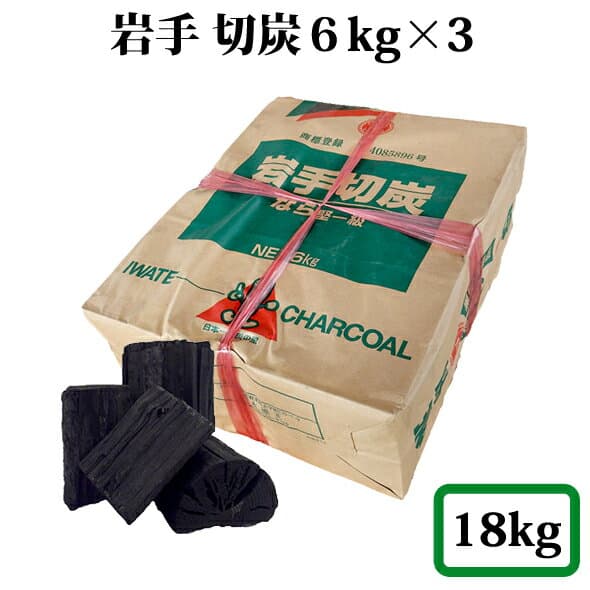
国産岩手木炭・切炭 約18kg【送料無料】 [ バーベキュー キャンプ 燃料 国産 すみ BBQ 岩手切炭 なら 楢 ]
Approx. 6kg x 3doGARDEN ドゥガーデン楽天市場店
4.6 / 20 reviews
Japanese name岩手木炭
Iwate charcoal begins with prefecture-grown nara and kunugi, then passes through low Iwate kilns, smoke-color judgment, long cooling, and checks that shape a clean, lasting fire.
Information last updated 121 days ago
3 images国産岩手木炭・切炭 約18kg【送料無料】 [ バーベキュー キャンプ 燃料 国産 すみ BBQ 岩手切炭 なら 楢 ]
Approx. 6kg x 3doGARDEN ドゥガーデン楽天市場店
4.6 / 20 reviews
 3 images
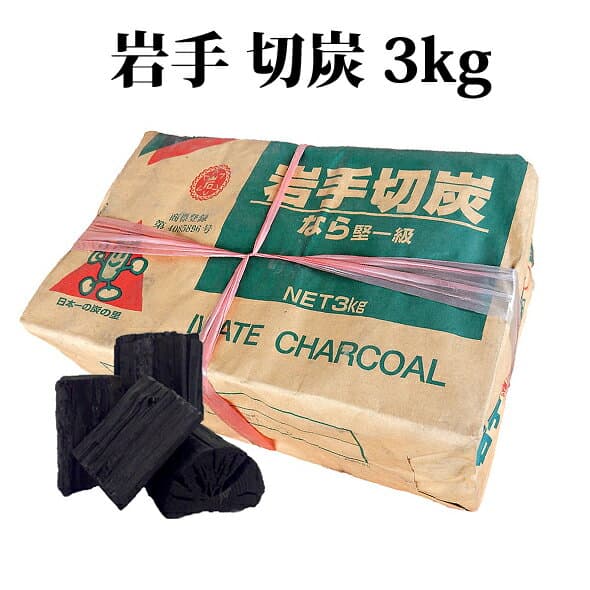
国産岩手木炭・切炭 約3kg【送料無料】 [ バーベキュー キャンプ 燃料 国産 すみ BBQ 岩手切炭 なら 楢 ]
approx. 3 kgdoGARDEN ドゥガーデン楽天市場店
4.3 / 8 reviews
First time buying on Rakuten? How residents in Japan order →
In Iwate Prefecture, broad forests supply nara and kunugi for charcoal, with production centered in northern municipalities. The names Iwate mokutan and Iwate kirizumi refer to black charcoal made from Iwate-grown logs, but their character is formed through concrete work: splitting wood, standing it inside a kiln, preheating, ignition, carbonization, refining, cooling, trimming, and inspection.
Forests cover about 77% of Iwate Prefecture, above the national average of about 67%, and the prefecture has many broadleaf trees such as nara for charcoal logs. Production is centered in northern municipalities, while the product boundary is tied to Iwate-grown nara or kunugi and black charcoal made within the prefecture.
The Iwate Charcoal Association describes a process using nara trees about 20 to 25 years old. Logs cut from the forest are split with a hydraulic splitter into standard thicknesses, often into halves or quarters; the fresh split wood holds a great deal of moisture and is heavy before firing. Nara stumps can also send up new shoots, linking cutting work to the next stand of forest.
An Iwate kiln has a low entrance and an interior height of about 1.2 meters. Split logs are stood inside, and the kiln is warmed near the entrance with mixed firewood rather than nara so the nara logs dry. Once the temperature rises, the entrance is closed except for the air inlet, and the logs ignite gradually as carbonization begins.
During carbonization, makers adjust the air inlet and flue while watching smoke shift from white to blue and then toward clear. The refining stage can reach about 800 degrees, and the span from preheating to refining takes about two weeks, followed by a week to ten days of cooling. About 10 tons of logs become about 1 ton of charcoal.
Finished pieces are trimmed at the lower portion because that part may be less fully carbonized, then checked with a refining meter so the refining degree stays within 8. Iwate charcoal is hard, holds fire well, has a high carbon proportion, and produces little smoke, flame, odor, or ash. Iwate Prefecture also describes it as easy to light and suited to barbecue and restaurant cooking.
Charcoal production in Iwate is described as reaching back about 900 years to the Heian period, and excavations around Hiraizumi show charcoal used as a heat source for pottery around the first half of the 12th century. In the early Meiji period, demand came largely from industrial charcoal for ironmaking in Tohoku; by the late Meiji period, shipments for ordinary fuel to Tokyo increased. Since the 1950s, the association has led development of Iwate kilns and large Iwate kilns, along with kiln-building guidance, seminars, and training for younger producers.
Every package carries the producer's name, connecting the charcoal in use to the person who made it. Iwate also holds a charcoal fair; in the 2025 event, producers from Karumai and Kuji received awards in cut black charcoal, long black charcoal, and tea charcoal divisions. Those names place the low kiln, nara wood, and finished fire within specific Iwate communities.
Iwate charcoal takes shape between forest cover, nara wood, low Iwate kilns, and patient heat. Smoke-color judgment, refining checks, and the transformation of about 10 tons of logs into about 1 ton of charcoal give the fire its practical character: easy lighting, long burning, and little smoke or odor, held together by northern Iwate forests and producer skill.
Compiled from public records and official sources; see the recognition links below. Details may change over time.
Where this product is officially registered, designated, or recognized in Japan.
Geographical Indication (GI)
Registered under Japan's Geographical Indication Protection System, run by the Ministry of Agriculture, Forestry and Fisheries.
Sources1
It is written as 岩手木炭 in Japanese. Search Rakuten and other Japanese sites with that spelling — the English name will not bring up the listings.
Iwate charcoal (Iwate mokutan and Iwate kirizumi) is black charcoal made from Iwate-grown logs, especially nara or kunugi, with production centered in northern Iwate municipalities. The process includes splitting, standing logs in an Iwate kiln, preheating, ignition, carbonization controlled by air and smoke color, refining around 800 degrees, cooling, trimming, and refining-degree inspection. The charcoal is valued for easy lighting, long burn, and little smoke or odor, with continuity from Hiraizumi-era heat use to modern producer training.
Forests cover about 77% of Iwate Prefecture, and broadleaf trees such as nara are common there. The association process describes nara trees about 20 to 25 years old being split to standard thickness before kiln loading. An Iwate kiln has a low entrance and an interior height of about 1.2 meters. During carbonization, makers watch smoke shift from white to blue to clear while adjusting the air inlet and flue.
The charcoal lights easily and burns for a long time, making it suitable for barbecue, and its low smoke and odor help avoid transferring unwanted smell to food. In restaurants, its high combustion temperature and far-infrared heat quickly heat food through, keeping juices and umami inside while crisping the outside. Well-carbonized charcoal that produces little flame suits grilling where flame control matters, since its high carbon proportion and low impurities keep smoke, flame, and odor to a minimum.
Keep wood, bamboo, and lacquer out of prolonged soaking, dishwashers, and direct sun — wipe dry after use and let them air out in the shade. For metal and fabric goods, follow the care notes on the listing.
Most options are shelf-stable, boxed, and travel well, so they suit gifting or bringing home. Confirm the final storage and delivery terms on the Rakuten listing.
On Rakuten: the shops listed here right now are doGARDEN ドゥガーデン楽天市場店. We don't sell directly; purchase, payment, stock, and delivery are all handled on the Rakuten product page.