 3 images
Kurotani Washi Business Cards
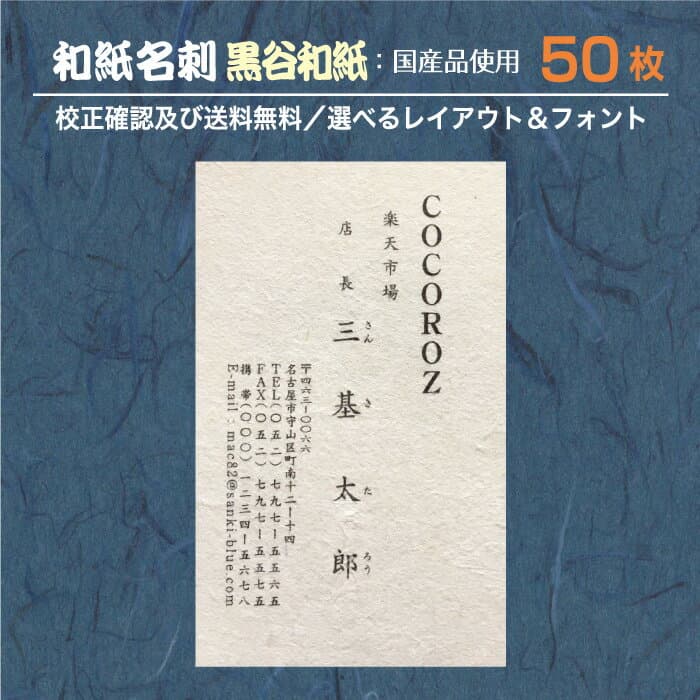
『和紙 名刺』印刷 作成 50枚 和紙 黒谷和紙 和紙の種類が選べる 名刺印刷 名刺作成 メール便 送料無料 イメージ確認無料 データ保障あり wm-kurotani-50
50 cardsココロズ楽天市場店
4.5 / 4 reviews
Japanese name黒谷和紙
In Kurotani-cho and Yashiro-cho, kozo bark is steamed, cleaned, beaten, mixed with tororo-aoi mucilage, formed on a sugeta, and dried on boards. The paper’s toughness grows from Ayabe’s valley conditions and patient handwork.
Information last updated 121 days ago
3 images『和紙 名刺』印刷 作成 50枚 和紙 黒谷和紙 和紙の種類が選べる 名刺印刷 名刺作成 メール便 送料無料 イメージ確認無料 データ保障あり wm-kurotani-50
50 cardsココロズ楽天市場店
4.5 / 4 reviews
 3 images
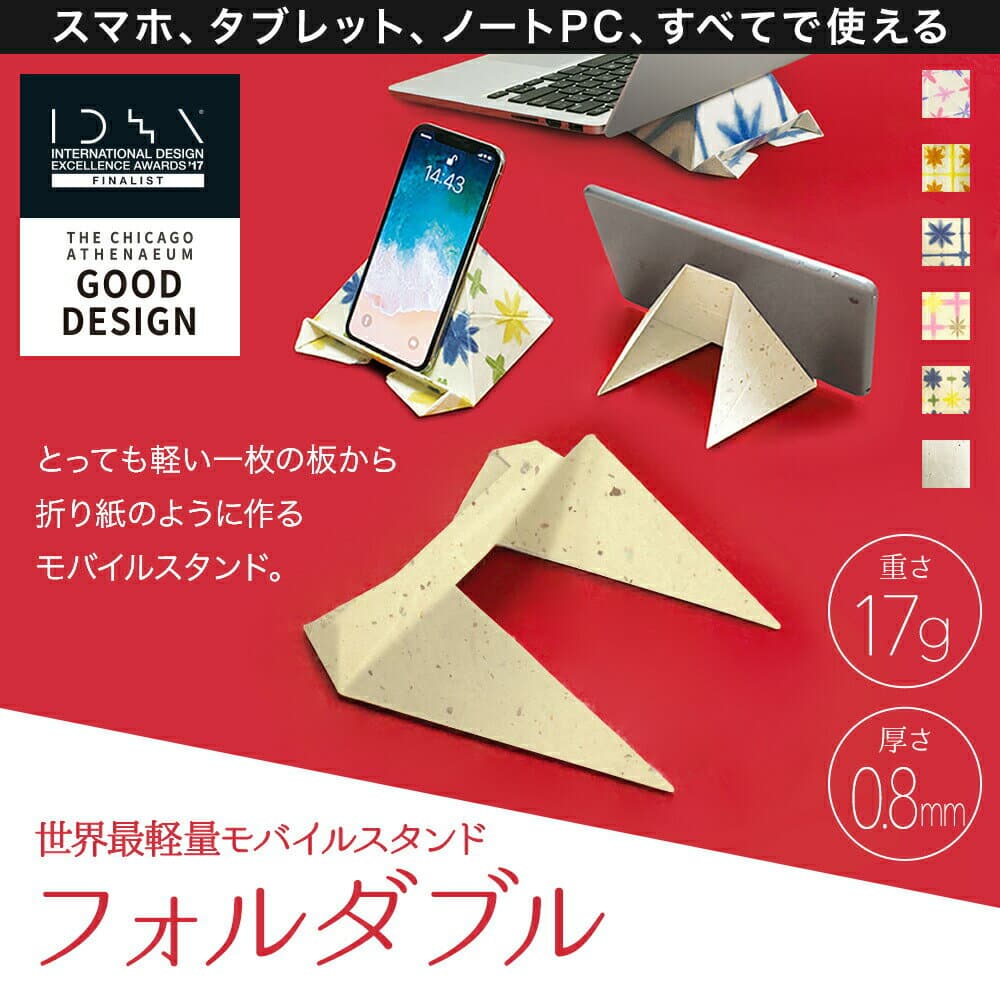
フォルダブル2 Foldable2 モバイルスタンド 生成 きなり 世界最軽量17g 世界最薄0.8mm 日本伝統職人製 デバイスに貼らない美しさ 衛生的 NHKニュース紹介! スマホ タブレット ノートPC すべてで使える ECBB 雪花絞り 最高級 黒谷和紙 京都 日本文化 応援!
kinari natural color【安心の日本企業】MAKERS TOKYO
 3 images
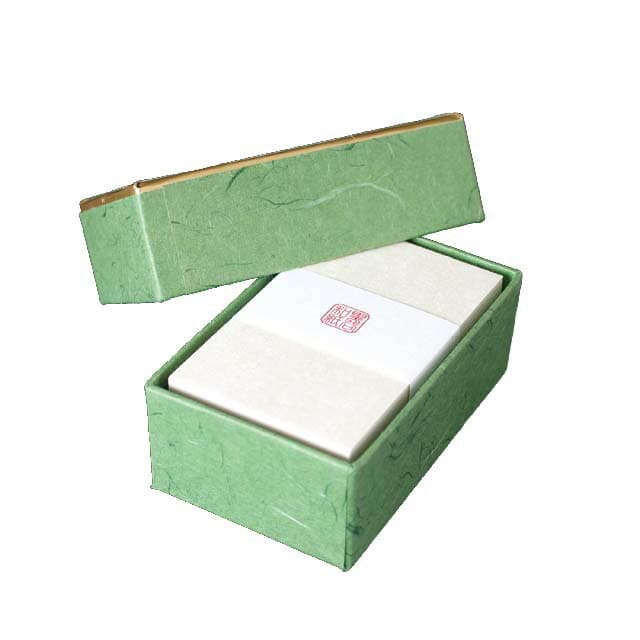
名刺 黒谷和紙 4号名刺 100枚 / 箱 【 名入れ 印刷なし 紙の販売です 】 【 4号 高級和紙 】
No. 4, 100 sheets/box伝票印刷製本のコンビニ
First time buying on Rakuten? How residents in Japan order →
Kurotani washi is handmade in Kurotani-cho, Yashiro-cho, and nearby areas of Ayabe, Kyoto. The Kurotani River runs through a mountain valley with little flat land, severe winter cold, clean water, and brief drying light; those conditions helped papermaking become local work. To understand the paper, follow kozo from a one-year plant into long fibers, then into sheets used for shoji, lanterns, Nijo Castle panels, restoration paper, and woven Kurotani Sohu cloth.
An origin account connects papermaking in Kurotani with defeated Heike people who hid in the mountains and made paper for a living. The firmer ground for the present paper is the place itself: Kurotani-cho, Yashiro-cho, and surrounding Ayabe areas, where the Kurotani River, narrow valley land, cold winters, and sheet-drying sunlight shaped the rhythm of work. The continuity is measured in more than 800 years, but it still begins with water, bark, and hands.
Kozo is the main fiber, and in Kurotani it is also called kago. The plant grows for one year to about two to three meters before winter cutting; the cut stems are steamed for about three hours, stripped of bark, dried, and stored. Black bark and white bark are handled before soaking and boiling, so the finished sheet already carries field work, winter timing, and careful fiber preparation.
After soaking, white bark is boiled in an alkaline solution for about one and a half to two hours. Craftspeople clean dirt and flaws by hand in water, beat the fiber for about an hour, prepare tororo-aoi root mucilage as neri, and form the sheet with a sugeta. Board drying and sheet-by-sheet inspection complete the sequence; the long kozo fibers interlock through hand-forming, giving Kurotani washi its tear resistance and long keeping.
The paper’s strength appears in ordinary objects: lantern paper, umbrella paper, shoji, and wrapping all depend on a sheet that can take handling. Near Kyoto, Kurotani washi also served kimono-related work through kimono trade labels, shibugami, and tatou paper. In the Taisho era, its toughness led to use for hardtack bags, a plain object that says much about the sheet’s practical role.
When Kurotani washi moves into architecture and ceremony, the same durable sheet carries a different kind of work. It has been used for Nijo Castle sliding panels, lanterns at Tenrikyo headquarters, and paper camellias dyed by Sarasa Yoshioka for Todaiji Nigatsudo’s Omizutori. Calligraphers and painters have used it too, and overseas museums including the Louvre have used it as restoration paper.
At Kurotani Washi Kaikan in Kurotani-cho Higashitani, Ayabe, the craft is visible through exhibits, hand-papermaking experiences, and guided workshop visits. The experiences and guided visits are reservation-based, with listed operating days between March and November. Seeing the tools and movements in the same district makes the steps from kozo bark to board-dried sheet easier to grasp.
Kurotani Sohu carries the paper into cloth. Hand-formed Kurotani washi becomes paper thread for the weft, silk is used for the warp, and the cloth is woven with karami-ori and dyed with Kyoto kanoko shibori. The uneven fullness of paper thread gives the fabric softness, moisture control, and warmth, extending the same kozo fiber from shoji and wrapping into scarves and other woven objects.
Kurotani washi stays close to Ayabe’s valley work: kozo fields, winter steaming, water cleaning, sugeta forming, board drying, and inspection by the sheet. Its path through lanterns, umbrellas, shoji, Nijo Castle panels, restoration paper, and Kurotani Sohu shows why strength here belongs to process as much as to touch. The paper carries the mountain village in its fibers, one hand-formed sheet at a time.
Compiled from public records and official sources; see the recognition links below. Details may change over time.
Where this product is officially registered, designated, or recognized in Japan.
Regional collective trademark
Registered as a Regional Collective Trademark with the Japan Patent Office.
Sources1
It is written as 黒谷和紙 in Japanese. Search Rakuten and other Japanese sites with that spelling — the English name will not bring up the listings.
Kurotani washi is handmade in Kurotani-cho, Yashiro-cho, and nearby Ayabe areas of Kyoto, mainly from kozo. The Kurotani River valley, winter cold, limited flat land, clean water, and board drying connect to a process of steaming, stripping, cleaning, boiling, beating, adding tororo-aoi mucilage, forming with a sugeta, and inspecting each sheet. The paper is known for strength, tear resistance, and long keeping, with uses from lanterns, umbrellas, shoji, and wrapping to Nijo Castle panels, restoration paper, and Kurotani Sohu cloth.
Kozo grows for about one year to two or three meters before winter cutting, steaming for about three hours, bark stripping, drying, and storage. In Kurotani, kozo is also called kago. Kurotani washi has been used for Tenrikyo headquarters lanterns and for paper camellias dyed by Sarasa Yoshioka for the Omizutori event at Todaiji Nigatsudo. The paper has supported Kyoto kimono trades through uses such as price tags, shibugami, and tatou paper.
Visitors can view exhibits, buy washi crafts, try papermaking experiences, and book guided workshop visits at Kurotani Washi Kaikan. Kurotani Sohu weaves Kurotani washi paper thread as weft with silk warp using karami-ori, then dyes it with Kyoto kanoko shibori, for items such as colorful scarves.
Keep wood, bamboo, and lacquer out of prolonged soaking, dishwashers, and direct sun — wipe dry after use and let them air out in the shade. For metal and fabric goods, follow the care notes on the listing.
Most options are shelf-stable, boxed, and travel well, so they suit gifting or bringing home. Confirm the final storage and delivery terms on the Rakuten listing.
On Rakuten: the shops listed here right now are ココロズ楽天市場店, 【安心の日本企業】MAKERS TOKYO, 伝票印刷製本のコンビニ. We don't sell directly; purchase, payment, stock, and delivery are all handled on the Rakuten product page.