 3 images
Ogatsu Inkstone Gensho Stone Rectangular Calligraphy Inkstone
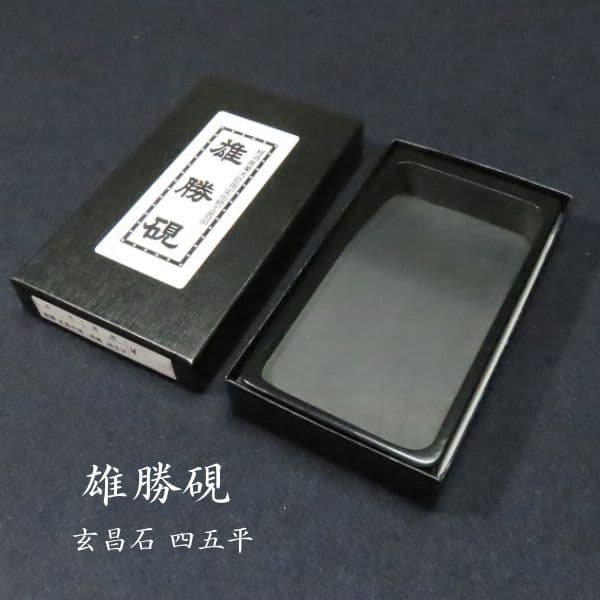
書道硯 玄昌石 雄勝硯 角型 四五平|書道 書道用品 すずり 天然石 高級 伝統的工芸品指定商品
approx. 130 x 75 x 20 mm書道用品 奈良 寿香堂
5.0 / 1 reviews
Japanese name雄勝硯
In the former Ogatsu town area of Ishinomaki, Miyagi, black hard slate called Ogatsu stone or gencho-seki is quarried, rubbed, carved, polished, and finished into inkstones and small desk objects.
Information last updated 120 days ago
3 images書道硯 玄昌石 雄勝硯 角型 四五平|書道 書道用品 すずり 天然石 高級 伝統的工芸品指定商品
approx. 130 x 75 x 20 mm書道用品 奈良 寿香堂
5.0 / 1 reviews
 3 images
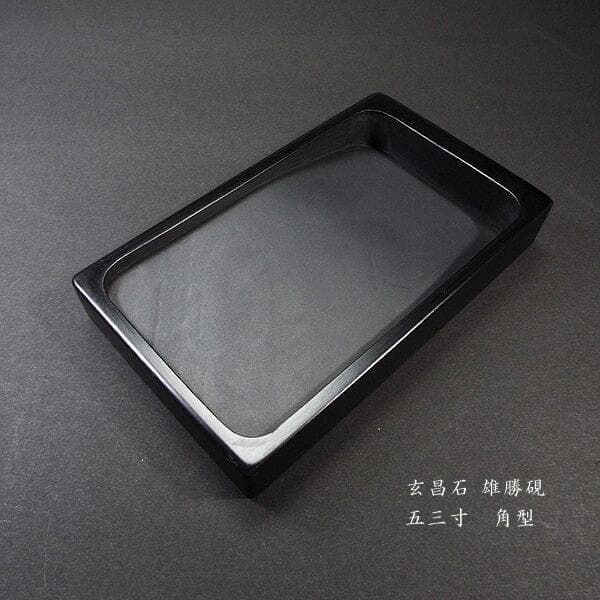
書道硯 玄昌石 雄勝硯 角型 五三寸|書道 書道用品 すずり 天然石 高級 伝統的工芸品指定商品
5.3-sun size, approx. 150 x 90 x 20 mm書道用品 奈良 寿香堂
4.7 / 3 reviews
First time buying on Rakuten? How residents in Japan order →
Ogatsu inkstone begins with a place name: the former Ogatsu town area of Ishinomaki, Miyagi. Its material is Ogatsu stone, also called gencho-seki, a black hard slate with uniform particles and a quiet luster that suits inkstone use. From quarrying through sand rubbing, carving, polishing, and finishing, the stone becomes carved relief inkstones, rectangular inkstones, natural-stone inkstones, paperweights, and coasters.
Ogatsu inkstones are tied to Ishinomaki City's Ogatsu district. The raw stone is not a generic material brought in from elsewhere; it is quarried by open-cut extraction from mountains in the Ogatsu district. The area is also described as one of Japan's representative inkstone production places, so the name carries a concrete geography: Ishinomaki, Ogatsu, mountain slate, and the writing desk.
Ogatsu stone, or gencho-seki, is black hard slate. Its uniform particles and luster are the traits that make it suited to inkstone material. Tohoku History Museum places the same slate in a wider material life: slate from Ishinomaki's Ogatsu area has long been used as inkstone stone and is now also used as slate roof material.
The listed work moves in a clear sequence: stone extraction, sand rubbing, carving, polishing, and finishing. Each step changes the mountain stone into an object that can sit on a desk. Sand rubbing prepares the surface, carving gives the object its form and lines, and polishing and finishing bring the inkstone surface and edges to completion.
A local account places inkstone-stone production in Ishinomaki's Ogatsu district around 1396, in the Muromachi period. Ogatsu inkstones are also said to have been appreciated since the Oei era, with about 600 years of continuity. The long span stays concrete when it is kept close to the material and work: Ogatsu stone, quarrying, sand rubbing, carving, polishing, and finishing.
The Ogatsu inkstone family is not limited to one silhouette. Named objects include carved relief inkstones, rectangular inkstones, natural-stone inkstones, paperweights, and coasters. On the scale of a desk, the same stone can hold an ink surface, weigh down paper, or serve as a small coaster, while still carrying the black slate of Ogatsu.
In a 2018-2019 Tohoku History Museum program on intangible cultural properties, the Ogatsu inkstone segment ran from August through October 2018. The segment presented stone-processing techniques that had continued after the tsunami. The careful point is the technique itself: the handling of Ogatsu slate, kept within the work of stone processing rather than enlarged into a broader disaster narrative.
Ogatsu inkstone draws its weight from touchable facts: the mountains of Ishinomaki's Ogatsu district, black hard slate, open-cut quarrying, and the sequence from sand rubbing to finishing. By the time the stone reaches a desk, it may be an inkstone, a paperweight, or a coaster; in each form, the luster and particles of Ogatsu slate keep the place visible on the object's surface.
Compiled from public records and official sources; see the recognition links below. Details may change over time.
Where this product is officially registered, designated, or recognized in Japan.
It is written as 雄勝硯 in Japanese. Search Rakuten and other Japanese sites with that spelling — the English name will not bring up the listings.
Ogatsu inkstones are tied to the former Ogatsu town area of Ishinomaki, Miyagi. They use Ogatsu stone, or gencho-seki, a black hard slate with uniform particles and luster, quarried from mountains in the Ogatsu district. The work moves through stone extraction, sand rubbing, carving, polishing, and finishing. Named objects include carved relief, rectangular, and natural-stone inkstones, along with paperweights and coasters. A local account places inkstone-stone production there around 1396, with about 600 years of continuity.
Ogatsu stone, also called gencho-seki, is black hard slate with uniform particles and luster suited to inkstone material. Raw stone for Ogatsu inkstones is quarried by open-cut extraction from mountains in the Ogatsu district. The main production sequence is stone extraction, sand rubbing, carving, polishing, and finishing. Slate from Ishinomaki's Ogatsu area has long been used as inkstone stone and is now also used as slate roof material.
Ogatsu inkstones are used in calligraphy for preparing ink. Alongside inkstones, paperweights and coasters are common desk items in this craft family. The sequence from quarrying to finishing shows how the local slate becomes writing tools and other objects.
Keep wood, bamboo, and lacquer out of prolonged soaking, dishwashers, and direct sun — wipe dry after use and let them air out in the shade. For metal and fabric goods, follow the care notes on the listing.
Most options are shelf-stable, boxed, and travel well, so they suit gifting or bringing home. Confirm the final storage and delivery terms on the Rakuten listing.
On Rakuten: the shops listed here right now are 書道用品 奈良 寿香堂. We don't sell directly; purchase, payment, stock, and delivery are all handled on the Rakuten product page.