 3 images
Miyagi Local Goods Guide
宮城県
Miyagi is indexed here as a practical buying guide for travelers and foreign residents in Japan. Start with packable gifts, then compare table goods, quiet luxuries, and crafted objects when you need a stronger sense of place.
9Local selections
What Miyagi is known for
The 8 products below are what Miyagi is known for, ordered by how strongly each is rooted in the prefecture — what it is, and why it comes from here.
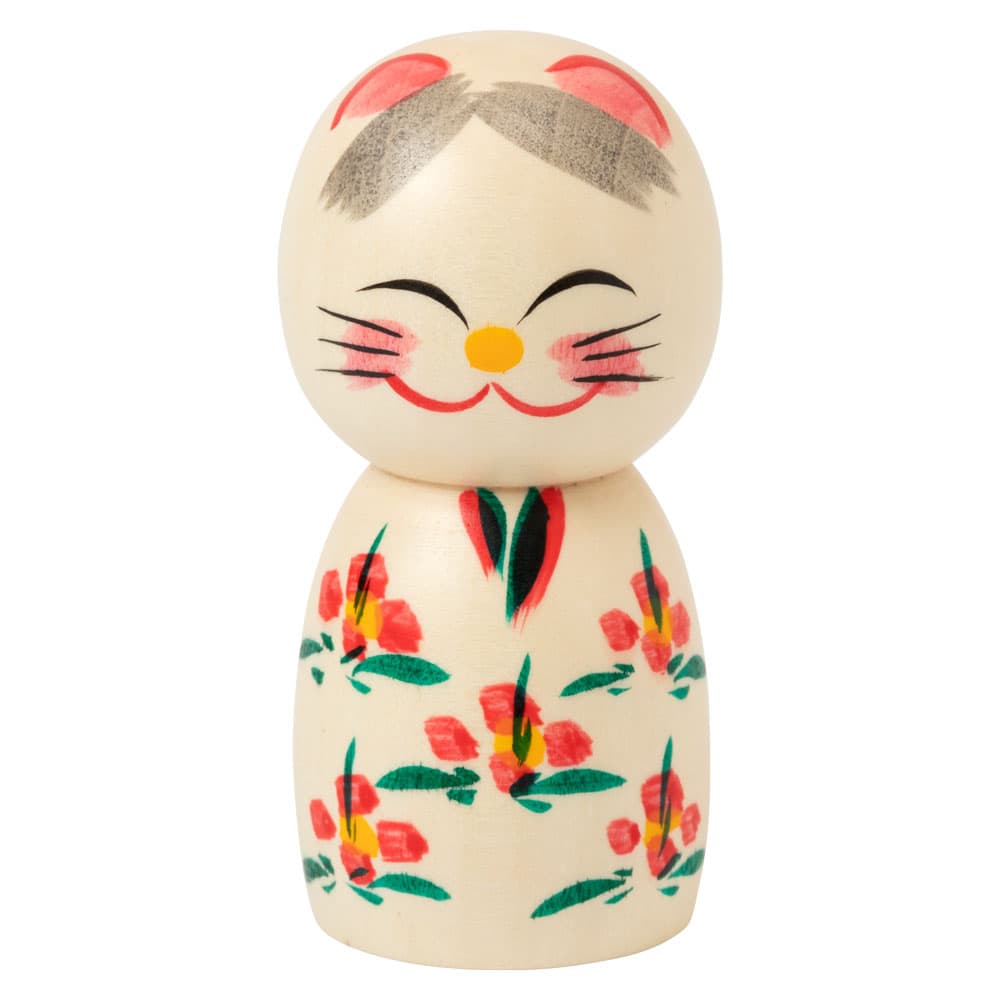
Miyagi traditional kokeshiCraft objects
Naruko, Togatta, Yajiro, Sakunami, and Hijiori give Miyagi's wooden dolls a map of places, while mizuki, maple, turning, painting, and assembly give the small forms their hands-on character.
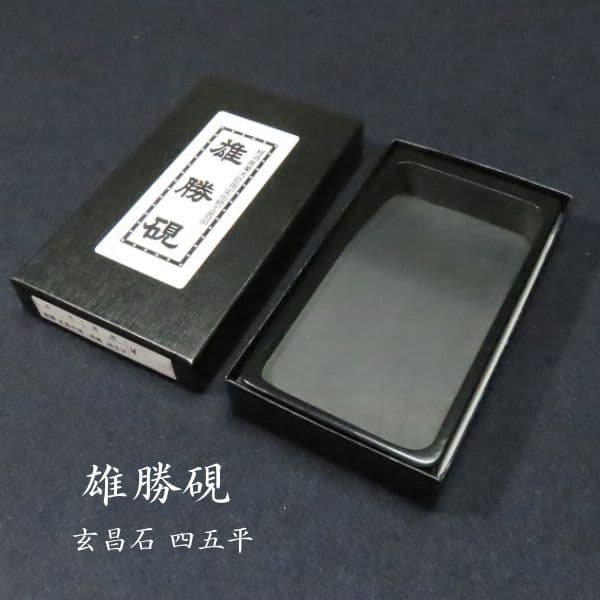
Ogatsu inkstonesHome & living
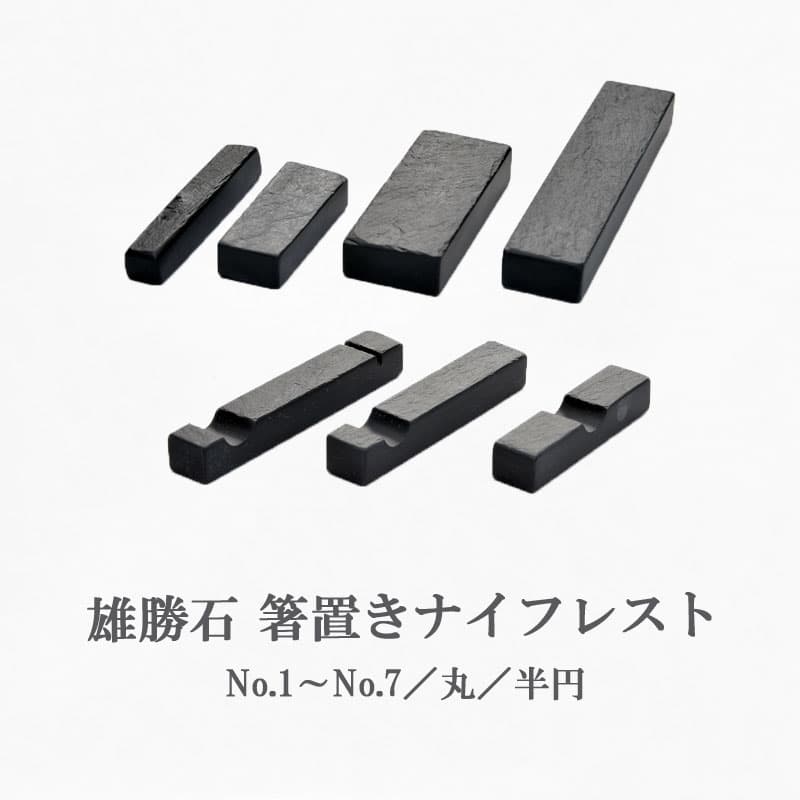
In the former Ogatsu town area of Ishinomaki, Miyagi, black hard slate called Ogatsu stone or gencho-seki is quarried, rubbed, carved, polished, and finished into inkstones and small desk objects.
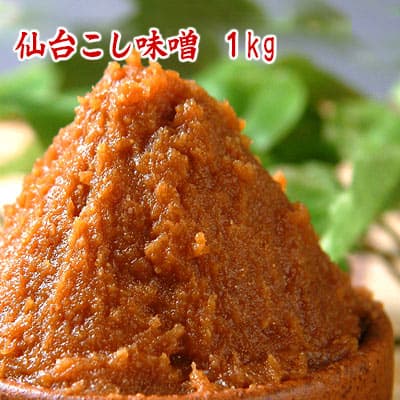
Sendai misoRegional foods
Sendai miso begins with soybeans, rice koji, and salt, then gathers depth through a soy-forward profile, long aging, castle-town memory, and everyday dishes across Miyagi.
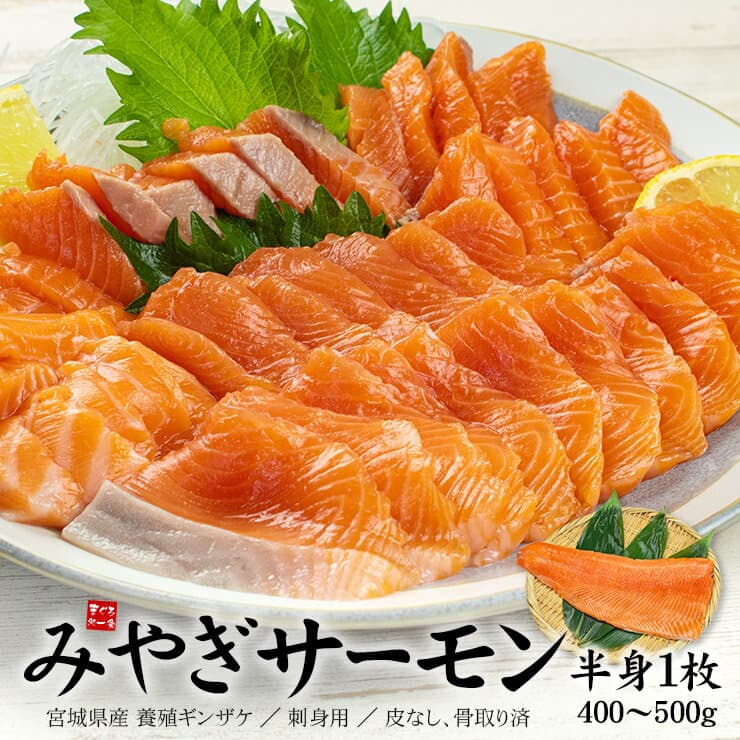
Miyagi salmonRegional foods
Miyagi Salmon comes from Ishinomaki, Onagawa, Minamisanriku, and Kesennuma, where cold bays, ikejime, bleeding, and low-temperature seawater tanks shape glossy, firm coho salmon for sashimi and cooking.
Sendai chestsHome & living
From Sendai and Shiogama to nearby Miyagi towns, Sendai tansu joins a four-shaku chest form, zelkova wood, kijiro lacquer, and hand-forged iron fittings in weighty household storage.
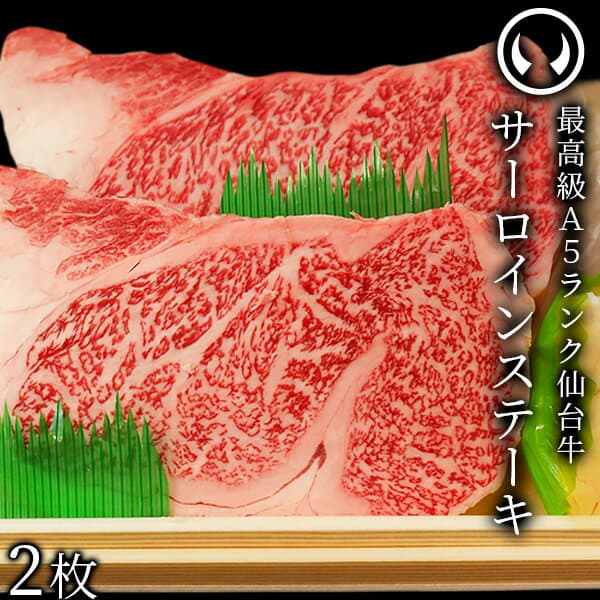
Sendai beefRegional foods
In Tome, Osaki, Kurihara, and other Miyagi cattle areas, Japanese Black cattle meet a narrow boundary of place, individual care, and A5 or B5 grading.
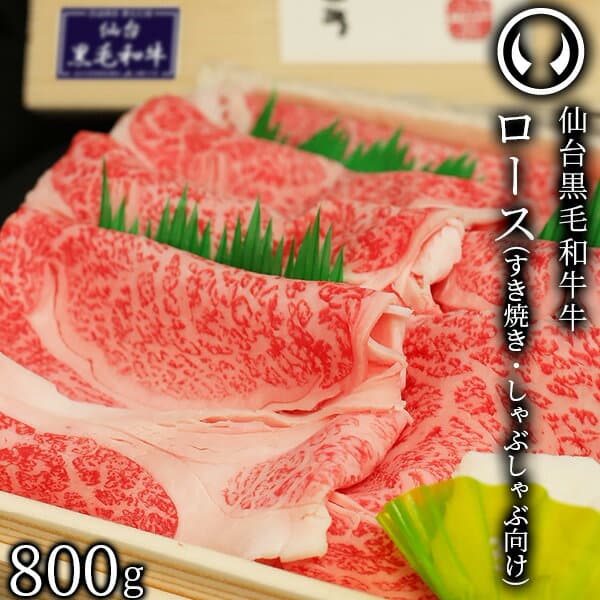
Sendai black wagyuRegional foods
In Tome, Osaki, Kurihara, and other Miyagi cattle areas, Kuroge Washu move through local fattening, rice-straw feed, and carcass grading before the companion name appears.
Sendai strawberriesRegional foods
Across Miyagi, Sendai Ichigo grows in areas such as Watari, Yamamoto, Ishinomaki, and Higashimatsushima, appearing around November and reaching its spring peak through a landscape shaped by Yoshida district, clustered greenhouses after 2011, and three main varieties.
Regional Gifts
Packable foods and gifts with clear regional character.

Daily Rituals
Home goods and textiles that turn everyday use into a local ritual.

Crafted Forms
Ceramics, lacquer, glass, woodwork, metalwork, folk craft, and their forms.
Miyagi's specialties by category
How the same thing is made elsewhere, and what differs: the category overviews start here.
Start with type, not region: white miso is sweet and short-aged, red miso is salty and long-aged, bean miso is soybeans and salt only.
Kind before region: fresh fish is about handling, crab and oysters about season, nori and dried goods about processing.
Breed first, brand second: Japanese Black is marbled, akaushi is lean, a brand name is a set of conditions, not a breed.
Everyday Japanese tools, each tied to a named craft region and still made for use.
FAQ
What is Miyagi known for?
Miyagi (Tohoku) is represented here by specialties such as Miyagi traditional kokeshi, Ogatsu inkstones, Sendai miso — each verified against official registries and matched to Rakuten listings.
Are Miyagi souvenirs good to bring home?
Many Miyagi picks — Miyagi traditional kokeshi, Ogatsu inkstones, Sendai miso among them — are shelf-stable foods and crafts that travel well; for temperature- or fragility-sensitive items, confirm delivery and packaging on the Rakuten listing.
Are these products sold directly by this site?
No. This site curates Rakuten listings and may earn affiliate revenue from links to Rakuten.
How are products selected?
Listings are filtered for local relevance, product images, availability, and review strength.