 3 images
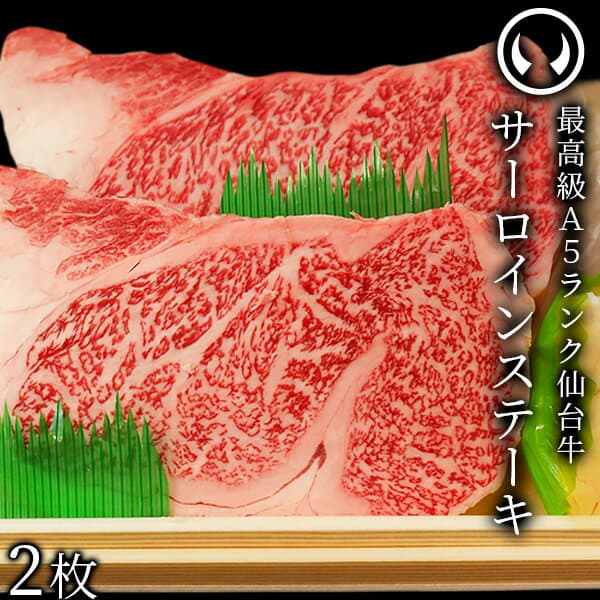
Sendai Beef A5 Sirloin Steak
仙台牛 最高級 A5ランク サーロインステーキ 200〜220g×2枚 焼き方レシピ付 [ ブランド牛 牛肉 焼肉 母の日 父の日 ギフト 贈答 お祝い 御祝 内祝い お取り寄せ 仙台 名物 グルメ プレゼント ][冷凍配送]
200-220g x 2 steaks肉のいとう 楽天市場店
4.7 / 264 reviews
Japanese name仙台牛
In Tome, Osaki, Kurihara, and other Miyagi cattle areas, Japanese Black cattle meet a narrow boundary of place, individual care, and A5 or B5 grading.
Information last updated yesterday
3 images仙台牛 最高級 A5ランク サーロインステーキ 200〜220g×2枚 焼き方レシピ付 [ ブランド牛 牛肉 焼肉 母の日 父の日 ギフト 贈答 お祝い 御祝 内祝い お取り寄せ 仙台 名物 グルメ プレゼント ][冷凍配送]
200-220g x 2 steaks肉のいとう 楽天市場店
4.7 / 264 reviews
 3 images
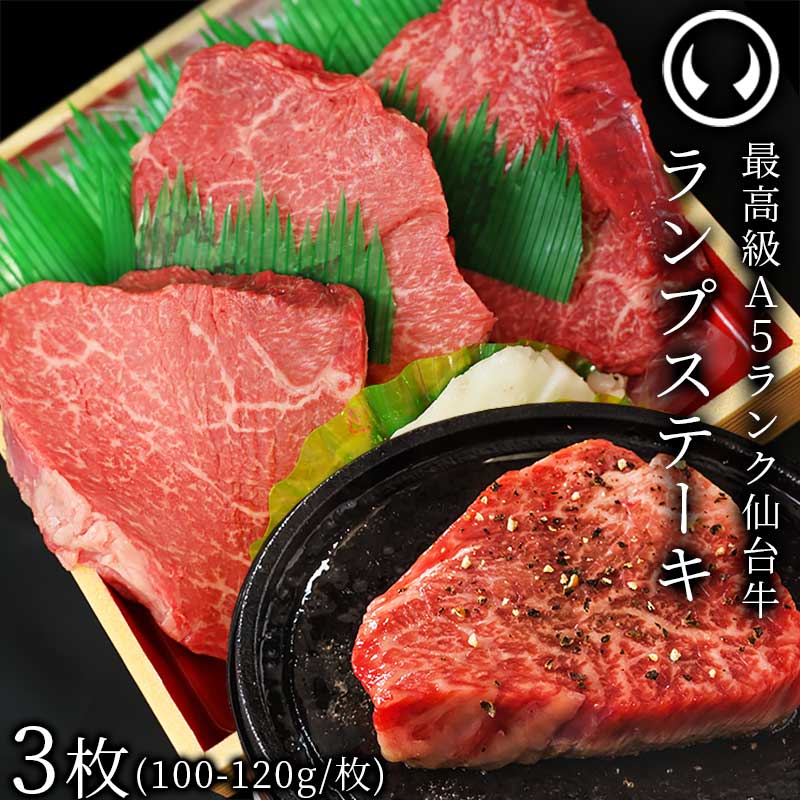
仙台牛 最高級 A5ランク ランプステーキ 3枚(100〜120g/枚) [ ブランド牛 牛肉 母の日 父の日 ギフト 贈答 お祝い 御祝 内祝い お返し お取り寄せ 仙台 名物 宮城 東北 ご当地 グルメ ][冷凍配送]
3 steaks, 100-120g each肉のいとう 楽天市場店
4.6 / 150 reviews
 3 images
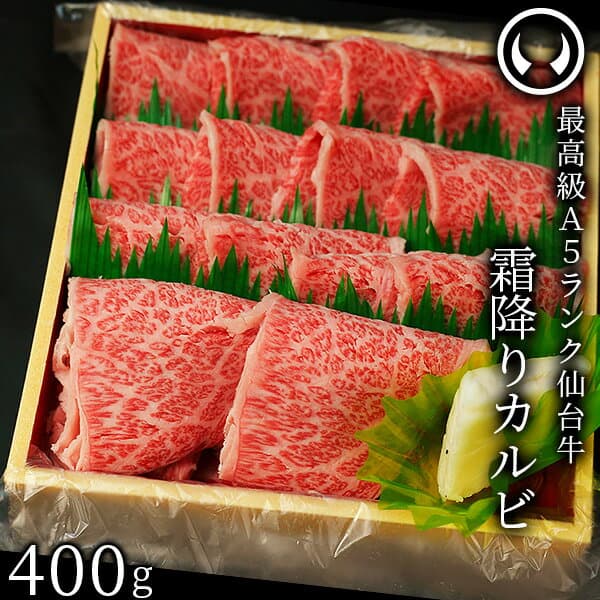
仙台牛 最高級 A5ランク 霜降りカルビ 400g [ 大判カット ブランド牛 牛肉 焼肉 母の日 父の日 ギフト 贈答 お祝い 御祝 内祝い お返し お取り寄せ 仙台 名物 宮城 東北 ご当地 グルメ ][冷凍配送]
400g large-cut肉のいとう 楽天市場店
4.8 / 68 reviews
 3 images
【仙台牛タンギフト】杜の都太助牛たん塩&味噌 詰合せ 各5枚(塩・味噌 各180g) | あす楽 厚切り 送料無料 牛肉 詰め合わせ 贈り物 贈答用 セット お土産 お取り寄せ 誕生日プレゼント 冷凍 宮城 焼肉 食べ比べ
Salt & miso, 5 slices each, 180g each牛たん焼き専門店 杜の都 太助
4.7 / 25 reviews
First time buying on Rakuten? How residents in Japan order →
All 4 listings of this product on Rakuten, lowest price first.
| Listing | Price | Shop | Reviews | Open listing |
|---|---|---|---|---|
Sendai Beef A5 Rump Steak 3 steaks, 100-120g eachLowest priceGift-ready | ¥6,100 | 肉のいとう 楽天市場店 | 4.6 / 150 reviews | View on Rakuten → |
Mori no Miyako Tasuke Sendai Beef Tongue Salt & Miso Assortment Salt & miso, 5 slices each, 180g eachGift-readySmall size to try | ¥6,250 | 牛たん焼き専門店 杜の都 太助 | 4.7 / 25 reviews | View on Rakuten → |
Sendai Beef A5 Marbled Kalbi 400g large-cutGift-ready | ¥9,400 | 肉のいとう 楽天市場店 | 4.8 / 68 reviews | View on Rakuten → |
Sendai Beef A5 Sirloin Steak 200-220g x 2 steaksMost reviewedGift-ready | ¥9,900 | 肉のいとう 楽天市場店 | 4.7 / 264 reviews | View on Rakuten → |
Japanese · new tab
Sendai Beef begins in Miyagi’s rice-growing countryside and cattle farms. Tome, Osaki, and Kurihara stand among the main production areas; high-quality rice straw and clean water are part of the raising environment; Japanese Black cattle are cared for in the prefecture for roughly two and a half years. The name comes into focus when that place and breed meet the A5 or B5 boundary tied to Sendai Beef.
Sendai Beef centers on Japanese Black cattle fattened in Miyagi Prefecture. The producers who carry the Sendai Beef name manage animals one by one, and the cattle pass through recognized markets or exhibitions before carcass evaluation. A5 or B5 grading, along with Miyagi’s meat-quality grade 5 boundary, narrows the name through breed, place, producer care, and meat quality.
Tome, Osaki, and Kurihara place Sendai Beef inside a specific Miyagi map. The prefecture also has many smaller beef-cattle farms, with average cattle numbers per farm below the national average. That farm scale gives concrete meaning to animal-by-animal management, anchored in named production areas and cattle kept under individual attention.
Miyagi’s rice fields matter to Sendai Beef because high-quality rice straw is part of the raising environment. Clean water appears alongside that straw, and cattle are raised for roughly two and a half years. The sensory language around the beef, including fine texture, softness, rich juices, and balance between marbling and lean meat, sits within that agricultural setting of straw, water, time, and cattle care.
Miyagi’s cattle-improvement timeline reaches back to 1931 work at the prefectural livestock experiment station, while the modern base of Sendai Beef is tied to 1974, when the breeding bull Shigeshigenami arrived from Hyogo. Shigeshigenami produced more than 40,000 calves and contributed to quality improvement in Miyagi wagyu. Later successor cattle continued that line, giving the name a concrete timeline with a year, a bull, and a calf count.
Sendai Beef is described through soft texture, mild flavor, rich juices, and a balance of fat and lean meat. Miyagi connects sirloin and fillet with rare steak and wasabi because those cuts carry enough fat. Round cuts, with moderate firmness, are connected with sukiyaki, where the fat released into the sauce works with vegetables. The serving examples translate marbling into a plate, a pot, a cut, and a texture.
The community around the Sendai Beef name is made of producers, inspection flow, shipment conditions, markets, exhibitions, and grading. Miyagi sends about 20,000 beef cattle a year for meat, and about 40 percent are sent out under the Sendai Beef name. In Kurihara, the local association’s activities keep that production area visible through regional campaigns around Kurihara-raised Sendai Beef.
At the table, Sendai Beef points back to Japanese Black cattle raised in Miyagi, named areas such as Tome, Osaki, and Kurihara, high-quality rice straw, clean water, roughly two and a half years of care, and the A5 or B5 boundary. Its marbling, soft texture, mild flavor, and rich juices are tied to those concrete places, materials, numbers, and producer practices.
Compiled from public records and official sources; see the recognition links below. Details may change over time.
Where this product is officially registered, designated, or recognized in Japan.
Regional collective trademark
Registered as a Regional Collective Trademark with the Japan Patent Office.
Sources1
It is written as 仙台牛 in Japanese. Search Rakuten and other Japanese sites with that spelling — the English name will not bring up the listings.
Sendai Beef comes from Japanese Black cattle fattened in Miyagi Prefecture, managed animal by animal by registered producers, and confirmed through approved markets or exhibitions with A5 or B5 evaluation; Miyagi also frames the boundary as meat-quality grade 5. Named production areas include Tome, Osaki, and Kurihara. High-quality rice straw, clean water, and about two and a half years of care support marbling, softness, mild flavor, and rich juices, with roots tracing to the 1974 introduction of the bull Shigeshigenami.
The Sendai Beef boundary includes approved markets or exhibitions and A5 or B5 carcass evaluation, and Miyagi Prefecture also describes meat-quality grade 5. Miyagi has many smaller beef-cattle farms, with average cattle numbers per farm below the national average. The modern base of Sendai Beef is tied to the 1974 introduction of the breeding bull Shigeshigenami from Hyogo, which produced more than 40,000 calves.
Miyagi Prefecture recommends sirloin and fillet as rare-grilled steak served with wasabi (山葵), since those cuts carry enough fat. The prefectural page recommends the moderately firm round cut for sukiyaki, noting that the fat released into the sauce works well with vegetables.
Storage varies by product — shelf-stable, refrigerated, or frozen — and is stated on the packaging and the Rakuten listing. Shelf-stable processed foods usually need refrigerating once opened and eating within a few days; chilled and frozen items go straight into storage on arrival. Treat the best-before date on the physical packaging as authoritative.
Most options are shelf-stable, boxed, and travel well, so they suit gifting or bringing home. Confirm the final storage and delivery terms on the Rakuten listing.
On Rakuten: the shops listed here right now are 肉のいとう 楽天市場店, 牛たん焼き専門店 杜の都 太助. We don't sell directly; purchase, payment, stock, and delivery are all handled on the Rakuten product page.