 2 images
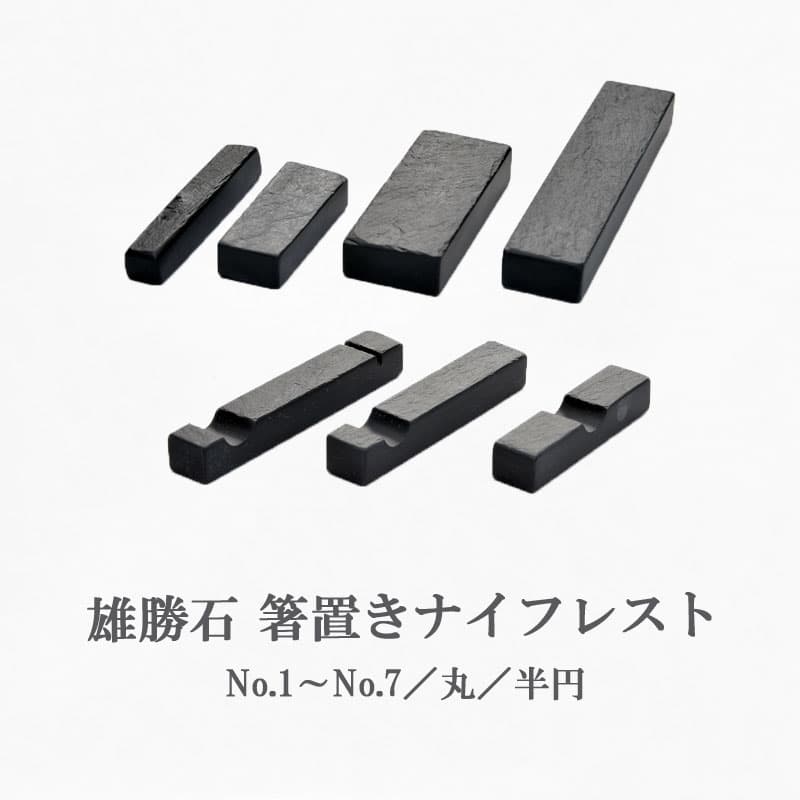
Ogatsu Stone Natural Black Stone Chopstick and Knife Rest
【雄勝石】 箸置き ナイフレスト 天然石 黒 おしゃれ シック 雄勝硯 雄勝石 玄昌石 硯石 雄勝石皿
雄勝硯生産販売協同組合楽天市場店
5.0 / 3 reviews
Japanese name雄勝石
From Ogatsu-cho in Ishinomaki, Miyagi, this pure-black hard slate carries a material path through inkstones, roof slate, stone plates, and small craft goods.
Information last updated 119 days ago
2 images【雄勝石】 箸置き ナイフレスト 天然石 黒 おしゃれ シック 雄勝硯 雄勝石 玄昌石 硯石 雄勝石皿
雄勝硯生産販売協同組合楽天市場店
5.0 / 3 reviews
 3 images
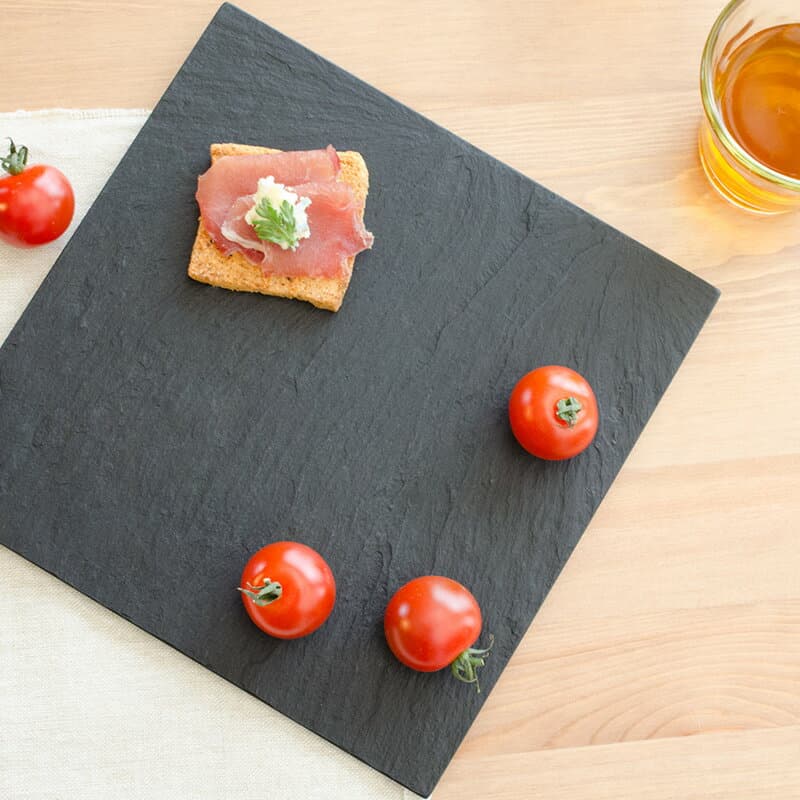
雄勝石 黒い玄昌石皿・角皿21cm お祝い ギフト 復興 石巻
21cm square plateStarry shop-R
5.0 / 1 reviews
 3 images
黒い玄昌石皿・コースター9cm雄勝石
9 cmStarry shop-R
5.0 / 1 reviews
First time buying on Rakuten? How residents in Japan order →
In Ogatsu-cho, Ishinomaki City, Miyagi, Ogatsu stone begins as black hard slate. It is pure black, strong under compression and bending, low in water absorption, and resistant to long-term change. Those traits explain why the same material could sit under a brush as an inkstone, lie on a roof as natural slate, and split thinly into stone plates or coasters. Its continuity is practical: selected stone, cutting, river sand and water, chisel work, polishing, and a final surface made with lacquer, heat, or ink-blackening.
Ogatsu stone names black slate produced in Ogatsu-cho, Ishinomaki City, and stone material made from that slate. The boundary is concrete: a place in Miyagi, a black hard slate, and objects cut from it. Ogatsu inkstones use Ogatsu stone as the required material, so the craft of the inkstone and the quarrying of the slate meet in the same district. The Ogatsu Suzuri Production and Sales Cooperative is based around the Ogatsu Suzuri Traditional Industry Hall area, tying the material to workshops, quarry work, and the people in Ogatsu-cho who cut, carve, and finish the stone.
Ogatsu stone belongs to Paleozoic Permian black hard slate. Its surface is pure black, its grains are described as even, and the stone is strong under compression and bending. It absorbs little water and resists chemical action and long-term change. A stable inkstone surface, a roof slate exposed to rain, and a thin stone plate all depend on those material traits. The stone also carries natural surface patterns; after smoothing, carving, lacquer gloss, firing, or ink-blackening, the black surface can hold depth and sheen without leaving the material world of slate.
The making of an Ogatsu inkstone starts with quarrying. After stone is taken from an open quarry, selected pieces without stone flaws, cracks, or split lines are cut according to the intended size, thickness, and shape of the inkstone. The cut stone is placed on a rotating disk grinder while river sand and water pass across the surface, wearing down irregularities until the stone becomes smooth. Chisel work follows in three stages: edge-setting, rough carving, and finish carving, using tools such as hori-nomi, komaru-nomi, and kuri-nomi. Polishing is also staged with whetstones and waterproof paper, and the final surface may be brought out with lacquer gloss, firing, or ink-blackening.
The use of Ogatsu stone for inkstones reaches back about six centuries to the Muromachi-period timeframe. Local oral accounts say that during the Genna years, when Date Masamune traveled to the Tashima and Oshika Peninsula area for deer hunting, two Ogatsu inkstones were presented to him; the second lord Tadamune is also said to have valued the skill of inkstone makers, with mountains yielding inkstone material called otome-yama and restricted from ordinary quarrying. These accounts place the black slate in a concrete writing setting: stone cut from Ogatsu, shaped into an inkstone, and set beside ink, water, and brush.
Ogatsu stone also moved beyond the inkstone bench. In the Meiji and Taisho periods, Ogatsu slate was used as roofing material on Japanese- and Western-style buildings, with Tokyo Station named among the examples. Thin, hard, low-absorption slate made sense on a roof where rain and time test a surface. Meiji-era education also increased demand for writing tools: Ogatsu stone was made into inkstones and slate writing boards for schoolchildren, carrying the same black material from brush practice into classrooms and buildings.
Recent Ogatsu stone work uses the raw material's ability to split thinly, shaping it into stone plates and other objects beyond inkstones. The black surface gives cups, table objects, and small daily items a clear outline, while the use still depends on strength, low water absorption, and the way slate separates into thin layers. From the late Showa period onward, Ogatsu stone was also made into dishes, coasters, clocks, and varied craft goods. The move from inkstone to stone plate keeps the same black slate from Ogatsu-cho while placing it on a dining table, in a room, or beside a clock face.
After the 2011 Great East Japan Earthquake and tsunami, Ogatsu-cho suffered severe damage to the Ogatsu stone industry, fisheries, and tourism; its resident population fell from about 4,200 before the disaster to about 1,000. The problem for Ogatsu stone therefore sat in quarries, workshops, employment, and dispersed residents as much as in the material itself. From April 2012, the Ogatsu Ishinowa Project worked with the inkstone cooperative and local administration around natural slate and Ogatsu inkstones, focusing on places to gather, object-making, and people development. A separate long-term challenge remains succession, because quarrying and inkstone making lack enough successors.
Ogatsu stone endures through black slate from Ogatsu-cho and repeated handwork. It can hold ink on an inkstone, shed rain as roof slate, and split thinly into stone plates, coasters, and clocks. When succession, rebuilding, and object-making return to the workbench, the continuity of this black stone is found in selecting, cutting, river-sand smoothing, chisel carving, and polishing.
Compiled from public records and official sources; see the recognition links below. Details may change over time.
Where this product is officially registered, designated, or recognized in Japan.
Regional collective trademark
Registered as a Regional Collective Trademark with the Japan Patent Office.
Sources1
It is written as 雄勝石 in Japanese. Search Rakuten and other Japanese sites with that spelling — the English name will not bring up the listings.
Ogatsu stone is pure-black hard slate from Ogatsu-cho, Ishinomaki City, Miyagi. It is strong under compression and bending, absorbs little water, and resists long-term change. For about six centuries it has been used for Ogatsu inkstones; in the Meiji and Taisho periods it was also used as roof slate, including at Tokyo Station. Today it is also made into stone plates, tableware, coasters, clocks, and craft goods.
Ogatsu stone is Paleozoic Permian black hard slate. The name also refers to stone material made from that slate. Ogatsu stone has been used as inkstone material since around the Muromachi period. The Ogatsu inkstone workflow includes quarrying, cutting, smoothing with river sand and water, staged chisel carving, polishing, and finishing with lacquer, firing, or ink-blackening.
It is used for Ogatsu suzuri, including inkstones for general calligraphy, kana, ink painting, and seal carving. It is used as roof and wall slate, and was adopted for many Japanese and Western-style buildings in the Meiji and Taisho periods. It is made into stone plates, tableware, coasters, clocks, and other craft products, and Ogatsu slate writing boards were supplied to schoolchildren.
Keep craft pieces out of direct sunlight, damp, and sharp temperature swings, and store them where they won't knock against anything. Wood, bamboo, lacquer, and paper don't tolerate water — wipe any moisture off immediately. Specific care notes are on the listing.
Most options are shelf-stable, boxed, and travel well, so they suit gifting or bringing home. Confirm the final storage and delivery terms on the Rakuten listing.
On Rakuten: the shops listed here right now are 雄勝硯生産販売協同組合楽天市場店, Starry shop-R. We don't sell directly; purchase, payment, stock, and delivery are all handled on the Rakuten product page.