 3 images
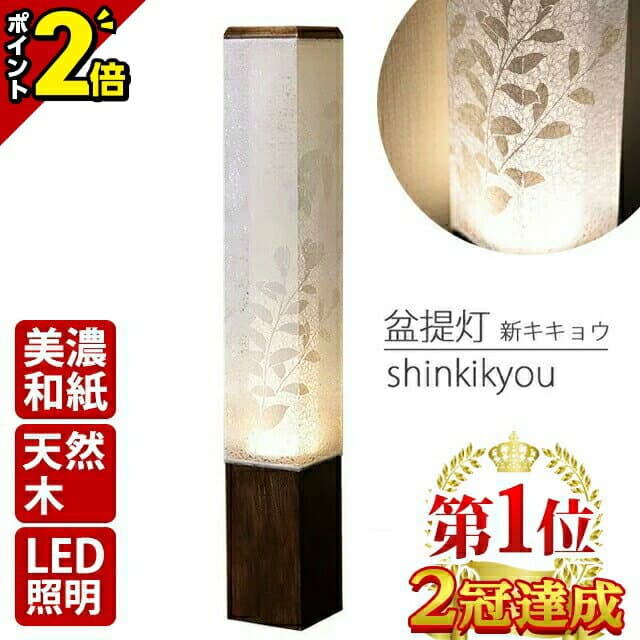
Mino Washi New Kikyo Modern Bon Lantern
【P3倍★本日最終日】【楽天1位】お盆 新盆 提灯 初盆 盆提灯 日本製 盆ちょうちん【モダンな提灯 新キキョウ 半対(1本)】単品 高さ55cm 電気コード式 美濃和紙 おしゃれ かわいい 岐阜県産 LED照明 国産 天然木使用 最強配送
single lantern, 55 cm仏壇・位牌の激安仏壇店
4.7 / 3 reviews
Japanese name美濃和紙
In Gifu’s Mino City, kozo, mitsumata, and gampi are formed into thin, even sheets for shoji light, restoration work, stationery, illuminated objects, and hands-on learning beside the river.
Information last updated 7 days ago
3 images【P3倍★本日最終日】【楽天1位】お盆 新盆 提灯 初盆 盆提灯 日本製 盆ちょうちん【モダンな提灯 新キキョウ 半対(1本)】単品 高さ55cm 電気コード式 美濃和紙 おしゃれ かわいい 岐阜県産 LED照明 国産 天然木使用 最強配送
single lantern, 55 cm仏壇・位牌の激安仏壇店
4.7 / 3 reviews
 3 images
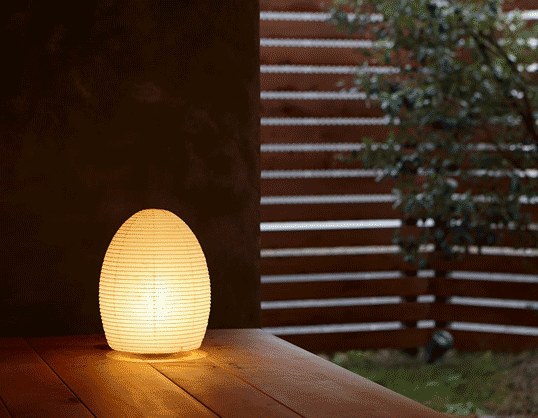
浅野商店 ペーパームーン PAPERMOON PM01 照明 愛らしいフォルム 日本の伝統美 岐阜提灯 岐阜県美濃地方 上質な美濃和紙 竹 熟練した職人の手仕事 シンプル ナチュラル 和紙を通した優しい光 ユーモラス フロアランプ テーブルランプ リビング 玄関 送料無料 インテリア
PM01 egg-shapedBRICBLOC-PLOT
 3 images
1039円OFF 【送料無料】 美濃和紙 友禅和紙 大判 64×95cm 7枚セット 金 黒 赤 ピンク 青 黄 緑 手染め美濃和紙 石川紙業 業務用 和紙 和柄 和風 大きい 千代紙 折り紙 ちぎり絵 包装紙 手芸 材料 工作 生地 用紙 人形 教室 文化 教育 工作 ハンドメイド 大きい
64 x 95 cm, set of 7 sheets和紙雑貨と手芸キット 石川紙業
4.6 / 27 reviews
 3 images
和紙 美濃和紙 落水紙 青海波大/うず巻き小/花麻/七宝/菊唐草 手漉き
Approx. 600 x 900 mm, assorted patterns紙・文具の専門店 ミフジ
4.9 / 90 reviews
First time buying on Rakuten? How residents in Japan order →
All 4 listings of this product on Rakuten, lowest price first.
| Listing | Price | Shop | Reviews | Open listing |
|---|---|---|---|---|
Handmade Mino Washi Rakusui Paper Approx. 600 x 900 mm, assorted patternsLowest priceMost reviewed | ¥529 | 紙・文具の専門店 ミフジ | 4.9 / 90 reviews | View on Rakuten → |
Ishikawa Shigyo Mino Washi Hand-Dyed Yuzen Paper Assortment 64 x 95 cm, set of 7 sheetsValue pick | ¥8,509 | 和紙雑貨と手芸キット 石川紙業 | 4.6 / 27 reviews | View on Rakuten → |
Asano Shoten PAPERMOON PM01 Mino Washi Lamp PM01 egg-shaped | ¥12,650 | BRICBLOC-PLOT | View on Rakuten → | |
Mino Washi New Kikyo Modern Bon Lantern single lantern, 55 cm | ¥19,800 | 仏壇・位牌の激安仏壇店 | 4.7 / 3 reviews | View on Rakuten → |
Japanese · new tab
Around Mino City in Gifu, where the Nagara and Itadori rivers frame the local landscape, papermaking is described as continuing for more than 1,300 years. Mino washi begins with concrete places: the old Makiya production area, the Warabi site of Mino Washi Paper Museum, and workshops where plant fibers are formed sheet by sheet. A Mino family-register sheet from 702 preserved at Shosoin gives that long span a material point of contact: one piece of paper, one named region, and an enduring craft setting.
Mino City sits in central Gifu, surrounded by the Nagara River and mountain country, with the Itadori River also running through the washi landscape. The Makiya area is named as a long-standing place for Mino washi, while Warabi 1851-3 is home to Mino Washi Paper Museum; the rivers, workshops, and learning site sit close enough to read as one production area shaped by water, hills, and hand work.
The name Mino washi covers Hon-minoshi, Mino handmade washi, and Mino machine-made washi. Hon-minoshi is described through whiteness, softness, strength, and fibers that interlace neatly when held to light; the handmade strand that meets boundaries for production area, makers, material, and method received a national traditional-craft designation in 1985, tying the name to concrete place, people, fibers, and forming methods.
Mino handmade washi uses kozo, mitsumata, and gampi according to purpose. Once those plant fibers enter the vat, the desired sheet is thin, even, warm to the eye, and strong; that balance matters because the same paper family has to serve shoji light, writing surfaces, restoration work, stationery, accessories, and small designed objects.
In the kozo process, fiber is soaked in clear water, boiled, loosened, and then mixed in the vat with mucilage from tororo-aoi root. The maker moves the suketa through the water so the fibers settle into a sheet before drying; in one artisan account, a batch from raw preparation through drying is described as taking about three weeks.
Mino washi was valued as fine shoji paper, and Hon-minoshi was linked to the Mino-ban shoji standard in the Edo period. Its present uses include restoration of old documents, paintings, and hanging scrolls, along with stationery, accessories, memo pads, letter paper, clothing, and illuminated works; thin strength lets the sheet move between interior light, conservation benches, and everyday objects.
Mino Washi Paper Museum in Warabi, Mino City, presents washi history, raw materials, papermaking techniques, and contemporary applications. Visitors can watch papermaking demonstrations and try making a sheet with their own pattern, bringing kozo, tools, vat water, and hand movement into one tactile room.
The Mino Handmade Washi Cooperative counted 17 members on April 1, 2022, and its work includes production-area promotion, successor training, and demand development. Artisan Kurata Makoto offers one named path into the craft: at 19 he joined a one-month basic course at Mino Washi Paper Museum, continued with handmade washi, and completed his own workshop in March 2019.
Seen between the Nagara and Itadori rivers, Mino washi is a set of grounded relationships: Makiya and Warabi, kozo and tororo-aoi, the suketa and drying board, shoji and restoration work, museum rooms and working studios. The thin, strong sheet is made again through those places, materials, tools, and hands.
Compiled from public records and official sources; see the recognition links below. Details may change over time.
Where this product is officially registered, designated, or recognized in Japan.
It is written as 美濃和紙 in Japanese. Search Rakuten and other Japanese sites with that spelling — the English name will not bring up the listings.
Mino washi is a family of handmade and machine-made paper from the Mino City area of Gifu, linked to the Nagara and Itadori rivers and the Makiya production area. It includes Hon-minoshi, Mino handmade washi, and Mino machine-made washi, with handmade sheets using kozo, mitsumata, or gampi depending on purpose. The paper is known for a thin, even, soft, and strong surface.
Mino washi is associated with Mino City in Gifu, including Warabi, home to the Mino Washi Paper Museum. Papermaking around Mino City is described as continuing for more than 1,300 years, with a Mino family-register paper from 702 preserved at Shosoin. Mino handmade washi has historically been valued as high-grade shoji paper, and Hon-minoshi was linked to the Mino-ban shoji standard in the Edo period. The kozo process includes soaking fibers in clear water, boiling, loosening, mixing in tororo-aoi mucilage, forming sheets with a suketa, and drying.
Mino washi is used as shoji paper, in restoration of old documents, paintings, and hanging scrolls, and in stationery, accessories, and light objects. At the Mino Washi Akari Art Exhibition, works made with Mino washi are illuminated in the Udatsu townscape, with past winning pieces displayed at the Mino Washi Akari Art Museum.
Keep wood, bamboo, and lacquer out of prolonged soaking, dishwashers, and direct sun — wipe dry after use and let them air out in the shade. For metal and fabric goods, follow the care notes on the listing.
Most options are shelf-stable, boxed, and travel well, so they suit gifting or bringing home. Confirm the final storage and delivery terms on the Rakuten listing.
On Rakuten: the shops listed here right now are 仏壇・位牌の激安仏壇店, BRICBLOC-PLOT, 和紙雑貨と手芸キット 石川紙業, 紙・文具の専門店 ミフジ. We don't sell directly; purchase, payment, stock, and delivery are all handled on the Rakuten product page.