 3 images
Minamikawara Pagne Fabric Slippers
パーニュ布スリッパ 25.5-28cm 【Lサイズ】 南河原スリッパ/ African wax print textile 現品
L size (25.5-28 cm)ガラタバザール(キリム&ラグ)
5.0 / 1 reviews
Japanese name南河原スリッパ
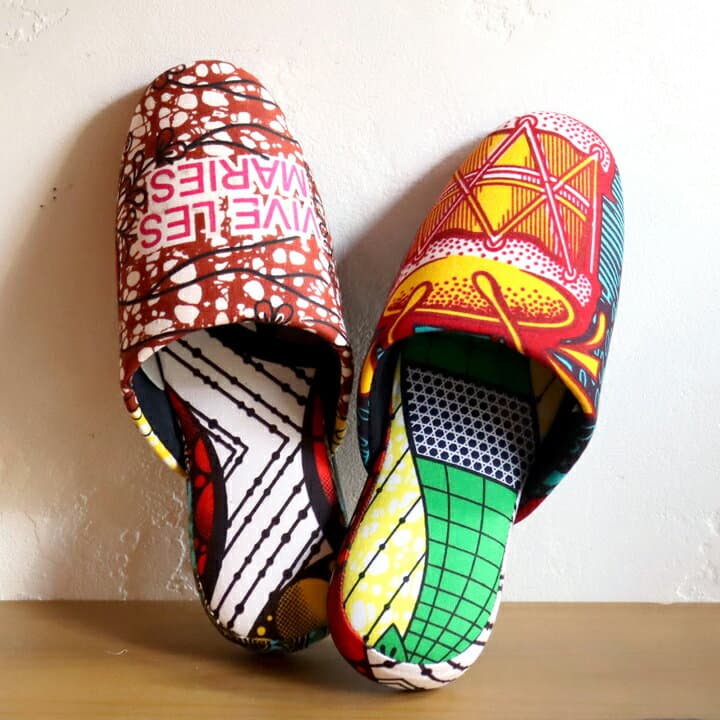
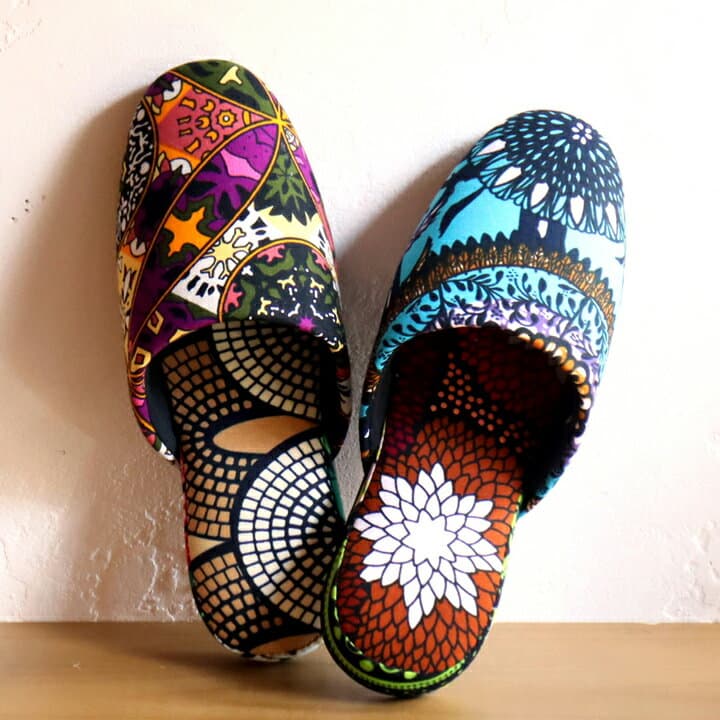
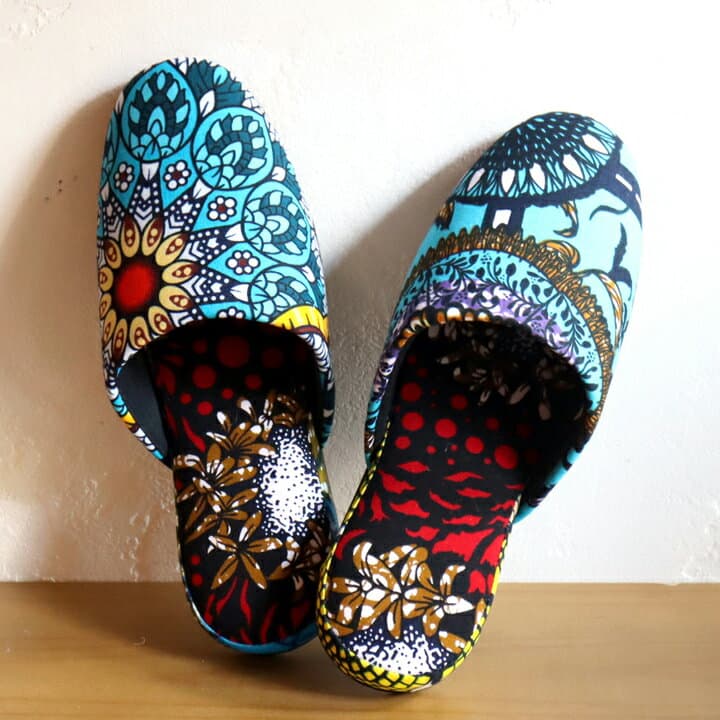
In Gyoda’s Minamikawara district, a familiar slipper shape carries patterned uppers, insoles, and hakama parts after a once-large production area narrowed to four active makers and a 2017 local project.
Information last updated 121 days ago
3 imagesパーニュ布スリッパ 25.5-28cm 【Lサイズ】 南河原スリッパ/ African wax print textile 現品
L size (25.5-28 cm)ガラタバザール(キリム&ラグ)
5.0 / 1 reviews
 3 images
パーニュ布スリッパ 25.5-28cm 【Lサイズ】 南河原スリッパ/ African wax print textile 現品
L size (25.5-28 cm)ガラタバザール(キリム&ラグ)
5.0 / 1 reviews
 3 images
パーニュ布スリッパ 25.5-28cm 【Lサイズ】 南河原スリッパ/ African wax print textile 現品
L size (25.5-28 cm)ガラタバザール(キリム&ラグ)
5.0 / 1 reviews
First time buying on Rakuten? How residents in Japan order →
Minamikawara, in Gyoda City, Saitama, is a place where slippers once shaped daily work. Around 1980, the area reached Japan’s top production level; in the former village, more than 40 manufacturers operated and about 80 percent of households were tied to slipper work. Today’s Minamikawara slippers keep the basic indoor form close to household use, while fabric choices, left-right pairing, and regional textile collaborations carry the 2017 restart led by Minamikawara Shokokai.
The product family starts with place: Minamikawara, now in Gyoda City, Saitama. The former village was known as a slipper production area, with factory work spread beyond a few workshops and into many households. Around 1980, production volume reached Japan’s top level, and more than 40 manufacturers operated while about 80 percent of households were connected to the trade. Those numbers give local industry a concrete shape: cutting, stitching, carrying, and finishing work once moved through the district as ordinary household labor.
Later, lower-cost overseas products reduced the local manufacturing base to four makers. The 2017 Minamikawara Slipper Project was a practical response to that smaller base: Minamikawara Shokokai set up a committee with manufacturers, designers, and member businesses, aiming to keep slipper-making skills active and bring work back to the district. Sano Kazumi, a management adviser from Kumagaya, proposed the focus on the local slipper trade, and chair Yamamoto Eiji backed the start even after describing early concern. The project’s questions were concrete: what shape could remain, what fabric could change, and how an indoor slipper could meet contemporary habits.
Local makers kept the basic slipper form and moved the design work to fabric. Early trials used vintage African textiles, then African pagne batik when the project needed a more repeatable material route. Later series brought in Brazilian and southern French textiles, and collaborations connected the slipper form with Gyoda tabi, Chichibu Meisen, Hanyu Bushu indigo dyeing, and Soka leather techniques. The cloth is part of the construction: makers combine patterns across the upper, insole, and hakama sections, so the pair’s appearance is built from its parts.
The making can be read through several concrete actions: stitching the upper material, heat-forming it with a lasting machine, and combining the upper, insole, and hakama sections into one indoor pair. Patterned cloth is therefore more than a surface choice; it appears on the part that covers the foot, the part underfoot, and the side structure around the slipper. Each combination asks the craftsperson to place color, motif, and part together within the familiar Minamikawara outline.
Rare patterned cloth made exact repetition difficult, so the project allowed left and right slippers to stand as independent pieces. A pair can bring two colors or patterns together without losing the familiar Minamikawara shape. That decision gives the indoor object a daily rhythm: when worn, the pair still has stability, while the left-right difference keeps the fabric choice visible in use.
Public displays have presented Minamikawara slippers as objects to see and touch, with varied designs and methods shown at everyday scale. A displayed pair makes the structure easier to notice: stitched upper, heat-formed shape, patterned parts, and the contrast between left and right. A 2023 regional collective trademark later gave the shared name a clearer boundary, while the maker community continues to face the practical question of successors who can keep those actions in use.
Minamikawara slippers return to a small indoor object: a foot-sized form for the home, made in a district where slipper work once involved much of a village. The production map is smaller now, yet the work remains visible in patterned uppers, heat-formed shapes, left-right combinations, and collaborations with tabi, Meisen, indigo dyeing, and leather. In Gyoda’s Minamikawara district, continuity means cloth chosen by people, parts joined by hand and machine, and a pair still meant to be worn indoors.
Compiled from public records and official sources; see the recognition links below. Details may change over time.
Where this product is officially registered, designated, or recognized in Japan.
Regional collective trademark
Registered as a Regional Collective Trademark with the Japan Patent Office.
Sources1
It is written as 南河原スリッパ in Japanese. Search Rakuten and other Japanese sites with that spelling — the English name will not bring up the listings.
Minamikawara slippers are indoor slippers tied to the Minamikawara district of Gyoda, Saitama. Around 1980, the area reached Japan's top production level, with more than 40 manufacturers and about 80 percent of households connected to slipper work; the maker base later fell to four. A 2017 project led by Minamikawara Shokokai kept the basic slipper shape while renewing the object through patterned fabric, left-right pairings, upper-insole-hakama combinations, and collaborations with tabi, Meisen, indigo dyeing, and leather techniques.
Lower-cost overseas products were the main reason the local maker base shrank to four manufacturers. The left-right pattern approach grew from the difficulty of repeating scarce patterned textiles. Making the slippers involves stitching the upper, heat-forming it with a lasting machine, and combining the upper, insole, and hakama sections. A cultural facility displayed handmade Minamikawara slippers with different designs and methods, letting visitors see and touch them.
The slippers are worn as everyday indoor footwear, with the basic shape kept to maintain a stable fit. Buyers can choose different left and right patterns to create an individual pairing. The colorful fabric designs also give the slippers a role as display or gift items, showing off local textile patterns.
Naturally dyed textiles shed some colour on first wash. Hand-wash separately with a neutral detergent, avoid long soaking and bleach, and dry in the shade to prevent fading. Silk, ramie, and traditionally dyed pieces often need professional cleaning — the care label on the listing takes precedence.
Most options are shelf-stable, boxed, and travel well, so they suit gifting or bringing home. Confirm the final storage and delivery terms on the Rakuten listing.
On Rakuten: the shops listed here right now are ガラタバザール(キリム&ラグ). We don't sell directly; purchase, payment, stock, and delivery are all handled on the Rakuten product page.