 3 images
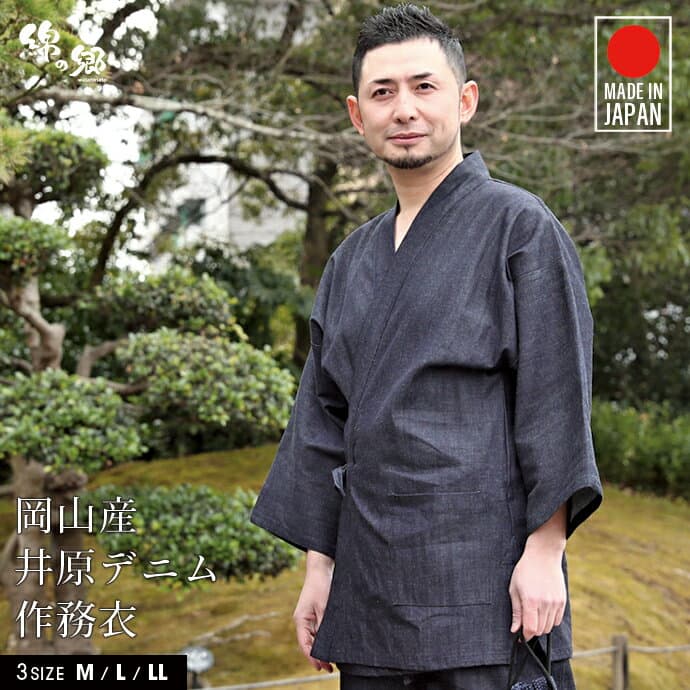
Ihara Denim Japanese Samue Workwear
作務衣 井原デニム<日本製>岡山県井原市産 8オンスデニム生地 父の日ギフト プレゼント
8 oz denim綿の郷
4.6 / 13 reviews
Japanese name井原デニム
In Ibara City, Okayama, cotton, indigo-dyed heavy cloth, Bitchu Kokura, and urajiro lead into selvedge, jacquard, mixed fibers, jeans, kimono, bags, station workshops, and classroom lessons.
Information last updated 120 days ago
3 images作務衣 井原デニム<日本製>岡山県井原市産 8オンスデニム生地 父の日ギフト プレゼント
8 oz denim綿の郷
4.6 / 13 reviews
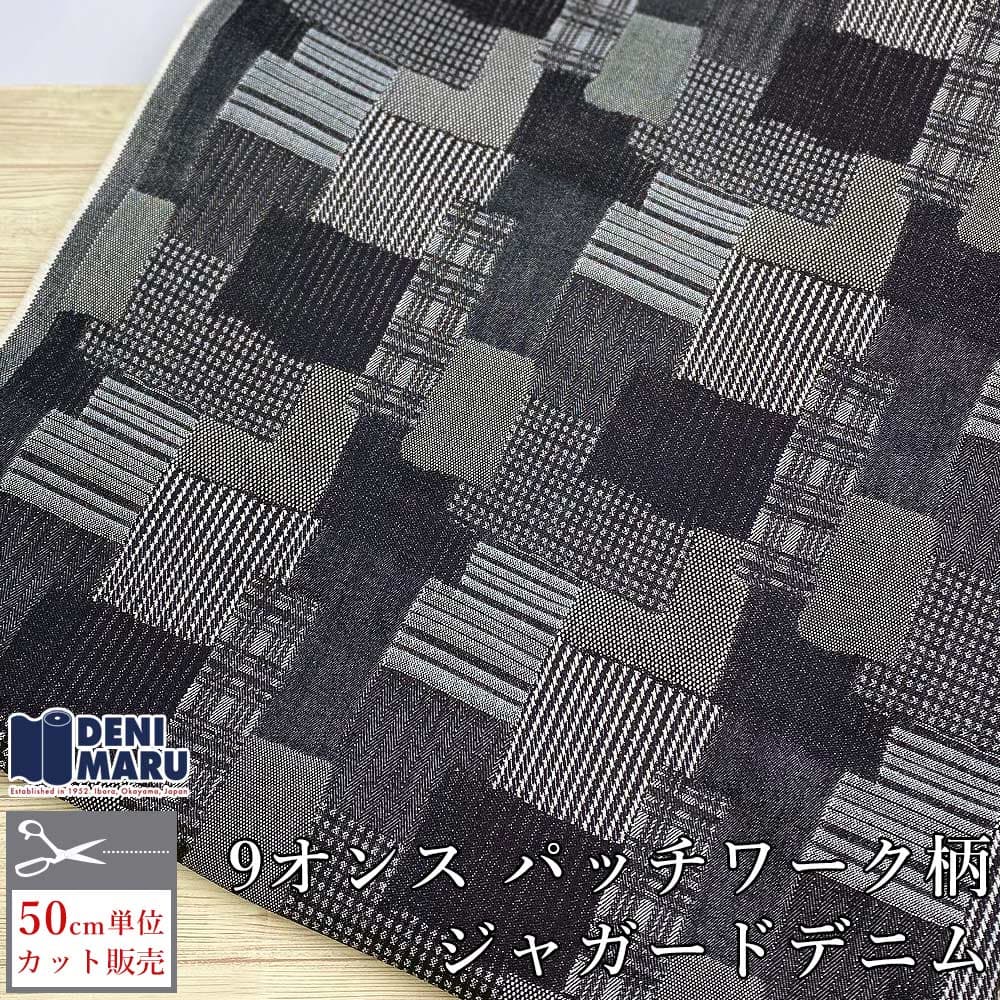 3 images
ジャガード 生地 デニム パッチワーク 生地 9オンス パッチワーク風 ジャガードデニム 布地 岡山デニム 綿 ジーンズ バッグ 手芸 趣味 手作り 井原デニム でに丸
9 oz, 150 cm wide, indigoデニム生地専門店 でに丸
5.0 / 2 reviews
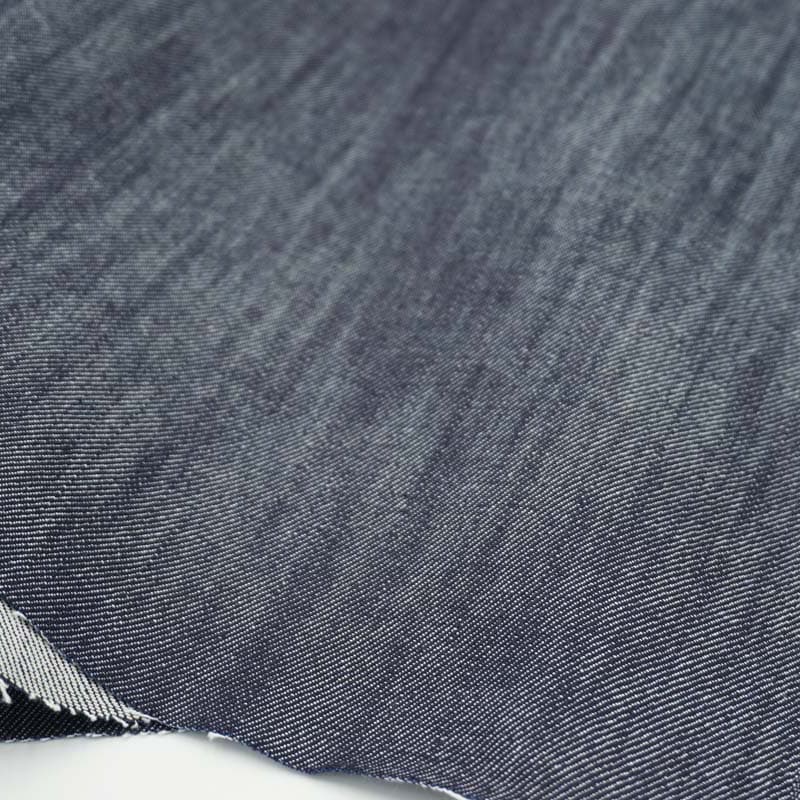 3 images
【デニム生地】 岡山デニム ローウェーブデニム 9.5オンス 綿 コットン-100% デニム生地 岡山県産 井原デニム ジーンズ でに丸
9.5 oz, 146 cm widthデニム生地専門店 でに丸
5.0 / 1 reviews
First time buying on Rakuten? How residents in Japan order →
In Ibara City, Okayama, denim is tied to a working cluster of weaving factories, jeans sewing shops, washing and finishing plants, and textile makers. At Ibara Station, exhibition, studio, and finished-product spaces put cloth, tools, and garments within the same visit, so the town’s cotton and indigo-dyed heavy cloth can be read through actual objects. The path into Ibara Denim runs through cotton cultivation, indigo dyeing, Bitchu Kokura, and urajiro. A thick cloth with an indigo face and white back moved from uniforms and work clothes into postwar jeans production; today shuttle-loom selvedge, jacquard, plant dyes, organic cotton, silk, rayon, and functional fibers carry the same production area into clothing and everyday goods.
Ibara’s denim begins with place. The city has denim-fabric factories, jeans sewing companies, washing and finishing work, and textile makers, creating a short distance between woven cloth, stitched garments, and processed finishes.
In 2017, Ibara Station was renewed as a local denim base with museum, studio, and Ibara Denim Store areas. The museum presents history, tools, and production steps; the studio supports workshops, technical courses, visitor experiences, and product development, giving the station a practical role in the textile district.
Cotton cultivation in the Ibara area is traced to around the late Sengoku period, and indigo-dyed heavy cotton cloth became a local specialty in the Edo period. The concrete sequence is simple: cotton from fields, yarn dyed with indigo, and a heavy woven cloth made for wear.
That material base grounds Ibara Denim before modern fashion enters the picture. Before jeans and station workshops, the town’s textile line already included cotton, indigo, and sturdy cloth used close to daily life.
In 1901, Ibara began producing a type of cloth called Kokura; the version made in Ibara was known as Bitchu Kokura. It was used for school uniforms and work clothes, and exports began in 1912, placing Ibara’s heavy indigo cotton cloth in classrooms, workplaces, and overseas circulation.
Bitchu Kokura gives the denim timeline a practical middle chapter. School uniforms needed durability, work clothes needed weight, and those uses explain why Ibara’s later denim history is rooted in cloth made for repeated wear.
Among the Bitchu Kokura variations was a thick cloth called urajiro. Its face was indigo-dyed navy and its back was white; because that structure made a sturdy cloth suited to workwear and resembled American denim, it is described as a root of Japanese denim.
After World War II, jeans production in Ibara began with denim fabric based on urajiro. Around 1970, Ibara’s annual jeans production was reported at about 15 million pairs, roughly 75 percent of Japan’s domestic volume, putting urajiro, denim fabric, and postwar jeans into one local production timeline.
Contemporary Ibara Denim still centers on fabric development. Shuttle-loom selvedge denim, jacquard patterned cloth, plant dyes, organic cotton, and blends with silk, rayon, and functional synthetic fibers all appear within Ibara’s current textile work.
Low-tension weaving on shuttle looms gives cloth a rougher hand, while jacquard techniques can reproduce subtle colors and patterns. These techniques move Ibara Denim beyond a blue work cloth into finer patterning, texture, and fiber combinations.
The Ibara Denim name is tied to denim fabric woven in Ibara City and to finished goods that meet local criteria for sewing, processing, and finishing. That boundary lets jeans, suits, kimono, bags, hats, neckties, and small goods take different forms while returning to Ibara-woven fabric as their common starting point.
The denim kimono gives the range a clear example: Ibara-woven denim is sewn by craftspeople, and the garment can soften and fade over years of wear. From jeans to kimono and from bags to small goods, the visible forms keep circling back to the cloth itself.
At Ibara Station, the museum area gathers Ibara Denim history, production steps, and tools; the studio area holds workshops, technical courses, and visitor experiences. Inside the station, cloth, garments, tools, and making processes are placed close enough to be understood together.
Ibara High School brings the production area into the classroom through Denim Studies. Students work with cotton cultivation, indigo cultivation, denim product making, manufacturing processes, history, and exchanges with elementary students, keeping Ibara Denim visible across factories, the station, and school activities.
Ibara Denim can be followed through concrete objects: cotton, indigo-dyed heavy cloth, Bitchu Kokura, urajiro, shuttle-loom selvedge, and jacquard cloth. Together they connect fields, looms, sewing tables, washing and finishing plants, station workshops, and high school lessons in Ibara City. The cloth’s recognition comes from denim woven in Ibara, the blue-front white-back form of urajiro, and the way the material now appears in jeans, kimono, bags, and small goods. The surest entrance into Ibara Denim remains the cloth itself: blue, white, weight, pattern, and the city’s continuing work with fiber.
Compiled from public records and official sources; see the recognition links below. Details may change over time.
Where this product is officially registered, designated, or recognized in Japan.
Regional collective trademark
Registered as a Regional Collective Trademark with the Japan Patent Office.
Sources1
It is written as 井原デニム in Japanese. Search Rakuten and other Japanese sites with that spelling — the English name will not bring up the listings.
Ibara denim is denim fabric from Ibara City, Okayama, and finished goods that begin with Ibara-woven cloth. The local path runs from cotton, indigo-dyed heavy cotton, Bitchu Kokura in 1901, and blue-front white-back urajiro into postwar jeans; around 1970 Ibara made about 15 million pairs a year. Today it uses shuttle-loom selvedge, jacquard, plant dyes, organic cotton, silk, rayon, and functional fibers for jeans, suits, kimono, bags, and small goods.
The regional collective trademark for Ibara denim is Trademark Registration No. 6125221, with designated goods listed as denim fabric produced in Ibara City, Okayama. Ibara City has denim-fabric factories, jeans sewing companies, and washing and finishing businesses. Urajiro is a thick cotton cloth with an indigo face and white back, described as a root of Japanese denim because of its durability and similarity to American denim. Bitchu Kokura production began in Ibara in 1901, was used for school uniforms and work clothes, and began exports in 1912.
Ibara denim is used in jeans, suits, jackets, pants, skirts, shirts, and brand apparel. It is also made into kimono, obi, bags, hats, neckties, and accessories, including items sewn by craftspeople and used for long-term fading and softening. Ibara Station includes museum, studio, and store functions, and visitors can try denim processing and sewing.
Naturally dyed textiles shed some colour on first wash. Hand-wash separately with a neutral detergent, avoid long soaking and bleach, and dry in the shade to prevent fading. Silk, ramie, and traditionally dyed pieces often need professional cleaning — the care label on the listing takes precedence.
Most options are shelf-stable, boxed, and travel well, so they suit gifting or bringing home. Confirm the final storage and delivery terms on the Rakuten listing.
On Rakuten: the shops listed here right now are 綿の郷, デニム生地専門店 でに丸. We don't sell directly; purchase, payment, stock, and delivery are all handled on the Rakuten product page.