 3 images
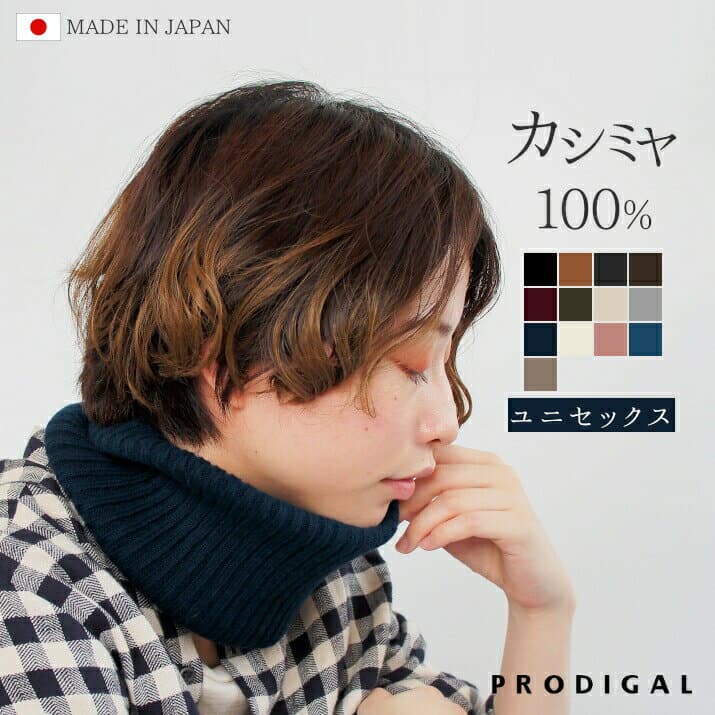
PRODIGAL Gosen Knit 100% Cashmere Neck Warmer
PRODIGAL ネックウォーマー カシミヤ 100% レディース メンズ スポーツ 日本製 スヌード カシミア 冬 秋冬 無地 防寒 ニット 五泉ニット カシミヤ100%ネックウォーマー
one sizePRODIGAL(プロディガル)
4.5 / 436 reviews
Japanese name五泉ニット
In Gosen City, Niigata Prefecture, yarn dyeing, knitting, sewing, embroidery, pressing, finishing, and secondary work sit close together, giving Gosen Knit its clean look, gentle hand feel, and citywide production rhythm.
Information last updated 120 days ago
3 imagesPRODIGAL ネックウォーマー カシミヤ 100% レディース メンズ スポーツ 日本製 スヌード カシミア 冬 秋冬 無地 防寒 ニット 五泉ニット カシミヤ100%ネックウォーマー
one sizePRODIGAL(プロディガル)
4.5 / 436 reviews
 3 images
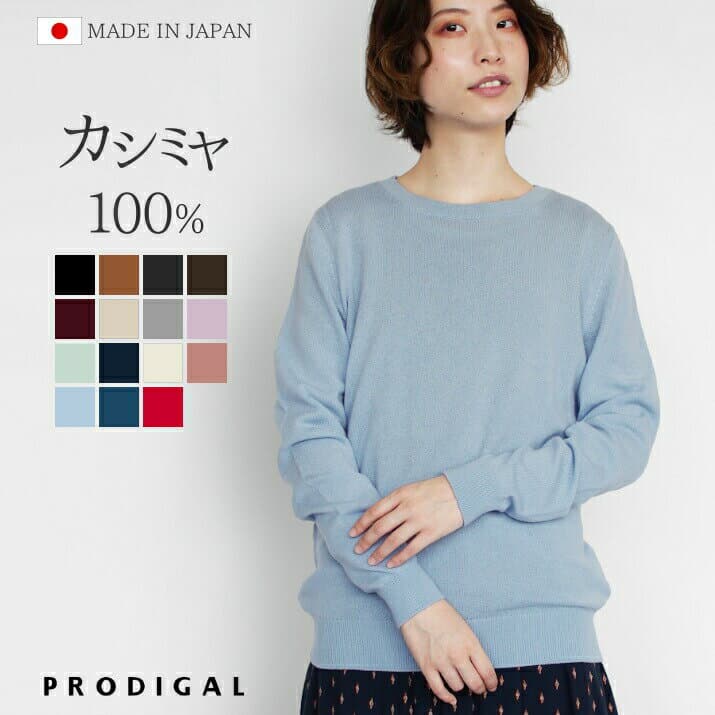
PRODIGAL カシミヤ 100% ニット 日本製 クルーネック セーター レディース S M L LL カシミア クルーネックセーター 薄手 無地 シンプル 長袖 秋冬 冬 五泉ニット カシミヤ100%クルーネックセーター
PRODIGAL(プロディガル)
4.4 / 58 reviews
 3 images
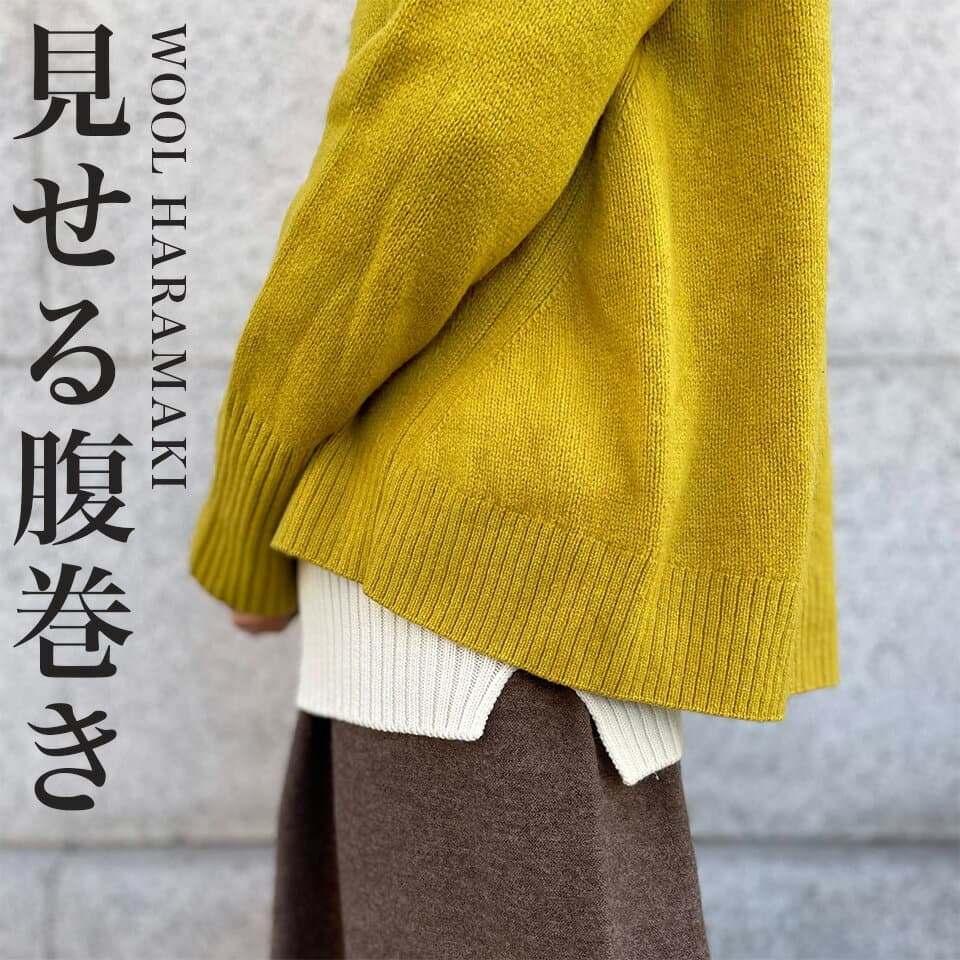
サイフク みせる腹巻き 【 ウール 】 五泉ニット 226(つつむ) レディース 可愛い おなかをつつむ / 見せるハラマキ ネイビー エンジ キャメル つけ裾 春 秋 冬 体型カバー マタニティにも
woolDesigners&Laboshop
4.5 / 40 reviews
First time buying on Rakuten? How residents in Japan order →
Gosen Knit belongs to Gosen City in Niigata Prefecture, where knitwear is made through a dense local chain rather than a single workshop name. Yarn dyeing, fabric knitting, sewing, embroidery, pressing, texture finishing, and secondary processing are all part of the city’s production base. The finished garments are associated with a clean appearance, a neat silhouette, a gentle texture, and comfortable wear, qualities that begin long before the final garment reaches a hanger.
The strength of Gosen Knit starts with the city as a production area. Makers in Gosen handle knitted fabric, dyeing, sewing, embroidery, pressing, finishing, and related secondary work; attachments such as buttons, fasteners, and tags are part of this local chain as well. For a garment, that means yarn color, stitch structure, seams, surface texture, and final shape can pass through specialized hands within the same city. Gosen is described through top domestic scale in knit production by pieces, value, or output, and that scale rests on clustered work: people, machines, and finishing tables close enough to keep a garment moving from yarn to finished form.
Gosen’s textile background reaches further back than modern knitwear. About 200 years ago in the Edo period, the area began weaving Gosen-hira, a white fabric used for hakama, and silk textiles later became an important local industry. That earlier silk work should not be treated as the method behind every present-day Gosen Knit garment. It does, however, show how thread, weaving skill, and fabric quality became part of the city’s working environment. When knit production later grew in Gosen, it developed in a place that already had textile labor, material judgment, and a local habit of looking closely at cloth.
The older silk-weaving environment in Gosen used abundant water and moderate humidity. One technique, called wet weft, involved wetting the weft thread and beating it firmly into the fabric to create a dense weave with luster and texture. This belongs to the white-fabric background, not to every current knit process. Still, it gives a concrete way to understand the city’s textile sensibility: natural conditions, thread handling, and surface feel were connected in Gosen long before contemporary knitwear. When Gosen Knit is described through soft hand feel, a clean face, and comfort, those qualities sit within a city that has long worked with the condition of yarn and cloth.
Gosen Knit is often described through clean appearance and clean silhouette. Those qualities do not appear only at the end of production. Stable yarn dyeing, even knitted fabric, careful sewing and embroidery, pressing, and texture finishing all affect how a garment sits, how the surface catches light, and how the body line appears. The local association also emphasizes gentle texture, comfortable wear, and a high-quality finish. In practical terms, the beauty is found in stitch rows, seams, pressed edges, and the hand feel of the fabric, where separate processes have to agree with one another.
Gosen’s knit production is known for working with fine yarns considered difficult in other production areas. Fine yarn makes stitch tension, shape, and consistency less forgiving, so machine settings, operator judgment, and finishing work all matter. The city also points to products that combine knit with leather, woven fabric, and other materials. These pieces require makers to bring soft knitted structures together with firmer or differently behaving surfaces. Gosen Knit therefore extends beyond a simple sweater image into concrete manufacturing challenges: fine yarn, computer-assisted production, newer knitting machines, and mixed-material construction.
The Gosen Knit Industrial Cooperative is based in Gosen City’s Yoshizawa area, and the tourism association lists 22 member companies and 16 supporting members. That roster makes the product family easier to understand as a local industry shared by many makers, including knit, sock, embroidery, sewing, and related companies. The city also refers to young successors, a reminder that this work depends on people learning machine operation, material judgment, and process coordination. The local character of Gosen Knit lives in that network of companies and technicians, as well as in the label attached to a finished garment.
LOOP&LOOP in Gosen includes a select shop, coworking space, cafe, and event space. It gives the knit production area a public-facing place where visitors can encounter local knitwear, spend time, work, or join events. This matters because many parts of knit production usually happen out of sight, between dyeing equipment, knitting machines, sewing stations, embroidery work, pressing tables, and finishing rooms. LOOP&LOOP does not replace the factories; it gives the city’s knit industry a visible point of contact within Gosen itself.
Gosen Knit is best understood through the city that makes it: yarn dyeing, knitting, sewing, embroidery, pressing, finishing, fine-yarn work, and mixed-material construction concentrated in Gosen City, Niigata Prefecture. From Edo-period Gosen-hira white fabric to contemporary knit production, Gosen has linked water, humidity, thread, machinery, and skilled hands into a local textile environment. The softness of the fabric and the clarity of the silhouette come from that chain of work.
Compiled from public records and official sources; see the recognition links below. Details may change over time.
Where this product is officially registered, designated, or recognized in Japan.
Regional collective trademark
Registered as a Regional Collective Trademark with the Japan Patent Office.
Sources1
It is written as 五泉ニット in Japanese. Search Rakuten and other Japanese sites with that spelling — the English name will not bring up the listings.
Gosen knitwear is a knitwear product family tied to Gosen City, Niigata Prefecture, where dyeing, knitting, sewing, embroidery, pressing, finishing, and secondary processing are concentrated locally. Its background includes Gosen-hira white fabric first woven in the Edo period, about 200 years ago. Modern Gosen knitwear is associated with clean appearance, a neat silhouette, gentle texture, comfortable wear, fine-yarn knitting, and construction that mixes materials.
Gosen production fulfills many orders from major apparel makers, drawing on the area's local capacity for dyeing, knitting, sewing, embroidery, pressing, and finishing. Earlier silk weaving in Gosen used abundant water and moderate humidity, including a wet-weft method that produced dense weave, luster, and texture. Gosen knitwear is best understood as a local knitwear production area rather than a single workshop or brand. The Gosen Knit Industrial Cooperative lists 22 member companies and 16 supporting members.
Gosen knitwear is worn as everyday clothing, chosen for its clean silhouette and comfortable, soft wearing feel. Some Gosen knit items combine fine-yarn knitting with leather or woven fabric in a mixed-material construction.
Naturally dyed textiles shed some colour on first wash. Hand-wash separately with a neutral detergent, avoid long soaking and bleach, and dry in the shade to prevent fading. Silk, ramie, and traditionally dyed pieces often need professional cleaning — the care label on the listing takes precedence.
Most options are shelf-stable, boxed, and travel well, so they suit gifting or bringing home. Confirm the final storage and delivery terms on the Rakuten listing.
On Rakuten: the shops listed here right now are PRODIGAL(プロディガル), Designers&Laboshop. We don't sell directly; purchase, payment, stock, and delivery are all handled on the Rakuten product page.