 3 images
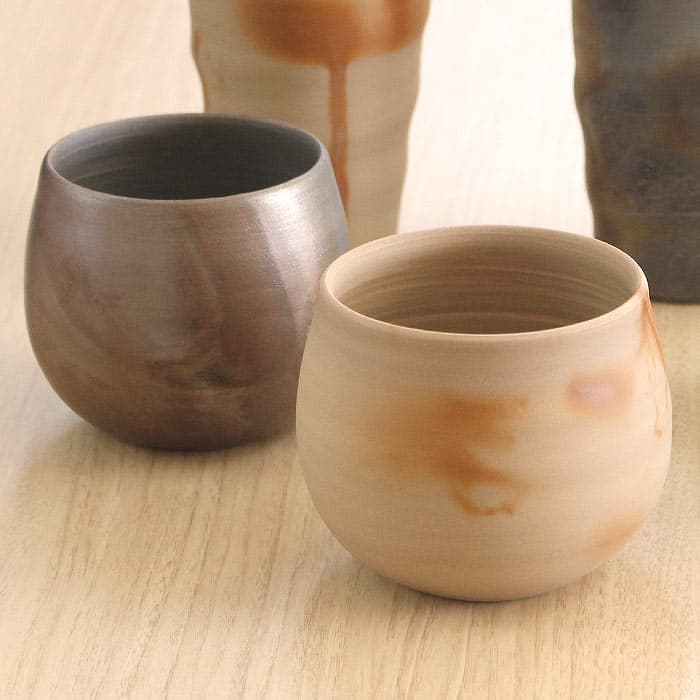
Bizen Ware Round Cafe au Lait Bowl Cup by Jun Takagi
和食器 備前焼 マグカップ 陶器 コロンと丸い カップ 300ml 高木純作 日本製 かわいい 保温 コップ カフェオレボウル コーヒー ヒダスキ 国産 焼き物 作家 窯元 カフェ 岡山 雑貨
300ml Hidasuki抹茶・日本の食と暮らしの道具店
5.0 / 25 reviews
Japanese name備前焼
From Ibe in Bizen City to other making areas in Okayama, Bizen ware keeps the clay surface visible: hiyose clay, pine split wood, ash, charcoal, straw, and kiln placement leave different marks on cups, plates, tea vessels, and vases.
Information last updated yesterday
3 images和食器 備前焼 マグカップ 陶器 コロンと丸い カップ 300ml 高木純作 日本製 かわいい 保温 コップ カフェオレボウル コーヒー ヒダスキ 国産 焼き物 作家 窯元 カフェ 岡山 雑貨
300ml Hidasuki抹茶・日本の食と暮らしの道具店
5.0 / 25 reviews
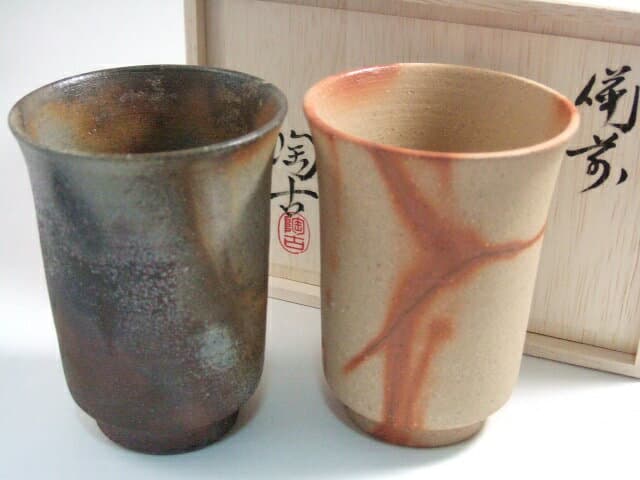
【備前焼】 小西陶古 | ペアビアマグセット(桐箱入) | ビアタンブラー ビールグラス ビアグラス ビアカップ タンブラー ビール 和食器 窯元 酒器【楽ギフ_包装】【楽ギフ_のし宛書】
Hidasuki/Sangiri pair, paulownia box備前焼とグルメの店七-nana-
4.6 / 23 reviews
 3 images
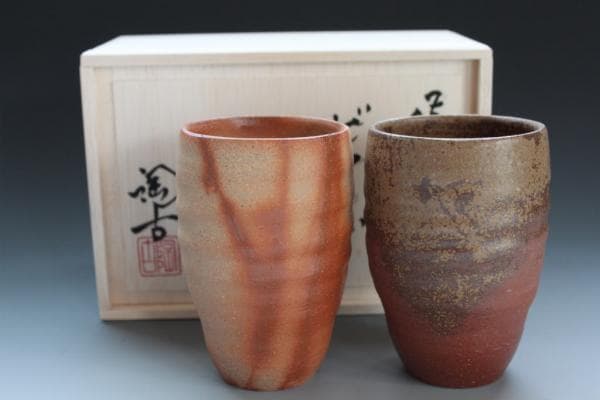
【備前焼 】小西陶古 | ペアビアマグセット(桐箱入) | ビアタンブラー ビールグラス ビアグラス ビアカップ タンブラー ビール 和食器 窯元 酒器【楽ギフ_包装】【楽ギフ_のし宛書】
Hidasuki/Goma, paulownia box備前焼とグルメの店七-nana-
4.5 / 30 reviews
 3 images
【送料込】備前焼 堀江さつき作 マグカップ(さつき-10)220cc| 陶器 日本製 プレゼント おしゃれ ギフト 焼き物 コーヒー カップ 和食器 陶磁器 コーヒーマグ マグ 木箱入 和風 テーブルウェア 備前 陶器 岡山県
Satsuki-10, 220cc, wooden box器茶房 彩庵
5.0 / 1 reviews
 3 images
備前焼 組珈琲セット(桟切)スプーン付 | おしゃれ 日本製 工芸品 和食器 陶器 コーヒーセット ペアコーヒー 珈琲碗皿 ペアセット 父の日 母の日 プレゼント ギフト 岡山県
Sangiri, with spoons器茶房 彩庵
5.0 / 2 reviews
 3 images
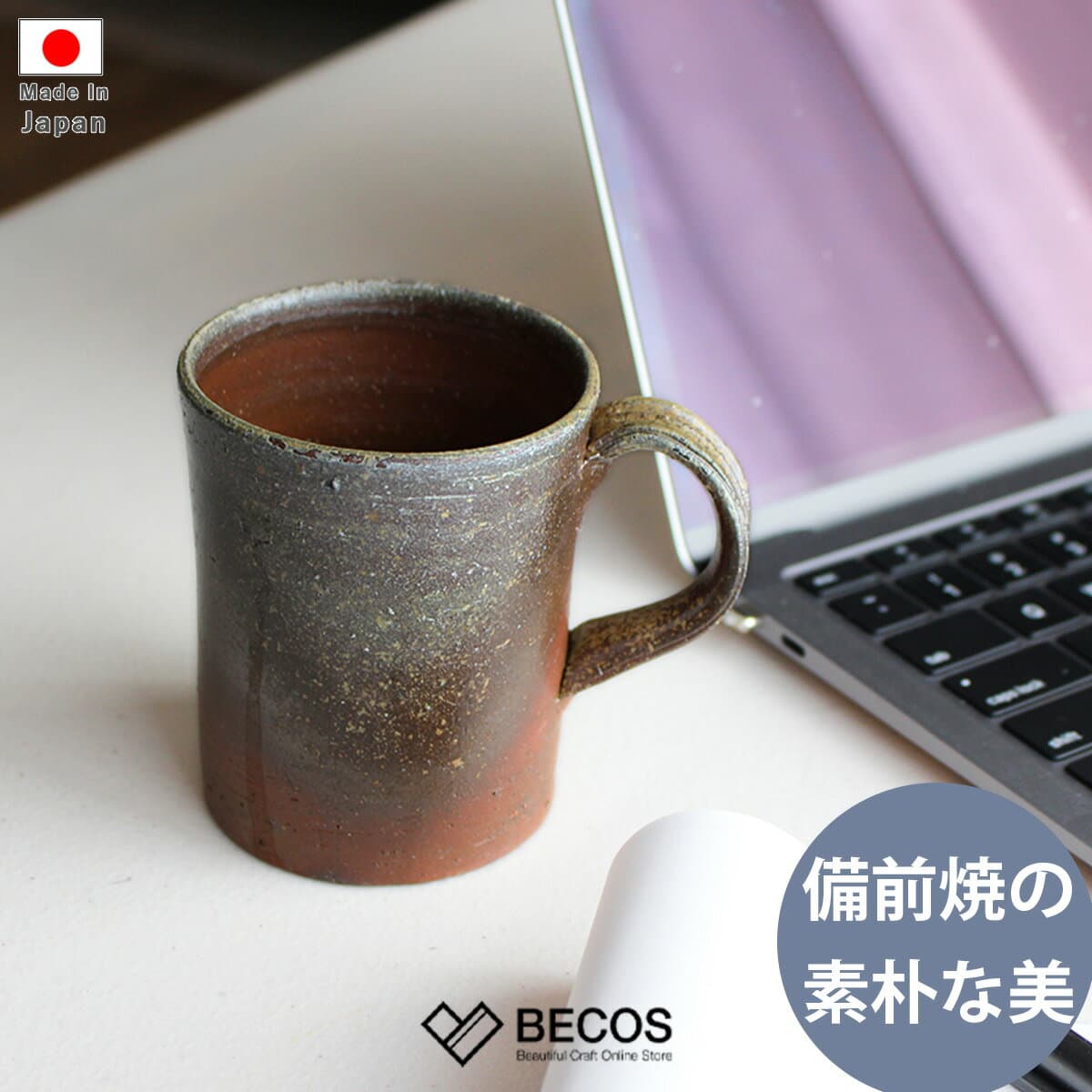
マグカップ コーヒーカップ ギフト おしゃれ 高級 陶器|230ml 茶 ブラウン 備前焼 恒枝直豆 日本製 国産 職人|海外 手土産 モダン コーヒータイム カフェ|結婚祝い 新築祝い 新居祝い 誕生日 還暦祝い 米寿 プレゼント
230ml, brownBECOS伝統工芸楽天市場店
2.9 / 7 reviews
First time buying on Rakuten? How residents in Japan order →
All 6 listings of this product on Rakuten, lowest price first.
| Listing | Price | Shop | Reviews | Open listing |
|---|---|---|---|---|
Bizen Ware Round Cafe au Lait Bowl Cup by Jun Takagi 300ml HidasukiLowest price | ¥3,300 | 抹茶・日本の食と暮らしの道具店 | 5.0 / 25 reviews | View on Rakuten → |
Bizen Ware Mug by 恒枝直豆 230ml, brownGift-ready | ¥4,000 | BECOS伝統工芸楽天市場店 | 2.9 / 7 reviews | View on Rakuten → |
Bizen Ware Mug by Horie Satsuki Satsuki-10, 220cc, wooden boxGift-ready | ¥6,380 | 器茶房 彩庵 | 5.0 / 1 reviews | View on Rakuten → |
Bizen Ware Konishi Toko Pair Beer Mug Set Hidasuki/Goma, paulownia boxMost reviewed | ¥7,650 | 備前焼とグルメの店七-nana- | 4.5 / 30 reviews | View on Rakuten → |
Bizen Ware Konishi Toko Beer Mug Pair Set Hidasuki/Sangiri pair, paulownia box | ¥10,500 | 備前焼とグルメの店七-nana- | 4.6 / 23 reviews | View on Rakuten → |
Bizen Ware Sangiri Coffee Pair Set with Spoons Sangiri, with spoonsGift-ready | ¥17,600 | 器茶房 彩庵 | 5.0 / 2 reviews | View on Rakuten → |
Japanese · new tab
Bizen ware begins in the southeast of Okayama Prefecture. The named making area covers Okayama City, Bizen City, and parts of present-day Setouchi City, while Ibe in Bizen City is the representative district for kilns and ceramic shops. A piece is shaped from clay, dried, and fired without glaze or painted decoration, so the finished surface still points back to hiyose clay from around Ibe, Osafune black clay, mountain clay, pine split wood, ash, charcoal, straw, and the place where the piece sat inside the kiln.
Around JR Ibe Station, many kilns, Bizen-ware facilities, and ceramic shops sit within walking distance. The broader production area includes Okayama, Bizen, and current Setouchi, but Ibe gives the ware a visible street address. Red brick chimneys rise above lanes, and the same fired material appears in signs and local details; a walk through the district begins with chimneys, kilns, and clay made part of the townscape.
Hiyose clay from around Ibe is central to the making, alongside Osafune black clay, mountain clay, and equivalent ceramic clays. The surface is not covered with painted glaze; if the base receives marks, they come from wheel shaping, slab work, press molds, hand-building, spatula or comb marks, openwork, carved lines, attached clay, or a slip made from the same clay. The result is a body where the clay surface remains visible after firing.
After forming and drying, pieces are packed into the kiln and fired with pine split wood over seven to ten days; tourism context describes high firing around 1200 to 1300 C. That long heat turns the unglazed body into hard stoneware, while flames, fuel, ash, temperature shifts, and kiln placement act on each piece differently. The maker chooses form and loading, but the final surface also depends on the path of fire inside the kiln.
The surface names are practical words for what happened in the kiln. Goma appears when pine ash melts onto the clay in sesame-like speckling. Sangiri comes from reduction conditions around ash and charcoal, often read in gray or bluish shifts. Hidasuki shows red lines where straw met iron-bearing clay, and botamochi leaves pale or protected patches where another piece or covering shielded part of a bowl or plate. Ao-bizen and fuse-yaki belong to the same vocabulary of surfaces made by firing rather than brushwork.
The time line reaches back to Sue ware production in the Kofun period. Around the foot of Kumayama, late Heian to early Kamakura kilns made bowls, dishes, trays, and roof tiles; by the Kamakura period, jars, crocks, and mortars became common, with the red-brown fired surface now associated with Bizen ware. Later, tea ceramics, everyday utensils, and ornaments joined the range, and Edo-period production was organized around large communal kilns and six kiln families. After pressure from porcelain production in Kyoto, Arita, and Seto, Kaneshige Toyo is named as a figure who helped open a modern revival after difficult Meiji-to-early-Showa years.
In Ibe, Bizen ware appears in the town as well as on the shelf. Red brick chimneys stand as local markers, and Amatsu Shrine, about seven minutes on foot from JR Ibe Station, uses Bizen ware for paving stones, guardian figures, and ema plaques. The annual Bizen-yaki festival falls on the Saturday before the third Sunday of October and on that Sunday, bringing kilns, artists, and visitors into the same production town; member and artist seals also tie finished pieces to individual hands.
Because the surface is slightly uneven and the body holds heat, Bizen ware is used for cups, sake vessels, plates, serving dishes, tea utensils, and vases. Fine pores and slight permeability are part of why vases are linked with water staying fresh for flowers, while cups and plates are discussed through foam, warmth, food contact, and touch. With repeated use, the hand feel and appearance can change, so daily handling belongs to the material life of the piece.
To look at Bizen ware is to look at Ibe clay, pine wood, ash, charcoal, straw, and time in a high-temperature kiln. Its red-brown surfaces, gray shifts, red lines, and masked patches connect the bowls, cups, tea vessels, plates, and vases of today with the older sequence of Sue ware, Kumayama daily vessels, communal kilns, and an Ibe town where red chimneys still stand.
Compiled from public records and official sources; see the recognition links below. Details may change over time.
Where this product is officially registered, designated, or recognized in Japan.
It is written as 備前焼 in Japanese. Search Rakuten and other Japanese sites with that spelling — the English name will not bring up the listings.
Bizen ware is an Okayama ceramic family made in areas including Okayama City, Bizen City, and present-day Setouchi City, with Ibe in Bizen City as the representative kiln district. Pieces are shaped from clay, dried, and fired without glaze or painted decoration. Surface effects come from ash, charcoal, straw, kiln placement, and reduction conditions during pine-wood firing.
Bizen ware is fired with pine split wood for seven to ten days, with a high-temperature range introduced at about 1200 to 1300 C. Core clays include hiyose clay from around Ibe, Osafune black clay, and mountain clay. Named surfaces include goma, sangiri, hidasuki, botamochi, ao-bizen, and fuse-yaki. Bizen ware history connects Sue ware roots, Kumayama-area bowls and dishes, tea ceramics, daily vessels, and large communal kilns.
Bizen ware has been used as bowls, dishes, trays, jars, crocks, and mortars, and from the Muromachi period onward also as tea utensils and tea ceramics. It is also used for beer cups, sake vessels, and whisky or wine containers; sensory impressions vary by person. It is used for plates and serving dishes, and for flower vases associated with microscopic pores, slight permeability, and keeping water in a lively condition for longer.
Porous earthenware is usually given a "medome" treatment first — simmer it gently in rice-rinsing water (or water with a little flour), then cool, rinse, and air-dry. This reduces staining and odour absorption. Porcelain normally just needs a wash. Follow the listing where it says otherwise.
Handmade earthenware, pieces with gold or silver overglaze, and lacquerware generally should not go in a dishwasher, microwave, or heated drying cabinet; heat-resistant porcelain usually can. Check the Rakuten listing for the specific piece.
Most options are shelf-stable, boxed, and travel well, so they suit gifting or bringing home. Confirm the final storage and delivery terms on the Rakuten listing.
On Rakuten: the shops listed here right now are 抹茶・日本の食と暮らしの道具店, 備前焼とグルメの店七-nana-, 器茶房 彩庵, BECOS伝統工芸楽天市場店. We don't sell directly; purchase, payment, stock, and delivery are all handled on the Rakuten product page.