 3 images
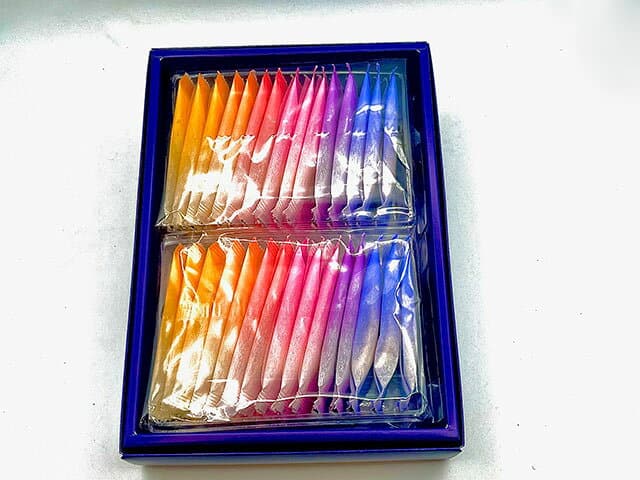
Soka Senbei Hitohira Assorted Rice Crackers
草加せんべい 草加煎餅ひとひら(30枚入)本場の製法で作った煎餅(せんべい)お菓子 せんべい 詰め合わせギフト 母の日 父の日 お中元 セット 個包装 ホワイトデー
30 pieces草加煎餅ほりゐ
4.4 / 32 reviews
Japanese name草加せんべい
In Saitama’s Soka area, uruchi rice, sun drying, hoiro drying, oshigawara baking, and soy sauce shape a rice cracker rooted in a former post town.
Information last updated yesterday
3 images草加せんべい 草加煎餅ひとひら(30枚入)本場の製法で作った煎餅(せんべい)お菓子 せんべい 詰め合わせギフト 母の日 父の日 お中元 セット 個包装 ホワイトデー
30 pieces草加煎餅ほりゐ
4.4 / 32 reviews
 3 images
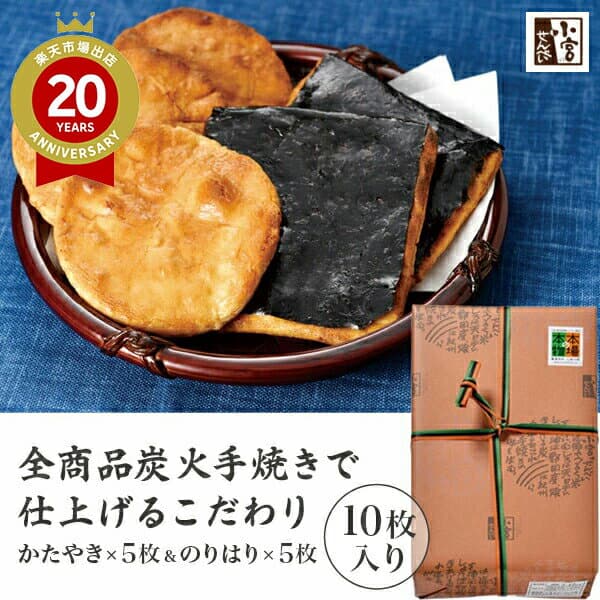
草加せんべい【埼玉 お土産】 小宮のせんべい|せんべい 煎餅 お煎餅 お菓子 埼玉土産 おみやげ お取り寄せ 手土産 贈り物 ギフト【p2】
10 pieces (katayaki x5, norihari x5)JTB 世界のおみやげ屋さん
5.0 / 8 reviews
 3 images
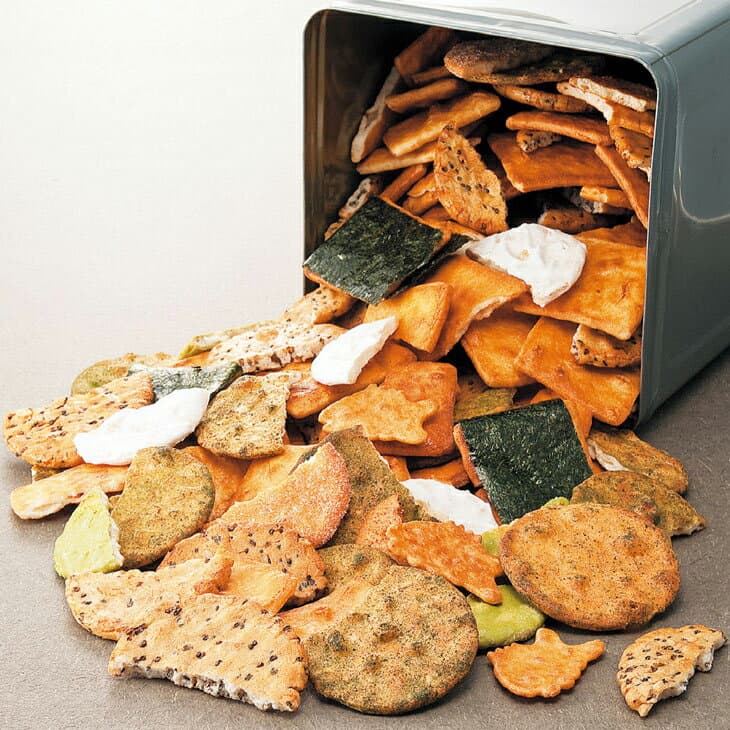
ほりゐ 訳あり 草加せんべい 1kg 詰め合わせ 割れせんべい お徳用 セット 老舗 80余年 百貨店品質 醤油 青海苔 胡麻 海苔 ザラメ 抹茶 白砂糖 7種 ミックス こわれ 煎餅 お菓子 和菓子 スイーツ おやつ 自宅用 簡易包装 大容量 国産米 埼玉 名産 特産品
1kg, 7-flavor broken mixライフケアーズ
4.0 / 28 reviews
 3 images
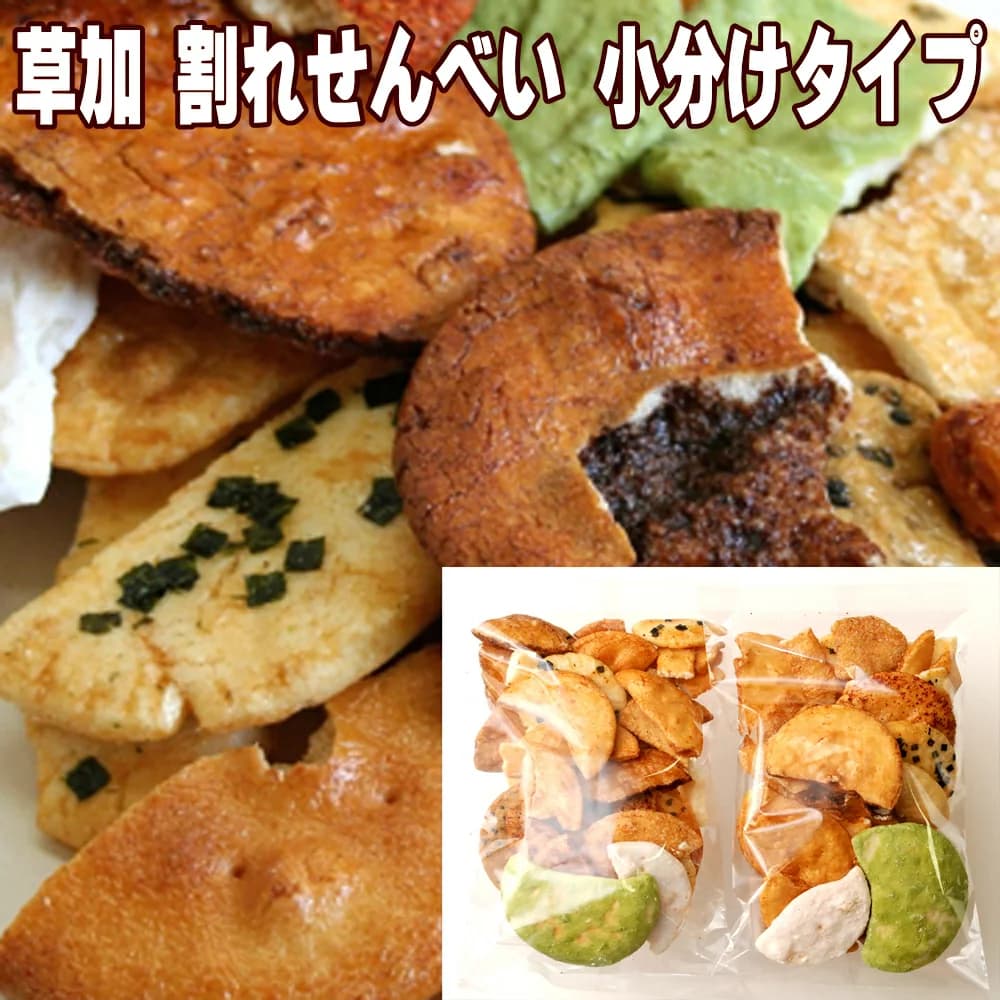
草加せんべい 割れせん 400g 食べやすい小分け 200g 2袋 煎餅 壊れせん 送料無料【RCP】|草加煎餅 訳あり せんべい われせん われせんべい 割れせんべい 訳あり こわれせんべい 割れ煎餅 おせんべい 訳あり お煎餅 ギフト せんべい おかき 食べ物 差し入れ おやつ
200g x 2 bags日本酒おつまみギフトのミツワ酒販
4.2 / 21 reviews
 3 images
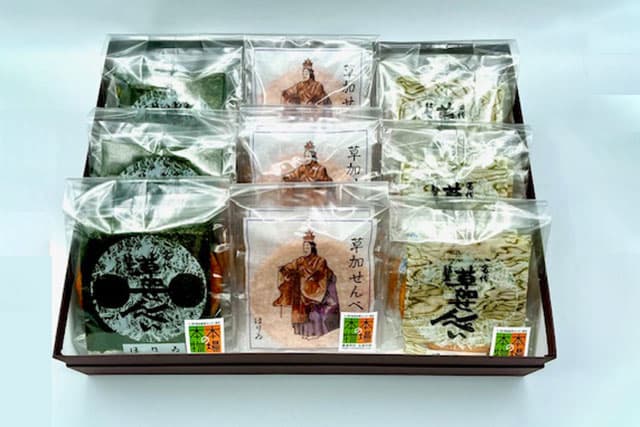
草加押焼煎餅 (27枚入)せんべい 煎餅 【楽ギフ_包装】 【楽ギフ_のし宛書】草加せんべい お菓子 せんべい 詰め合わせギフト 母の日 父の日 お中元 セット 個包装 ホワイトデー
27 pieces草加煎餅ほりゐ
4.6 / 27 reviews
 3 images
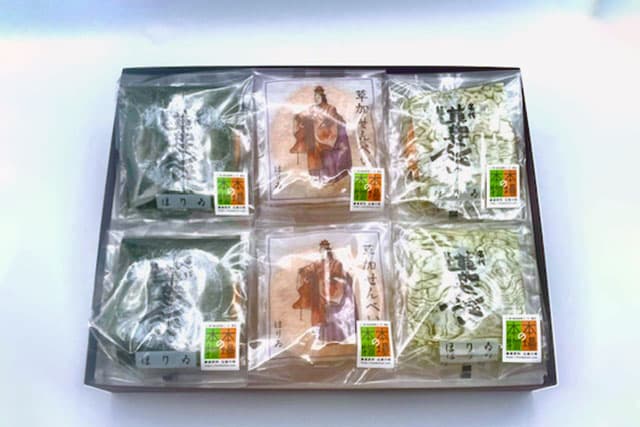
草加押焼煎餅 (18枚入)草加煎餅(草加せんべい)本場の製法で作られた煎餅(せんべい)お菓子 せんべい 詰め合わせギフト 母の日 父の日 お中元 セット 個包装 ホワイトデー
18 pieces草加煎餅ほりゐ
4.8 / 17 reviews
 3 images
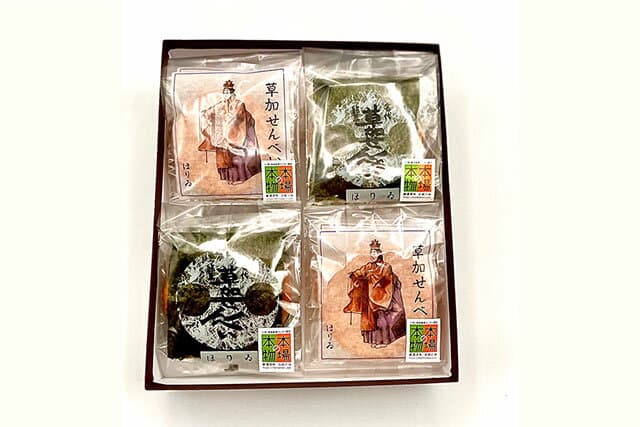
草加押焼煎餅 (12枚入)草加せんべい 草加煎餅伝統に培われた煎餅 (せんべい)お菓子 せんべい 詰め合わせギフト 母の日 父の日 お中元 セット 個包装 ホワイトデー
12 pieces草加煎餅ほりゐ
4.5 / 19 reviews
 3 images
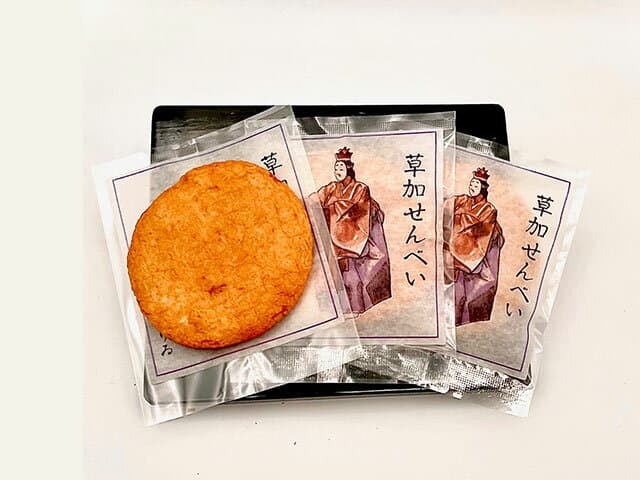
草加せんべい 草加押焼煎餅 醤油 3枚入本場の製法で作られた煎餅(せんべい)お菓子 せんべい 詰め合わせ 母の日 父の日 お中元 セット 個包装
soy sauce flavor, 3 pieces草加煎餅ほりゐ
4.9 / 8 reviews
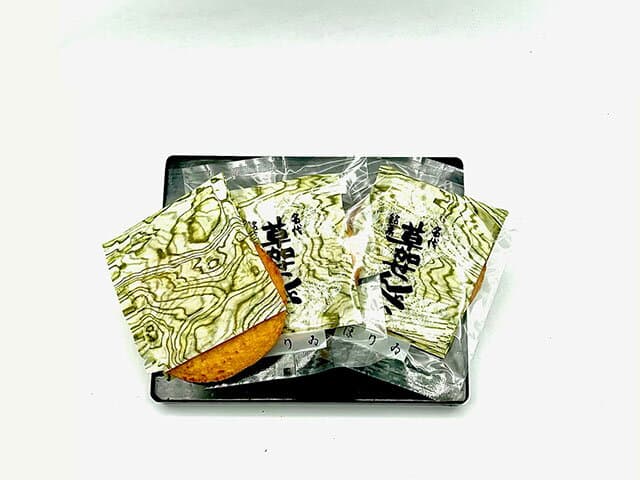 3 images
草加煎餅 草加せんべい草加押焼 煎餅 せんべい昆布巻 3枚入お菓子 せんべい 詰め合わせ母の日 父の日 お中元 セット 個包装
kombu-wrapped, 3 pieces草加煎餅ほりゐ
4.9 / 7 reviews
First time buying on Rakuten? How residents in Japan order →
All 9 listings of this product on Rakuten, lowest price first.
| Listing | Price | Shop | Reviews | Open listing |
|---|---|---|---|---|
Soka Oshi-yaki Senbei Rice Crackers soy sauce flavor, 3 piecesLowest priceGift-ready | ¥389 | 草加煎餅ほりゐ | 4.9 / 8 reviews | View on Rakuten → |
Soka Pressed Rice Crackers with Kombu kombu-wrapped, 3 piecesGift-ready | ¥421 | 草加煎餅ほりゐ | 4.9 / 7 reviews | View on Rakuten → |
Soka Senbei Hitohira Assorted Rice Crackers 30 piecesMost reviewedGift-ready | ¥1,080 | 草加煎餅ほりゐ | 4.4 / 32 reviews | View on Rakuten → |
Komiya Soka Senbei Rice Crackers 10 pieces (katayaki x5, norihari x5)Gift-ready | ¥1,674 | JTB 世界のおみやげ屋さん | 5.0 / 8 reviews | View on Rakuten → |
Soka Press-Grilled Senbei Rice Crackers 12 piecesGift-ready | ¥1,878 | 草加煎餅ほりゐ | 4.5 / 19 reviews | View on Rakuten → |
Soka Senbei Assorted Broken Rice Crackers 200g x 2 bagsGift-readyValue pick | ¥1,980 | 日本酒おつまみギフトのミツワ酒販 | 4.2 / 21 reviews | View on Rakuten → |
Soka Oshiyaki Senbei Assortment 18 piecesGift-ready | ¥2,793 | 草加煎餅ほりゐ | 4.8 / 17 reviews | View on Rakuten → |
Horii Imperfect Soka Senbei Rice Cracker Mix 1kg, 7-flavor broken mixValue pick | ¥2,950 | ライフケアーズ | 4.0 / 28 reviews | View on Rakuten → |
Soka Press-Baked Senbei Assortment 27 piecesGift-ready | ¥4,056 | 草加煎餅ほりゐ | 4.6 / 27 reviews | View on Rakuten → |
Japanese · new tab
Soka senbei belongs to Soka in Saitama, a city tied to the old Nikko Kaido route. Its background is made from practical things: rice and water in the area, access to soy sauce from nearby Noda, water transport toward Edo, and the habit of drying dumpling-shaped rice as preserved food before senbei became a shop food around Soka-juku. Its making is equally concrete: uruchi rice flour, hot water, steaming, stone-mortar pounding, cold-water soaking, sun drying, hoiro drying, oshigawara baking, and a final brush of soy sauce.
Soka’s place in the senbei map begins with the Nikko Kaido. After Soka-juku developed in the Edo period, tea shops and street sellers lined the post town, and rice once dried in dumpling form as preserved food came to be sold as senbei. The local character here has physical details: rice, water, roadside shops, and travelers moving through the same corridor.
The flavor changed over time. Early dough was seasoned with salt, while soy sauce began to be brushed onto baked senbei from the late Edo period as soy sauce spread more widely. Soka’s proximity to Noda soy sauce and water transport toward Edo gave the cracker both a route and a taste: portable rice finished with a dark, aromatic coating.
The process starts with uruchi rice flour. Hot water is added to good rice flour, and the mixture is worked into palm-sized kneaded balls before being steamed for about ninety minutes. In the workshop, the steaming stage is associated with the sweet aroma of freshly cooked rice, a reminder that the later crackle begins as soft, hot grain.
After steaming, the kneaded balls are pounded in a stone mortar, soaked in cold water for about an hour, kneaded again, and pounded once more so the dough becomes even, sticky, and firm. The dough is then rolled and cut, and round pieces are arranged on mats. Before a cracker reaches the fire, water, heat, stone, and hand judgment have already shaped its texture.
The cut dough is dried in the sun for two to three days. That waiting time matters because the dough must lose moisture before it can bake cleanly. After sun drying, a hoiro dryer warms the pieces until they are dry through the center.
Baking brings in specific tools. Metal-tipped chopsticks move the senbei over heat, while an oshigawara press helps shape it. Soy sauce is brushed on at the end. The hot, fresh senbei’s aroma and taste come from this linked sequence: sun, hoiro, fire, pressure, and soy sauce.
In the late Meiji period, the number of senbei makers increased, though many were not specialized senbei shops; they made crackers alongside general-goods businesses and other work. From the Taisho period onward, the name Soka senbei became more widely known, and senbei making developed as a local industry.
Wartime rice controls hit that industry hard. With rice difficult to obtain, many shops closed, while some makers continued under strict policing of black-market rice. After the war, rice deregulation helped production revive, and sales at stations and department stores brought Soka senbei back into public view. The continuity is concrete: rice supply, shop survival, technique, and places where people encountered the crackers again.
Soka still has manufacturing and sales shops connected with Soka senbei. Local shops differ in rice varieties, dough, and seasoning, so the same broad form of rice cracker can carry different edges of aroma, hardness, and soy-sauce finish. Those differences are easiest to understand through the process: how the rice flour is worked, how far the dough is dried, how the shape is managed over heat, and how the soy sauce completes it.
Soka also uses the character Paripori-kun in food-education projects and senbei promotion. Here, culture means visible practices in the city: workshops and shops, civic food education, and a repeatable path from uruchi rice flour to a soy-sauce-brushed cracker.
The Soka senbei name has also been given a formal boundary. For readers, the useful point is what that boundary points back to: a producer community around Soka, uruchi rice, hard baking with tools such as the oshigawara, and a local reputation built through shops and routes. The protected name is easier to understand through rice, people, tools, and place than through administrative phrasing.
Soka’s shared standard also turns the name back into materials and technique: good uruchi rice from the Kanto area, management by a craftsperson with at least ten years of experience, and firm baking using an oshigawara or a similar method. In this setting, name protection makes the limits of place, rice, skill, and baking visible.
Soka senbei is clearest when followed through its physical path: Soka-juku on the Nikko Kaido, rice and water, nearby Noda soy sauce, a steamer, a stone mortar, two to three days of sun, a hoiro dryer, an oshigawara press, and a final brush of soy sauce. Across preserved rice food, roadside sales, wartime rice controls, postwar station and department-store sales, and today’s local shops, the cracker keeps Soka’s place and process in one crisp bite.
Compiled from public records and official sources; see the recognition links below. Details may change over time.
Where this product is officially registered, designated, or recognized in Japan.
Regional collective trademark
Registered as a Regional Collective Trademark with the Japan Patent Office.
Sources1
It is written as 草加せんべい in Japanese. Search Rakuten and other Japanese sites with that spelling — the English name will not bring up the listings.
Soka senbei is a rice cracker from Soka City in Saitama, Japan, a former post town on the Nikko Kaido. Its background links local rice, water, nearby Noda soy sauce, and water transport toward Edo. Traditional preparation uses uruchi rice flour and hot water to form a dough, which is steamed, pounded, sun dried, baked, and finished with soy sauce.
Before senbei became a shop product around Soka-juku in the Edo period, local farmers dried dumpling-shaped leftover rice as a preserved food. The dough is steamed for about ninety minutes and then pounded in a stone mortar. After pounding, the dough is soaked in cold water for about an hour, then rolled, cut, and sun dried for two to three days before hoiro drying and oshigawara baking. Soy sauce began to be brushed onto baked senbei from the late Edo period as soy sauce use spread.
Freshly baked, still-warm senbei are noted for having especially strong taste and aroma. Soka City describes the product as a representative local specialty, with many manufacturing and sales shops in the city, making it a common local purchase or gift. Shops use different rice varieties, doughs, and seasonings, so tasting several can help a person find a preferred style.
Storage varies by product — shelf-stable, refrigerated, or frozen — and is stated on the packaging and the Rakuten listing. Shelf-stable processed foods usually need refrigerating once opened and eating within a few days; chilled and frozen items go straight into storage on arrival. Treat the best-before date on the physical packaging as authoritative.
Most options are shelf-stable, boxed, and travel well, so they suit gifting or bringing home. Confirm the final storage and delivery terms on the Rakuten listing.
On Rakuten: the shops listed here right now are 草加煎餅ほりゐ, JTB 世界のおみやげ屋さん, ライフケアーズ, 日本酒おつまみギフトのミツワ酒販. We don't sell directly; purchase, payment, stock, and delivery are all handled on the Rakuten product page.