 3 images
Smooth Echigo Strained Miso
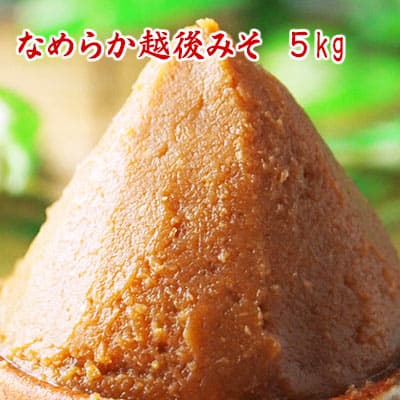
なめらか越後みそ 5kg 【送料無料】 スッキリとしたなめらかな辛口みそ まとめ買いの5kg 赤みそ 辛口みそ 麹みそ 漉しみそ 越後みそ 新潟みそ 新潟県産 食品 調味料 みそ 米みそ 【smtb-t】
5 kg生きてるみそ
5.0 / 2 reviews
Japanese name越後みそ
Miso, soy sauce & fermented seasonings overview
From Joetsu bowls dotted with floating rice-koji husks to Sado barrels with deeper red aroma, Echigo miso ties Niigata rice, soybeans, moderate cold, castle towns, and farmhouse brewing into one local food.
Information last updated 120 days ago
3 imagesなめらか越後みそ 5kg 【送料無料】 スッキリとしたなめらかな辛口みそ まとめ買いの5kg 赤みそ 辛口みそ 麹みそ 漉しみそ 越後みそ 新潟みそ 新潟県産 食品 調味料 みそ 米みそ 【smtb-t】
5 kg生きてるみそ
5.0 / 2 reviews
 3 images
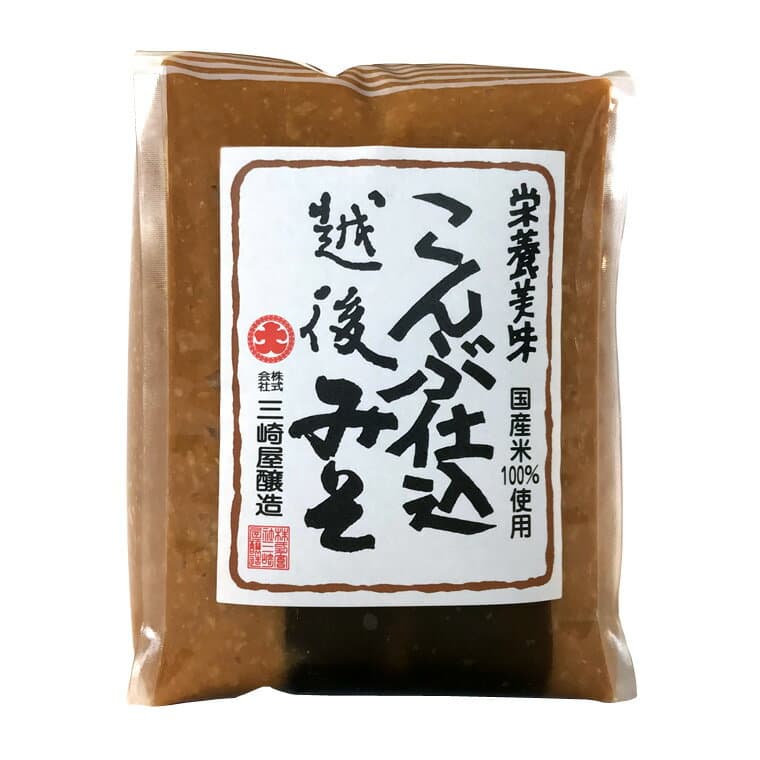
こんぶ仕込 越後みそ(1kg)
1 kg米屋おおくら楽天市場店
5.0 / 1 reviews
First time buying on Rakuten? How residents in Japan order →
Echigo miso is rooted in Niigata, where Joetsu, Chuetsu, Kaetsu, and Sado give one name several textures and aromas. A bowl can show pale-red miso with rice-koji husks floating on top, while Sado barrels can bring a darker red profile with stronger aging aroma. The clearest anchors are rice, soybeans, rice koji, and the moderate cold from winter into early spring.
Niigata is often read through four broad areas: Joetsu centered on Joetsu City, Chuetsu centered on Nagaoka, Kaetsu centered on Niigata City, and Sado. Joetsu-style Echigo miso is known for floating koji in miso soup; Chuetsu and Kaetsu balance soybean depth with the natural sweetness of rice koji; Sado-style miso is fermented and aged deeply through the barrel, giving a heavier aroma and darker red character. The family holds those differences without losing its Niigata frame.
Niigata has abundant rice and soybeans, winter snowfall with moderate cold, and summers that do not become excessively hot; those conditions suited fermented foods such as miso, soy sauce, natto, and sake. In Echigo miso, careful rice-koji making is central, and soybean koji was also used because soybeans were plentiful. From winter into early spring, slow fermentation lets sweetness from rice and depth from beans build gradually.
The half-boiled, half-steamed method gives the soybean step a clear purpose. Boiling and steaming are combined to keep an appealing color while retaining soybean flavor that can be lost through long boiling. The finished paste is smooth and releases cleanly from the rice paddle, keeping the material work visible in the way the miso handles.
In Joetsu-style miso soup, floating koji makes the rice visible in the bowl. The sweetness inside the rice koji dissolves into the broth, and the remaining bag-like husks rest softly on the surface like falling snow. The miso is pale red, with a fresh aroma and a clean taste, so the bowl shows both the grain and the fermentation that shaped it.
The continuity around Echigo miso is attached to place names. Castle towns such as Murakami, Shibata, Muramatsu, Nagaoka, and Takada were linked with older miso businesses that developed under castle-lord protection; farmhouse self-brewing spread from those settings and became part of the base for today’s Echigo miso. In Nagaoka, Settaya adds another concrete landscape: a brewing district where makers cluster along the townscape.
Echigo miso also lives in ordinary eating. Raw miso spread on onigiri was a familiar snack for children, a use that keeps the paste close to rice even after fermentation is finished. Miso soup lets the regional differences reappear each day: Joetsu’s floating koji, Chuetsu and Kaetsu’s bean-and-rice balance, and Sado’s deeper red weight.
The shape of Echigo miso is easiest to follow through concrete details: Niigata rice and soybeans, winter-to-spring cold, half-boiled and half-steamed soybeans, floating koji on soup, and raw miso on rice balls. Together they place Joetsu, Chuetsu, Kaetsu, and Sado inside one name while keeping the bowl tied to everyday Niigata food.
Compiled from public records and official sources; see the recognition links below. Details may change over time.
Where this product is officially registered, designated, or recognized in Japan.
Regional collective trademark
Registered as a Regional Collective Trademark with the Japan Patent Office.
Sources1
It is written as 越後みそ in Japanese. Search Rakuten and other Japanese sites with that spelling — the English name will not bring up the listings.
Echigo miso is a Niigata miso family shaped by four areas: Joetsu shows floating koji in miso soup, Chuetsu and Kaetsu balance soybean depth with rice-koji sweetness, and Sado brings deeper red aroma through barrel aging. Rice, soybeans, rice koji, soybean koji, moderate cold from winter into early spring, and the half-boiled, half-steamed soybean method shape its flavor. Castle towns, farmhouse brewing, Nagaoka's Settaya district, and miso onigiri connect it to everyday food life.
Joetsu-style floating koji forms after rice-koji sweetness dissolves, leaving koji husks on the surface of miso soup. Sado-style Echigo miso gets its darker red color and heavier flavor from deep fermentation and aging through the barrel. The half-boiled, half-steamed soybean method aims to balance appealing color with retained soybean flavor. Echigo miso is tied to castle towns including Murakami, Shibata, Muramatsu, Nagaoka, and Takada, along with farmhouse self-brewing traditions.
Joetsu-style Echigo miso is used in miso soup, where koji husks float on the surface after the rice-koji sweetness dissolves. Raw miso spread on onigiri is a familiar children's snack. Makers in Settaya mention using miso in dishes such as shijimi clam miso soup, nameko mushroom miso soup, and winter cod lees soup (tara-kasujiru).
Storage varies by product — shelf-stable, refrigerated, or frozen — and is stated on the packaging and the Rakuten listing. Shelf-stable processed foods usually need refrigerating once opened and eating within a few days; chilled and frozen items go straight into storage on arrival. Treat the best-before date on the physical packaging as authoritative.
Most options are shelf-stable, boxed, and travel well, so they suit gifting or bringing home. Confirm the final storage and delivery terms on the Rakuten listing.
On Rakuten: the shops listed here right now are 生きてるみそ, 米屋おおくら楽天市場店. We don't sell directly; purchase, payment, stock, and delivery are all handled on the Rakuten product page.