 3 images
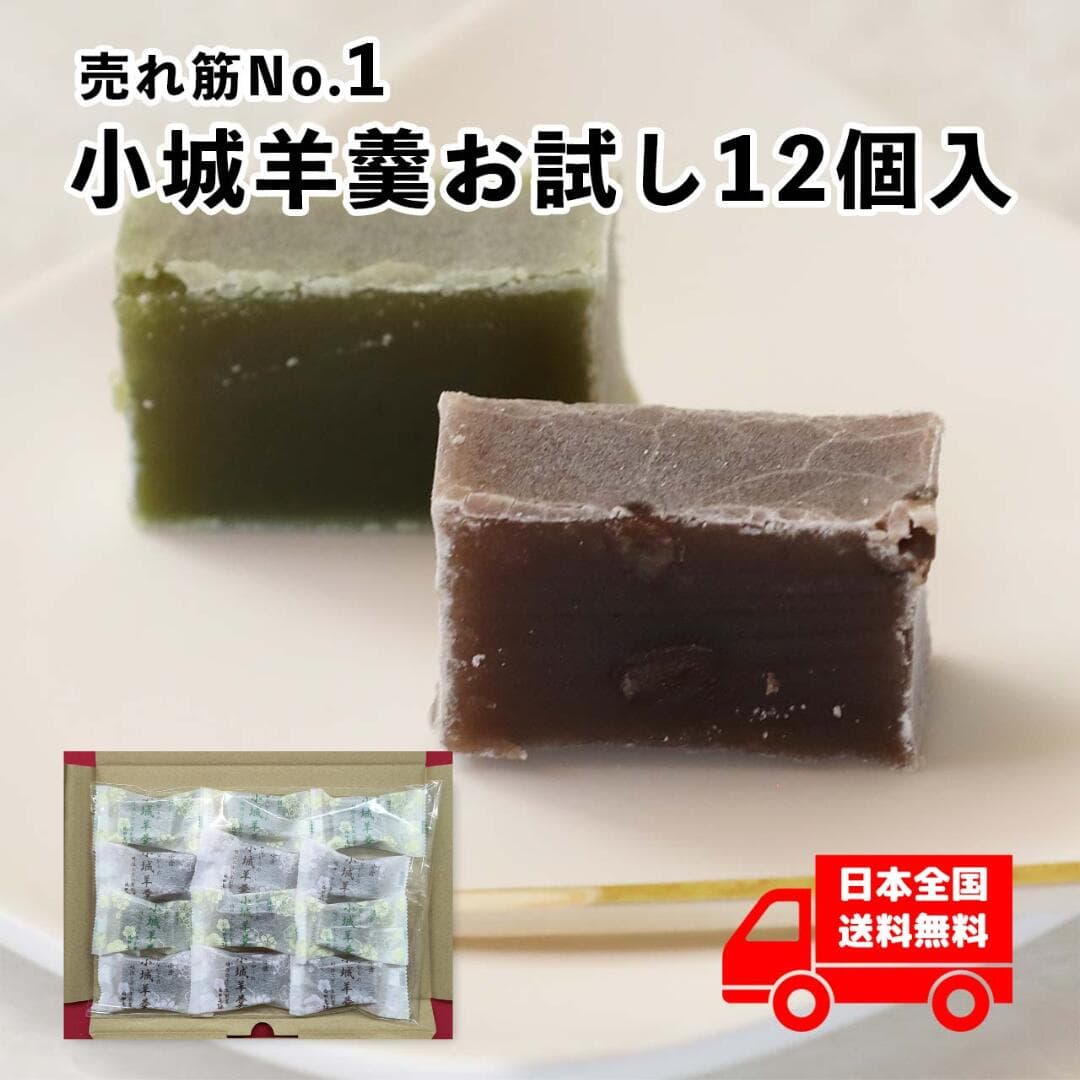
Hard-Surface Ogi Yokan Trial Set
表面が固い 小城羊羹 お試し12個入り【メール便送料無料】※表面が固いタイプ(お配り物 おためし 抹茶 小倉 おぐら お土産 父の日 母の日 誕生日 プレゼント 敬老の日 当店オススメ 和菓子ランキング1位獲得 )
12 pieces (6 matcha, 6 ogura)小城羊羹の山田老舗楽天市場店
4.8 / 582 reviews
Japanese name小城羊羹
In Ogi, a Saga city of about 50,000 people, more than 20 yokan shops keep a local sweet tied to the Nagasaki Kaido, clear water, beans, and a crisp cut surface.
Information last updated 120 days ago
3 images表面が固い 小城羊羹 お試し12個入り【メール便送料無料】※表面が固いタイプ(お配り物 おためし 抹茶 小倉 おぐら お土産 父の日 母の日 誕生日 プレゼント 敬老の日 当店オススメ 和菓子ランキング1位獲得 )
12 pieces (6 matcha, 6 ogura)小城羊羹の山田老舗楽天市場店
4.8 / 582 reviews
 3 images
表面が固い小城羊羹 8個入×6袋(九州銘菓 お取り寄せ 佐賀 お茶請け プチギフト 和菓子 お土産 スイーツ 義理 バレンタイン ホワイトデー 父の日 母の日 お盆 名物 お試し お花見 旅のお供 ポイント消化)
8 pieces x 6 bags小城羊羹の山田老舗楽天市場店
4.8 / 153 reviews
 3 images
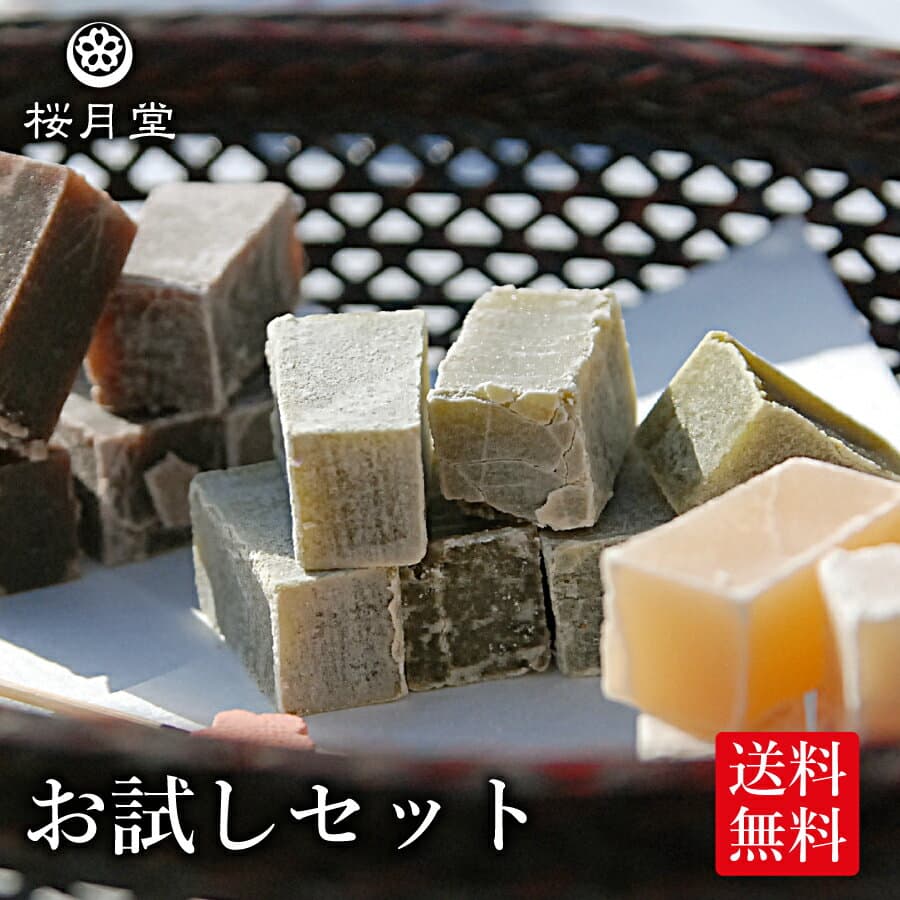
お取り寄せ お取り寄せグルメ お返し 送料込み まわりが固い 小城羊羹・こつぶたちようかん 煉 茶 白 3色こつぶたちようかん お試し セット お土産 ギフト
100g x 4 pieces, neri, matcha, white, and tri-color桜マークのようかん屋さん
4.5 / 352 reviews
First time buying on Rakuten? How residents in Japan order →
Ogi City in Saga has about 50,000 residents and more than 20 yokan shops. Ogi yokan belongs to that compact urban setting, while its background also follows the Nagasaki Kaido, where sugar unloaded at Dejima moved through Saga toward Kokura. Clean water from the Gion and Kiyomizu river system, nearby bean production, and a castle-town tea setting gave the sweet a practical base. Its best-known texture comes from cut yokan, with a firm sugared outside and a moist center.
Ogi yokan begins with the scale of the city. Ogi has about 50,000 residents, and local accounts describe more than 20 yokan shops there. The Ogi Yokan Cooperative is based in Ogi-machi, and its members are listed as makers and sellers of Ogi yokan. Those details make the name feel like a working food community in a specific part of Saga.
When the word tradition is useful here, it means something concrete: a small city, a cluster of yokan shops, and a cooperative of makers who continue to work under the Ogi yokan name. The sweet carries Ogi in its name because the city, the shops, and the maker community remain visible around it.
The background of Ogi yokan follows the Nagasaki Kaido. During the Edo period, sugar unloaded at Dejima in Nagasaki moved along the road through Saga toward Kokura, and onward to major consuming centers such as Kyoto, Osaka, and Edo. Towns along the road had easier access to sugar and confectionery techniques, and Ogi became one place where yokan took hold.
The route was known as the Sugar Road, a name that points to real geography: Nagasaki, Saga, Kokura, and the towns where sugar and sweet-making skills circulated. For Ogi yokan, that history rests on the movement of sugar and technique through a road network.
Ogi also had material conditions suited to yokan. The Gion River is fed by the Kiyomizu River system, and Kiyomizu River is named among Japan's noted waters. Nearby Fuji was known for producing large quantities of adzuki beans, with other beans also part of the wider raw-material setting. Sugar, water, and beans formed a practical base for a sweet that depends on kneaded paste and a clean finish.
The former castle town also had Zen and tea-practice settings in which yokan could sit naturally beside a bowl of tea. In this case, local culture means a usable arrangement: clean water for the texture, beans for the paste, and small portions of yokan served with tea in a town where such practice had a place.
The clearest texture of Ogi yokan comes from cut yokan. Many shops still keep an old-style method known as mukashi yokan or tachi yokan: kneaded yokan is set, cut to size, and left with an outside that becomes firm and crisp with sugar while the inside stays moist. The texture comes from the cut surface and sugar crystallization.
This is where the craft becomes easy to understand by touch. The yokan is kneaded, set, and cut; the outer layer gains a crisp sugared bite, and the center remains soft. Ogi's continued use of this cut-yokan style gives the family one of its most concrete identifiers.
Ogi yokan also belongs to local movement. Visitors to Kiyomizu Kannon are described as eating carp dishes and taking yokan home as a souvenir. The scene is specific: a visit, a meal, and a long-keeping sweet carried back for tea or sharing.
Its keeping quality mattered beyond sightseeing. Local accounts connect Ogi yokan with demand as a portable preserved food around the 1894-1895 war period, after which producers increased; by the Taisho period, the number had reached 29. Portability and shelf life helped the sweet move beyond immediate eating while staying tied to Ogi.
Today's Ogi yokan is still held by a maker community. The Ogi Yokan Cooperative is located in Ogi-machi, Ogi City, and the listing describes its members' business as Ogi yokan manufacturing and sales, with 22 members recorded there. That places the family in a present-day network as well as a historical setting.
Ogi yokan has also been placed within the Japan Heritage context of Nagasaki Kaido sugar culture. For a reader, the useful meaning is plain: Ogi, the road, sugar, and local confectioners are connected. What remains most immediate is the crisp sugared edge, the moist bean center, and the cluster of makers still working in Ogi-machi.
Ogi yokan is easiest to understand through its cut surface and its map. The surface gives a firm sugared bite and a moist center; the map gives Ogi's small city, the Nagasaki Kaido, the Gion and Kiyomizu waters, nearby beans, tea use, Kiyomizu Kannon visits, and the cooperative of local makers. In one slice of yokan, the place and the process meet cleanly.
Compiled from public records and official sources; see the recognition links below. Details may change over time.
Where this product is officially registered, designated, or recognized in Japan.
Regional collective trademark
Registered as a Regional Collective Trademark with the Japan Patent Office.
Sources1
It is written as 小城羊羹 in Japanese. Search Rakuten and other Japanese sites with that spelling — the English name will not bring up the listings.
Ogi yokan is a regional yokan family centered in Ogi City, Saga, a city of about 50,000 people with more than 20 yokan shops. Its background connects to sugar moving along the Nagasaki Kaido, clean water from the Gion and Kiyomizu river system, nearby bean production, and tea use in the former castle town. Many shops keep a cut-yokan method that gives a crisp sugared outside and a moist center.
Sugar unloaded at Dejima in Nagasaki moved along the Nagasaki Kaido through Saga toward Kokura, giving roadside towns access to sugar and confectionery techniques. Ogi yokan's material background includes clean water from the Gion and Kiyomizu river system and nearby adzuki bean production around Fuji. Cut yokan in Ogi is set and then cut, leaving a sugared exterior that becomes firm and crisp while the inside stays moist. The Ogi Yokan Cooperative is located in Ogi-machi, Ogi City, and its members are listed as Ogi yokan manufacturers and sellers.
Ogi yokan is often served with tea, since the former castle town's Zen and tea-culture foundations helped the sweet become accepted. Visitors to Kiyomizu Kannon would eat carp dishes and buy yokan as a souvenir, a pattern that became established locally. Because it kept well, yokan was also used as a portable, preserved food, including by the military.
Storage varies by product — shelf-stable, refrigerated, or frozen — and is stated on the packaging and the Rakuten listing. Shelf-stable processed foods usually need refrigerating once opened and eating within a few days; chilled and frozen items go straight into storage on arrival. Treat the best-before date on the physical packaging as authoritative.
Most options are shelf-stable, boxed, and travel well, so they suit gifting or bringing home. Confirm the final storage and delivery terms on the Rakuten listing.
On Rakuten: the shops listed here right now are 小城羊羹の山田老舗楽天市場店, 桜マークのようかん屋さん. We don't sell directly; purchase, payment, stock, and delivery are all handled on the Rakuten product page.