 3 images
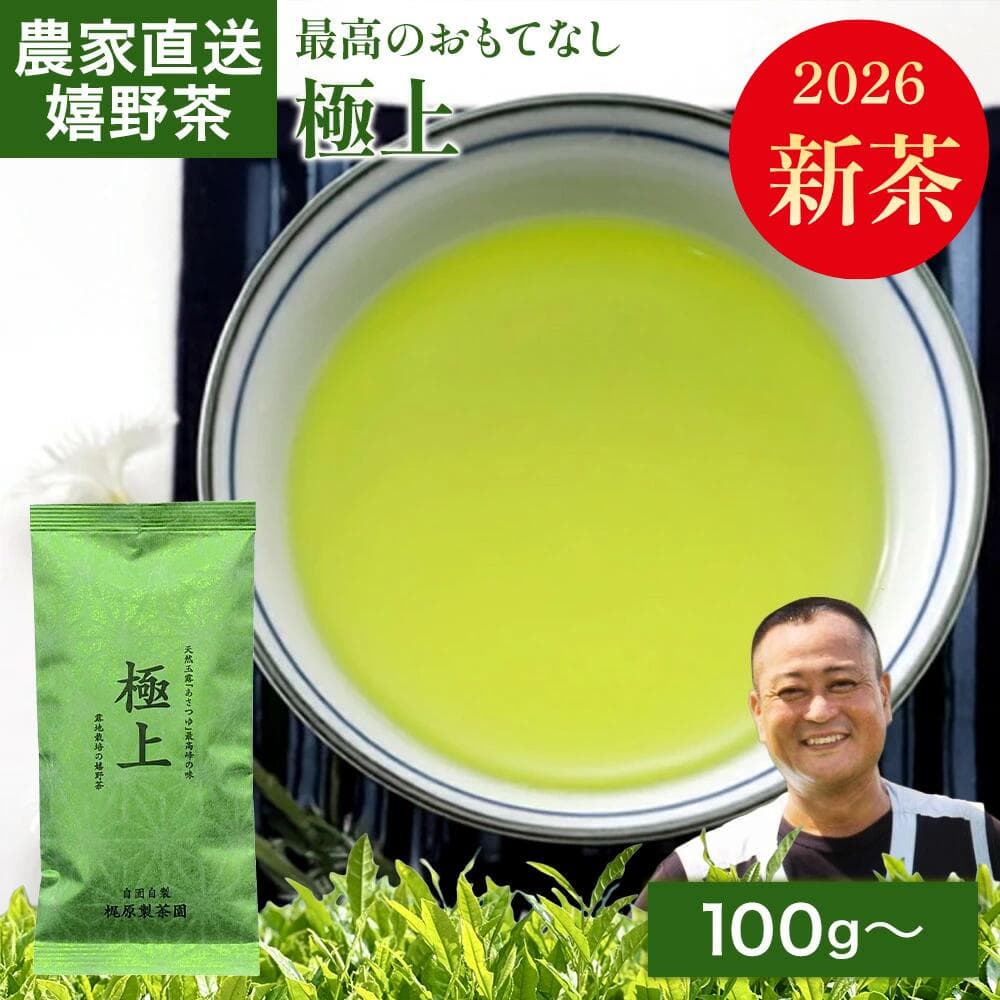
Kajiwara Tea Garden 2026 Shincha Premium Ureshino Green Tea
2026新茶 極上嬉野茶 100g 送料無料 極上緑茶 お茶 日本茶 緑茶 煎茶 茶葉 玉緑茶 ぐり茶 九州 佐賀県産 うれしの茶 梶原製茶園 昔懐かし味 濃厚な旨味 香り ギフト プレゼント 母の日 父の日 御祝 内祝
100g茶農家 梶原製茶園
4.5 / 8 reviews
Japanese nameうれしの茶
In southwestern Saga, Ureshino tea follows mountain fog, slow-opening tamaryokucha leaves, steamed new shoots, and the clean aroma of pan-fired tea.
Information last updated yesterday
3 images2026新茶 極上嬉野茶 100g 送料無料 極上緑茶 お茶 日本茶 緑茶 煎茶 茶葉 玉緑茶 ぐり茶 九州 佐賀県産 うれしの茶 梶原製茶園 昔懐かし味 濃厚な旨味 香り ギフト プレゼント 母の日 父の日 御祝 内祝
100g茶農家 梶原製茶園
4.5 / 8 reviews
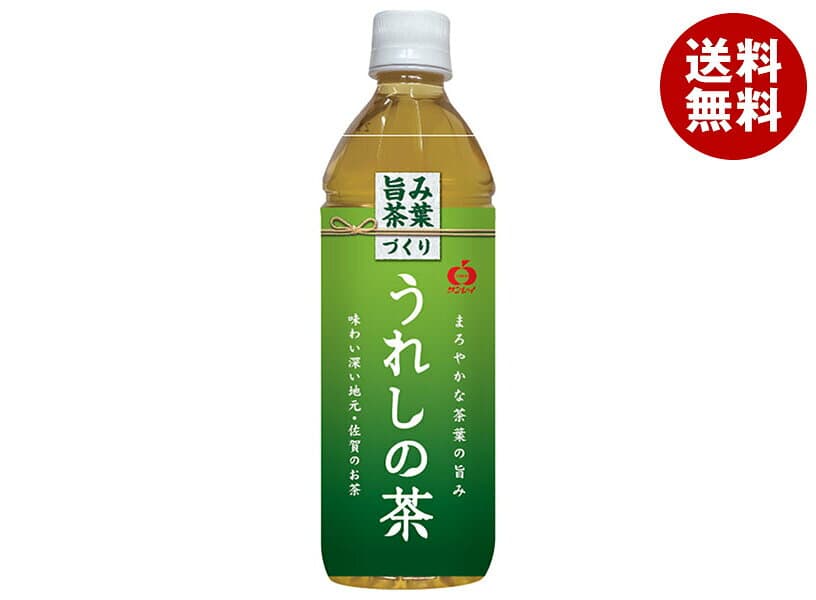
[ポイント5倍!5/27(水)1時59分まで全品対象エントリー&購入]JAビバレッジ佐賀 うれしの茶 500mlPET×24本入| 送料無料 茶飲料 緑茶 PET
500ml PET x 24 bottlesMISONOYA楽天市場店
5.0 / 1 reviews
 3 images
緑茶 茶葉 佐賀県嬉野市産『新茶』『嬉野茶』 ほまれ 100g袋入り 日本茶 美味しいお茶 うれしの茶 お試し 贈答にも人気です
100g bagお茶の末崎園 楽天市場店
5.0 / 1 reviews
 3 images
2026新茶 嬉野茶 わかみどり(100g×5) 農家直送 お茶 日本茶 緑茶 煎茶 茶葉 玉緑茶 ぐり茶 九州 うれしの茶 すぐに出るお茶 何煎も飲める 力強い緑茶 佐賀県産 春摘み 一番茶 100% 熱湯で美味しい お茶の葉 お茶っ葉 普段使い
100g x 5 packs茶農家 梶原製茶園
4.5 / 104 reviews
 3 images
【メール便送料無料】佐賀県嬉野市産 『嬉野茶』 ほまれ 100g袋入り×3袋セット 日本茶 美味しいお茶 うれしの茶 お試し 贈答にも人気です 煎茶 緑茶 茶葉
100g x 3 bagsお茶の末崎園 楽天市場店
4.7 / 19 reviews
First time buying on Rakuten? How residents in Japan order →
All 5 listings of this product on Rakuten, lowest price first.
| Listing | Price | Shop | Reviews | Open listing |
|---|---|---|---|---|
Saga Ureshino Homare Shincha Green Tea Leaves 100g bagLowest priceGift-readySmall size to try | ¥1,404 | お茶の末崎園 楽天市場店 | 5.0 / 1 reviews | View on Rakuten → |
Kajiwara Tea Garden 2026 Shincha Premium Ureshino Green Tea 100gGift-ready | ¥2,700 | 茶農家 梶原製茶園 | 4.5 / 8 reviews | View on Rakuten → |
JA Beverage Saga Ureshino Tea Green Tea 500ml PET x 24 bottles | ¥3,900 | MISONOYA楽天市場店 | 5.0 / 1 reviews | View on Rakuten → |
Saga Ureshinocha Homare Green Tea 100g x 3 bagsGift-readySmall size to try | ¥4,050 | お茶の末崎園 楽天市場店 | 4.7 / 19 reviews | View on Rakuten → |
Ureshino Tea Wakamidori 2026 First Flush Green Tea 100g x 5 packsMost reviewed | ¥4,212 | 茶農家 梶原製茶園 | 4.5 / 104 reviews | View on Rakuten → |
Japanese · new tab
Ureshino-cha begins with Ureshino City in southwestern Saga Prefecture. Tea fields sit on gentle mountain terrain, where deep fog, sunlight, and day-night temperature shifts shape tender shoots; local descriptions also point to clear streams, clean air, and rich land around the basin. In the teapot, its rounded tamaryokucha leaves open slowly, letting sweetness, umami, and aroma change from one infusion to the next.
Ureshino City is the main growing area for this tea in southwestern Saga, with fields spread across gentle mountain country. Spring shoots grow under fog, sunlight, and temperature swings between day and night, so the landscape appears directly in the cup: steamed tamaryokucha brings a deep green, mellow impression, while pan-fired tea is described with a clearer golden liquor and a lifted pan aroma. The local character here means concrete conditions: basin fog, mountain tea bushes, streams, air, soil, and repeated work in the fields.
The shared Ureshino-cha name is used for finished tea made with raw tea produced in Saga or Nagasaki; tea made with a lower share of that regional raw tea is labeled as a blend. That boundary keeps the cup tied to place in plain terms: Saga and Nagasaki raw tea, processing after harvest, and the Ureshino area that gives the tea its familiar name.
Ureshino-cha is often remembered through the rounded, curled shape of tamaryokucha. In a kyusu, the leaves open gradually and release umami while the taste and aroma shift across several pours. This quality is grounded in simple objects and actions: curled leaves, hot water, a teapot, and the pauses between infusions that let sweetness and fragrance come forward in layers.
Steamed tamaryokucha starts with tender new shoots that are steamed, kneaded, and dried, creating rounded glossy leaves and forming the main style of Ureshino-cha. Pan-fired tea heats fresh leaves in a pan or over direct heat; its leaves may look rounded or crescent-shaped, with roasted aroma and a clean finish. The tea’s tradition becomes tangible through those steps: steam, kneading, drying, the pan, heat, and the movement of leaves as they are made.
The early line of Ureshino tea reaches Fudoyama Sarayadani. In the fifteenth century, settlers connected with pottery lived there and grew tea for household use; later, the Ming-era figure Hong Lingmin brought pan-firing methods. Around 1650, Yoshimura Shinbei opened mountain land in the Fudoyama area, sowed tea seed, improved the Nanjing pan method, and helped spread tea work nearby. A large tea tree at Fudoyama Sarayadani is associated with that planting line, is estimated at more than 350 years old, and became a national natural monument in Taisho 15.
Water temperature changes what Ureshino tea emphasizes. Around 60 to 70 C, a slow infusion draws out sweetness and umami; cold water and ice brewing can extend those softer qualities. At about 80 to 90 C, aroma and body become more pronounced, and pan-fired tea especially suits hotter water because it brings out the pan aroma and clean finish.
Ureshino also has places where the tea moves from mountain fields into learning rooms. Ureshino Tea Exchange Hall ChaoShil presents the history and making of Ureshino-cha, along with brewing classes and tea-dyeing experiences. Kin Sarankaan has rough-tea processing, finishing, and training rooms, and visits can include observation of steamed tamaryokucha and pan-fired tea processing by reservation. From 2023 to 2025, Ureshino-cha also gained attention in national tea judging through production-area honors and top results in steamed tamaryokucha and pan-fired tea divisions.
A cup of Ureshino-cha gathers several concrete scenes: misty slopes in southwestern Saga, the early tea fields of Fudoyama Sarayadani, rounded leaves opening in a kyusu, and the aromas left by steam or pan heat. Cooler water draws sweetness and umami; hotter water lifts the pan-fired fragrance. Across field, factory, and teapot, the tea continues through local growing conditions, making methods, and the daily work of the tea community.
Compiled from public records and official sources; see the recognition links below. Details may change over time.
Where this product is officially registered, designated, or recognized in Japan.
Regional collective trademark
Registered as a Regional Collective Trademark with the Japan Patent Office.
Sources1
It is written as うれしの茶 in Japanese. Search Rakuten and other Japanese sites with that spelling — the English name will not bring up the listings.
Ureshino tea is a Japanese tea closely tied to Ureshino City in southwestern Saga Prefecture, known for rounded tamaryokucha leaves, steamed tamaryokucha, and pan-fired tea. Mountain fog, sunlight, day-night temperature shifts, streams, air, and soil frame the growing place.
Steamed tamaryokucha is made by steaming tender new shoots, then kneading and drying them, and is described as the main Ureshino-cha style. Pan-fired tea is made by heating fresh leaves in a pan or over direct heat, producing roasted aroma and a clean finish. Fudoyama Sarayadani, Hong Lingmin, and Yoshimura Shinbei are concrete place and person anchors in Ureshino tea history. The regional tea association describes steamed tamaryokucha as combining pan-fired hand-rubbed tea and sencha, and distinguishes pan-fired tea, steamed tamaryokucha, and pan-fired matcha.
Rounded, curled leaves open slowly in a kyusu while extracting umami, and the tea suits drinking across multiple infusions as taste, aroma, and umami shift. Brewing at 60 to 70 C emphasizes sweetness and umami; water brewing or ice brewing can bring those qualities out further. Water at 80 to 90 C emphasizes aroma and body, and pan-fired tea is well suited to high-temperature brewing.
Water temperature varies a lot by type of Japanese tea: roughly 50–60°C for gyokuro, 70–80°C for sencha, and near-boiling 90–100°C for hojicha (including roasted stem tea), bancha, and genmaicha, steeped for about 30 seconds to a minute. A common ratio is about 3g of leaf per 150ml of water. Follow the instructions on the packaging where they differ.
Tea leaves are damaged by light, humidity, and absorbed odours. Once opened, keep them sealed and away from light at room temperature and drink them within a few weeks. If you refrigerate them, let the container return to room temperature before opening so condensation doesn't get in.
Most options are shelf-stable, boxed, and travel well, so they suit gifting or bringing home. Confirm the final storage and delivery terms on the Rakuten listing.
On Rakuten: the shops listed here right now are 茶農家 梶原製茶園, MISONOYA楽天市場店, お茶の末崎園 楽天市場店. We don't sell directly; purchase, payment, stock, and delivery are all handled on the Rakuten product page.