 2 images
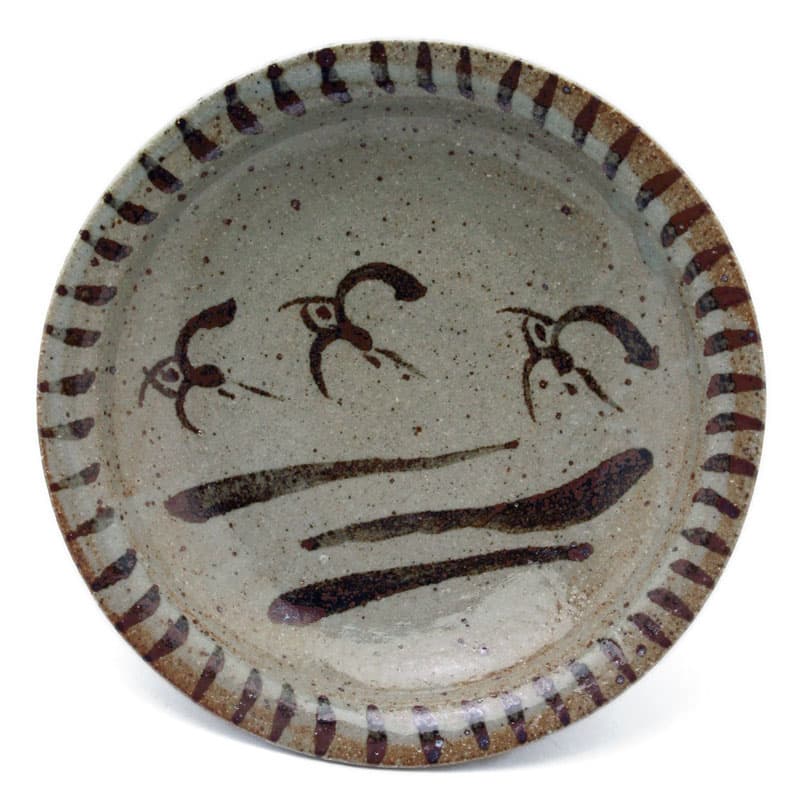
Karatsu Ware E-Karatsu Medium Plate by Keiko Nakamura
唐津焼:絵唐津五寸五分皿・鳥文・中村恵子《中皿・16.5cm》
bird motif, 16.5 cm和食器の愉しみ 工芸店ようび
5.0 / 2 reviews
Japanese name唐津焼
Karatsu ware grows out of the Karatsu area of Saga, where coarse clay, iron painting, straw-ash glaze, and ash glaze shape tea bowls, plates, and guinomi for use by hand and at the table.
Information last updated 119 days ago
2 images唐津焼:絵唐津五寸五分皿・鳥文・中村恵子《中皿・16.5cm》
bird motif, 16.5 cm和食器の愉しみ 工芸店ようび
5.0 / 2 reviews
 3 images
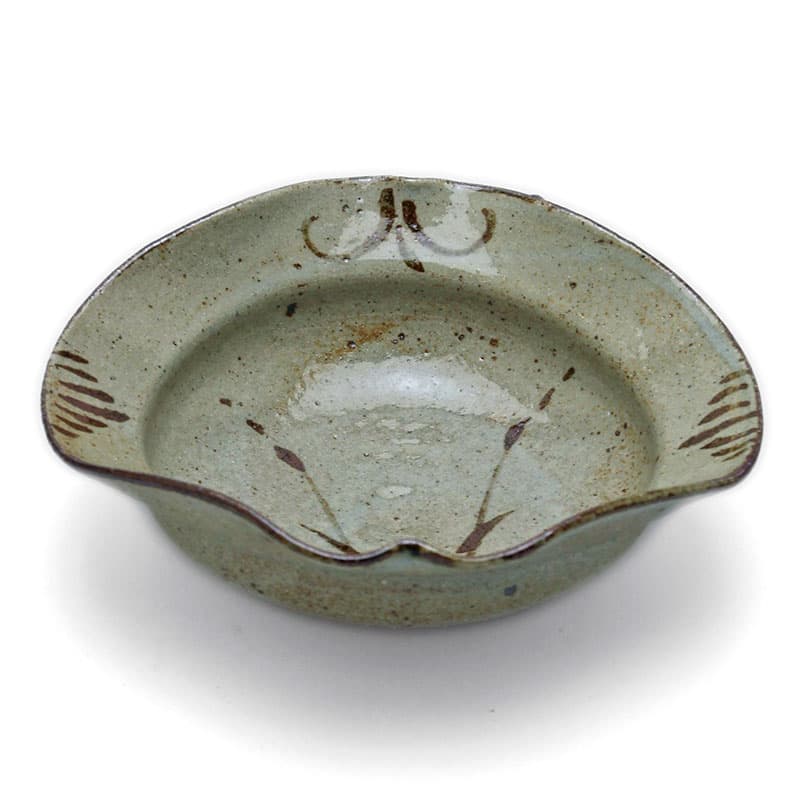
唐津焼:絵唐津二方寄皿・中村恵子《中鉢・17.0cm》
medium bowl, 17.0cm和食器の愉しみ 工芸店ようび
5.0 / 1 reviews
First time buying on Rakuten? How residents in Japan order →
Karatsu ware is rooted in the Karatsu area of Saga Prefecture, with its beginnings often placed around the 1580s near Kishidake Castle. Its vessels are made as rough-clay earthenware, then given surfaces through iron painting, cloudy straw-ash glaze, iron-rich glaze, ash glaze, slip, and firing. Tea bowls connect the ware to chanoyu, while plates and sake cups carry the same clay into daily use. From Karatsu Port, the name traveled toward Kyoto, Osaka, and wider western Japan; in Karatsu City today, about 70 kilns continue the work.
The Karatsu ware tradition is closely tied to the Karatsu area of Saga, and one account places its beginning around the 1580s in territory associated with the Hata clan of Kishidake Castle. A grey-glazed carved tea bowl in the Saga Prefectural Kyushu Ceramic Museum gives that early setting a concrete form: it is listed as made in Hizen Kishidake around 1580 to 1600 and is associated with the Iidōgame kiln in Kitahata, Karatsu City. The bowl has feldspathic glaze and carved decoration on the body, and it was made for chanoyu. Through one vessel, Kishidake, Kitahata, glaze, carving, and tea practice meet in the same object.
Karatsu ware is described as earthenware, a clay-based ceramic often called tsuchimono. The coarse clay gives bowls and other vessels a plain, sturdy presence rather than a polished porcelain smoothness. Although Karatsu developed as tea ceramics, it also includes utensils for daily life. Food placed on a plate or tea poured into a bowl completes the vessel in use, and recent use also includes sake cups known as guinomi. The material identity of Karatsu is therefore felt in touch, serving, drinking, and repeated handling.
Karatsu surfaces are built from specific materials and firing methods. E-Karatsu uses an iron solution called onita to paint motifs such as plants, flowers, and birds before glazing and firing. Madara-Karatsu uses a cloudy straw-ash glaze; iron in the clay body and pine ash from the fuel can melt out and create blue or black spots. Kuro-Karatsu uses an iron-rich glaze whose color can range from amber and brown to deep black, while Chosen-Karatsu brings iron glaze and ash glaze together at high temperature. Mishima-style pieces use impressed or incised patterns with slip and glaze, and Kohiki covers a brown body with white slip before ash-glaze firing.
Karatsu ware has long been valued in tea practice, where the phrase “Ichi Ido, ni Raku, san Karatsu” places it among tea bowls admired by practitioners. The family also includes everyday forms such as plates, bowls, and guinomi. Its use-centered beauty rests on a simple act: tea is prepared, food is served, or sake is poured, and the clay surface becomes part of the moment. The museum tea bowl shows an early chanoyu use, while the modern mention of guinomi keeps the same ware close to the hand and mouth.
Karatsu ware also moved through a port landscape. Vessels shipped from Karatsu Port spread to Kyoto, Osaka, and other parts of western Japan, and the association of ceramics with the word karatsumono grew from that circulation. The port makes the place name matter in a practical way: clay vessels left Karatsu by ship, and people in western Japan came to know ceramics through a name tied to that harbor.
During the Edo period, Karatsu ware continued in relation to domain kilns; after the Meiji period removed that protection, the craft declined. Nakasato Muan, who lived from 1895 to 1985, revived old Karatsu techniques from the Momoyama to early Edo periods, helping bring renewed energy to makers. Today, about 70 kilns are described as scattered through Karatsu City, and contemporary makers work alongside older techniques such as iron painting, ash glaze, and rough clay forming.
In Karatsu City, the cooperative exhibition hall on the second floor of Furusato Kaikan Alpino in Shinkomachi gathers works from participating kilns. Visitors encounter painting experiences, panels that explain the production process, Karatsu ware exhibitions, and themed exhibitions. The place brings kilns, forms, painted surfaces, and production steps into one room in the city that gives the ware its name.
Karatsu ware is best understood through concrete things: Saga clay, the Kishidake and Kitahata kiln setting, iron solution on a brush, straw ash in a glaze, vessels moving from Karatsu Port, and tea or sake meeting the hand. Its continuity comes from use as much as from memory, because a bowl or guinomi only shows its full character when it holds something at the table.
Compiled from public records and official sources; see the recognition links below. Details may change over time.
Where this product is officially registered, designated, or recognized in Japan.
It is written as 唐津焼 in Japanese. Search Rakuten and other Japanese sites with that spelling — the English name will not bring up the listings.
Karatsu ware is rough-clay earthenware (tsuchimono) from the Karatsu area of Saga Prefecture, with its beginnings often placed around the 1580s near Kishidake Castle. Its surfaces include iron painting, straw-ash glaze, iron-rich glaze, ash glaze, slip, and high-temperature firing. It is used for tea bowls, daily vessels, and guinomi.
About 70 kilns are described as present in Karatsu City today. After decline following the loss of domain support in the Meiji period, Nakasato Muan revived old Karatsu techniques from the Momoyama to early Edo periods. A grey-glazed carved tea bowl in the Saga Prefectural Kyushu Ceramic Museum is listed as made in Hizen Kishidake around 1580 to 1600 and associated with the Iidōgame kiln in Kitahata, Karatsu City. Karatsu ware shipped from Karatsu Port spread to Kyoto, Osaka, and western Japan and became associated with the term karatsumono.
Karatsu ware is used as tea bowls for chanoyu and as daily table vessels. The piece is completed when food is served or tea is prepared in it, a use described as maker eight parts, user two parts. It is also used as sake ware, especially guinomi.
Porous earthenware is usually given a "medome" treatment first — simmer it gently in rice-rinsing water (or water with a little flour), then cool, rinse, and air-dry. This reduces staining and odour absorption. Porcelain normally just needs a wash. Follow the listing where it says otherwise.
Handmade earthenware, pieces with gold or silver overglaze, and lacquerware generally should not go in a dishwasher, microwave, or heated drying cabinet; heat-resistant porcelain usually can. Check the Rakuten listing for the specific piece.
Most options are shelf-stable, boxed, and travel well, so they suit gifting or bringing home. Confirm the final storage and delivery terms on the Rakuten listing.
On Rakuten: the shops listed here right now are 和食器の愉しみ 工芸店ようび. We don't sell directly; purchase, payment, stock, and delivery are all handled on the Rakuten product page.