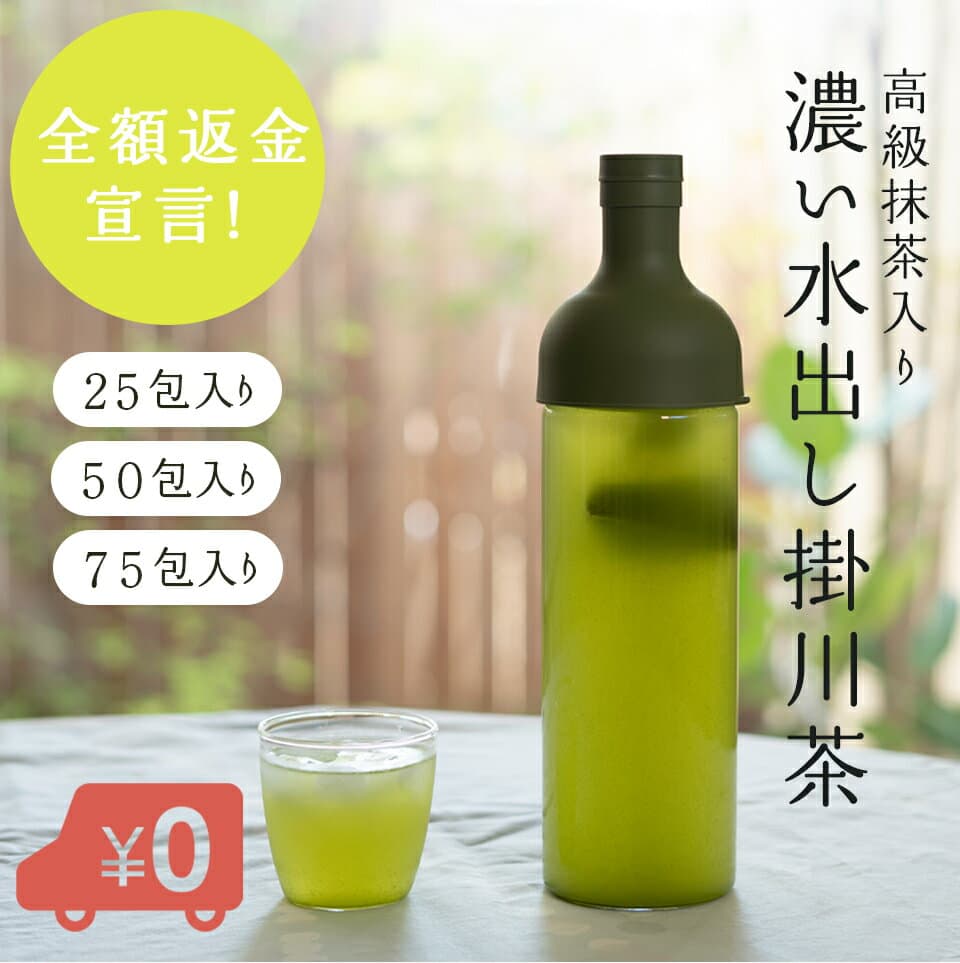
Kakegawa-cha Cold Brew Sencha Tea Bags with Matcha
美味しい掛川茶 ティーバッグ 水出し 煎茶 選べる25包・50包・75包 たっぷり大容量 静岡抹茶入り 濃い 掛川 水出し煎茶 1リットル用 ティーパック 水出し緑茶 深蒸し茶 日本茶 掛川茶 静岡茶 お茶 深むし茶 緑茶 冷茶 水だし お湯出し 紙パック 送料無料
5g x 25/50/75 tea bags佐次本製茶 掛川のおいしいお茶
4.8 / 3370 reviews
Japanese name掛川茶
In Kakegawa City, Shizuoka, tea takes shape through named districts, deep steaming, firing, charcoal roasting, hoiro heating, local leaves, tea rooms, sweets, and a children's T-1 contest.
Information last updated 120 days ago
美味しい掛川茶 ティーバッグ 水出し 煎茶 選べる25包・50包・75包 たっぷり大容量 静岡抹茶入り 濃い 掛川 水出し煎茶 1リットル用 ティーパック 水出し緑茶 深蒸し茶 日本茶 掛川茶 静岡茶 お茶 深むし茶 緑茶 冷茶 水だし お湯出し 紙パック 送料無料
5g x 25/50/75 tea bags佐次本製茶 掛川のおいしいお茶
4.8 / 3370 reviews
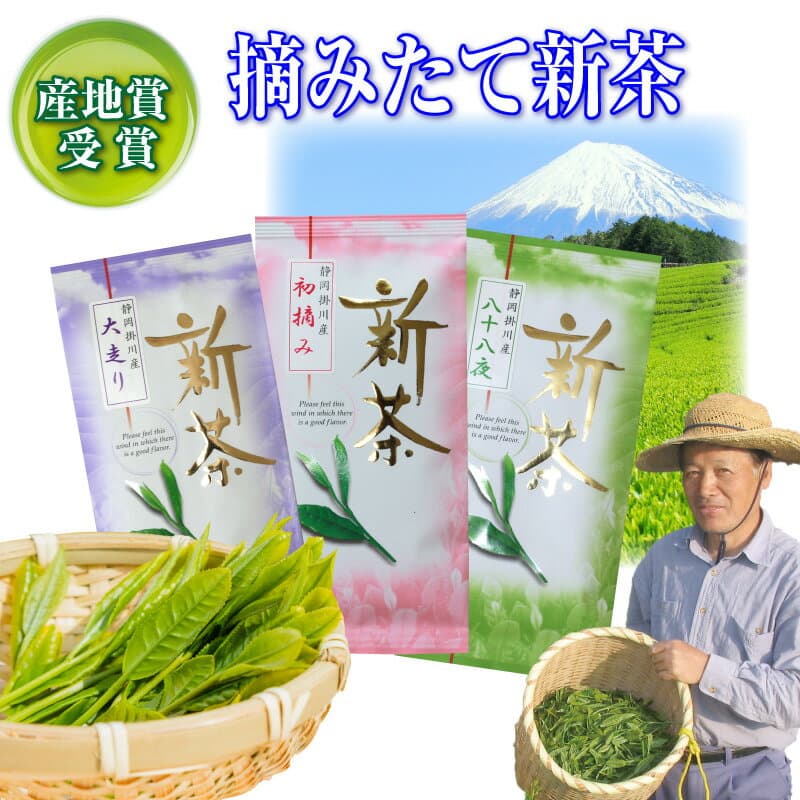
深蒸し茶 3点セット 日本茶 新茶 大走り 初摘み 八十八夜 深蒸し茶 掛川茶 茶葉 静岡茶 煎茶 お茶 深むし茶 緑茶 お茶 掛川茶 カテキン EGCG エピガロカテキン new
100g x 3 bags佐次本製茶 掛川のおいしいお茶
4.8 / 273 reviews
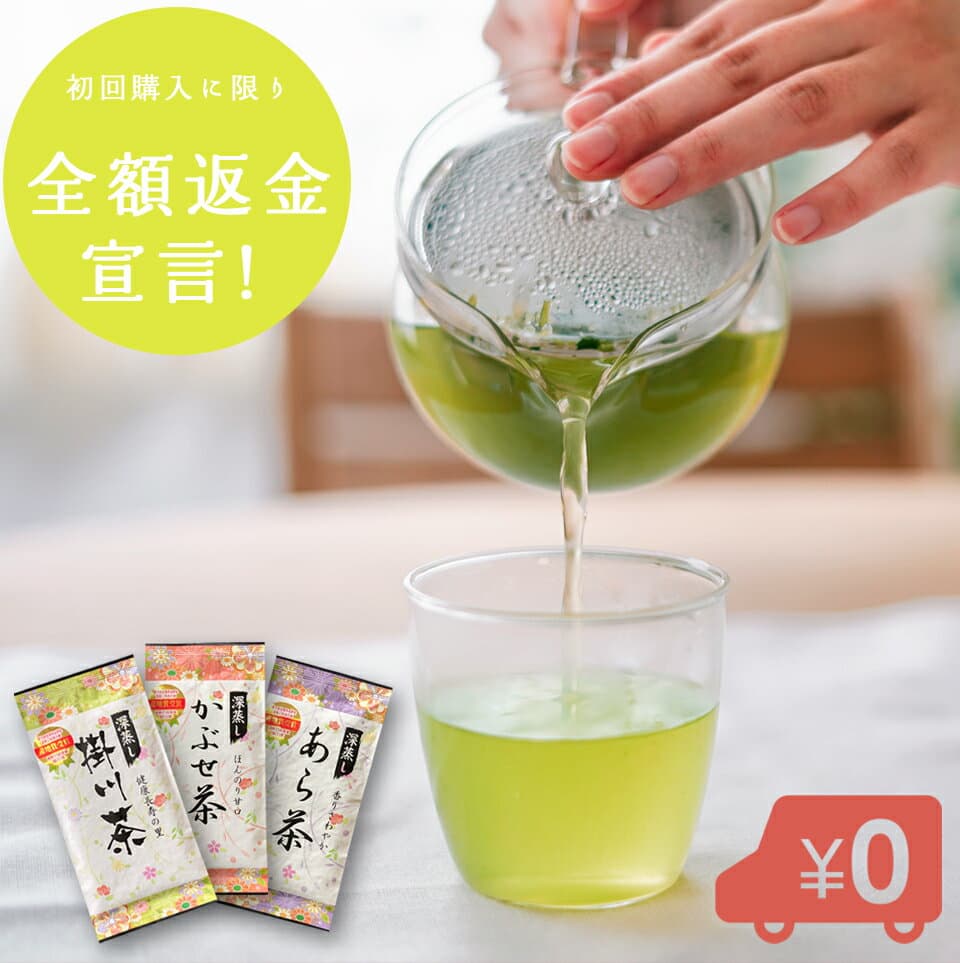
お茶 日本茶 3種類飲み比べ 選べるセット内容 80g×2袋、3袋セット 掛川茶 かぶせ茶 あら茶 深蒸し茶 茶葉 深むし茶 日本茶 お茶 茶 送料無料 期間限定 深蒸し茶 掛川茶 静岡茶 煎茶 緑茶 深むし茶 ギフト 仏用 志 福袋 茶葉 急須用
tea leaves, 80g x 2 or 3 bags佐次本製茶 掛川のおいしいお茶
4.8 / 4929 reviews
First time buying on Rakuten? How residents in Japan order →
Kakegawa tea opens as a city map. Jonishi, Narutaki, Kamisaigo, Ono, Harada, Osaka, and other Kakegawa districts are connected by tea shops, manufacturers, tea factories, JA facilities, tea rooms, and cafes. Across that map, deep-steamed green tea gives the local cup its familiar body, while leaf judgment, firing, charcoal roasting, hoiro-style heat, tasting counters, sweets, and the T-1 contest for elementary-school students keep the tea visible in workshops, cups, cafes, and classrooms.
The shape of Kakegawa tea is spread across named places in Kakegawa City. Tea shops, manufacturers, factories, cafes, and JA facilities appear in districts such as Jonishi, Narutaki, Kamisaigo, Ono, Harada, and Osaka. Some places welcome tasting at the counter; others mention factory or tea-field visits arranged through consultation. The city network gives the tea concrete coordinates: addresses where leaves are handled, rooms where tea is poured, and field visits that connect the cup to Kakegawa's working tea landscape.
Kakegawa tea is closely associated with fukamushi, or deep-steamed green tea. Kakegawa tea businesses describe a rich taste, good flavor, umami, aroma, and a second infusion that still drinks with substance. Those sensory details matter because they point to what a drinker can notice in the cup: body, lingering flavor after the first brew, and a depth that remains after the leaves have already opened. In Shizuoka drink development, Kakegawa tea has also been valued for clear color, body, and umami.
Before the cup, makers read the leaf and finish it with heat. One Kakegawa producer explains tea flavor through two linked skills: judging leaf quality and choosing the right firing technique. Some leaves answer stronger heat; others need gentler heat before their character shows. Other Kakegawa entries mention hand finishing, charcoal roasting, hoiro-style heating, and fire control matched to the leaves. The craft here is concrete: leaf condition, heat level, aroma, and time in the finishing room.
Kakegawa tea is carried by a community of tea businesses and agricultural facilities. The Kakegawa Tea Promotion Association brings together merchants, manufacturers, tea factories, JA facilities, tea rooms, and cafes. The Shizuoka tea commerce association, founded in 1953, includes wholesalers, small sellers, brokers, agents, and the Kakegawa Tea Merchants Cooperative as a branch. Within Kakegawa, some business descriptions emphasize 100% Kakegawa-grown deep-steamed tea, local district leaves, or tea made without blending leaves from other regions. Some entries also connect field work with processing and chagusaba grass-laying around tea fields. These are maker-level details, and together they show how local leaves, trade groups, and JA facilities stand side by side.
Kakegawa tea also appears beyond the standard hot cup. Local tea businesses include tasting settings, tea rooms, cafes, sweets, and shaved ice. Shizuoka development examples pair Kakegawa deep-steamed tea with sweets and use Kakegawa City tea leaves in a sparkling green-tea liqueur, where clear color, body, and umami become part of the drink design. These uses keep the leaf's character visible while carrying its aroma into dessert plates, bottled formats, and cafe time.
The local tea world reaches elementary-school students through the T-1 Grand Prix in Kakegawa. The Kakegawa Tea Merchants Cooperative describes a contest for children from grades 3 to 6 in Kakegawa City, with preliminaries, finalists known as cha-rangers, and ranked titles such as T-1博士. Continuity has a concrete form here: school grades, contest rounds, tea knowledge, preparation for a local final, and children learning the names and handling of tea in a familiar city setting.
Kakegawa tea is clearest through concrete details: Kakegawa City districts, deep-steamed flavor, firing and roasting, local leaves, merchants, JA facilities, tea rooms, sweets, and children's T-1 activities. Its interest rests in a working tea community where leaf, heat, cup, cafe, and classroom remain connected.
Compiled from public records and official sources; see the recognition links below. Details may change over time.
Where this product is officially registered, designated, or recognized in Japan.
Regional collective trademark
Registered as a Regional Collective Trademark with the Japan Patent Office.
Sources1
It is written as 掛川茶 in Japanese. Search Rakuten and other Japanese sites with that spelling — the English name will not bring up the listings.
Kakegawa tea is a place-based tea family from Kakegawa City, Shizuoka, closely associated with deep-steamed green tea. It is linked to named city districts, tea merchants, factories, JA facilities, tea rooms and cafes. Makers describe firing, roasting and hoiro-style heating, along with rich umami and a full second infusion.
Tea-related businesses and facilities appear in districts such as Jonishi, Narutaki, Kamisaigo, Ono, Harada, and Osaka. Local tea businesses connect Kakegawa tea with fukamushi, or deep-steamed tea, and describe rich taste, umami, aroma, and a full second infusion. Kakegawa tea makers describe finishing methods such as firing, charcoal roasting, hoiro-style heating, hand finishing, and heat control matched to the leaves. The Kakegawa tea network includes merchants, manufacturers, tea factories, JA facilities, tea rooms, cafes, and the Kakegawa Tea Merchants Cooperative.
It is drunk as daily brewed green tea at home or in shops, with member shops inviting tasting and direct purchase of Kakegawa deep-steamed tea. Several Kakegawa tea businesses operate cafes or tea rooms and mention sweets, shaved ice, tea desserts, or pairing Kakegawa tea with confectionery. Kakegawa City tea leaves have also been used in a sparkling green-tea liqueur, and Kakegawa deep-steamed tea has been combined with Shizuoka mikan and sweets as a drink to accompany snacks.
Water temperature varies a lot by type of Japanese tea: roughly 50–60°C for gyokuro, 70–80°C for sencha, and near-boiling 90–100°C for hojicha (including roasted stem tea), bancha, and genmaicha, steeped for about 30 seconds to a minute. A common ratio is about 3g of leaf per 150ml of water. Follow the instructions on the packaging where they differ.
Tea leaves are damaged by light, humidity, and absorbed odours. Once opened, keep them sealed and away from light at room temperature and drink them within a few weeks. If you refrigerate them, let the container return to room temperature before opening so condensation doesn't get in.
Most options are shelf-stable, boxed, and travel well, so they suit gifting or bringing home. Confirm the final storage and delivery terms on the Rakuten listing.
On Rakuten: the shops listed here right now are 佐次本製茶 掛川のおいしいお茶. We don't sell directly; purchase, payment, stock, and delivery are all handled on the Rakuten product page.