 3 images
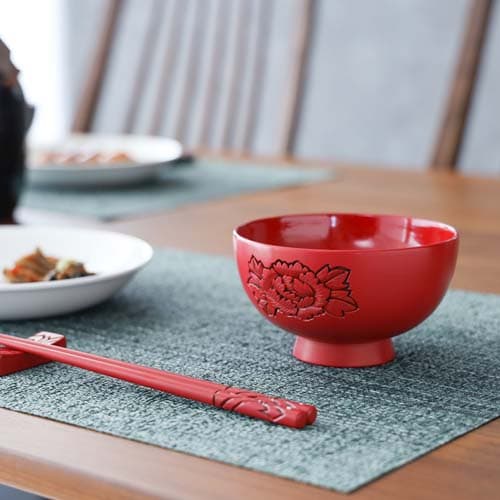
Murakami Kibori Tsuishu Fujii Shikko Lacquer Bowl
村上木彫堆朱 藤井漆工 お椀 伝統工芸品 ボウル
MUKU工房(家具&クラフト)
Japanese name村上木彫堆朱
In Murakami City in northern Niigata, magnolia, horse chestnut, and katsura wood are carved with flowers, birds, rivers, seas, and rocks, then coated with natural lacquer so the cut lines remain visible beneath a quiet red surface.
Information last updated yesterday
3 images村上木彫堆朱 藤井漆工 お椀 伝統工芸品 ボウル
MUKU工房(家具&クラフト)
 3 images
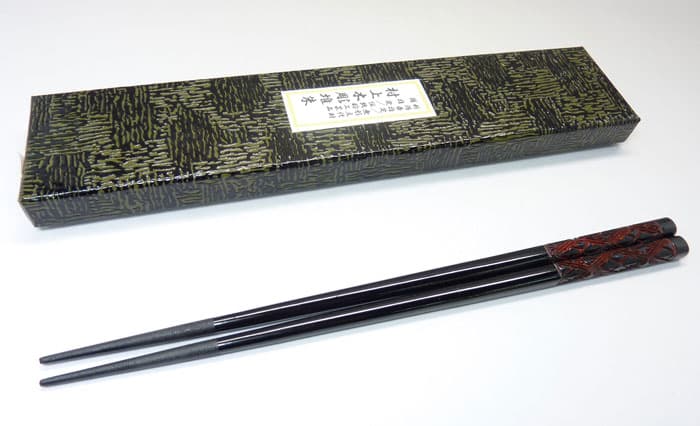
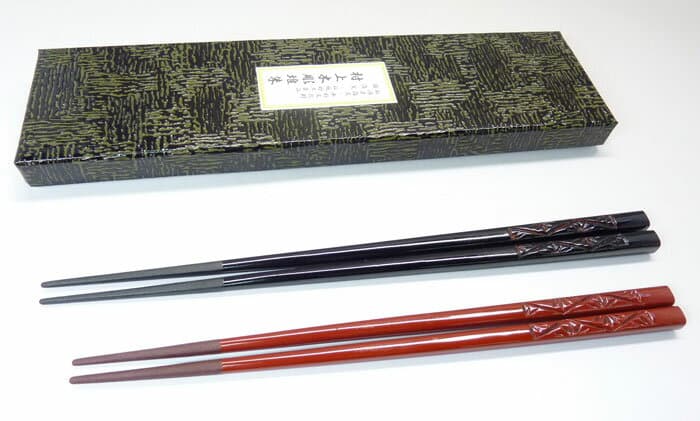
伝統的工芸品新潟・村上木彫堆朱箸 総菊地紋 黒23cm
all-over chrysanthemum pattern, black 23 cmせともの屋みさ伝
 3 images
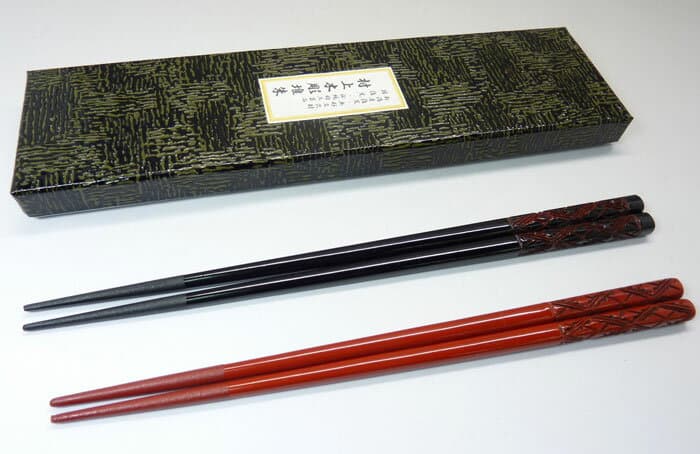
伝統的工芸品新潟・村上木彫堆朱夫婦箸 総菊地紋
Women's 21cm, men's 23cmせともの屋みさ伝
 3 images
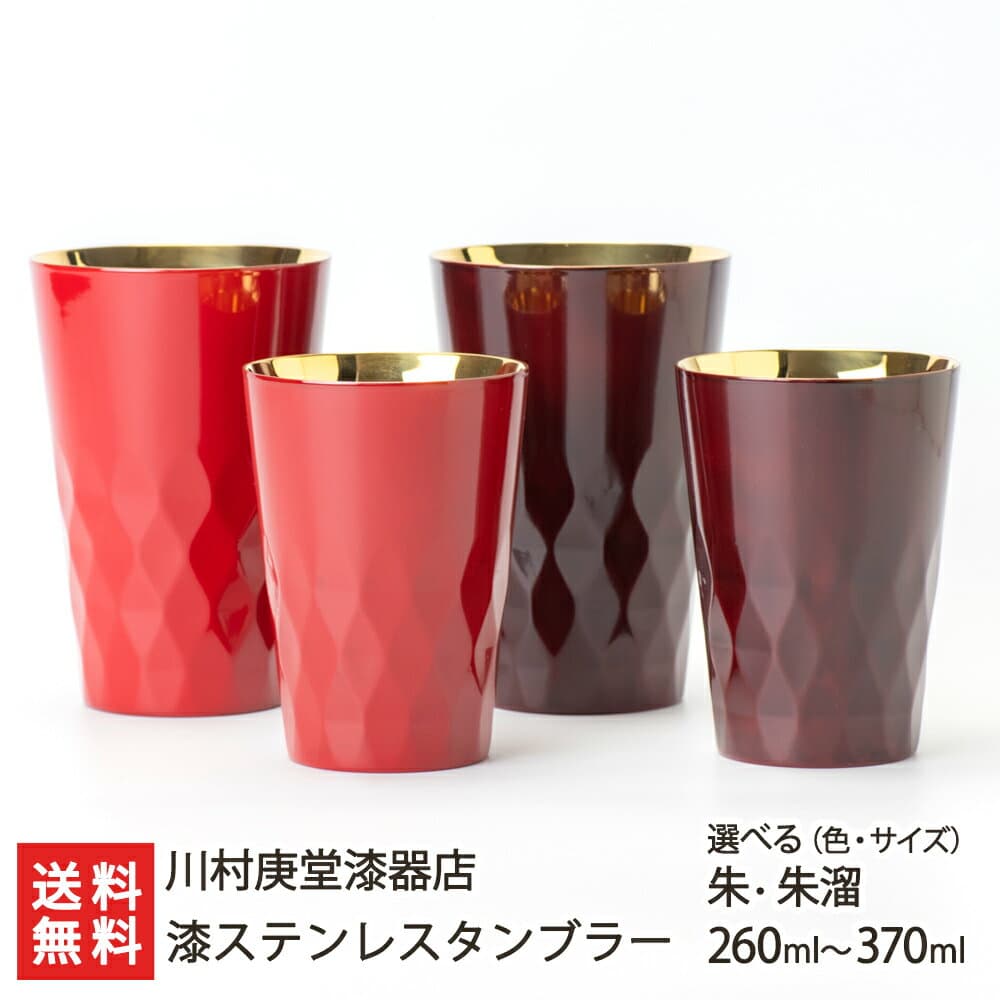
漆ステンレスタンブラー「朱 or 朱溜」・「260ml or 370ml」 川村庚堂漆器店【村上木彫堆朱/保温/保冷/中塗り/ステンレス/村上市/産地直送】【お土産/手土産/プレゼント/ギフトに!贈り物】【送料無料】
Shu or Shu-tame; 260ml or 370ml新潟県公式ショップ 新潟直送計画
 3 images
伝統的工芸品新潟・村上木彫堆朱(硬材使用)夫婦箸 菊地紋
21cm and 23cm pairせともの屋みさ伝
5.0 / 1 reviews
First time buying on Rakuten? How residents in Japan order →
All 5 listings of this product on Rakuten, lowest price first.
| Listing | Price | Shop | Reviews | Open listing |
|---|---|---|---|---|
Niigata Murakami Kibori Tsuishu Lacquered Chopsticks all-over chrysanthemum pattern, black 23 cmLowest price | ¥4,000 | せともの屋みさ伝 | View on Rakuten → | |
Murakami Kibori Tsuishu Kikuchi Pattern Couple Chopsticks 21cm and 23cm pair | ¥7,000 | せともの屋みさ伝 | 5.0 / 1 reviews | View on Rakuten → |
Niigata Murakami Kibori Tsuishu Couple Chopsticks, Chrysanthemum Ground Pattern Women's 21cm, men's 23cm | ¥8,000 | せともの屋みさ伝 | View on Rakuten → | |
Murakami Kibori Tsuishu Fujii Shikko Lacquer Bowl | ¥18,600 | MUKU工房(家具&クラフト) | View on Rakuten → | |
Murakami Kibori Tsuishu Lacquered Stainless Steel Tumbler by Kawamura Kodo Lacquerware Shu or Shu-tame; 260ml or 370mlGift-ready | ¥30,600 | 新潟県公式ショップ 新潟直送計画 | View on Rakuten → |
Japanese · new tab
Murakami Kibori Tsuishu comes from Murakami City in northern Niigata. The old castle town was long connected with quality natural lacquer, and in the Edo period makers formed a method of carving wooden bases before building up repeated lacquer layers. A red tray, inkstone box, or pair of chopsticks begins with wood, carved lines, lacquer thickness, and the gloss that appears slowly through use.
Murakami City is listed as the main production area for Murakami Kibori Tsuishu and is described as an old castle town in northern Niigata. The area’s connection with quality natural lacquer gave Edo-period makers the conditions for a carved-wood lacquer technique: a named place, a natural material, and a working sequence in which wood is cut before lacquer is repeatedly applied.
The work starts with fully dried natural woods such as magnolia, horse chestnut, and katsura. Woodworkers shape these materials into bases for vases, trays, inkstone boxes, tea cabinets, and related objects, setting the edges, planes, and curves that will later hold carving and lacquer. Before the red surface appears, each piece is already a wooden form with a specific use.
Carvers draw directly on the front of the wooden base, using designs such as flowers and birds, landscapes, and peony arabesques. They also cut fine motifs of rivers, seas, rocks, flowers, and birds into the wood. Brush-drawn lines guide the strength of the image, while carving methods such as low relief and deeper cutting give a tray, vase, or inkstone box its visible rhythm.
The lacquerer works within a narrow margin. If the lacquer is too thick, it fills the carved lines; if it is too thin, polishing can expose the wooden edges and the corners of the motifs. Fingertips, pads, and brushes help control the coating, while sealing, rust-paste undercoating, polishing, middle coats, and top coats build a durable surface without losing the carved structure.
After the top coat, matte finishing, hairline carving, and a final wiped coat give Murakami Kibori Tsuishu its restrained surface. Red Tsuishu sits beside variations such as black Tsuikoku and Shudame-nuri, whose final amber tone comes through additional lacquer and polishing. In daily handling, the red surface gains color and gloss rather than staying fixed on the day it was finished.
Murakami Kibori Tsuishu is made in forms that move across the table, the tea setting, and the desk. The named examples include chopsticks, trays, confectionery bowls, small plates, guinomi cups, incense containers, natsume tea caddies, stationery, accessories, and book covers. The same carved wood and lacquer layering must adjust to a small cup, a flat tray, or an object handled during writing.
Murakami Kibori Tsuishu Hall stands inside the Murakami Tsuishu business cooperative in Matsubara-cho, Murakami City. It displays pieces from nine local lacquerware businesses and the cooperative, including vases, trays, confectionery bowls, tea utensils, tableware, stationery, and accessories. Visitors can also see production tools and lacquer-tapping tools, and when working craftspeople are present, they explain the making process and the history of Murakami Tsuishu.
Murakami Kibori Tsuishu gathers Murakami’s natural lacquer, dried wood, carved floral and landscape motifs, and a sequence of roughly nineteen processes into usable objects. Its red does not need a loud shine at first glance; on a tray, chopsticks, tea utensil, or writing object, the surface deepens as hands return to it over time.
Compiled from public records and official sources; see the recognition links below. Details may change over time.
Where this product is officially registered, designated, or recognized in Japan.
It is written as 村上木彫堆朱 in Japanese. Search Rakuten and other Japanese sites with that spelling — the English name will not bring up the listings.
Murakami Kibori Tsuishu is carved wooden lacquerware from Murakami City in Niigata Prefecture. Makers use dried natural woods such as magnolia, horse chestnut, and katsura, carve motifs including flowers, birds, landscapes, rivers, seas, rocks, and peony arabesques, then apply repeated natural lacquer layers. The lacquer must protect the piece without filling the carving; matte finishing, hairline carving, and a final wiped coat give the red surface a gloss that deepens through use.
Murakami Kibori Tsuishu is centered in Murakami City, northern Niigata, an old castle town historically connected with quality natural lacquer. Its wooden bases are made from fully dried natural woods such as magnolia, horse chestnut, and katsura, shaped into objects including vases, trays, inkstone boxes, and tea cabinets. Lacquerers use fingertips, pads, and brushes to control thickness so the lacquer neither fills carved lines nor leaves wooden edges exposed during polishing. Murakami Kibori Tsuishu appears in chopsticks, trays, confectionery bowls, small plates, guinomi cups, tea utensils, stationery, accessories, and book covers.
Daily tableware and serving pieces such as chopsticks, trays, confectionery bowls, small plates, and guinomi are made in Tsuishu, and the matte finish gains color and gloss with use. Tea utensils and small ceremonial objects such as incense containers and natsume tea caddies are described as having a deep connection with Tsuishu. Home display and interior objects such as vases, trays, inkstone boxes, cabinets, and nameplates are also made or displayed in Tsuishu.
Porous earthenware is usually given a "medome" treatment first — simmer it gently in rice-rinsing water (or water with a little flour), then cool, rinse, and air-dry. This reduces staining and odour absorption. Porcelain normally just needs a wash. Follow the listing where it says otherwise.
Handmade earthenware, pieces with gold or silver overglaze, and lacquerware generally should not go in a dishwasher, microwave, or heated drying cabinet; heat-resistant porcelain usually can. Check the Rakuten listing for the specific piece.
Most options are shelf-stable, boxed, and travel well, so they suit gifting or bringing home. Confirm the final storage and delivery terms on the Rakuten listing.
On Rakuten: the shops listed here right now are MUKU工房(家具&クラフト), せともの屋みさ伝, 新潟県公式ショップ 新潟直送計画. We don't sell directly; purchase, payment, stock, and delivery are all handled on the Rakuten product page.