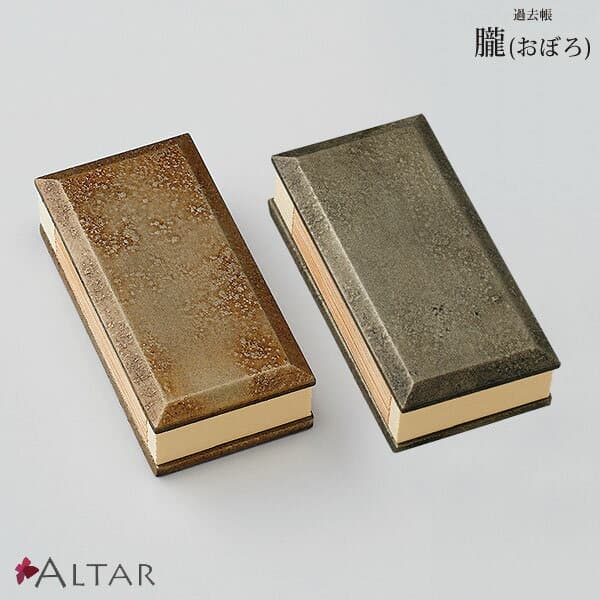
Niigata’s port received more than cargo. As a Kitamaebune stopping point, it also received lacquer techniques from other regions, and around four hundred years ago, in the early Edo period, Niigata lacquerware began to take shape. In 1638, Furumachi gained the wandana, a district where lacquerware sales were concentrated.
Furumachi gives the craft a concrete urban setting: port traffic, merchants, lacquer workers, and household wares moved through the same neighborhood. By the late Edo period, sales reached Edo, Osaka, and Hokkaido, carrying trays, meal ware, stacked boxes, and other daily objects beyond Niigata’s harbor.
 3 images