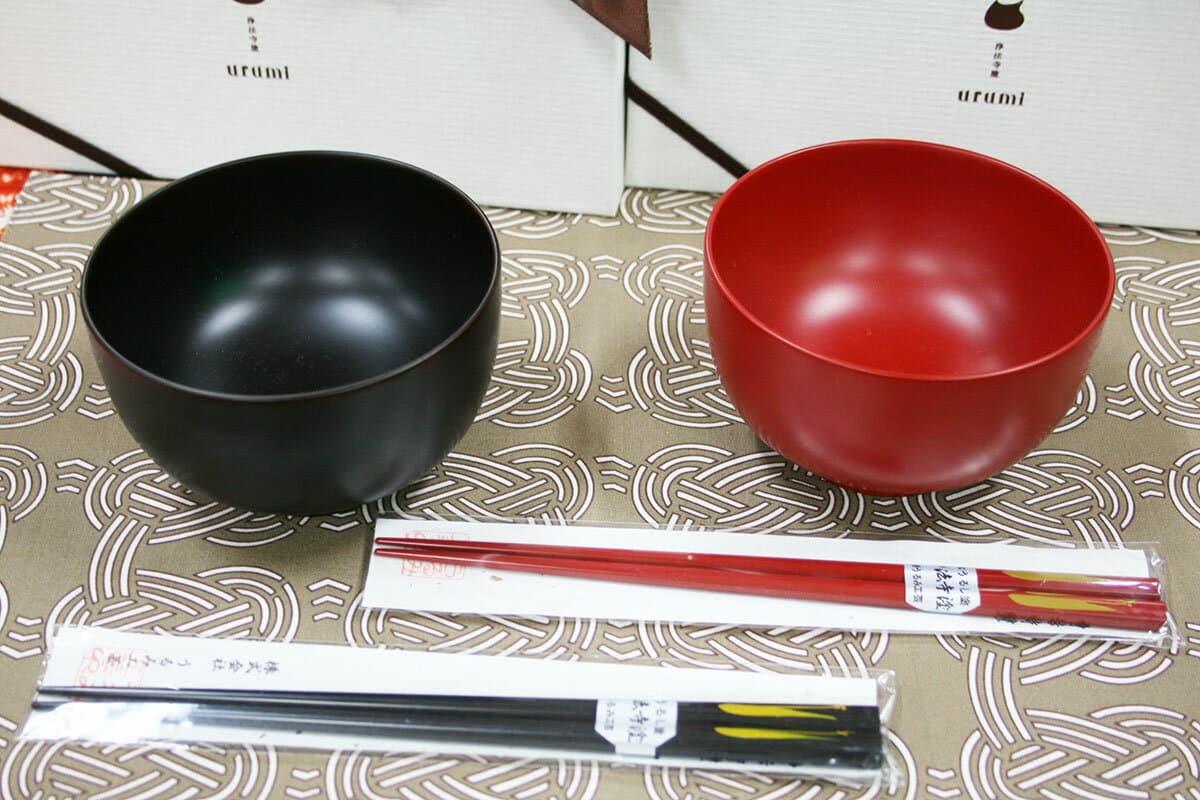
Urumi Kogei Joboji-Nuri Bowl and Chopsticks Set
【30%OFF】うるみ工芸の漆器セット「~浄法寺塗~浄法寺椀とお箸のセット~タメ・本朱」
Tame and Honshu, 2 bowls + 2 pairs of chopsticks盛岡手づくり村
Japanese name浄法寺塗
In Joboji-machi, Ninohe, temple meal vessels, Oyamago-ki, a June-to-October tapping season, and the Tekiseisha workshop place a quiet lacquer bowl between hillside, tree, hand, and table.
Information last updated yesterday
【30%OFF】うるみ工芸の漆器セット「~浄法寺塗~浄法寺椀とお箸のセット~タメ・本朱」
Tame and Honshu, 2 bowls + 2 pairs of chopsticks盛岡手づくり村
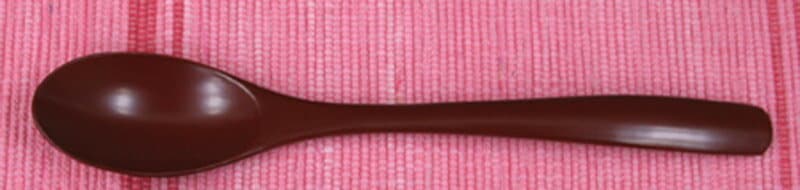
うるみ工芸の「~浄法寺塗~カレースプーン」
盛岡手づくり村
5.0 / 1 reviews
First time buying on Rakuten? How residents in Japan order →
Joboji-nuri belongs to Joboji-machi in Ninohe, Iwate, and its name is closely tied to Tendai-Ji. The local origin account begins with lacquer vessels made by monks for everyday meals; those vessels are remembered as Oyamago-ki and connected with ordinary household life. The same craft can still be read through concrete places around Joboji: finished ware and making at Tekiseisha, a four-hectare urushi grove in Myojinzawa, and the June-to-October season when sap, tools, and tableware meet in one material path.
In Joboji, Tendai-Ji is known locally as Oyama, and the roots of Joboji-nuri are placed in the temple’s daily meals. Monks made lacquer vessels for eating, and the name Oyamago-ki keeps those vessels close to bowls held at the table rather than distant ceremonial objects. The origin frame is modest: a temple, a meal, a vessel, and a form that later reached ordinary life.
Several places in Joboji-machi give the lacquerware a clear geography. Tekiseisha in Oyama Naka-Maeda includes a Joboji-nuri workshop and finished pieces; Myojinzawa holds a four-hectare urushi grove; the museum by the Tendai-Ji approach keeps lacquer-tapping tools, lacquer displays, and everyday objects from the area. Together, those places let a bowl carry more than shape: it carries the temple gate, grove, workshop bench, and hand tools behind it.
Urushi is a natural resin paint drawn from the urushi tree, and tapping makes the material seasonal. From June to October, workers use tools such as kanna, hera, and kama on the tree; one tree yields only about 180 to 200 grams of lacquer. That small amount gives a plain Joboji-nuri bowl or pair of chopsticks a visible economy of material, measured in months, cuts in bark, and grams of sap.
Once the sap becomes coating material, lacquerware is built through repeated application and polishing on wood. Hardened lacquer has strong adhesion and resistance to heat and acid, qualities that matter when a bowl or chopsticks return again and again to the table. The restrained surface of Joboji-nuri comes from wood, lacquer layers, and polishing rather than ornament alone.
Joboji-nuri is at home in daily tableware forms: bowls, chopsticks, sushi geta, and lacquerware chosen to suit Japanese dishes. Handling is part of the surface; with use, the lacquer develops a deeper gloss. Re-coating can also extend the life of a worn piece, so a bowl can stay in the rhythm of meals rather than leaving the table after its first signs of wear.
In Ninohe, Joboji-nuri can be followed from Tendai-Ji meal vessels to tapping tools near the temple approach, from the Myojinzawa grove to the Tekiseisha workshop. Sushi on a lacquer sushi geta, dishes matched with Joboji ware, and a surface brightened by repeated handling all point back to the same chain of place, tree, tool, hand, and meal.
When Joboji-nuri returns to the scale of a single bowl, its main details remain concrete: Tendai-Ji meal vessels, the name Oyamago-ki, the urushi grove of Joboji-machi, and the June-to-October tapping season. Sap is layered and polished into bowls, chopsticks, and sushi geta; handling slowly adds gloss. The time inside the lacquer is found at the temple gate, on the tree bark, at the workshop bench, and on the everyday table.
Compiled from public records and official sources; see the recognition links below. Details may change over time.
Where this product is officially registered, designated, or recognized in Japan.
Traditional craft
Designated a Traditional Craft (dentō kōgeihin) by Japan's Ministry of Economy, Trade and Industry.
Sources1
It is written as 浄法寺塗 in Japanese. Search Rakuten and other Japanese sites with that spelling — the English name will not bring up the listings.
Joboji lacquerware (Joboji-nuri) is lacquerware from Joboji-machi in Ninohe, Iwate, tied to an origin account of Tendai-ji monks making vessels, called Oyamago-ki, for daily meals. Today it can be traced through Tekiseisha's workshop, the four-hectare Myojinzawa urushi grove, the June-to-October tapping season, repeated coating and polishing, and tableware such as bowls, chopsticks, and sushi geta.
The Tendai-ji vessels known as Oyamago-ki are connected with ordinary household life rather than ceremonial use alone. Tekiseisha, in Joboji-machi Oyama Naka-Maeda, houses a Joboji-nuri workshop alongside finished lacquerware. Myojinzawa in Joboji-machi has a four-hectare urushi grove, and the local tapping season runs from June to October. Urushi tapping uses tools such as kanna, hera, and kama, and one tree yields about 180 to 200 grams of lacquer.
Joboji lacquerware is used as everyday tableware, including bowls, chopsticks, and sushi geta, with pieces matched to dishes depending on the meal. Regular use deepens the lacquer's gloss over time. Care involves avoiding long soaking, dishwashers, microwaves, and metal cutlery; re-coating can extend a piece's use.
Porous earthenware is usually given a "medome" treatment first — simmer it gently in rice-rinsing water (or water with a little flour), then cool, rinse, and air-dry. This reduces staining and odour absorption. Porcelain normally just needs a wash. Follow the listing where it says otherwise.
Handmade earthenware, pieces with gold or silver overglaze, and lacquerware generally should not go in a dishwasher, microwave, or heated drying cabinet; heat-resistant porcelain usually can. Check the Rakuten listing for the specific piece.
Most options are shelf-stable, boxed, and travel well, so they suit gifting or bringing home. Confirm the final storage and delivery terms on the Rakuten listing.
On Rakuten: the shops listed here right now are 盛岡手づくり村. We don't sell directly; purchase, payment, stock, and delivery are all handled on the Rakuten product page.